
Is Buying Property in the Maldives a Good Investment in 2026?
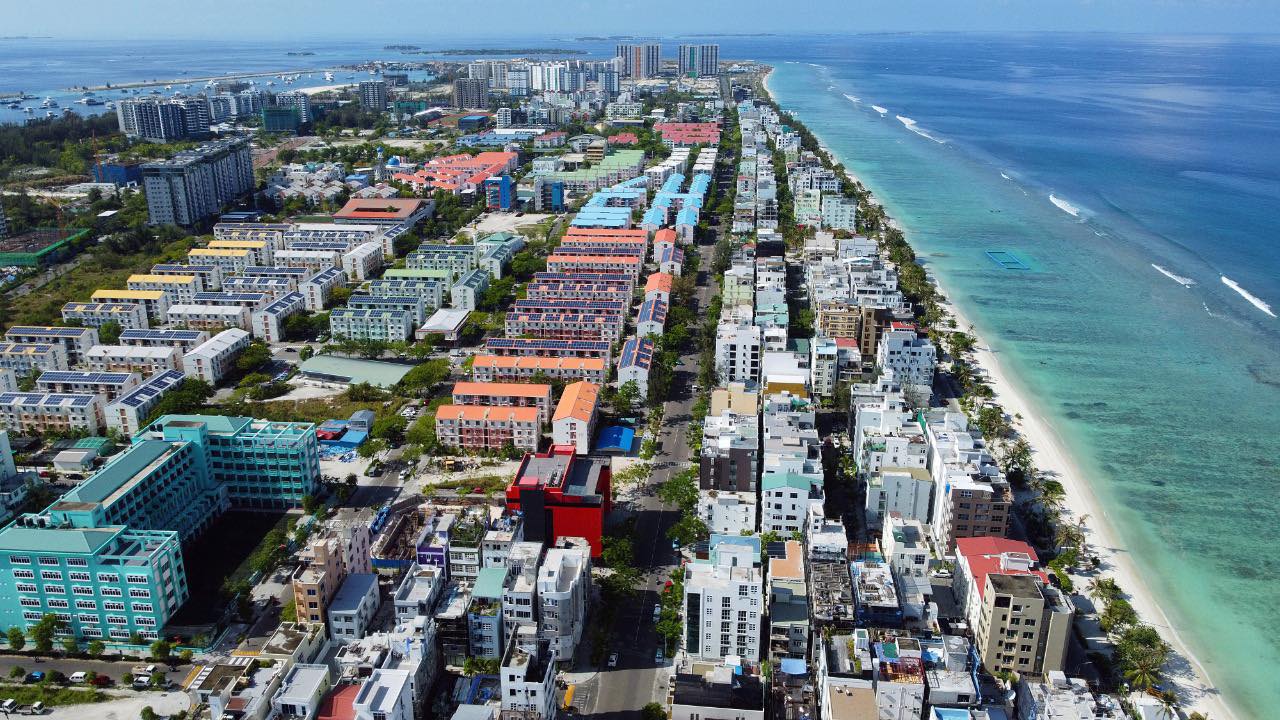
The Maldives has long been synonymous with luxury tourism, but in recent years, it has emerged as a serious contender in the global real estate market. As we look toward 2026, investors are asking a critical question: Is the “Maldives Dream” a solid financial asset, or is the market cooling off?
With the global economy shifting and new local legislation opening doors for foreign buyers, the landscape in 2026 looks vastly different from five years ago. Here is a detailed breakdown of the pros, cons, and potential returns of buying property in the Maldives this year.
The “Yes” Factor: Why 2026 Looks Promising
For investors seeking higher yields than typical Western markets, the Maldives offers compelling arguments.
1. High Rental Yields
Unlike many capital cities in Europe or Asia where rental yields hover around 2-4%, the Maldives offers significantly higher returns.
- City Apartments (Malé/Hulhumalé): Investors can expect gross rental yields of 5% to 8%, driven by high demand from the expatriate workforce and locals migrating to the capital for work.
- Tourist Properties: Integrated resort investments or guesthouses in high-traffic tourist zones can yield 8% to 12% or more, especially as tourism numbers continue to break records.
2. The New Condominium Law
Historically, foreign freehold ownership was impossible. However, recent legislative changes now allow foreigners to own freehold titles in designated “condominium” projects (specifically on reclaimed land or designated tourism zones).
- Impact for 2026: This legal shift has created a new asset class. Investors no longer need to rely solely on long-term leases; they can now own tangible assets, making the market much more attractive for long-term capital appreciation.
3. Tourism Resilience
The Maldives has proven to be one of the most resilient travel destinations globally. Even during global downturns, the “one-island-one-resort” model maintained occupancy rates. For property investors, this means a stable backbone for the economy, reducing the risk of a total market collapse.
The “No” Factor: Risks You Must Consider
While the returns are attractive, a balanced investment strategy must acknowledge the risks.
1. Climate Risk and Valuation
The Maldives is the lowest-lying country on Earth. While the government invests heavily in coastal protection and land reclamation (like the City of Hope), climate risk is a long-term factor that affects resale value and insurance costs.
- Investor Tip: Focus on reclaimed islands (like Hulhumalé) or higher-elevation developments which are viewed as safer long-term bets.
2. Construction Costs and Delays
The Maldives imports almost all construction materials. Global supply chain issues and inflation have led to a spike in building costs. If you are buying “off-plan” (under construction), be aware that project delays are common and could eat into your projected ROI.
3. Market Liquidity
The Maldives real estate market is smaller than Dubai or Singapore. While demand is high, the pool of buyers is smaller. Selling a high-value property quickly can take longer than in major global financial hubs.
Investment Types: What Should You Buy in 2026?
Your strategy should dictate the property type:
The 2026 Verdict: Is it Worth It?
Yes, for the right investor.
Buying property in the Maldives in 2026 is a good investment if you are looking for:
- Higher than average rental yields.
- Exposure to a growing tourism economy.
- Long-term capital growth driven by land scarcity.
However, it requires due diligence. Unlike buying an index fund, property in the Maldives requires understanding local laws, building maintenance in a tropical climate, and choosing the right location.
The Bottom Line: The Maldives market is maturing. It is moving from a speculative frontier to a regulated market with freehold opportunities. For investors willing to navigate the logistics, the island nation offers a portfolio diversification that is hard to match in terms of yield and lifestyle potential.
Frequently Asked Questions (FAQ)
Q: Can foreigners get a mortgage in the Maldives? A: Local bank financing for foreigners is limited and usually requires a substantial down payment (often 50%+). Many investors opt for financing in their home country or cash purchases.
Q: Are there property taxes in the Maldives? A: There is no annual property tax in the Maldives. However, there are transaction fees (stamp duty) and taxes on rental income or capital gains for non-residents. Always consult a local tax advisor.
Q: Which island is best for investment? A: For pure rental yield, Malé and Hulhumalé are the safest bets due to consistent demand. For higher risk/reward, developing atolls with new airport connections offer great appreciation potential.
Disclaimer: This article is for informational purposes only and does not constitute financial or legal advice. Real estate markets carry risks; please consult a professional advisor before investing.
Comments