
Renewable Energy Projects in the Maldives
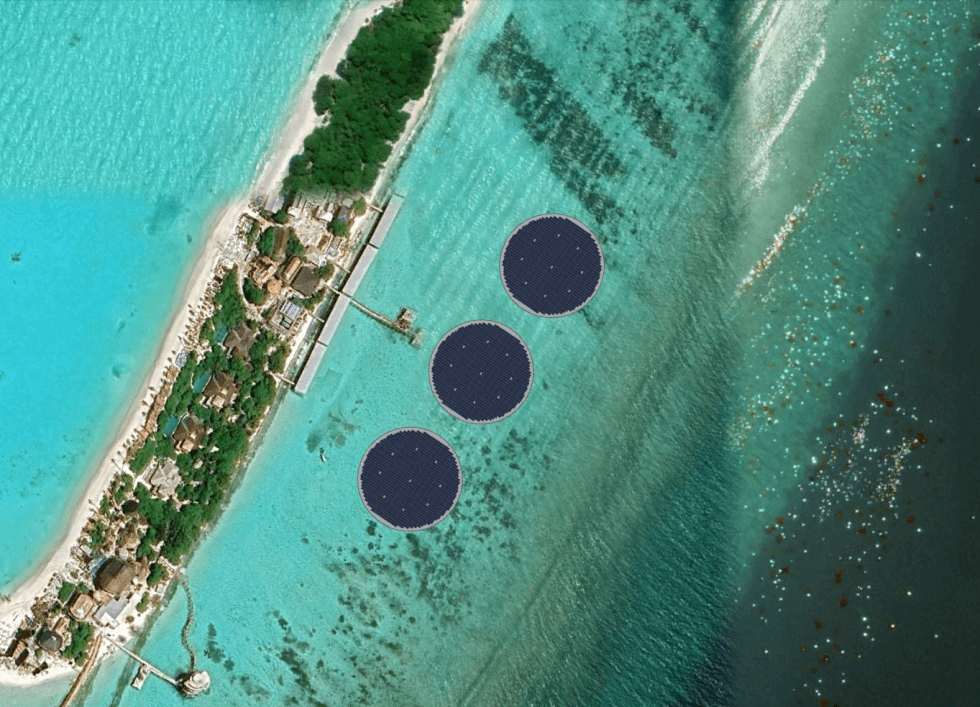
Renewable Energy Projects in the Maldives: Foreign Investment Powering a Sustainable Future
As one of the world’s most geographically dispersed island nations, the Maldives faces unique energy challenges. For decades, most islands have relied heavily on imported diesel fuel to generate electricity — an expensive and environmentally unsustainable solution. Today, foreign investment is accelerating the transition toward renewable energy, positioning the Maldives as a leader in sustainable island development.
Solar power installations, hybrid energy systems, and innovative grid solutions are being deployed across resorts, inhabited islands, and public infrastructure. These projects not only reduce carbon emissions but also create new opportunities for investors interested in green technology, infrastructure, and climate-focused development.
Why Renewable Energy Is Critical for the Maldives
Energy costs in the Maldives are among the highest in the region due to the need to import fuel and distribute it across remote islands. Fluctuating global oil prices can significantly impact government budgets, business expenses, and household costs.
Renewable energy offers a pathway to greater energy independence and long-term economic stability. By harnessing abundant natural resources such as sunlight, the country can reduce reliance on fossil fuels while lowering operating costs.
- Reduced fuel import dependency
- Lower electricity generation costs over time
- Improved energy security
- Environmental protection
- Alignment with global climate commitments
Solar Power Expansion Across Islands
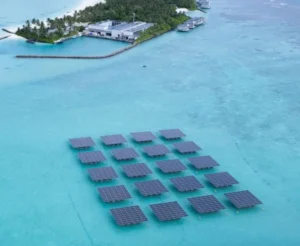
Solar energy is the most practical renewable resource for the Maldives due to its equatorial location and high year-round sunlight exposure. Rooftop solar panels, ground-mounted arrays, and floating solar systems are being installed on both public and private properties.
Many resorts have adopted solar power to reduce operational costs and appeal to environmentally conscious travelers. Government programs are also encouraging installations on schools, hospitals, and administrative buildings.
Large-scale solar farms on reclaimed land or unused areas are increasingly viable as technology costs decline and efficiency improves.
Hybrid Energy Systems and Battery Storage
Because solar generation fluctuates with weather conditions and daylight hours, hybrid systems combining renewable sources with conventional generators are becoming common. Battery storage technology plays a crucial role in stabilizing power supply and enabling greater use of clean energy.
Advanced energy management systems can automatically balance supply and demand, ensuring reliable electricity even in isolated island grids. These solutions are particularly important for communities that cannot be connected to a national power network.
Investment opportunities exist in battery manufacturing, installation services, maintenance, and software solutions for grid management.
Opportunities in Resort Energy Projects
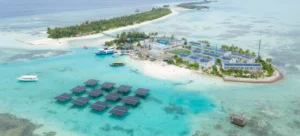
Tourism facilities consume significant amounts of electricity for air conditioning, desalination, lighting, and guest services. Reducing energy costs can substantially improve profitability, making renewable solutions attractive to resort operators.
Foreign investors and technology providers often partner with resort developers to implement turnkey energy systems. In some cases, energy companies operate solar installations and sell electricity to resorts under long-term agreements.
This model creates stable revenue streams while supporting sustainability goals — a win-win scenario for both investors and hospitality businesses.
Public Infrastructure and Community Projects
Renewable energy initiatives are also being deployed in public infrastructure, including airports, government buildings, and utilities. Electrification projects may extend to water supply systems, waste treatment facilities, and transportation networks.
Community-based solar programs can reduce electricity costs for households and small businesses, improving quality of life and economic productivity. Reliable power supply supports education, healthcare, and digital connectivity across the country.
Environmental Benefits and Climate Leadership
The Maldives is among the nations most vulnerable to climate change, making environmental protection a national priority. Transitioning to clean energy reduces greenhouse gas emissions and demonstrates leadership in global climate initiatives.
Sustainable energy projects also help preserve the natural ecosystems that underpin tourism, including coral reefs and marine biodiversity. By reducing pollution and fuel transport risks, renewable energy contributes to long-term ecological resilience.
Foreign Investment and International Support
Many renewable energy projects in the Maldives are supported by foreign governments, development banks, and private investors. International funding helps offset high initial costs while bringing technical expertise and advanced technologies.
Public-private partnerships are common, enabling collaboration between local authorities and global energy companies. These arrangements can accelerate project implementation and ensure long-term operational efficiency.
Successful projects enhance investor confidence and may attract additional capital into related sectors such as infrastructure and environmental services.
Economic Impact and Job Creation
The transition to renewable energy generates employment in construction, engineering, installation, and maintenance. Training programs are often required to develop local expertise in emerging technologies.
Over time, lower energy costs can improve competitiveness for businesses across all sectors, encouraging entrepreneurship and industrial development. Savings on fuel imports can be redirected toward education, healthcare, and infrastructure.
Challenges to Renewable Energy Adoption
Despite strong potential, renewable energy deployment in the Maldives faces several obstacles. Limited land availability, high upfront costs, and logistical complexities can slow project implementation.
Technical challenges include grid stability, maintenance in harsh marine environments, and the need for reliable backup systems. Financing structures must balance affordability with long-term sustainability.
Regulatory frameworks and utility policies also play a role in determining how quickly projects can move forward.
Future Outlook for Clean Energy Investment
Global trends indicate accelerating investment in renewable energy, driven by technological advancements and climate policies. The Maldives is well positioned to benefit from this momentum, particularly as international organizations prioritize support for vulnerable island nations.
Emerging technologies such as offshore wind, ocean energy, and hydrogen production may become viable in the future, further expanding the country’s energy portfolio.
As renewable systems become more affordable and efficient, adoption is expected to increase across both public and private sectors.
Renewable energy projects funded by foreign investment are transforming the Maldives’ energy landscape. By reducing reliance on imported fuel, lowering costs, and protecting the environment, these initiatives contribute to both economic resilience and climate sustainability.
For investors interested in green technology and infrastructure, the Maldives offers a unique opportunity to participate in projects with global significance. As the country continues its transition toward clean energy, early involvement could yield substantial long-term benefits.
Sustainable power is not just an environmental necessity for the Maldives — it is a cornerstone of the nation’s future development and prosperity.
Comments