
Maldives Mega Projects 2030: Mapping the Future of the Indian Ocean
Maldives Mega Projects 2030: Mapping the Future of the Indian Ocean
The Maldives is no longer just an archipelago of scattered resorts; it is a nation in the midst of an unprecedented infrastructure revolution. Under the ambitious vision of the current administration, the country is transitioning toward a $10 Billion economy. To reach this goal, the government has greenlit a series of “Mega Projects” that will fundamentally change how residents live, how tourists arrive, and—most importantly—how investors profit. For any serious investor, the “Maldives of 2030” is the real target. By understanding the roadmap of these Maldives Mega Projects, you can identify “undervalued” areas before the infrastructure is even completed. In this 1,400-word deep dive, we map out the most significant developments that will define the next decade of Maldivian growth.
1. The Greater Malé Connectivity Project (Thilamalé Bridge)
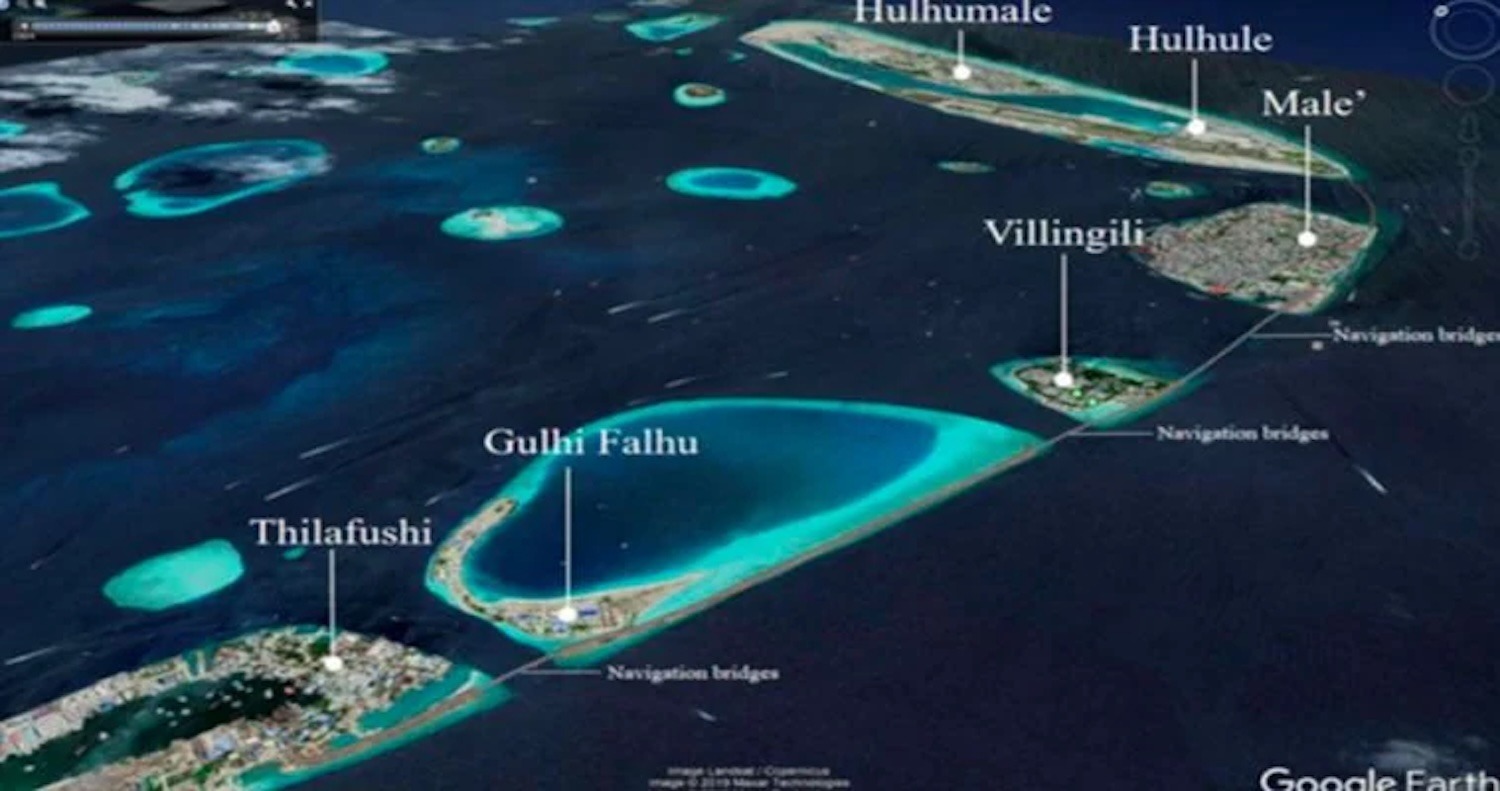
The most significant infrastructure project in Maldivian history is the Greater Malé Connectivity Project (GMCP). Often referred to as the “Thilamalé Bridge,” this 6.74-kilometer bridge and causeway link will connect the capital, Malé, with the industrial island of Thilafushi, the new port at Gulhifalhu, and the residential island of Villingili.
Why it matters for investors: This bridge creates a seamless economic corridor. Properties in Villingili and eventually Gulhifalhu will see a massive surge in value as they become “commutable” to the capital. It effectively turns the Greater Malé region into a unified metropolitan area similar to Dubai or Singapore.
2. Velana International Airport (VIA) Expansion
An island nation is only as strong as its gateway. The $800 million expansion of Velana International Airport is the engine behind all other Maldives Mega Projects. The project includes a new passenger terminal with a capacity of 7.5 million passengers per year, a dedicated cargo terminal, and a new fuel farm.
Impact on Real Estate: Increased passenger capacity leads directly to higher demand for transit hotels and short-term rentals in Hulhumalé. If the airport can handle double the tourists, the demand for “Investment Grade” apartments in the vicinity will likely follow a similar trajectory.
3. Ras Malé: The World’s First Zero-Carbon Eco-City
As we have covered in our Ras Malé Guide, this project is the crown jewel of the Maldives’ 2030 vision. Reclaiming 1,100 hectares of land at Fushidhiggaru Falhu, Ras Malé will be three times the size of Hulhumalé. It is being built as a “Safe Island,” sitting 3 meters above sea level to mitigate climate change risks.
Investment Horizon: Ras Malé is where the bulk of the “New Wealth” in the Maldives will be concentrated. With 20% of the island dedicated to green space and a focus on renewable energy, it is the primary target for ESG-focused institutional investors.
4. The Hanimaadhoo International Airport (Northern Hub)
Decentralization is a key theme for Maldives 2030. The redevelopment of Hanimaadhoo International Airport in the north is designed to turn the Haa Dhaalu Atoll into a second economic gateway. The project includes a new runway and terminal capable of handling large international aircraft.
The Opportunity: This project will unlock tourism and real estate in the northern atolls. Savvy investors are currently looking at land and boutique resort opportunities in the north, where prices are significantly lower than in the central Kaafu Atoll, anticipating the “Airport Effect” on property values.
5. Addu City: The Southern Economic Zone
At the opposite end of the archipelago, Addu City is being transformed into a Southern Hub. The “Addu Development Project” includes massive land reclamation, a 4-lane link road, and the expansion of Gan International Airport. The goal is to create a self-sustaining economy in the south that can operate independently of Malé.
The Strategy: Addu offers a different kind of investment—one focused on maritime services, regional logistics, and “Community Tourism.” It is the ideal location for investors looking for long-term, stable growth in a region with its own unique identity and history.
6. Gulhifalhu Port and Industrial Shift
To clear the congestion in Malé, the main commercial port is being moved to Gulhifalhu. This is a massive industrial undertaking that involves reclaiming 150 hectares of land. Once the port moves, the current port area in Malé will be “re-urbanized” into parks and commercial zones.
Investor Insight: This move will drastically change the logistics landscape. Companies involved in import/export will need warehousing and office space near Gulhifalhu, creating a niche market for industrial real estate that currently barely exists in the Maldives.
7. The Maldives Floating City (MFC)
Perhaps the most “futuristic” of all Maldives Mega Projects is the Floating City, located just 10 minutes from Malé. In partnership with Dutch Docklands, the government is building 5,000 floating housing units. This is not just a gimmick; it is a scalable solution to sea-level rise.
Market Niche: The Floating City targets the “Early Adopter” and the “Eco-Tourist.” It is a high-visibility project that brings immense global PR to the Maldives, driving search traffic and interest from around the globe.
Comparative Timeline: Key Milestones
| Project | Phase | Expected Impact Date |
|---|---|---|
| VIA Airport Terminal | Construction | 2025 |
| Thilamalé Bridge | Ongoing | 2026-2027 |
| Ras Malé Reclamation | Active | 2025-2026 |
| Addu City Link Road | Nearing Completion | 2024-2025 |
| Floating City (First Units) | Testing/Early Build | 2025-2027 |
The Economic Multiplier: Why “2030” is the Golden Year
Economists refer to the “Infrastructure Multiplier”—the idea that for every $1 spent on a bridge or airport, the surrounding economy grows by $1.50 to $2.00. In the Maldives, this multiplier is even higher because the starting point is so unique. When you link islands that were previously only accessible by boat, you don’t just improve transport; you create a market where none existed.
By 2030, the Greater Malé region will function as a “Mega-City” with a population of over 300,000 people. This urban density will support shopping malls, private hospitals, and international universities—all of which require real estate. The Maldives Mega Projects are the foundation for this transition.
Risk Assessment for 2030 Investors
No project of this scale is without risk. For our clients at Maldives Investments, we track three main risk factors:
- Debt Sustainability: Large projects require large loans. We monitor the national debt-to-GDP ratio to ensure the economy remains stable.
- Construction Delays: Tropical logistics can be difficult. Investors should always add a 12-24 month “buffer” to government-announced completion dates.
- Environmental Regulation: As the Maldives leads the world in climate advocacy, building codes are becoming stricter. This increases construction costs but also ensures the long-term value of the asset.
How to Invest in the 2030 Roadmap
You don’t need to be a billionaire to participate in these Maldives Mega Projects. Here is how individual investors are playing the 2030 roadmap:
- Buy Near the Bridge: Apartments in Hulhumalé Phase 2 and Villingili are the “smart” plays for the GMCP bridge connection.
- Pre-Launch Ras Malé: Keep liquidity ready for the first private residential plots in Ras Malé.
- Southern Guesthouses: Look at the Addu real estate market while prices are still “local” before the Gan International Airport expansion is fully realized.
Conclusion: A Nation in Motion
The Maldives is currently one of the most exciting real estate frontiers on the planet. While other markets are cooling, the Maldives Mega Projects 2030 roadmap is accelerating. From the world’s first floating city to the massive reclamation of Ras Malé, the country is proving that it has the vision and the political will to redefine what is possible for a Small Island Developing State (SIDS).
At Maldives Investments, we are more than just brokers; we are your strategic partners in the 2030 vision. Our team tracks every bridge pile, every hectare of reclamation, and every policy change to ensure our clients are always one step ahead of the market.
Frequently Asked Questions (FAQ)
What is the biggest project in the Maldives?
Currently, Ras Malé is the largest in terms of land area (1,100 hectares), while the Greater Malé Connectivity Project (GMCP) is the most significant in terms of engineering and financial investment.
Is the bridge between Malé and Hulhumalé finished?
Yes, the Sinamalé Bridge (China-Maldives Friendship Bridge) was completed in 2018. The *new* project (GMCP) will connect Malé to the islands on the *opposite* side (Villingili, Gulhifalhu, and Thilafushi).
How do these projects affect the environment?
All projects undergo rigorous Environmental Impact Assessments (EIA). New projects like Ras Malé and the Floating City are specifically designed with coral reef protection and zero-carbon energy systems as core requirements.
Will there be more bridges in the future?
The 2030 plan focuses on the central and southern hubs. While more bridges are proposed, the priority is currently on high-speed ferry networks and regional airport expansions to connect the further atolls.