
Islands in Maldives for Sale
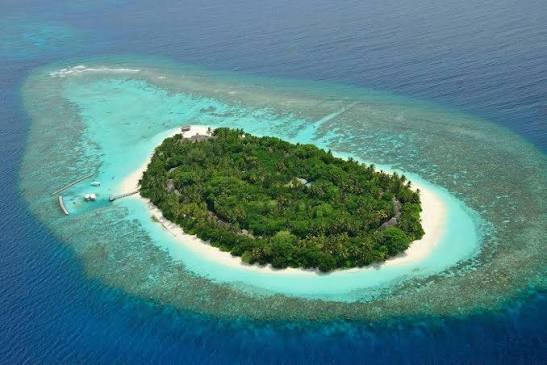
Islands in Maldives for Sale: The Ultimate Guide to Leasehold Acquisitions
Owning a private island is the undisputed pinnacle of global real estate. For decades, the opportunity to acquire islands in Maldives for sale was restricted to a handful of billionaire hospitality tycoons and international hotel chains. However, as we move through July 2026, the market has undergone a historic shift. The Maldivian government’s “Integrated Tourism” initiative and the release of smaller “Boutique Island” tenders have made island ownership accessible to a broader class of high-net-worth investors and private syndicates.
In the 2026 landscape, an island in the Maldives is no longer just a luxury trophy; it is a sophisticated financial vehicle. With the expansion of regional airports and the maturation of the Pearl Residence (Golden Visa) program, the demand for private island leaseholds has never been higher. This guide provides a comprehensive 2026 blueprint for navigating the legal, financial, and logistical complexities of buying an island in the world’s most iconic archipelago.
The 2026 Reality: Leasehold vs. Freehold
The first and most important point for any investor looking at islands in Maldives for sale is the nature of ownership. Under Maldivian law in 2026, all islands are owned by the state. When you “buy” an island, you are actually acquiring a 99-year leasehold interest.
While “leasehold” may sound temporary to some, in the Maldives, these leases are legally robust, transferable, and mortgageable. In 2026, the 99-year lease is the gold standard, providing the stability needed for multi-generational wealth planning. These leases are registered with the Ministry of Tourism, ensuring that your rights as a leaseholder are protected under both Maldivian law and international investment treaties.
Types of Islands Available in July 2026
1. Virgin Islands (New Tenders)
These are undeveloped islands released by the Ministry of Tourism for development. In July 2026, the “Fifth Round” of island tenders has focused on the northern atolls (Haa Alif and Haa Dhaalu). Buying a virgin island is the most cost-effective entry point, but it requires a commitment to build a resort or a private residential estate within a specific timeframe (usually 36 to 48 months).
2. Reclaimed “Satellite” Islands
A new category for 2026 is the reclaimed satellite island. Within the Ras Malé and Hulhumalé ecosystems, several small, man-made islands have been created for private sale. These offer the ultimate “Smart Island” experience, pre-fitted with deep-sea water cooling, fiber-optic connectivity, and proximity to the international airport.
3. “Second-Hand” Resort Islands
Often, established resorts come onto the market when an investment fund reaches the end of its life cycle. Buying a “second-hand” island allows an investor to step into an operational business with immediate cash flow. In 2026, many older 4-star resorts are being sold to investors who plan to renovate them into ultra-luxury 5-star-plus boutique sanctuaries.
The Ministry of Tourism Tender Process in 2026
To acquire one of the islands in Maldives for sale through a government tender, investors must participate in a transparent bidding process. In July 2026, the criteria have shifted to favor “Sustainable Development” over purely financial bids. The process typically involves:
- The Bid Submission: This includes your financial offer for the “Lease Acquisition Cost” (LAC) and your proposed “Development Plan.”
- ESG Scoring: In 2026, 30% of the bid score is based on your Environmental, Social, and Governance (ESG) commitments—such as 100% renewable energy use and local employment quotas.
- The LAC Payment: Once the bid is won, the Lease Acquisition Cost (which can range from $1M for a small boutique island to $20M+ for a large resort island) must be paid to the state.
Logistics: Building and Operating Your Private Island
Acquiring the lease is only the first step. Operating islands in the Maldives requires a sophisticated understanding of “Island Logistics.” In 2026, several advancements have made this easier:
Power and Water
The 2026 standard for private islands is “Off-Grid Autonomy.” This involves a hybrid system of floating solar farms and vertical-axis wind turbines. For water, modular desalination units are now the norm, often powered by the island’s renewable grid, eliminating the need for expensive diesel imports.
Transport and Access
Connectivity is the lifeblood of an island. When looking at islands in Maldives for sale, consider the proximity to the nearest international or domestic airport. In 2026, the rise of electric “Sea Gliders” and more efficient seaplane fleets has reduced the “transfer cost” for remote islands, making even the most distant atolls viable for luxury tourism.
Waste Management
Under the 2026 Clean Atolls Act, every private island must have a state-of-the-art waste-to-energy or recycling system. Discharging waste into the ocean is strictly prohibited and monitored via satellite, making sustainability a core part of the island’s operational budget.
Financial Realities: ROI on Island Investments
Why invest in a private island instead of a traditional property? The answer lies in the unique “Blue Economy” ROI of the Maldives. In July 2026, island investments typically offer three revenue streams:
- Resort Operations: With the Maldives targeting 2.5 million tourists in 2026, a well-managed boutique resort can achieve an EBITDA margin of 25-35%.
- Real Estate Sales: Many investors develop “Integrated Resorts” where they sell individual villas to sub-leaseholders (Strata Title). This allows the master leaseholder to recoup their entire construction cost while retaining ownership of the island.
- Capital Appreciation: As land becomes scarcer, the value of the 99-year lease itself appreciates. In 2026, island leases in the Noonu and Baa atolls have seen a 12% annual valuation increase.
Legal Due Diligence for Island Buyers
When evaluating islands for sale in Maldives, your legal team must conduct an exhaustive audit. In 2026, the “Non-Negotiables” include:
- Environmental Sensitivity Mapping: Verify that the island’s reef system is healthy and that there are no protected “Megafauna” breeding grounds that would prohibit construction.
- Lease Duration Verification: Ensure there are no “Legacy Clauses” from old 25-year or 50-year leases that haven’t been properly converted to the 99-year standard.
- Corporate Residency Status: Most island acquisitions are done through a Maldivian Special Purpose Vehicle (SPV). Ensure your SPV is compliant with the 2026 Wealth Reporting and Foreign Investment laws.
The “Boutique” Trend of 2026
One of the biggest shifts we are seeing this July is the move toward “Ultra-Boutique” islands. These are small islands (under 5 hectares) designed for just one private residence or a 10-key high-end lodge. These islands in Maldives for sale are priced between $3M and $7M, offering a much faster “Path to Paradise” for individuals who don’t want the complexity of a 100-room resort. This “Private Sanctuary” model is currently the most requested asset class at Maldives Investments.
The Impact of the Golden Visa
For the individual investor, the Pearl Residence (Golden Visa) is a significant perk of island ownership. By investing in an island leasehold, the owner and their family are eligible for long-term residency, providing a safe haven and a tax-efficient base in the Indian Ocean. In 2026, this residency is increasingly seen as a vital component of a “Plan B” strategy for global entrepreneurs.
Conclusion: The Ultimate Hedge in a Changing World
Acquiring an island in the Maldives is more than a real estate transaction; it is an investment in the future of the planet’s most beautiful ecosystem. In July 2026, the Maldives has proven that it can balance world-class luxury with world-leading sustainability.
The window of opportunity for “Virgin Island” tenders is beginning to narrow as the most accessible islands are claimed. However, for those with the vision to build, renovate, or simply preserve, islands in Maldives for sale represent the ultimate hedge—a tangible asset that offers privacy, prestige, and a front-row seat to the “Blue Economy” of the future.
Is your portfolio ready for an island? At Maldives Investments, we are the bridge between the Ministry of Tourism and the global investor. Our July 2026 Island Portfolio includes exclusive off-market resort listings and a guide to the upcoming Haa Dhaalu tender cycle. Contact our Island Acquisition Desk for a confidential consultation.