
A Comprehensive Guide to Maldives Real Estate Insights for Foreign Investors
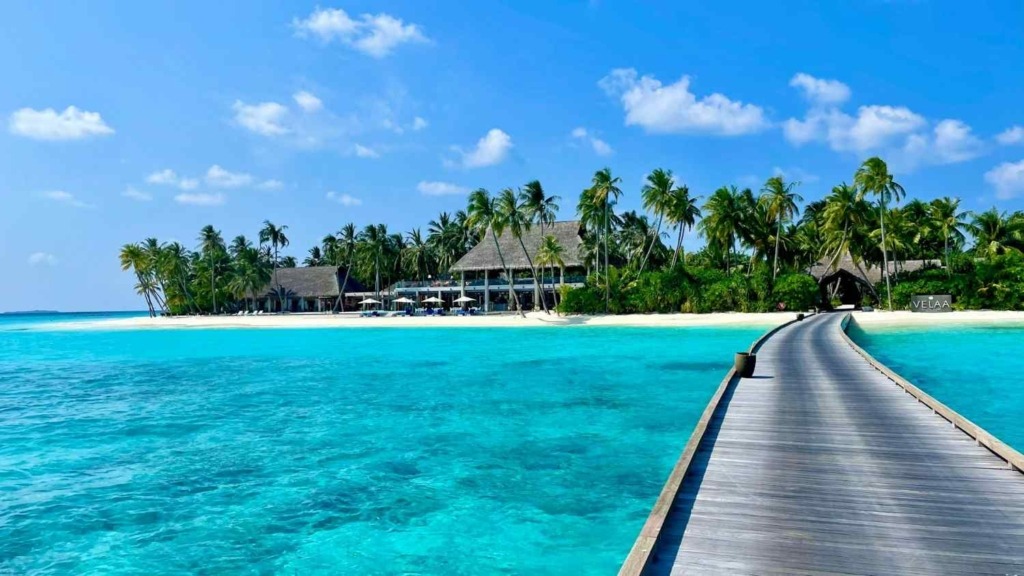
Navigating the Blue Frontier: A Comprehensive Guide to Maldives Real Estate Insights for Foreign Investors
For decades, the Maldives has been synonymous with paradisiacal vacations, turquoise lagoons, and overwater bungalows. However, a new narrative is emerging—one that moves beyond the transient traveler and focuses on the savvy global investor. As the archipelago evolves its economic landscape, the demand for Maldives Real Estate Insights has surged. Investors are no longer just looking for a week of sun; they are looking for a slice of the world’s most exclusive property market.
The Maldivian property market is unique. Unlike traditional continental markets, real estate here is defined by geography, scarcity, and a specific legal framework designed to balance foreign investment with national interest. In this comprehensive guide, we dive deep into the essential Maldives Real Estate Insights you need to navigate this lucrative yet complex environment.
The Evolution of Property Ownership in the Maldives
Historically, land in the Maldives was not a commodity easily accessible to outsiders. However, as the nation’s economy matured and the need for diversified investment grew, the government introduced reforms to attract foreign capital. Understanding the shift from “State-owned” to “Investable” land is the first step in gaining valuable Maldives Real Estate Insights.
Leasehold vs. Freehold: The Critical Distinction
The most important piece of information for any foreign investor is the nature of land tenure. In the Maldives, land is generally granted on a leasehold basis. For luxury resort developments, these leases typically range from 50 to 99 years.
While “Freehold” ownership is extremely rare and usually restricted to specific government-sanctioned mega-projects or reclaimed land with strict conditions, the “Long-Lease” model remains the gold standard. This model provides enough security for a significant Return on Investment (ROI) while allowing the state to maintain ultimate sovereignty over its limited natural resources.
Why Now? Market Drivers and Maldives Real Estate Insights
Why are we seeing a spike in interest in Maldivian property now? Several factors are converging to make this the “Golden Age” of Maldivian investment.
- Tourism Resiliency: Even during global downturns, the Maldives has shown an incredible ability to bounce back, maintaining high occupancy rates in the luxury sector.
- Infrastructure Expansion: The expansion of Velana International Airport and the development of the “Greater Male” area are opening up previously inaccessible atolls.
- Diversification of Assets: High-net-worth individuals are looking for “safe haven” assets that are decoupled from the volatile fluctuations of traditional stock markets.
The Rise of the Strata Title
One of the most exciting Maldives Real Estate Insights in recent years is the introduction of strata-title ownership for luxury villas. This allows individual investors to purchase a specific villa within a larger resort managed by a world-class brand. You own the asset, you receive a share of the rental revenue, and you have a holiday home in the world’s premier destination.
Legal Framework for Foreign Investors
Investing in a foreign country requires a clear understanding of the law. The Maldives has worked hard to streamline this process through the Ministry of Tourism and the Ministry of Economic Development. Key legal Maldives Real Estate Insights include:
1. The Foreign Investment Act
All foreign investments must be registered. The government offers various incentives, including the repatriation of profits and a relatively straightforward tax regime compared to Western nations. However, it is mandatory to have a local legal representative or an investment consultancy to navigate the bureaucratic nuances.
2. Environmental Regulations
The Maldives is one of the most environmentally sensitive nations on Earth. Any real estate project must undergo a rigorous Environmental Impact Assessment (EIA). Investors who prioritize sustainability often find a smoother path to approval, as the government is increasingly favoring “Green Investment.”
Strategic Locations: Where to Invest?
Location is the heartbeat of real estate. When looking for Maldives Real Estate Insights, one must look at the different “Zones” of the archipelago.
The North and South Malé Atolls
These are the traditional powerhouses. Proximity to the international airport makes these islands highly desirable for “short-stay” luxury tourists and business travelers. Property values here are high, but so is the liquidity.
The Baa Atoll (UNESCO Biosphere Reserve)
For investors focused on ultra-luxury and eco-tourism, the Baa Atoll is the crown jewel. It commands the highest nightly rates in the country, translating to exceptional yields for villa owners.
The Frontier Atolls (Haa Alifu and Addu)
For those seeking long-term capital appreciation, the northernmost and southernmost atolls offer lower entry prices. As domestic flight connectivity improves, these “frontier” locations are expected to see the highest percentage growth in land value over the next decade.
Analyzing ROI and Yield Expectations
No discussion of Maldives Real Estate Insights is complete without talking about the numbers. The Maldives operates on a high-margin, low-volume model.
Typical yields for well-managed strata-title villas range between 5% and 9% annually. When you factor in the capital appreciation of the underlying leasehold and the lifestyle benefits (owner stay days), the total internal rate of return (IRR) can be very attractive. Furthermore, the Maldives does not have a traditional “Capital Gains Tax” for foreign individuals in the same way European countries do, though specific transaction taxes apply.
Risk Mitigation in Island Investment
Every investment has risks. In the Maldives, these are primarily environmental and regulatory.
Climate Change and Adaptation
Savvy investors look for properties built on islands with high natural elevations or those utilizing advanced coastal engineering. Modern developments are now incorporating “climate-resilient” designs, which are essential Maldives Real Estate Insights for those looking at a 20- to 30-year horizon.
Political Stability
The Maldives has matured significantly as a democracy. Both major political parties recognize that foreign investment is the lifeblood of the economy, ensuring a level of policy continuity that protects long-term investors.
Step-by-Step Process for Property Acquisition
If you are ready to move from research to action, here is the standard roadmap according to current Maldives Real Estate Insights:
- Identification: Select a project or island that fits your risk profile (Resort Villa vs. Guest House vs. Commercial Lease).
- Due Diligence: Verify the remaining lease term of the mother island and the developer’s track record.
- Investment Approval: Submit your proposal to the Ministry of Economic Development.
- The Purchase Agreement: Sign the Sale and Purchase Agreement (SPA), which usually involves a deposit held in escrow.
- Registration: The title or sub-lease is registered with the relevant authorities to ensure your legal protection.
The Future of Maldivian Real Estate
As we look toward 2030, the Maldives is diversifying. We are seeing the rise of “Integrated Tourism” projects—large-scale developments that include residential, commercial, and leisure facilities on a single reclaimed landmass. This moves away from the “One Island, One Resort” isolation and toward a more vibrant, community-based real estate model.
These integrated projects provide a new layer of Maldives Real Estate Insights, suggesting that the market is becoming more accessible to mid-tier investors, not just the ultra-wealthy. With the introduction of the “Golden Visa” program for significant investors, the government is signaling a long-term commitment to those who choose to invest in the nation’s soil—and sand.
Seizing the Opportunity
The Maldives is no longer just a destination for the heart; it is a destination for the head. By understanding the Maldives Real Estate Insights regarding leasehold structures, strategic locations, and the shift toward strata-titles, investors can unlock a level of prestige and profit that few other markets can match.
Whether it is a beachfront villa in a UNESCO reserve or a commercial stake in a burgeoning integrated resort, the blue frontier of the Maldives offers a unique confluence of luxury, stability, and growth. The key is to act with informed precision, leveraging local expertise to navigate the tides of this extraordinary market.