Greater Malé Connectivity Projects: Bridges, Housing, and Urban Expansion Opportunities
The Greater Malé Region — encompassing Malé, Hulhumalé, Hulhulé, and surrounding islands — is undergoing one of the most significant urban transformations in the Maldives’ history. With foreign-funded infrastructure projects, large-scale housing developments, and new transport links, this area is rapidly evolving into the country’s primary economic and residential hub.
As land scarcity and population density in the capital reach critical levels, expansion into nearby reclaimed islands and connected communities has become essential. For investors, developers, and businesses, these projects present some of the most accessible opportunities in the Maldivian market, particularly in real estate and urban services.
Why the Greater Malé Region Is Expanding
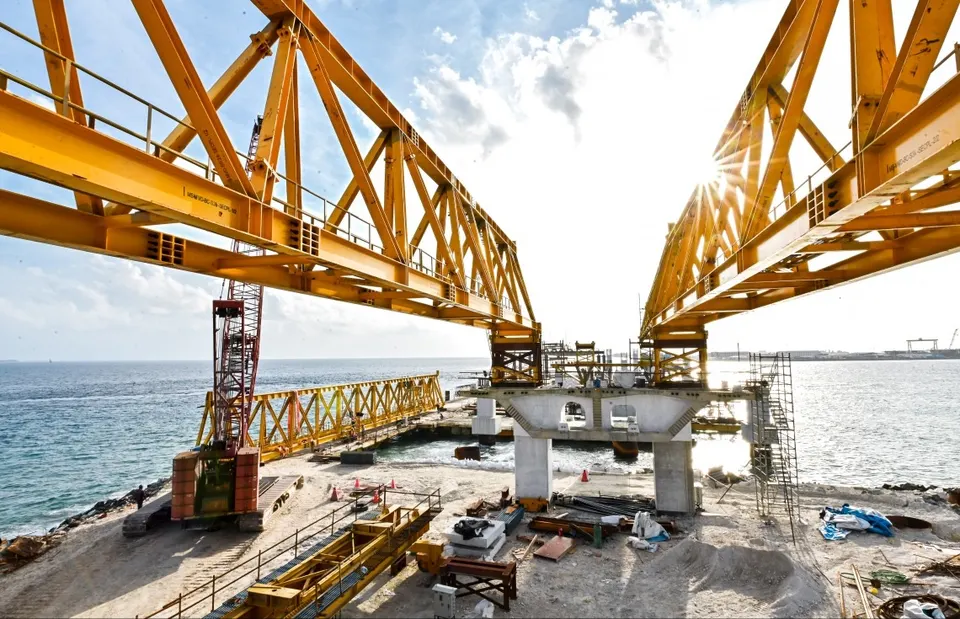
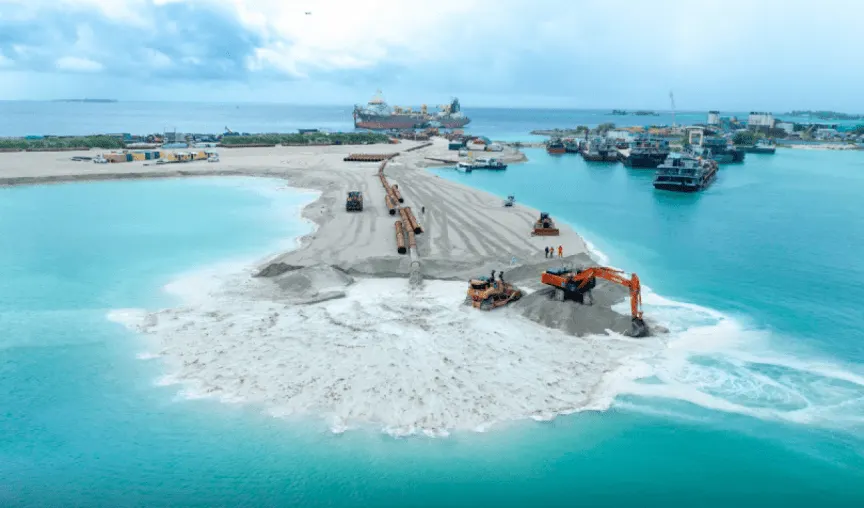
Malé is one of the most densely populated cities in the world, with limited space for further growth. Rising demand for housing, commercial facilities, and public services has driven the government to pursue land reclamation and connectivity projects to create new urban areas.
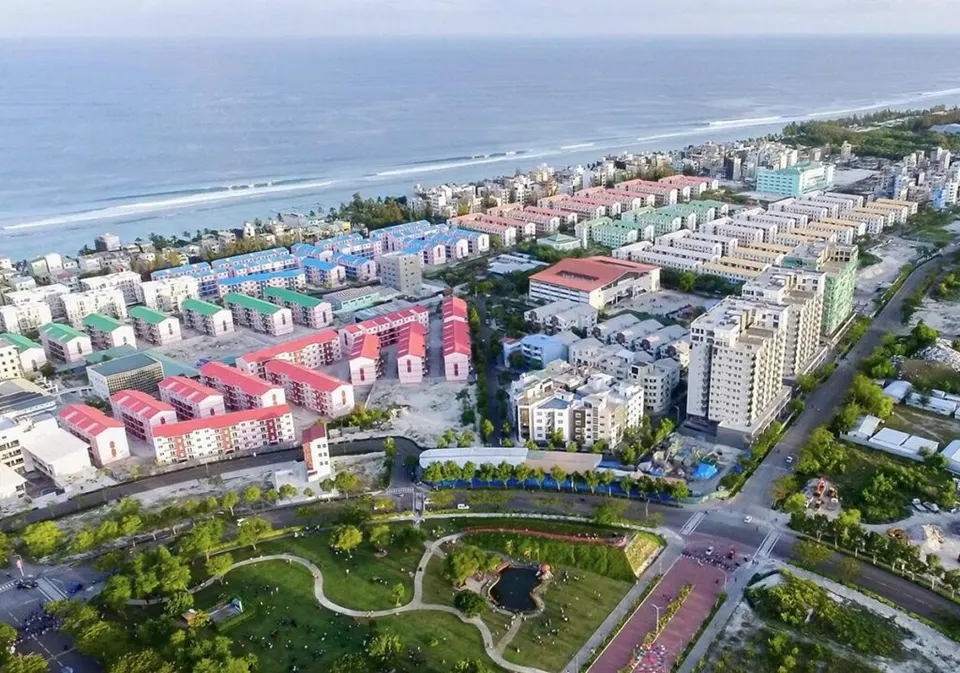
Hulhumalé, a reclaimed island developed in phases, has emerged as the centerpiece of this expansion strategy. Combined with improved transport links, it offers a planned alternative to the congestion of the capital while maintaining proximity to key institutions and employment centers.
- Severe land scarcity in Malé
- Rapid population growth
- Need for modern housing solutions
- Urban planning and sustainability goals
- Economic diversification and development
Bridge Projects Connecting Key Islands
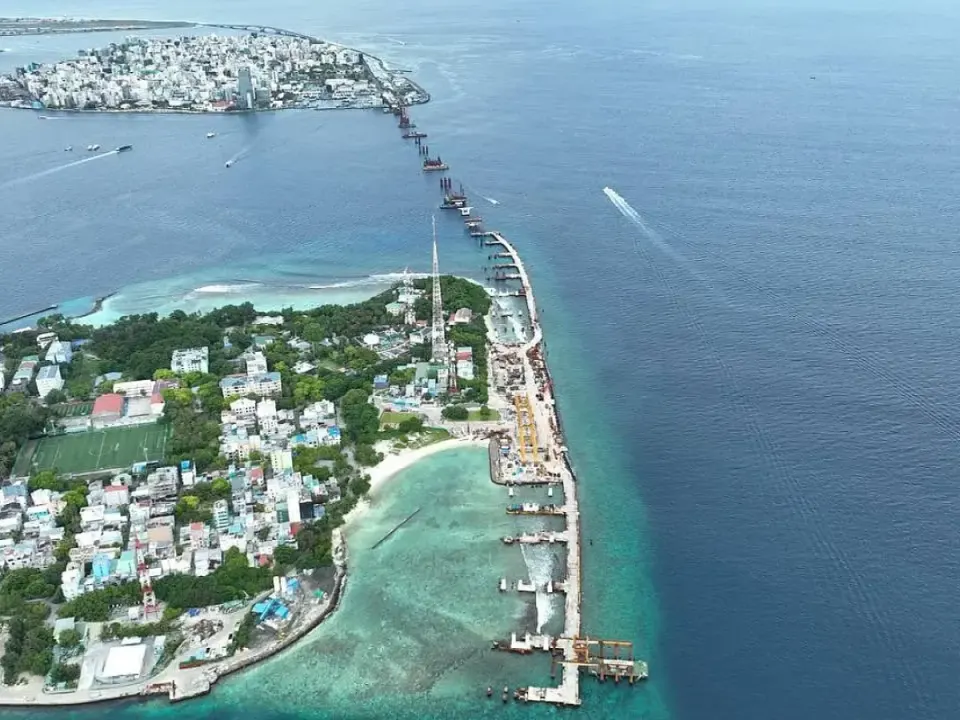
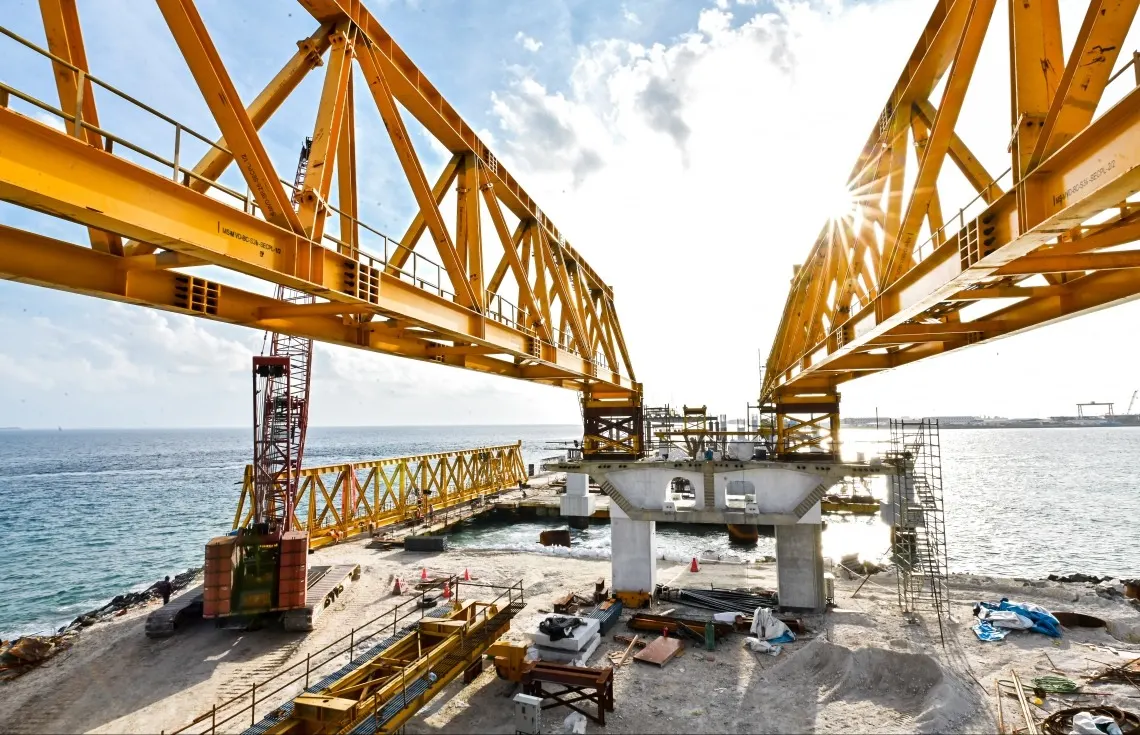
One of the most transformative developments in the region is the construction of large bridges linking previously separate islands. These structures allow seamless road transport between communities that once relied solely on ferries or boats.
Improved connectivity reduces travel time, supports emergency services, and facilitates commerce. Businesses can operate more efficiently, while residents gain easier access to jobs, schools, healthcare, and entertainment.
Bridge infrastructure also increases land value in connected areas, as accessibility is a major factor in property demand.
Hulhumalé Phase II and Planned Urban Development
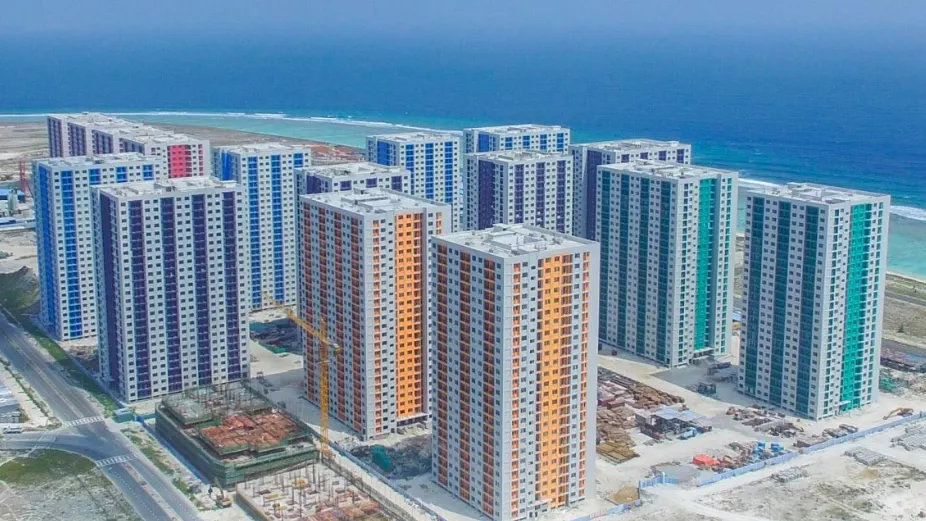
Hulhumalé Phase II represents the next stage of the island’s development, focusing on high-density residential areas, commercial zones, parks, and public facilities. Designed as a modern city, it incorporates wider roads, organized zoning, and improved utilities compared to older parts of the capital.
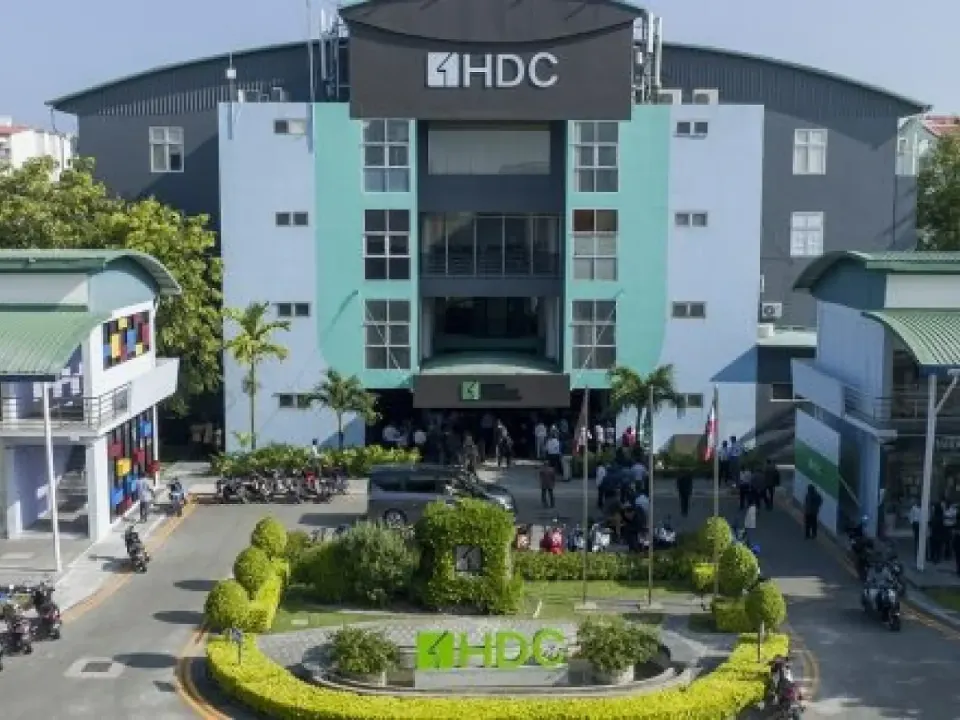
Housing projects include a mix of government-sponsored units and privately developed apartments, catering to different income levels. As more people relocate from Malé, demand for services such as retail, dining, education, and healthcare continues to grow.
For investors, this creates opportunities in both property ownership and business ventures targeting the expanding population.
Residential Real Estate Opportunities
Housing shortages in the capital region have driven strong demand for apartments and family homes in newly developed areas. Hulhumalé, in particular, has become one of the most sought-after locations due to its planned layout and improved living conditions.
Investment options include:
- Apartment developments
- Rental housing for expatriates and professionals
- Mixed-use residential and commercial buildings
- Serviced apartments for short-term stays
- Affordable housing projects
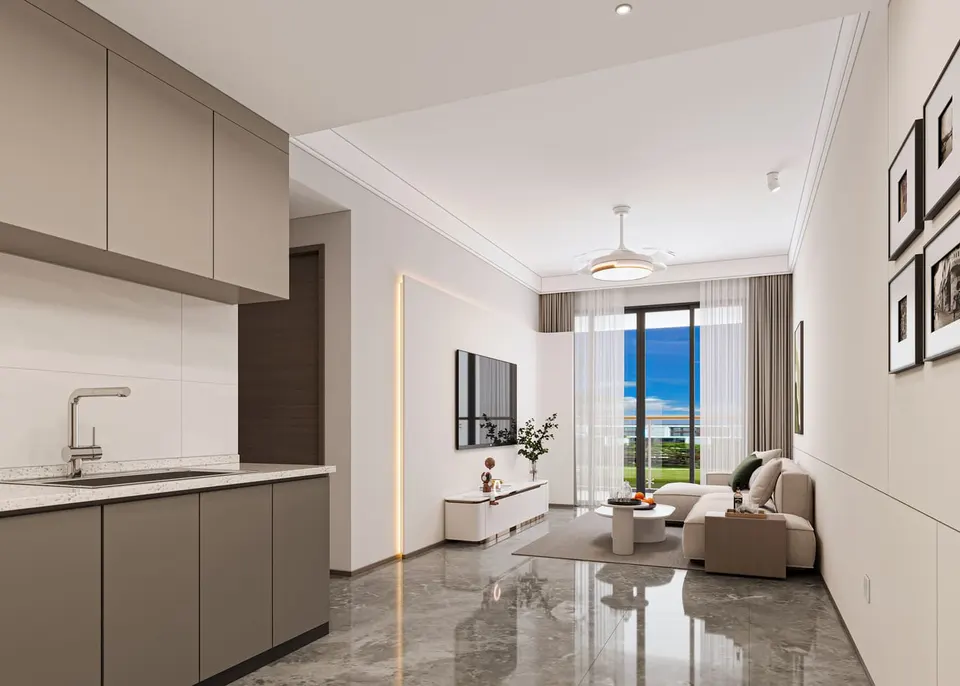
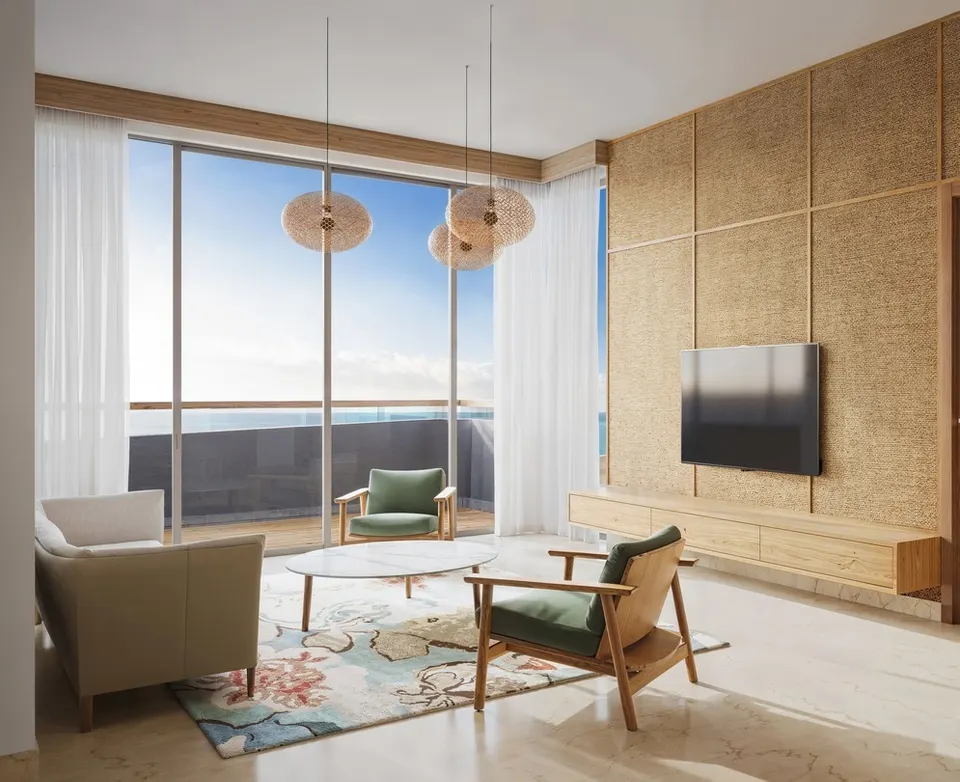
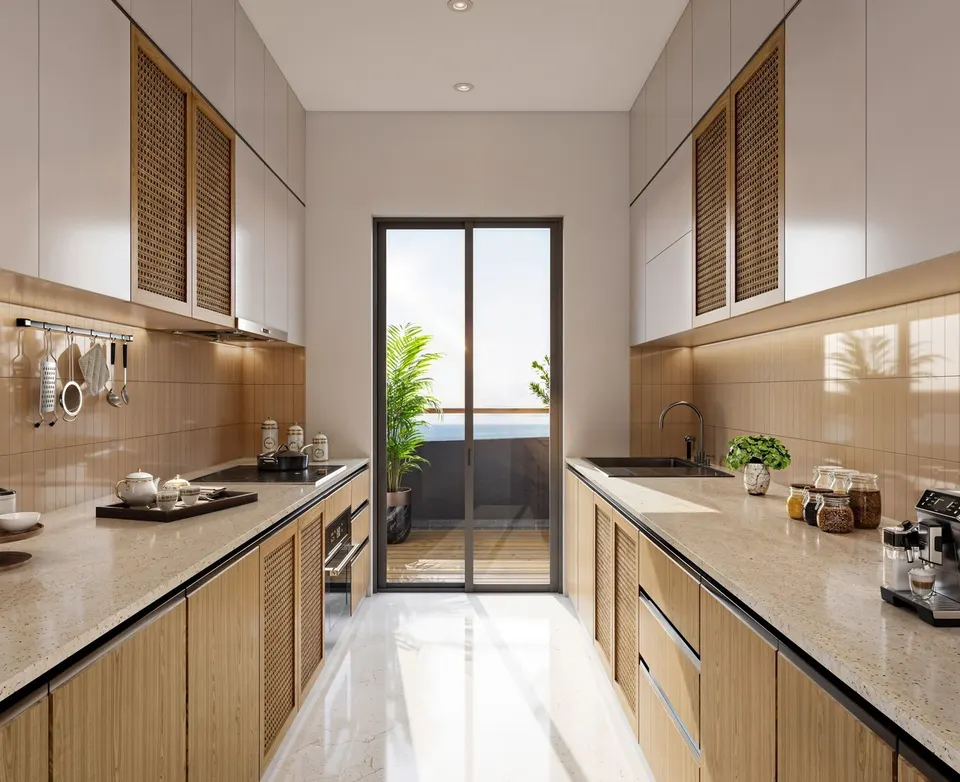
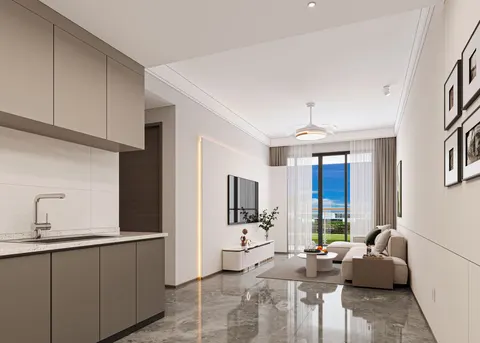 For sale nowFrom MVR 3.6M1+1 Bedroom Apartments at Bayfancy · Hulhumalé
Rental yields can be attractive, especially for properties located near transport hubs, schools, and commercial centers.
Commercial and Business Potential
Urban expansion brings increased demand for office space, retail outlets, entertainment venues, and professional services. Entrepreneurs may find opportunities in sectors such as food and beverage, education, healthcare, logistics, and technology.
As the population grows, so does the need for everyday services, creating a stable customer base for businesses. Modern infrastructure also makes it easier for companies to operate efficiently compared to older districts.
Commercial real estate developments, including shopping complexes and business parks, are likely to become more prominent in the coming years.
Transport and Mobility Improvements
In addition to bridges, transport initiatives include upgraded roads, public transit options, and ferry networks connecting outer islands. Efficient mobility is essential for maintaining economic productivity in a rapidly expanding urban region.
Reduced travel times encourage labor mobility, allowing people to live farther from their workplaces without sacrificing convenience. This flexibility supports balanced development across multiple islands rather than concentrating activity in a single area.
Infrastructure and Public Services
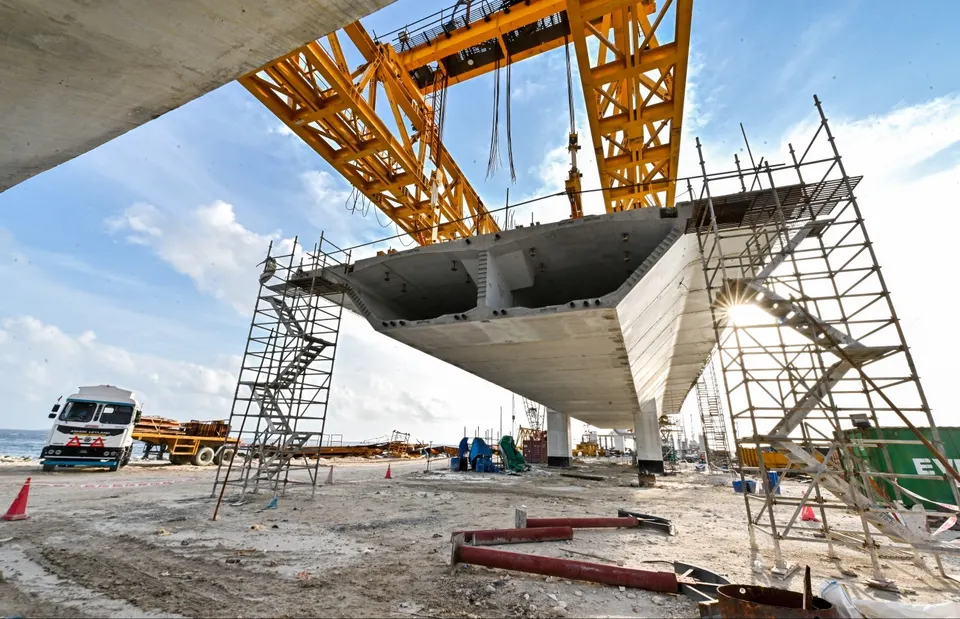
New urban areas require extensive infrastructure, including water supply, sewage treatment, electricity distribution, and telecommunications networks. Foreign partnerships often play a role in financing and constructing these systems.
Public services such as schools, hospitals, and recreational facilities are also being expanded to support the growing population. High-quality amenities enhance livability and attract long-term residents, further boosting property demand.
Environmental and Sustainability Considerations
Land reclamation and urban construction must be carefully managed to minimize environmental impact. Coastal protection measures, green spaces, and sustainable building practices are increasingly incorporated into planning processes.
Hulhumalé, for example, was designed with climate resilience in mind, featuring elevated land levels and stormwater management systems. Such measures are crucial for ensuring long-term viability in a region vulnerable to sea-level rise.
Foreign Investment and Development Partnerships
Many large-scale projects in the Greater Malé Region involve international contractors, financiers, and development agencies. These partnerships provide technical expertise and funding that may not be available domestically.
Foreign participation also introduces global construction standards and innovative urban planning approaches. Successful collaboration can attract further investment by demonstrating the country’s ability to manage complex developments.
Challenges Facing Urban Expansion
Rapid growth presents challenges as well as opportunities. Infrastructure must keep pace with population increases, and careful planning is required to avoid congestion, pollution, and social disparities.
Construction costs, regulatory processes, and limited land availability can also affect project timelines and profitability. Investors should conduct thorough due diligence before committing to large-scale developments.
Future Outlook for Greater Malé
The Greater Malé Region is expected to remain the economic heart of the Maldives for the foreseeable future. Continued investment in connectivity and housing will likely attract more residents, businesses, and international attention.
Emerging trends include smart city technologies, sustainable transport solutions, and integrated mixed-use developments. As the region matures, property values may appreciate significantly, rewarding early investors.
Conclusion
Connectivity projects and urban expansion in Greater Malé are transforming the way people live and work in the Maldives. By linking islands, creating new housing, and improving infrastructure, these developments address critical challenges while opening new avenues for growth.
For investors seeking relatively accessible entry points into the Maldivian market, real estate and business opportunities in this region are among the most promising. As construction progresses and communities take shape, the Greater Malé area is poised to become a modern metropolitan center in the Indian Ocean.
Understanding these trends can help individuals and organizations position themselves to benefit from one of the country’s most important development initiatives.