
How to Buy Property in the Maldives with Bitcoin or USDT
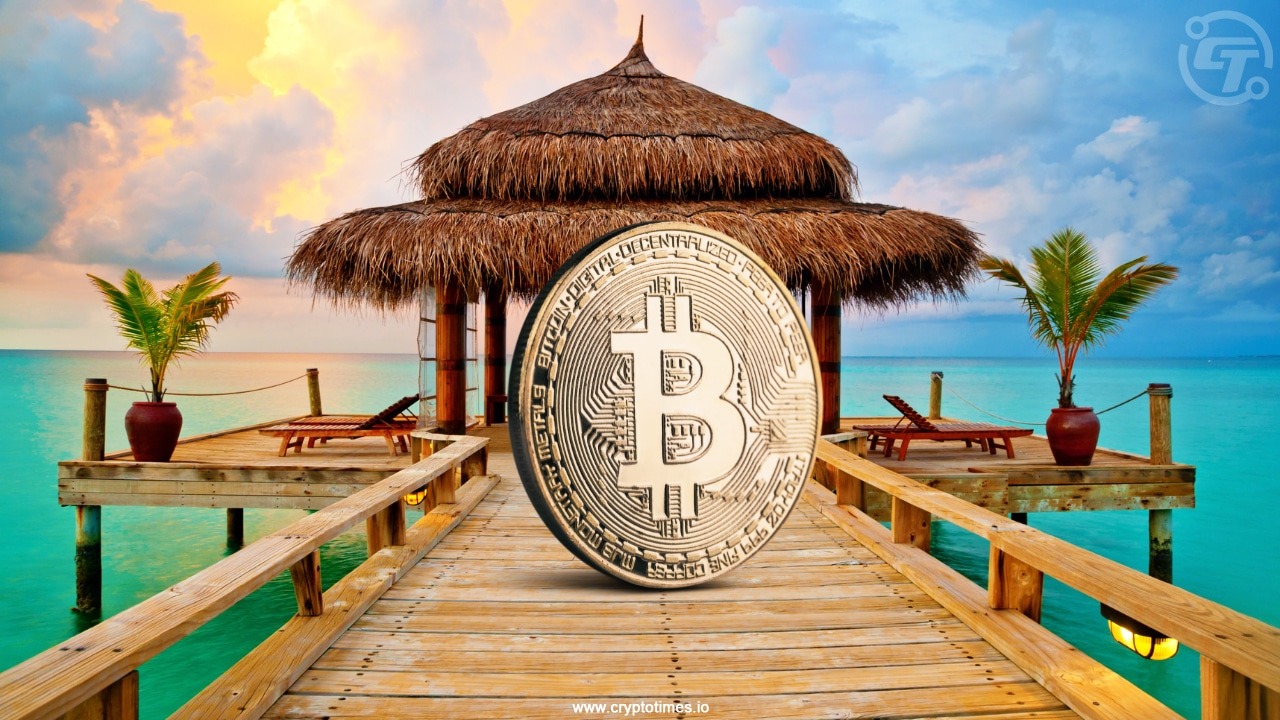
How to Buy Property in the Maldives with Bitcoin or USDT: The 2026 Legal Framework
As we navigate the financial landscape of 2026, the boundary between digital wealth and physical assets has almost entirely dissolved. For the global “crypto-native” generation, diversifying portfolios into stable, high-appreciating real estate is no longer just a strategy—it is a necessity. The question most frequently hitting our desks today is: “Can I buy property in the Maldives with Bitcoin?”
The answer is a resounding yes, but the “how” is governed by a sophisticated legal and financial framework that has matured significantly over the last two years. Whether you are looking to deploy Bitcoin (BTC), Ethereum (ETH), or stablecoins like USDT and USDC, this 1,400-word guide breaks down the process of acquiring your slice of paradise using digital assets.
The 2026 Pivot: Why the Maldives is Embracing “Crypto-Real Estate”
The Maldives has always been a forward-thinking nation when it comes to attracting foreign capital. Following the 2025 updates to the Foreign Direct Investment (FDI) Act and the introduction of the Maldives Virtual Assets Act, the government has created a regulated environment where blockchain-based transactions can interface with the traditional property registry.
The drive toward “Blue Tech” has seen projects like Ras Malé and Hulhumalé Phase II market themselves specifically to tech entrepreneurs. With the launch of the Trump Maldives RWA (Real World Asset) Tokenization Project, the precedent has been set: digital currency is now a valid medium for high-end Maldivian real estate acquisition. For investors, this means the ability to move wealth from a volatile digital environment into a tangible, yielding asset without the traditional friction of cross-border banking delays.
The Legal Mechanics: Is Crypto a Legal Tender in the Maldives?
It is important to make a legal distinction: While the Maldivian Rufiyaa (MVR) remains the only official legal tender for government taxes and local services, the 2026 regulations allow for “Private Contractual Settlement” in digital assets.
This means that as long as both the buyer and the developer (or seller) agree on the valuation and the medium of exchange, a transaction can be settled in cryptocurrency. However, for the property title to be legally transferred at the Maldives Land and Survey Authority, the transaction must be “on-ramped” or converted through an authorized financial intermediary to satisfy national Anti-Money Laundering (AML) requirements. This ensures that the deed reflects a fiat value while the actual value transfer happens on the blockchain.
Step-by-Step: The Process to Buy Property in the Maldives with Bitcoin
The process of using crypto to buy a villa or an apartment is more streamlined than many investors realize. Here is the 2026 standard operating procedure followed by major developers and luxury agencies:
1. Selection and Reservation
Once you identify a property—such as a luxury apartment in the Blue Lagoon Residences—you sign a reservation agreement. Most developers now accept a reservation fee (usually 5-10%) directly in USDT or BTC to take the property off the market instantly. This is often the most appreciated feature by crypto investors, as it bypasses the 3-5 day SWIFT transfer wait time.
2. The KYC and AML Protocol
To comply with the 2026 Financial Intelligence Unit (FIU) guidelines, you must provide a “Proof of Wealth” report. For crypto investors, this involves showing a clear on-chain history of your funds. Authorized Maldivian law firms now utilize tools like Chainalysis to verify that your digital assets were acquired through legitimate trading, mining, or early investment. This step is non-negotiable but usually takes less than 48 hours.
3. The OTC (Over-The-Counter) Escrow
Because the Land Registry requires a fiat-denominated value for the deed, most transactions utilize an OTC Escrow Desk. You transfer your BTC or USDT to a regulated escrow wallet. The desk then locks in a conversion rate (preventing volatility risk) and releases the equivalent value in USD or MVR to the developer upon the successful signing of the Sales and Purchase Agreement (SPA). This “atomic” style of closing protects both the buyer and the seller.
4. Title Registration and Residency
Once the funds are cleared, the developer issues a receipt of payment. This document is submitted to the government to register your 99-year leasehold. Crucially, if your investment meets the threshold (typically $1 million+), you can immediately apply for the Pearl Residence (Golden Visa), using the blockchain transaction ID as part of your proof of investment.
Stablecoins vs. Volatile Assets: Which Should You Use?
In 2026, we see a clear divide in how investors use crypto for real estate:
- USDT/USDC (Stablecoins): Preferred for the final purchase price. Because real estate is a slow-moving asset, using a stablecoin prevents “slippage”—the risk that your Bitcoin drops 10% in value between the time you sign the contract and the time you close the deal.
- Bitcoin (BTC): Increasingly used as collateral. Some Maldivian financial institutions now offer Crypto-Collateralized Loans, allowing you to keep your Bitcoin while borrowing USD to buy the property. This is a favorite strategy for long-term “HODLers” who don’t want to trigger a taxable capital gains event in their home country.
The Rise of Real World Asset (RWA) Tokenization
We cannot talk about crypto in the Maldives without mentioning Tokenization. In 2026, you no longer have to buy an entire $5 million villa to enter the market. Projects like the Trump International Hotel & Resort Maldives allow for fractional ownership through Security Tokens.
Each token represents a percentage of the property’s square footage and entitles the holder to a portion of the rental yield, paid out monthly in stablecoins. This has opened the Maldives market to a much broader demographic of investors who wish to “Buy property in Maldives with Bitcoin” at a fractional level, enjoying the 8-12% annual yields common in the luxury resort sector.
Tax Implications for Crypto-Buyers in 2026
The Maldives remains a highly attractive “low-tax” jurisdiction for digital nomads and crypto-HNWIs. There is currently no Capital Gains Tax on the appreciation of property for foreign individuals. However, the transaction itself might be taxable elsewhere.
For US, UK, or EU citizens, swapping Bitcoin for real estate is generally considered a “disposal.” However, by acquiring property through a Maldives-registered Special Purpose Vehicle (SPV), some investors are able to defer these liabilities. We always recommend consulting with a cross-border tax specialist who understands the 2026 OECD “Crypto-Asset Reporting Framework” (CARF) before finalizing your purchase.
Why Invest Crypto in the Maldives Instead of Dubai or Bali?
While Dubai was an early mover in crypto-real estate, the market there has become saturated. The Maldives offers something Dubai cannot: Absolute Scarcity. With a strictly controlled development quota, the “Supply vs. Demand” curve in the Maldives is significantly more favorable for long-term capital appreciation.
Furthermore, the Maldives offers a level of privacy and “off-grid luxury” that appeals to the core ethos of the crypto community. The ability to secure a Corporate Resident Visa through a crypto-settled investment provides a physical “plan B” in a neutral, stable, and incredibly beautiful environment.
Risks and How to Mitigate Them
While the ability to buy property in Maldives with Bitcoin is a massive leap forward, it is not without risks. To ensure a secure transaction, follow these three rules:
- Only Work with Authorized Developers: Ensure the project is registered with the Ministry of Economic Development and has a valid “Escrow Account” for the specific project.
- Avoid “P2P” Transfers: Never send crypto directly to an individual’s personal wallet. Always use a regulated escrow service or a law firm’s client account that is licensed to handle virtual assets.
- Verify the Smart Contract: If you are buying a tokenized property or an RWA, have the smart contract audited by a third-party cybersecurity firm. Ensure that the “Legal Wrap” (the contract connecting the token to the land deed) is airtight.
Conclusion: The Future of the “Blue Economy” is Digital
The integration of cryptocurrency into the Maldives property market is not a fad; it is the cornerstone of the nation’s future economy. As more high-net-worth individuals seek to move their wealth on-chain, the Maldives stands ready with the legal infrastructure, the luxury inventory, and the tech-savvy partners to make it happen.
If you are looking to buy property in the Maldives with Bitcoin, you are joining a growing community of elite investors who recognize that the world’s most beautiful islands are now just a transaction hash away. The 2026 market is moving fast—don’t let the legacy banking system hold your portfolio back.