Integrated Tourism Zones and Mega Island Projects in the Maldives
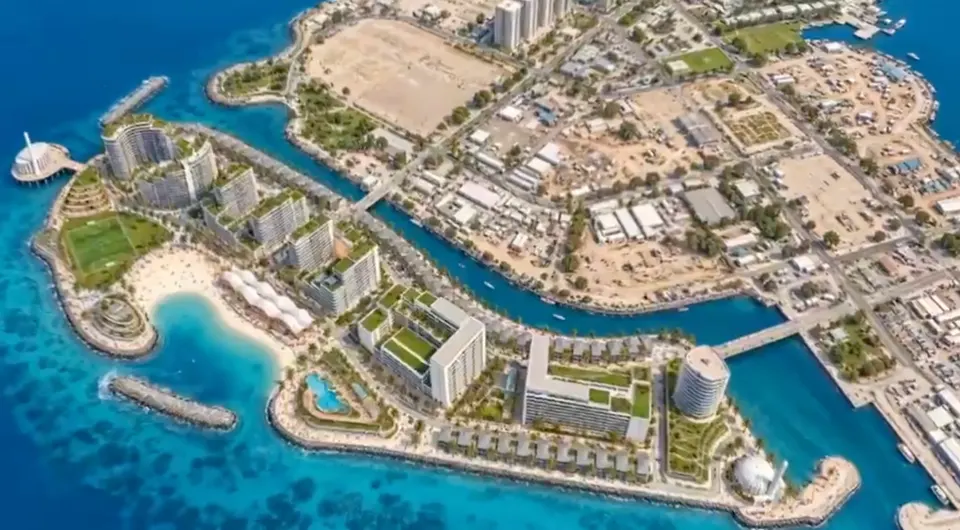
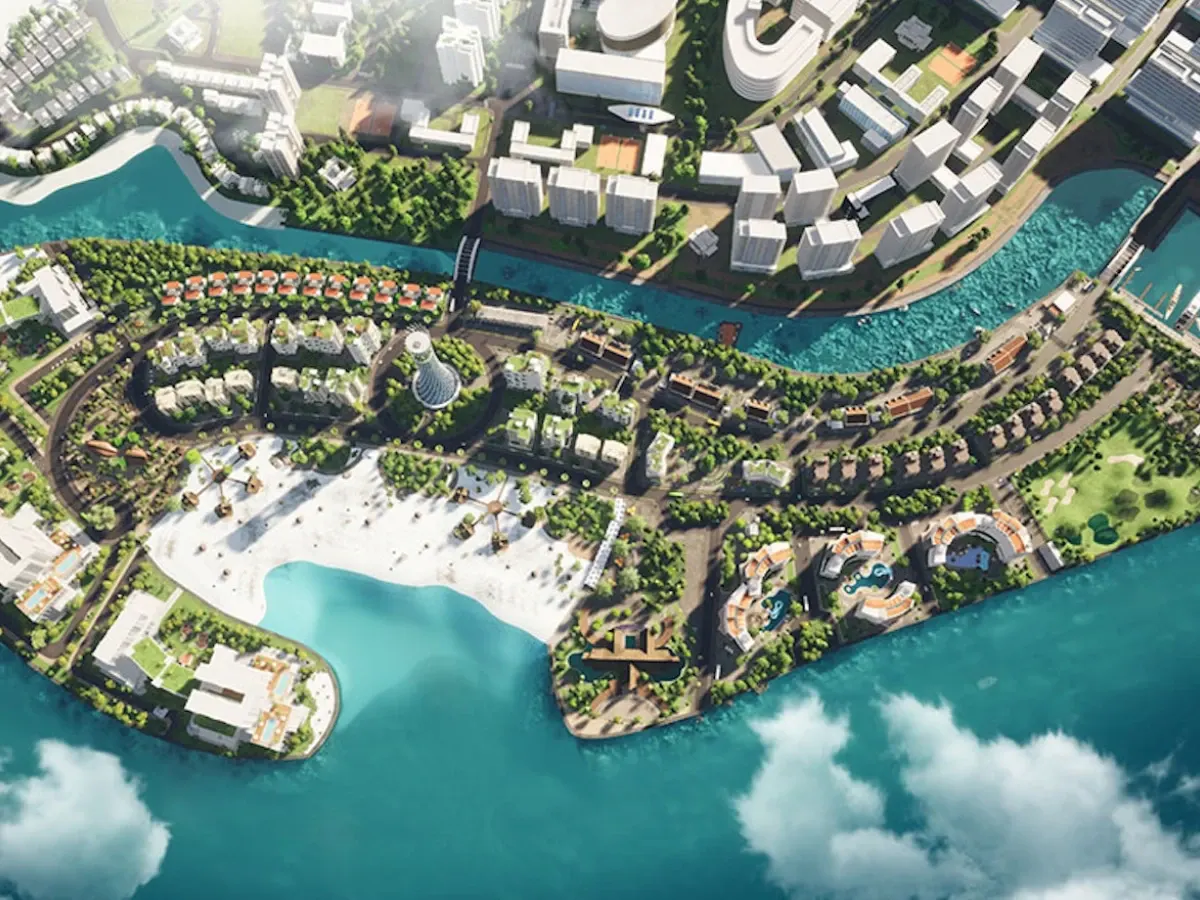
The Maldives is entering a new phase of tourism development characterized by large-scale integrated projects that span multiple islands. Unlike traditional single-island resorts focused solely on relaxation, these mega developments combine hospitality, entertainment, retail, marinas, residential components, and cultural attractions into unified destinations. Backed largely by foreign investment, such projects aim to broaden the country’s appeal while significantly increasing economic output.
These integrated tourism zones represent one of the most ambitious transformations in the Maldivian economy. By offering diverse experiences in one location, they target a wider range of visitors — from luxury travelers and yacht owners to families and business groups.
From Secluded Resorts to Destination Complexes
Historically, the Maldives built its tourism model around privacy and exclusivity. While this approach remains successful, global travel trends are evolving. Many visitors now seek a balance between tranquility and activity, preferring destinations where relaxation, entertainment, shopping, and cultural experiences are easily accessible.
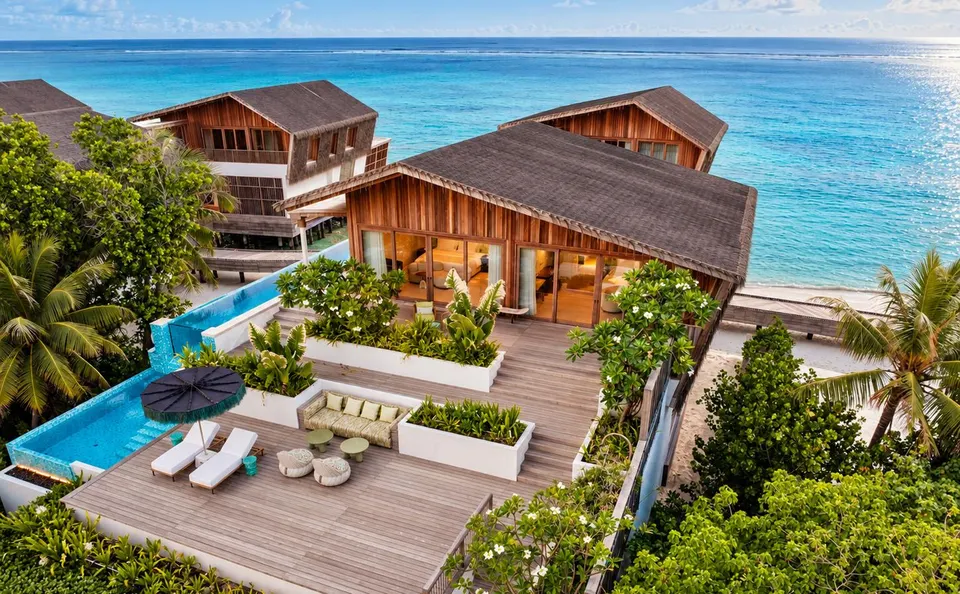
Integrated projects respond to this demand by creating self-contained environments that function almost like small cities. Guests can move between multiple hotels, restaurants, beaches, and attractions without leaving the development.
- Multiple accommodation options
- Dining and retail districts
- Entertainment venues
- Conference and event facilities
- Residential and vacation ownership units
Superyacht Marinas and Marine Tourism
One of the defining features of many mega island projects is the inclusion of full-service marinas designed to accommodate luxury yachts. Marine tourism is a rapidly growing segment, attracting high-net-worth individuals who travel by sea rather than air.
Modern marinas provide docking facilities, maintenance services, fueling stations, and access to upscale amenities. They also support businesses such as charter operations, diving excursions, and waterfront dining.
For the Maldives, expanding into yacht tourism diversifies the visitor base and increases spending per guest. Investors benefit from multiple revenue streams associated with marina operations and related services.
Mixed-Use Real Estate Components
Integrated tourism zones often include residential properties that can be sold to private buyers. These may range from beachfront villas to waterfront apartments and serviced residences. Owners can use the properties personally or place them in rental programs managed by the development.
This model reduces financial risk for developers by generating capital during construction while ensuring ongoing income through hospitality operations. For buyers, it offers a unique opportunity to own property in a globally renowned destination.
Mixed-use developments also encourage long-term stays, transforming short visits into extended vacations or seasonal living arrangements.
Entertainment, Culture, and Lifestyle Attractions
To compete with international resort destinations, mega projects are incorporating diverse attractions beyond beaches and water sports. These may include cultural centers, theme parks, performance venues, art installations, and wellness complexes.
Such features appeal to a broader demographic, including families and repeat visitors seeking new experiences. Events and festivals hosted within these developments can further boost tourism during off-peak seasons.
Lifestyle amenities such as luxury spas, golf facilities, and gourmet dining establishments enhance the overall value proposition.
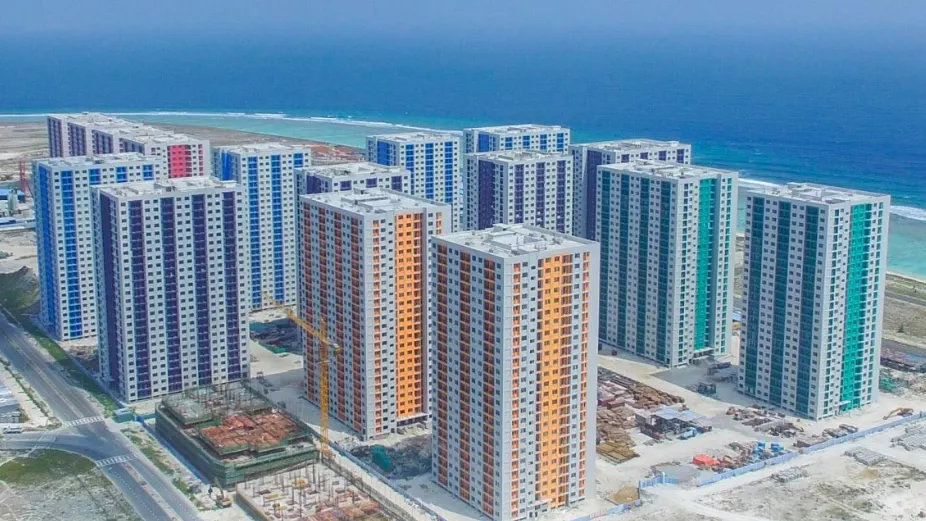
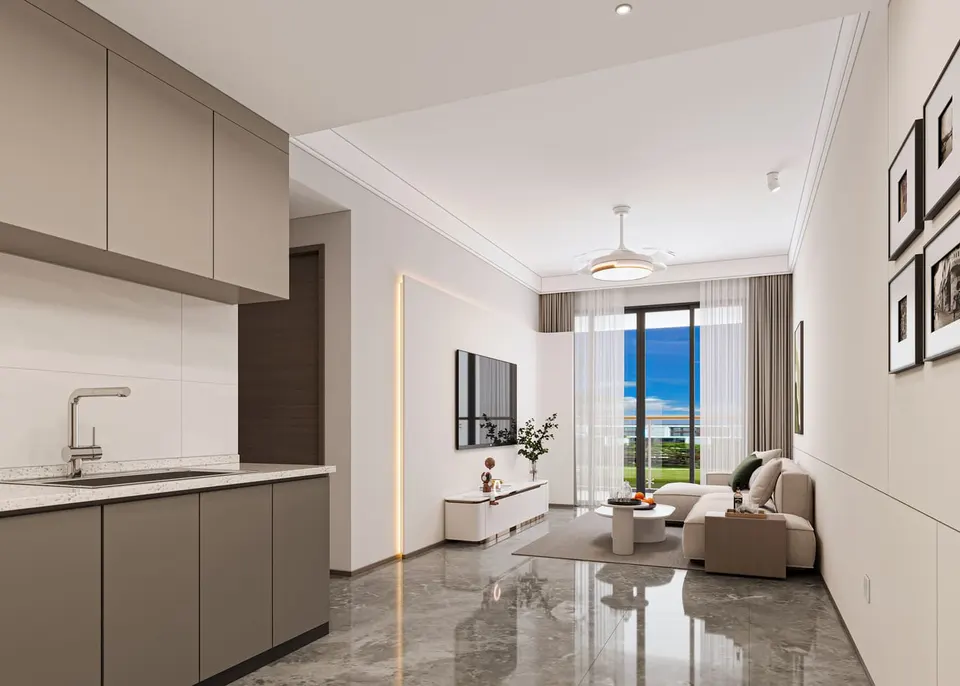
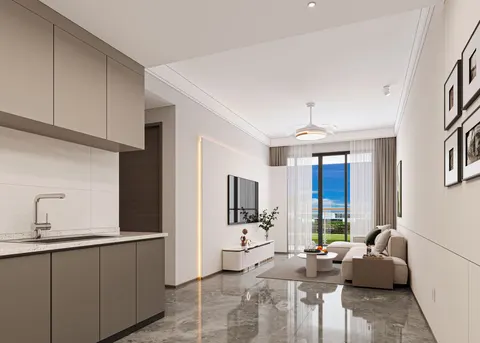 For sale nowFrom MVR 3.6M1+1 Bedroom Apartments at Bayfancy · Hulhumalé
Infrastructure Requirements and Investment Scale
Developing multi-island complexes requires extensive infrastructure, often comparable to building an entirely new town. Projects must include power generation, water supply, waste management, transportation systems, and staff accommodation.
Transport between islands within the zone may involve bridges, ferries, or electric boats. Air access via seaplanes or nearby airports is also critical for international visitors.
The scale of investment typically reaches billions of dollars, making foreign financing and expertise essential. Construction timelines can span several years, with phased openings to generate early revenue.
Economic Benefits for the Maldives
Mega tourism projects contribute significantly to national income through taxes, lease payments, and employment. They also stimulate local supply chains, including agriculture, fisheries, construction materials, and service industries.
Large developments can transform remote regions by improving connectivity and infrastructure, benefiting surrounding communities. Training programs associated with these projects help build local skills in hospitality, engineering, and management.
The multiplier effect extends far beyond the tourism sector, influencing transportation, retail, education, and healthcare services.
Foreign Investment and Global Partnerships
International developers, hotel operators, and financial institutions play a central role in these projects. Partnerships bring not only capital but also brand recognition, marketing networks, and operational expertise.
Collaboration with well-known hospitality groups can attract affluent travelers and secure financing from global markets. Foreign participation also introduces advanced technologies and construction methods.
Environmental and Sustainability Considerations
Given the Maldives’ fragile ecosystem, large developments must adhere to strict environmental standards. Marine conservation, coral protection, and responsible waste management are essential components of project planning.
Many integrated resorts incorporate renewable energy systems, eco-friendly building materials, and sustainable water management solutions. Balancing development with environmental preservation is crucial for maintaining the country’s tourism appeal.
Risks and Challenges
Despite strong potential, mega projects carry substantial risks. High capital requirements, long construction timelines, and dependence on global travel trends can affect financial performance. Regulatory approvals and environmental assessments may also delay progress.
Operational complexity increases as projects grow in size, requiring sophisticated management structures. External factors such as economic downturns or geopolitical tensions can influence visitor numbers.
Investors must carefully evaluate feasibility studies and market projections before committing resources.
Future Outlook for Integrated Tourism
As competition among luxury destinations intensifies, integrated tourism zones may become a key differentiator for the Maldives. By offering diverse experiences within a single location, these developments can attract new market segments while retaining traditional high-end travelers.
Technological innovations, including smart infrastructure and digital services, are likely to enhance operational efficiency and guest experience. Sustainable practices will remain central to long-term success.
If executed effectively, mega island projects could redefine the Maldives as not only a honeymoon paradise but also a comprehensive luxury destination for all types of travelers.
Conclusion
Integrated tourism zones and multi-island mega projects represent a bold evolution in the Maldives’ development strategy. Funded largely by foreign investors, these complexes combine hospitality, real estate, entertainment, and marine tourism into powerful economic engines.
For investors, the opportunities span construction, property ownership, hospitality management, and supporting industries. While challenges exist, the potential rewards are substantial, particularly as global demand for premium travel experiences continues to grow.
As these ambitious projects move from planning to reality, they are poised to play a central role in shaping the future of tourism and investment in the Maldives.