
Maldives Houses for Sale: The Ultimate 2026 Buyer’s Guide
Maldives Houses for Sale: The Ultimate 2026 Buyer’s Guide
As we enter the third quarter of 2026, the Maldivian real estate landscape has reached a historic tipping point. What was once a market exclusively reserved for ultra-luxury resort moguls has transformed into a sophisticated, multi-tiered residential ecosystem. For the global investor asking if houses to buy in Maldives are still a viable asset class, the answer lies in the unprecedented infrastructure completion we are witnessing this year.
From the bustling urban expansion of Hulhumalé Phase 2 to the eco-centric promise of Ras Malé, the opportunities for property for sale in Maldives have never been more diverse. This guide provides a deep dive into the legal, financial, and geographical realities of the 2026 market, ensuring your investment is backed by data and validated by current Maldivian law.
The 2026 Market Context: Why Now?
Two years ago, the “Greater Malé” vision was a series of blueprints. Today, in July 2026, the completion of the Thilamalé Bridge segments has fundamentally altered property valuations. We are no longer looking at isolated islands; we are looking at a connected maritime metropolis. This connectivity has triggered a 12-15% year-on-year increase in residential values in the surrounding atolls.
Furthermore, the Maldives Golden Visa (Pearl Residence) program has matured. With the government now streamlining residency for those investing in the $500,000+ bracket, Maldives houses for sale are not just lifestyle purchases—they are gateways to long-term regional stability.
Types of Property for Sale in Maldives
Before searching for houses to buy in Maldives, it is crucial to understand the three distinct categories of ownership available to foreign and local investors in 2026.
1. Urban Apartments and Penthouses (Hulhumalé & Malé)
Hulhumalé remains the heartbeat of the residential market. With the recent launch of several luxury towers by developers like AMZ and Tata Housing, the focus has shifted toward high-end 3-bedroom apartments and duplexes. These properties offer the highest liquidity and are the primary choice for those seeking immediate rental yields through the growing expat professional population.
2. Local Island Guest Houses and Residences
Since the 2025 amendment to the Foreign Investment Act, there has been a surge in interest in local island properties. Islands like Maafushi, Thulusdhoo, and the Laamu Atoll gems offer a “boutique” investment model. Here, investors can buy land or existing structures to convert into high-yield guesthouses, tapping into the “authentic travel” trend that is dominating the 2026 tourism season.
3. Private Island Villas (The Ultra-Luxury Tier)
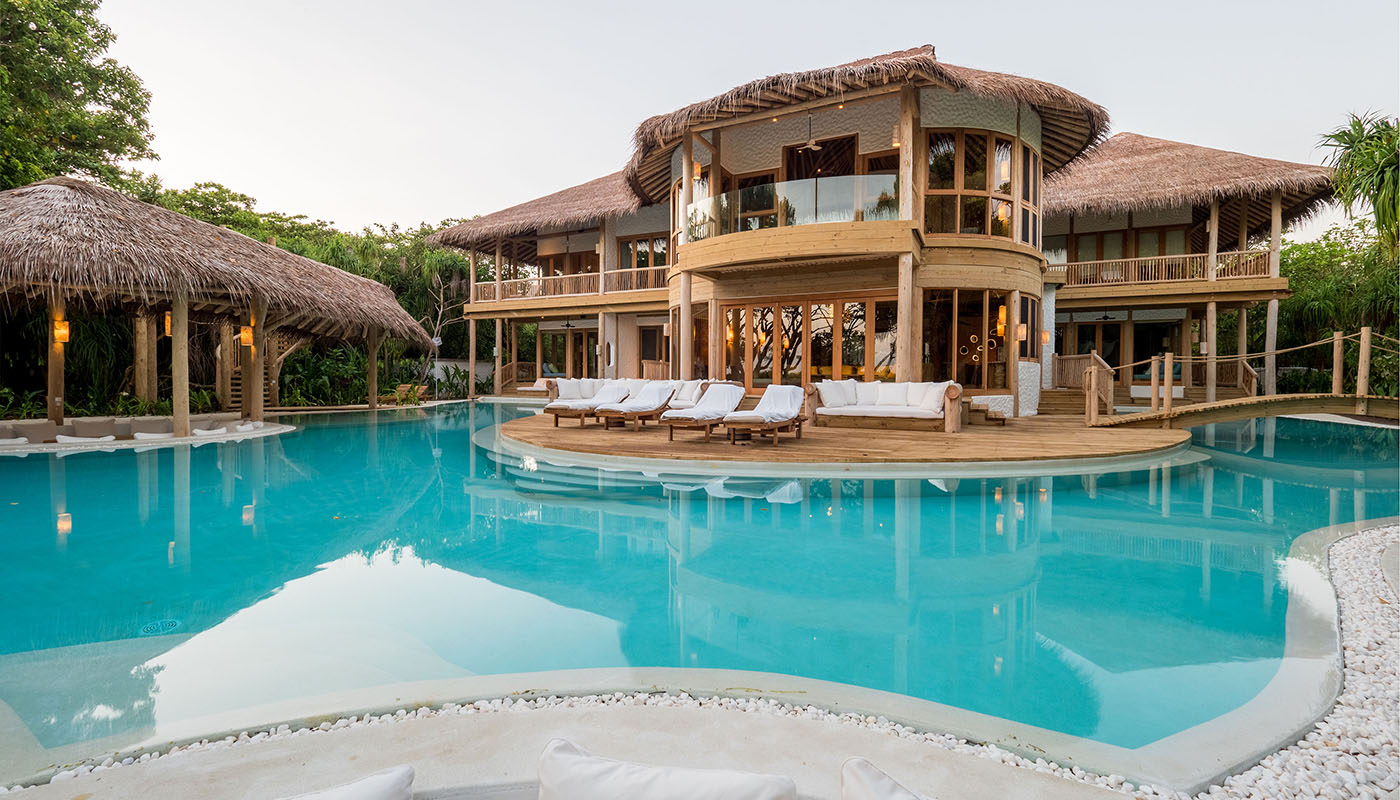
This remains the crown jewel of Maldives real estate. These are typically leasehold properties within integrated resorts. Ownership here often comes with a “structured ROI” program, where the resort manages the villa in your absence, providing a hands-off investment with global prestige.
Key Investment Hubs in 2026
Ras Malé: The Eco-City Frontier
If you are looking for long-term capital appreciation, Ras Malé is the primary target. As the nation’s first “net-zero” city, it has attracted significant international ESG (Environmental, Social, and Governance) funds. Buying into Ras Malé today is akin to buying into Hulhumalé in 2010—the growth potential is exponential as the city’s smart infrastructure nears completion.
Hulhumalé Phase 2: The Established Choice
Phase 2 is no longer a construction site; it is a vibrant community. With international schools, hospitals, and the yacht marina now operational, property values here have stabilized into a reliable upward curve. It is the safest bet for investors seeking homes for sale in Maldives with guaranteed occupancy.
The Southern Frontier: Addu City
With the expansion of Gan International Airport and the increase in direct flights from South Asia and the Middle East, Addu City is experiencing a “southern boom.” Property prices here remain significantly lower than in the Malé Atoll, offering a “ground floor” opportunity for early-stage investors.
Legal Framework: Can Foreigners Buy Houses in Maldives?
A common misconception is that foreigners cannot own property. In 2026, the legal framework is clear but specific:
- Leasehold Ownership: Most foreign investments are on a long-term leasehold basis, typically 99 years. These leases are fully tradable, mortgageable, and inheritable.
- Strata Title: In designated “Integrated Tourism” zones and specific urban luxury developments, foreign buyers can own the “Strata Title” to their apartment or villa.
- Corporate Holdings: Many investors choose to route their Maldives real estate for sale purchase through a local Special Purpose Vehicle (SPV) to benefit from different tax treatments and ease of transfer.
Financial Realities: ROI and Tax in 2026
Investors must be aware of the 2026 Wealth Reporting requirements. The Maldives Inland Revenue Authority (MIRA) has introduced more transparent reporting for foreign owners. While there is no personal income tax on non-residents for capital gains in many cases, rental income is subject to a flat withholding tax.
Current ROI Estimates:
- Urban Apartments: 6-8% annual rental yield.
- Boutique Guesthouses: 10-14% yield, depending on occupancy.
- Luxury Villas: 4-6% yield + high capital appreciation.
Additionally, the Bank of Maldives (BML) has maintained the 5% equity contribution for certain housing schemes, which has kept the local market buoyant and ensured that even as interest rates fluctuate globally, the Maldivian market remains insulated.
The Step-by-Step Buying Process
- Due Diligence: Verify the developer’s track record. (Refer to our guide on How to conduct due diligence on a Maldivian developer).
- Reservation Agreement: Secure the unit with a deposit (usually 5-10%).
- Sales and Purchase Agreement (SPA): This is the legally binding document registered with the Ministry of Housing.
- Staged Payments: Most Maldives houses for sale are sold on a construction-linked payment plan.
- Registration: Upon completion, the title or leasehold interest is registered in the owner’s name at the Land Building and Towers registry.
The Crypto Factor: Buying Property with Bitcoin and USDT
Following the 2024-2025 regulatory clarity on digital assets, several top-tier developers in Malé now officially accept Bitcoin and USDT for property purchases. This has opened the market to a new generation of “digital nomad” investors who are looking to diversify their crypto wealth into hard assets in a tax-efficient jurisdiction.
Challenges and Considerations
Investing in an island nation requires an understanding of environmental factors. We highly recommend focusing on developments that incorporate ESG principles. Properties with advanced sea-wall protection, renewable energy integration, and sustainable waste management are not just “green”—they are “future-proofed” against climate-related value depreciation.
Conclusion: Is a House in the Maldives a Good Investment?
In July 2026, the Maldives is no longer just a holiday destination; it is a sophisticated financial hub. The combination of the Pearl Residence Golden Visa, the completion of the Greater Malé Connectivity Bridge, and the emergence of Ras Malé has created a “perfect storm” for real estate growth.
Whether you are looking for houses for sale in Maldives for retirement, a vacation home, or a high-yield rental asset, the window for “early-entry” pricing in the new eco-cities is closing. The market is maturing, transparency is at an all-time high, and the Indian Ocean’s most iconic archipelago is open for business.
Ready to explore the market?
At Maldives Investments, we specialize in connecting global capital with Maldivian opportunity. View our latest listings for property for sale in Maldives or contact our consultancy team for a private briefing on the 2026 market trends.