The Maldives has long been viewed as a niche market—a playground for the ultra-wealthy or a logistical challenge for the average investor. However, as we approach 2026, the archipelago is undergoing a fundamental economic transformation. For those looking to diversify their portfolios, understanding the Maldives real estate market forecast is no longer optional; it is essential for capitalizing on the region's most significant growth period in decades.
The next five years (2026-2030) will be defined by three major pillars: massive infrastructure connectivity, legislative shifts in foreign ownership, and a maturing tourism sector. This guide explores the data, trends, and predictions that will shape the investment landscape.
The Foundation: Current Market Stability
To predict the future, we must analyze the present. The Maldivian economy has shown remarkable resilience. Following the global disruptions of the early 2020s, the tourism sector rebounded with vigor, recording record-breaking arrival numbers in 2023 and 2024. This recovery has provided a stable backbone for the construction and real estate sectors.
Unlike many emerging markets that suffer from volatility, the Maldives benefits from a chronic housing shortage in the capital region. This supply-demand imbalance provides a "floor" for property prices, ensuring that even in conservative scenarios, the Maldives real estate market forecast remains bullish.
The "Greater Malé" Transformation: The Infrastructure Catalyst
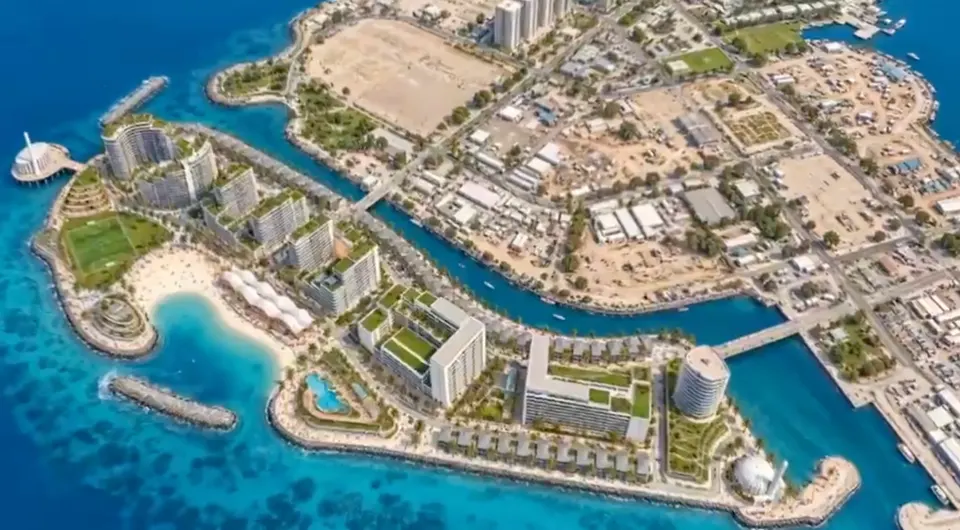
The single most critical factor influencing property values over the next five years is the Greater Malé Connectivity Project (GMCP). This $500 million infrastructure initiative, primarily the bridge network connecting Malé, Villingili, Gulhifalhu, and Thilafushi, is set to redefine the capital’s geography.
Impact on Property Valuations
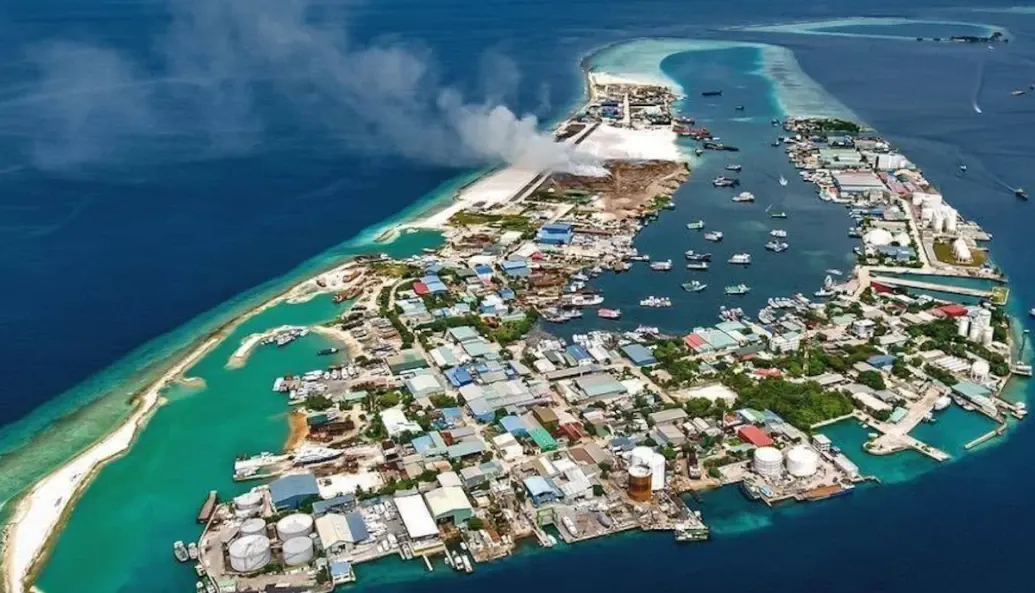
Currently, real estate in Malé commands a premium because it is the commercial heart of the nation. Conversely, Villingili and Thilafushi trade at a "discount" due to reliance on ferry transport. As the bridges near completion (projected phases between 2026 and 2028), we anticipate a "price convergence."
- Malé: Prices will stabilize or see moderate growth (3-5% annually). The congestion relief from the bridges will make city living slightly more bearable, sustaining demand for central apartments.
- Villingili: Currently undervalued, this island is poised for the sharpest appreciation. Once a drive away from Malé, it will effectively become a suburb. Investors buying in Villingili in 2026 are likely to see capital appreciation of 15-20% by 2028 as the infrastructure matures.
- Thilafushi: Historically an industrial zone, Thilafushi will transition into a mixed-use logistics and residential hub. The Maldives real estate market forecast suggests that land here will become prime for warehousing and staff accommodation, offering yields that surpass the capital.
Legislative Shifts: Opening Doors to Global Capital
For decades, a significant barrier to entry was the prohibition of freehold ownership for foreigners. Investors were limited to long-term leaseholds, which often deterred institutional investors.
Recent legislative amendments have introduced the concept of "Condominium Ownership" on specific designated plots, particularly in reclaimed areas. This legal shift is a game-changer for the Maldives real estate market forecast.
Prediction for 2026-2030: We expect a surge in "Branded Residences." International hotel chains and luxury developers are likely to launch projects that offer freehold strata titles. This will attract a new demographic of buyers—global citizens looking for holiday homes with rental guarantees—further professionalizing the market.
Sector Analysis: Where Will the Growth Be?
The Maldives market is not monolithic. The next five years will see diverging trends across different asset classes.
1. Residential Apartments in Greater Malé
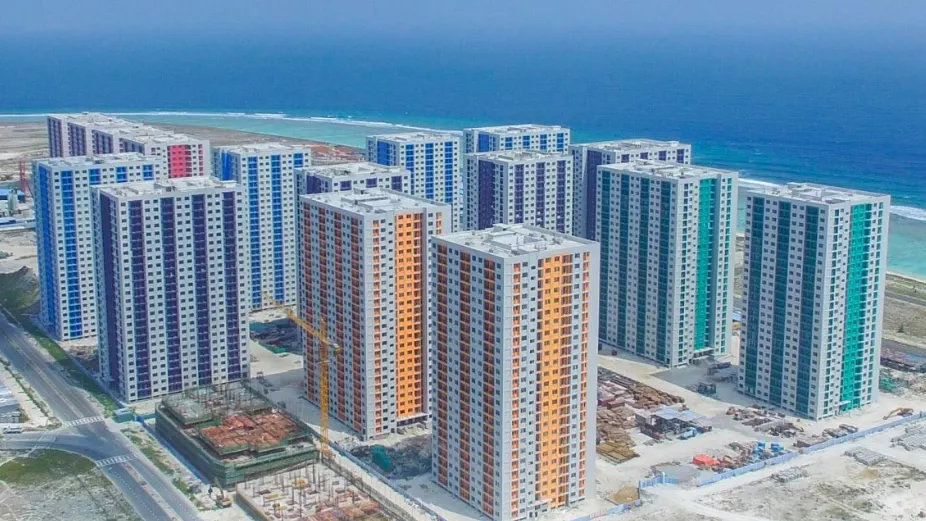
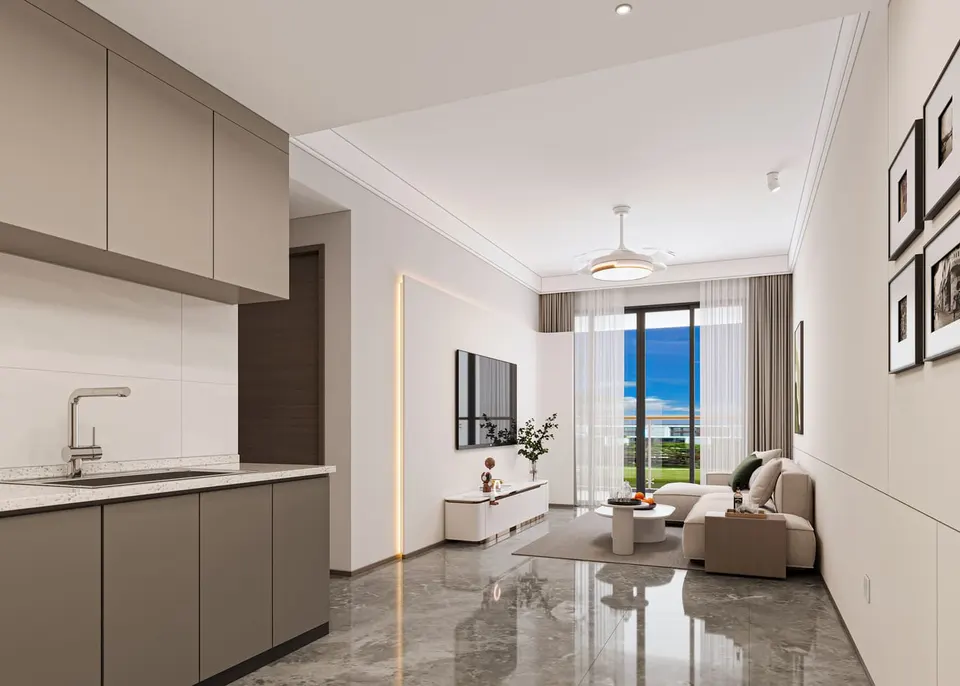
The urban migration trend shows no sign of reversing. With limited land supply, vertical growth is the only option.
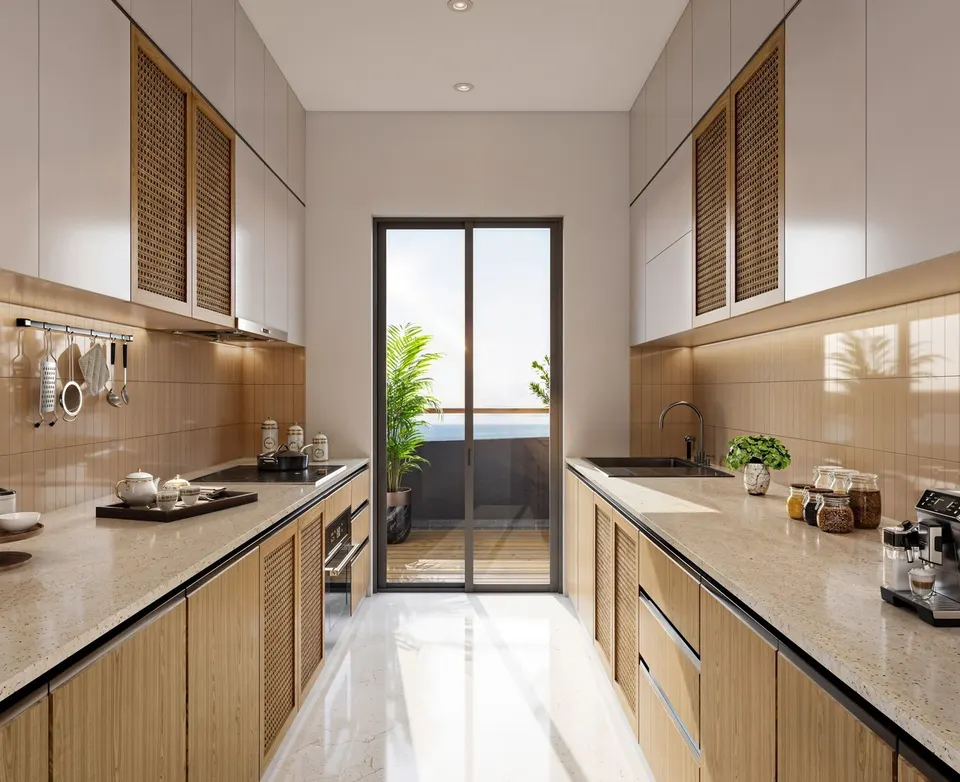
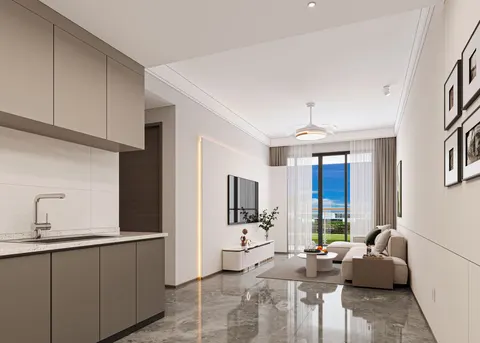 For sale nowFrom MVR 3.6M1+1 Bedroom Apartments at Bayfancy · Hulhumalé
- Forecast: Demand for 1-2 bedroom apartments in Hulhumalé and Malé will remain robust.
- Rental Yields: Investors can expect consistent yields of 5-7%. The introduction of the bridge will increase the rental catchment area, potentially lowering rents in Malé slightly while raising them in the periphery.
2. Tourism Real Estate: The Rise of "Second Homes"
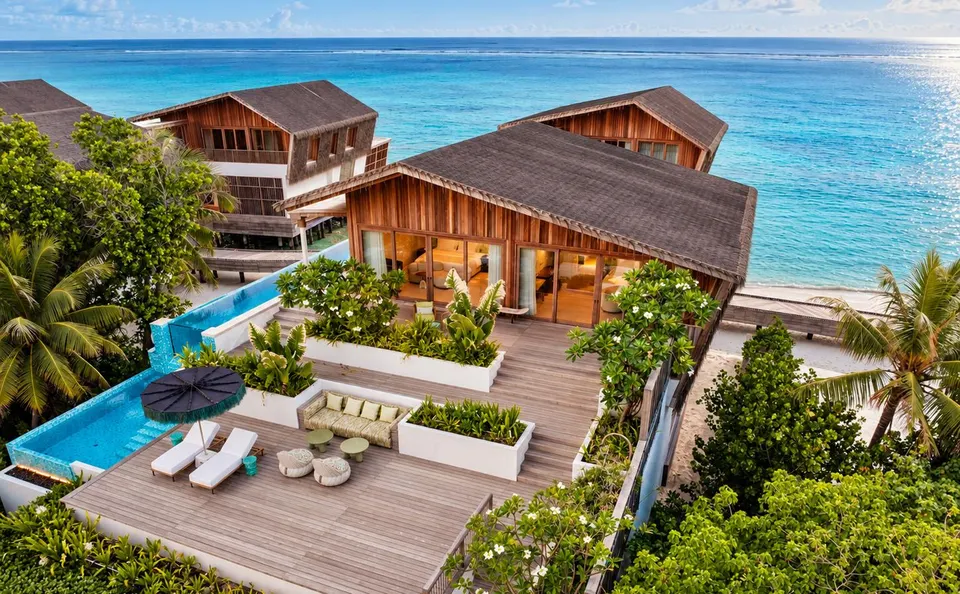
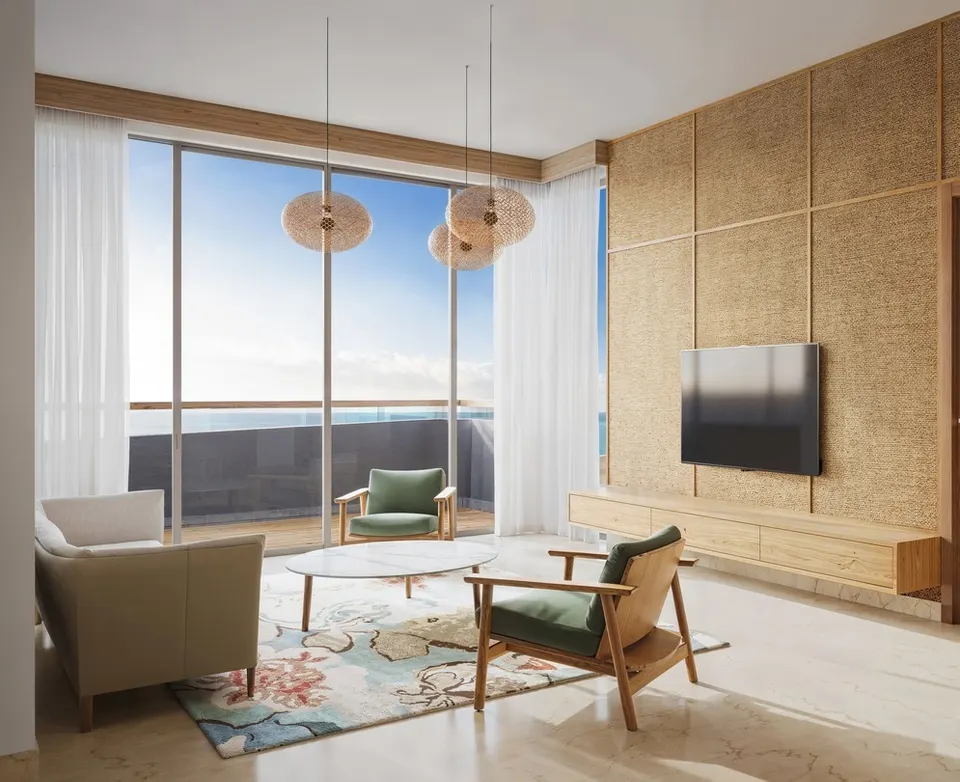
The traditional resort model is evolving. High-net-worth individuals are increasingly seeking private islands or luxury villas that they can use for part of the year and rent out for the rest.
- Forecast: Areas like Baa Atoll (UNESCO Biosphere Reserve) and Raa Atoll will see the highest appreciation in land value. As the supply of uninhabited islands dwindles, the value of existing leaseholds will skyrocket.
3. Commercial and Industrial Space
With the government’s push for decentralization, commercial real estate in Malé may face headwinds as offices move out. However, Thilafushi will see a boom in demand for modern warehousing. This sector is the "hidden gem" of the Maldives real estate market forecast, offering stable, long-term lease returns.
Price Trends: A 5-Year Projection
While past performance is not an indicator of future results, the trajectory for the Maldivian Rufiyaa (MVR) against the dollar and inflation rates suggest a steady upward trend in property valuations.
- 2026: A year of cautious optimism. Prices will rise steadily as infrastructure projects reach visible milestones.
- 2027-2028: The "Bridge Effect" peak. Properties in newly connected islands will see their highest appreciation rates.
- 2029-2030: Market maturity. Growth will stabilize to a sustainable 4-6% annually, aligning with regional averages but offering higher yields than developed Asian markets.
Risks and Challenges in the Forecast
A prudent investor must look beyond the hype. The Maldives real estate market forecast is not without risks.
- Climate Resilience: Long-term value retention depends on coastal protection. Investments in well-protected reclaimed islands (like Hulhumalé) are safer than low-lying natural islands.
- Construction Costs: The Maldives imports nearly 90% of building materials. Global inflation in steel and cement can delay projects, leading to cost overruns that eat into investor profits.
- Liquidity: The market is still relatively small. Exiting an investment (selling a property) can take longer than in major hubs like Dubai or Singapore. Investors should adopt a 5-7 year holding period to maximize returns.
Investment Strategy: How to Position Yourself
Given the current trajectory, here are three strategies for investors looking to enter the market:
- The Infrastructure Play: Buy land or apartments in Villingili or Gulhifalhu now, before the bridge is fully operational. The capital appreciation potential here is the highest.
- The Yield Play: Invest in serviced apartments in Hulhumalé. With the expansion of the city and new hospitals/schools opening, demand for short-term stays by medical tourists and business travelers is rising.
- The Tourism Play: Look for leasehold opportunities in atolls with upcoming domestic airport upgrades. Accessibility drives tourism, and tourism drives land value.
Conclusion: A Market on the Verge of Maturity
The Maldives real estate market forecast for the next five years paints a picture of a maturing economy. The days of "wild west" speculation are fading, replaced by a structured market driven by tangible infrastructure and clearer legal frameworks.
For investors, the window of opportunity lies in the transition years of 2026 and 2027. By positioning assets before the Greater Malé Connectivity Project is fully operational and before foreign ownership regulations fully saturate the market with international buyers, investors can secure assets at "developing market" prices with the potential for "developed market" returns.
Frequently Asked Questions (FAQ)
Q: Is now a good time to invest in Maldives real estate? A: Yes. With major infrastructure projects nearing completion and new foreign ownership laws in place, 2026 presents a strategic entry point before prices reflect the full value of these developments.
Q: What is the biggest risk in the Maldives real estate market forecast? A: The primary risk is climate change and rising sea levels. Investors should prioritize properties on reclaimed land or islands with robust coastal protection systems to ensure long-term asset safety.
Q: Can foreigners get loans to buy property? A: Financing options for foreigners are limited but growing. Some local banks offer mortgage products to non-residents, but they typically require a 40-50% down payment. Many investors utilize financing from their home countries.
Q: How does the new bridge affect the Maldives real estate market forecast? A: The bridge effectively merges the rental markets of Malé and its neighboring islands. It lowers the premium on Malé properties slightly while significantly boosting the value and rental potential of properties in Villingili and Thilafushi.
Disclaimer: This article is for informational purposes only and does not constitute financial advice. Real estate investments carry risks; please conduct your own due diligence.