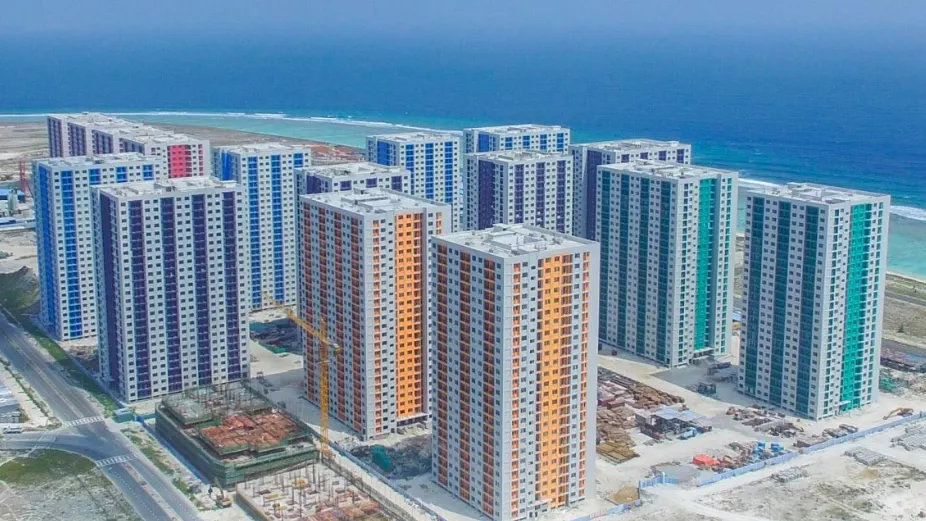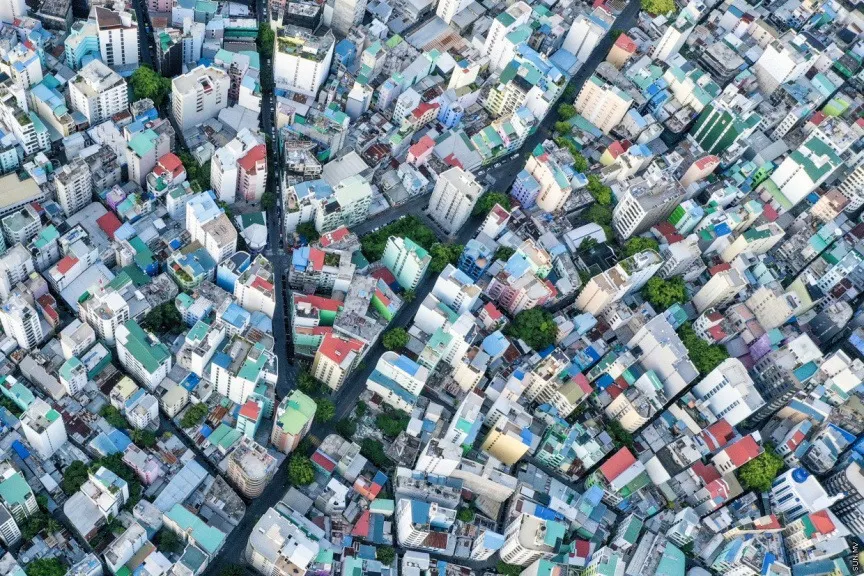
The skyline of Malé has transformed dramatically over the last decade. Once characterized by low-rise colorful corrugated iron roofs, the capital of the Maldives is now a vertical jungle of high-rise apartments and commercial complexes. For investors monitoring Maldives investments, the question on everyone’s mind as we look toward 2026 is simple: Is the boom sustainable, or is the market reaching a saturation point?
Despite global economic headwinds, indicators suggest that real estate in Malé is still rising, though the dynamics of what to buy and where are shifting. Here is an in-depth analysis of the property price trends expected for 2026.
The Current Landscape: Why Malé Remains a Hotspot
To understand 2026, we must look at the fundamentals driving the market today. Malé is one of the most densely populated cities in the world. With a land area of just over 8.5 square kilometers housing nearly 40% of the nation’s population, land scarcity is not just a feature—it is the primary economic driver.
For years, this scarcity has guaranteed high rental yields and steady capital appreciation. Unlike many other Asian capitals where urban sprawl is possible, Malé is physically constrained by the ocean. This geographic reality provides a "floor" for property prices, making it difficult for the market to crash drastically.
Key Drivers for the 2026 Market Forecast
Three major factors are expected to influence property prices in Malé leading into 2026:
1. The Greater Malé Connectivity Project (GMCP)
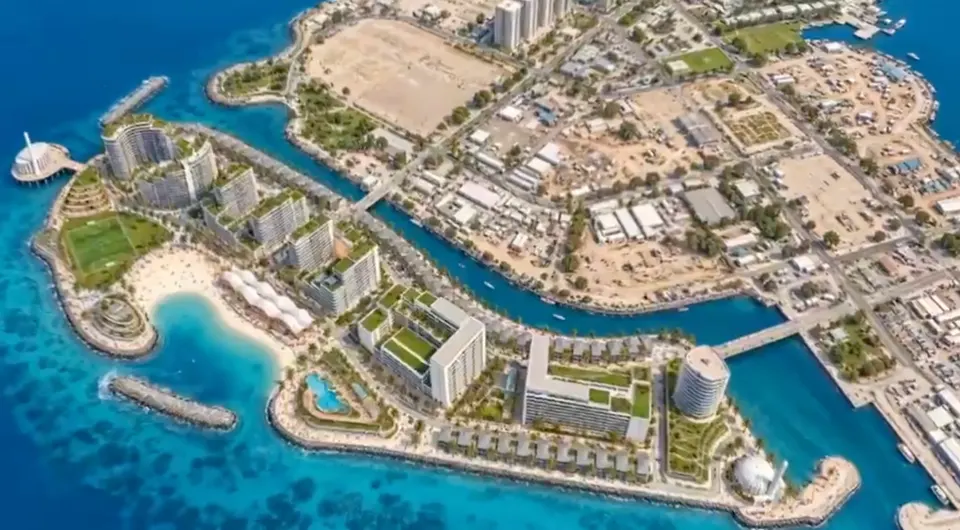
Perhaps the single biggest influencer of 2026 property values is the ongoing Greater Malé Connectivity Project. This major infrastructure initiative, connecting Malé to Villingili, Gulhifalhu, and Thilafushi via a bridge, is set to redefine the capital's real estate map.
- The Impact: While this project opens up new land for development, it effectively increases the radius of "prime" real estate. In 2026, properties in Villingili and the newly connected islands will likely see the highest percentage growth in value as they become accessible commutes from the capital.
- Malé Proper: While suburban areas rise, prime residential and commercial spaces in Central Malé will likely retain their premium due to established infrastructure and business proximity.
2. The Shift to Luxury and Mixed-Use Developments
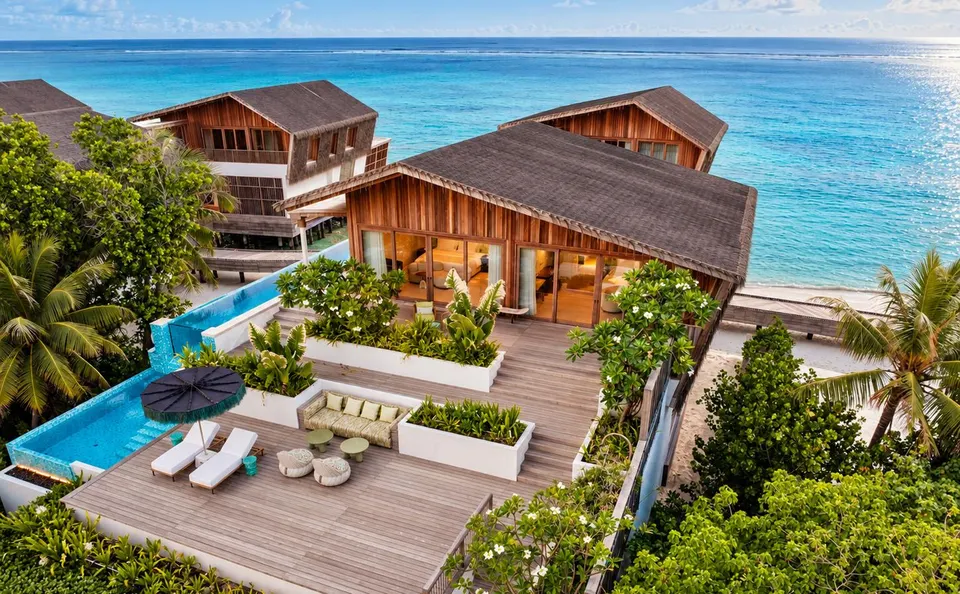
The era of simple concrete block apartments is fading. The 2026 buyer is looking for lifestyle amenities. There is a noticeable trend toward high-end, mixed-use developments that offer parking, gyms, and sea views.
- Price Prediction: Standard apartments may see a stabilization in price growth (3-5% annually). However, luxury units and branded residences are projected to see sharper rises (7-10%), driven by affluent locals and foreign investors seeking residency through investment.
3. Tourism Recovery and Serviced Apartments
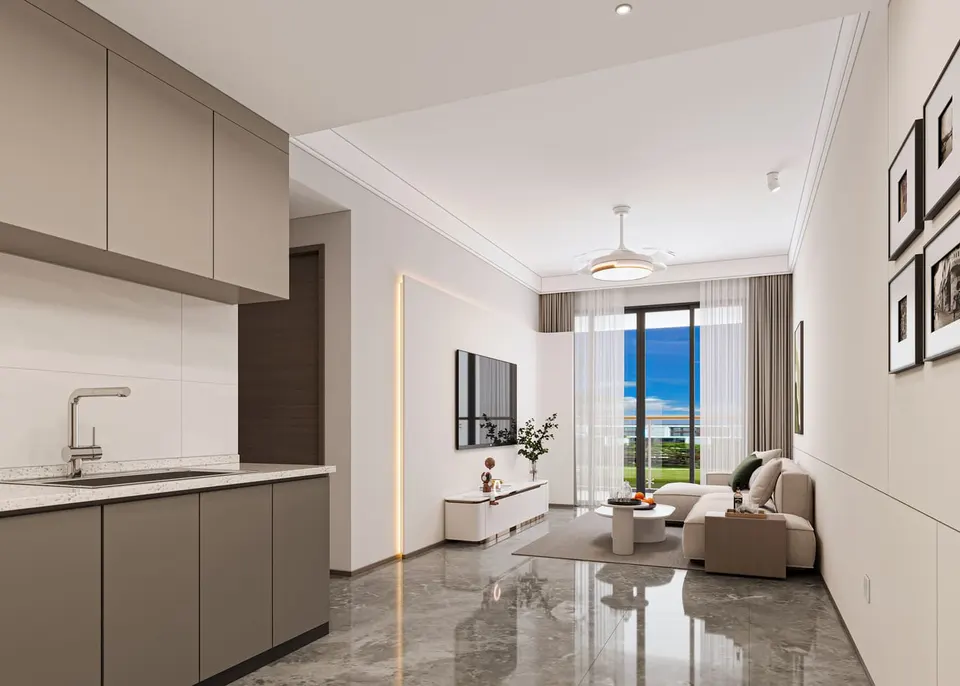
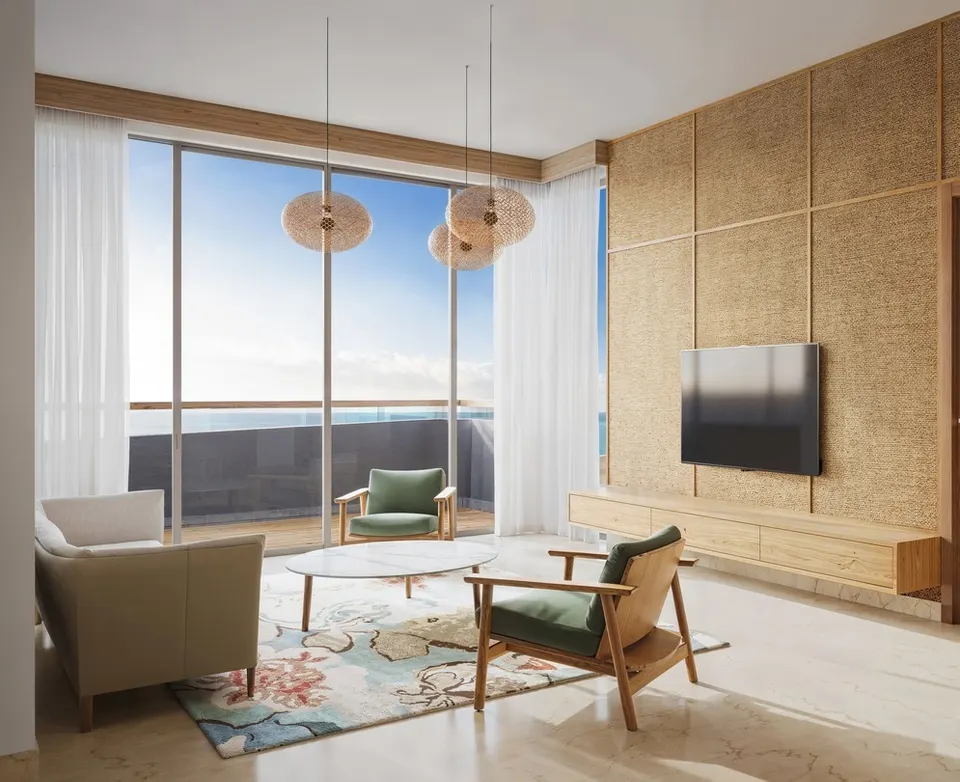
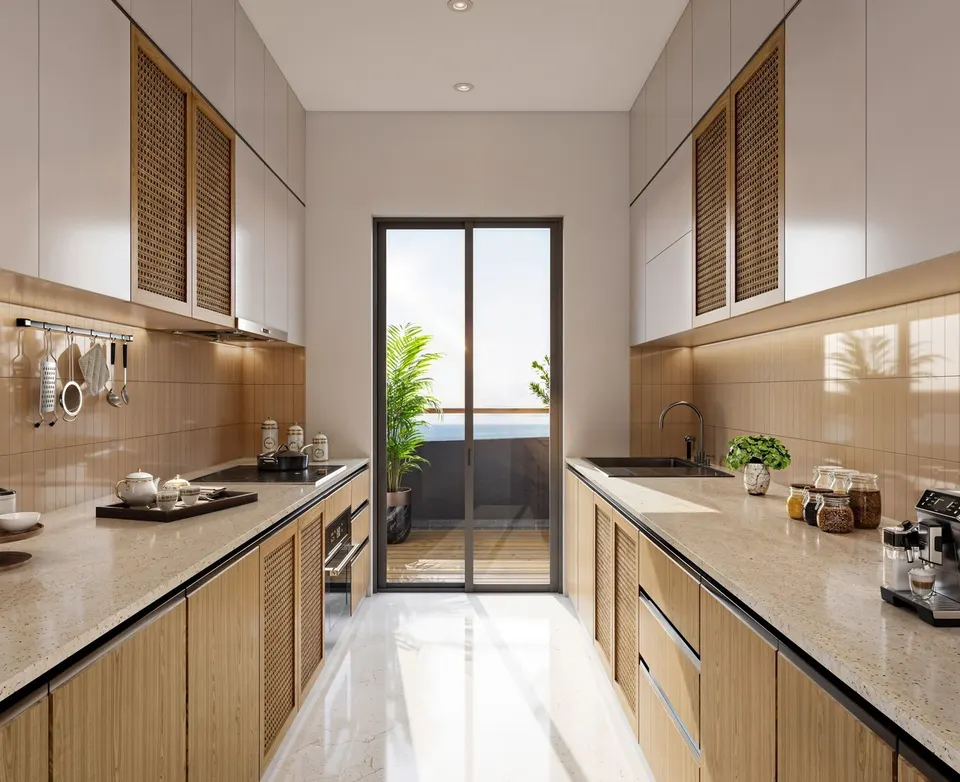
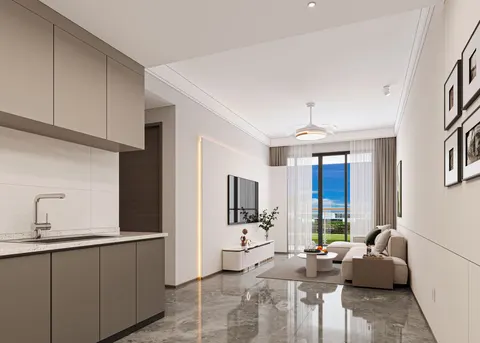 For sale nowFrom MVR 3.6M1+1 Bedroom Apartments at Bayfancy · Hulhumalé
The Maldives tourism sector has shown incredible resilience. As tourist arrivals surpass pre-pandemic levels, the demand for serviced apartments in Malé is rising. Business travelers, airline crew, and medical tourists prefer these over traditional hotels. Investors converting residential units into short-term serviced rentals are seeing higher yields, a trend expected to solidify in 2026.
Price Predictions: Residential vs. Commercial
-
Residential Real Estate: Prices for residential apartments in Malé have been climbing steadily. As of the latest data, average prices per square foot in prime areas range from MVR 12,000 to MVR 20,000. By 2026, we anticipate a moderate increase of 6-8%, driven largely by the rising cost of construction materials and labor.
-
Commercial Real Estate: Office space and retail fronts in Malé command a premium. However, with the decentralization efforts of the government moving some administrative functions to other islands, commercial rental growth may stabilize. The highest yields in this sector will likely come from warehousing and logistics spaces in Thilafushi, once connected by the new bridge.
Is Real Estate Still Rising? The Verdict
Yes, but the strategy has changed.
The "easy money" of buying any plot of land in Malé and waiting for it to double is likely over. 2026 will be a market defined by selectivity.
- High Growth Areas: Look toward the endpoints of the new bridge projects (Gulhifalhu and Thilafushi).
- Stable Income: Central Malé apartments remain the safest bet for consistent rental income.
- High Risk/High Reward: Reclaimed land developments, which depend on future infrastructure completion.
Challenges to Watch
While the outlook is positive, investors on Maldivesinvestments.com should be aware of risks:
- Construction Costs: Global inflation in steel and cement is delaying projects, which could constrain supply in 2026, ironically pushing prices of completed units higher.
- Decentralization: Government policies aimed at moving civil servants out of the capital could slightly dampen demand for lower-end rentals in the long term.
Conclusion: A Market Maturing
For those looking to invest in 2026, the Malé real estate market offers stability and a hedge against inflation. While the explosive growth of previous decades may normalize, the fundamentals of land scarcity and high demand ensure that property prices in Malé will continue to trend upward.
Investors should focus on quality assets with modern amenities or strategic locations near the new connectivity bridges. As always in the Maldives, due diligence regarding land titles and building regulations is paramount.
Frequently Asked Questions (FAQ)
Q: Can foreigners buy property in Malé? A: Foreigners generally cannot own freehold land. However, they can own units within designated "condominium" projects on reclaimed land or through long-term leasehold agreements (up to 99 years) approved by the government.
Q: What is the average rental yield in Malé? A: Malé offers competitive rental yields compared to the region, typically ranging between 5% to 8% for residential properties, and higher for commercial or serviced apartment models.
Q: Will the bridge project lower prices in Malé city? A: Unlikely. While it opens up supply in neighboring islands, Malé remains the commercial and administrative heart. The bridge will more likely raise property values in the connected islands rather than lower them in Malé.
Disclaimer: This article is for informational purposes only and does not constitute financial advice. Always consult with a local real estate expert before making investment decisions.