
Major Foreign Investment Projects Transforming the Maldives (2025–2030)
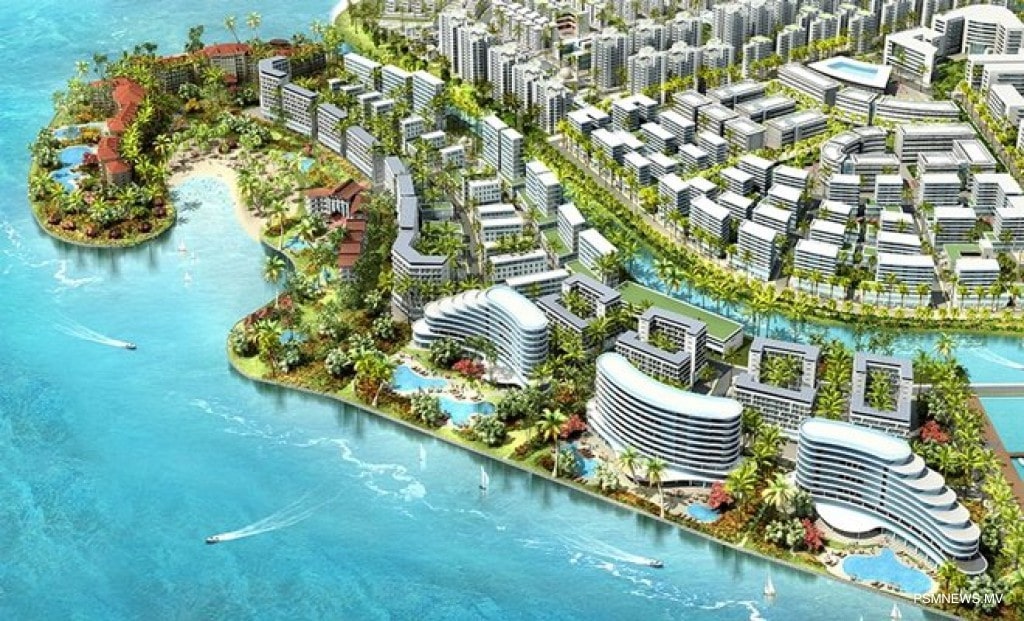
The Maldives has long been known as a luxury tourism paradise, but in recent years it has evolved into one of the most attractive investment destinations in South Asia. Massive foreign-funded projects are reshaping the nation’s economy, infrastructure, real estate market, and urban landscape. From ultra-luxury resorts and smart cities to financial hubs and airport expansions, international investors are playing a central role in the country’s development.
For investors, entrepreneurs, and property buyers, understanding these large-scale projects is essential. They not only signal long-term economic growth but also reveal emerging opportunities across tourism, construction, finance, logistics, and technology sectors.
Why Foreign Investors Are Targeting the Maldives
Several factors make the Maldives highly attractive for foreign investment. The country offers political support for international partnerships, strong tourism demand, strategic location along major shipping routes, and one of the world’s most recognizable luxury brands as a destination.
- Consistently high tourism revenue
- Government incentives for foreign direct investment
- Growing infrastructure needs
- Limited land availability driving high property value
- Rising demand for premium real estate
- Strategic position between Asia, the Middle East, and Africa
These advantages have led to billions of dollars flowing into projects that will shape the Maldives for decades to come.
Mega Resort Developments and Private Island Projects
Tourism remains the backbone of the Maldivian economy, and foreign developers continue to invest heavily in new resort islands. Upcoming projects focus on ultra-luxury experiences, sustainability, and exclusivity, targeting high-net-worth travelers rather than mass tourism.
Many new resorts are designed as integrated developments featuring private villas, marinas, wellness centers, and branded residences that can be sold to international buyers. This model generates long-term revenue while also opening new opportunities in Maldives real estate investment.
Several multi-island projects are also under development, combining hotels, entertainment facilities, retail areas, and residential components into single destinations. These mega resorts aim to position the Maldives as more than just a honeymoon destination — transforming it into a global luxury lifestyle hub.
The Maldives Floating City
One of the most innovative projects currently underway is the Maldives Floating City. Developed with international partners, this futuristic urban development is designed to address rising sea levels while providing modern housing for residents and investors.
The city will consist of thousands of floating units connected by canals, offering homes, hotels, restaurants, schools, and healthcare facilities. It represents a new model for climate-resilient urban planning and could become a blueprint for coastal cities worldwide.
For investors, the floating city introduces new categories of property ownership in the Maldives, including ocean-based residential units and mixed-use developments. Early buyers may benefit from significant appreciation as the project matures.
International Financial Centre and Economic Diversification
To reduce reliance on tourism, the Maldives is pursuing major financial and business developments funded by foreign capital. The planned International Financial Centre aims to attract global banks, fintech companies, investment firms, and multinational corporations.
If successful, this project could transform the Maldives into a regional financial hub similar to Singapore or Dubai on a smaller scale. It would create thousands of jobs, stimulate demand for office space and housing, and generate new revenue streams beyond tourism.
For entrepreneurs and investors, this diversification opens opportunities in professional services, technology, education, and commercial real estate.
Airport Expansions and Aviation Infrastructure
Air connectivity is critical for an island nation dependent on tourism and international trade. Several airport expansion projects funded by foreign governments and companies are currently underway across the Maldives.
The expansion of Velana International Airport — the country’s main gateway — includes a new terminal, improved cargo facilities, and upgraded runways capable of handling more wide-body aircraft. Regional airports are also being upgraded to support direct international flights.
These developments will significantly increase tourist arrivals, reduce travel congestion, and stimulate economic growth across outer atolls. For investors, improved connectivity enhances the viability of new resorts, real estate projects, and logistics businesses.
Infrastructure and Connectivity Projects
Beyond aviation, foreign-funded infrastructure projects are improving transport, utilities, and public services throughout the country. Key developments include bridges, roads, ports, water supply systems, and renewable energy facilities.
Better infrastructure not only improves quality of life for residents but also lowers operational costs for businesses. Remote islands that were once difficult to access are becoming viable locations for tourism and real estate development.
Large-scale bridge projects connecting islands near the capital region are particularly important. They are enabling urban expansion, reducing overcrowding, and opening new areas for residential and commercial investment.
Smart Cities and Urban Development
Urban congestion in the capital has led to the development of planned cities funded by foreign partners. These projects aim to create modern, sustainable communities with efficient transport systems, green spaces, and advanced infrastructure.
Smart city features often include digital governance, renewable energy integration, waste management systems, and high-density housing solutions. Such developments are designed to accommodate population growth while maintaining environmental sustainability.
For property investors, planned urban areas offer structured zoning, reliable infrastructure, and long-term value appreciation compared to unplanned developments.
Renewable Energy and Sustainability Projects
As one of the countries most vulnerable to climate change, the Maldives is investing heavily in renewable energy projects with international support. Solar farms, hybrid energy systems, and energy-efficient infrastructure are becoming central components of new developments.
These initiatives reduce dependence on imported fossil fuels while aligning with global sustainability goals. Green investment opportunities are emerging in energy production, construction, waste management, and environmental technology.
Eco-friendly resorts and carbon-neutral developments are particularly attractive to environmentally conscious travelers and investors, further strengthening the Maldives’ premium brand positioning.
Real Estate Opportunities for Foreign Investors
Although land ownership regulations differ from many countries, the Maldives offers various pathways for foreign participation in real estate projects. Long-term leases, condominium developments, and resort villa ownership structures are commonly used.
High-end properties in prime locations can command exceptional prices due to limited supply and strong global demand. As infrastructure improves and new urban areas develop, mid-range residential projects are also gaining traction.
Key real estate segments attracting foreign interest include:
- Luxury resort villas
- Branded residences
- Waterfront apartments
- Commercial office space
- Hospitality-related developments
Economic Impact of Foreign-Funded Projects
These mega projects collectively contribute to job creation, technology transfer, and increased government revenue. Construction activity alone supports thousands of workers and stimulates local supply chains.
Over the long term, diversification into finance, technology, and renewable energy can reduce economic vulnerability to tourism fluctuations. A more balanced economy also creates a stable environment for future investment.
For local businesses, foreign developments generate demand for services such as logistics, maintenance, food supply, transportation, and professional consulting.
Risks and Considerations for Investors
While the Maldives offers significant opportunities, investors should also consider potential risks. These include regulatory changes, environmental challenges, global economic fluctuations, and the country’s limited land availability.
Careful due diligence, local partnerships, and long-term planning are essential for successful investment. Understanding government policies and market conditions can help mitigate risks and maximize returns.
The Future Outlook: 2025–2030
The next five years are expected to be transformative for the Maldives. Continued foreign investment will likely drive modernization across multiple sectors, positioning the country as more than just a tourist destination.
Key trends to watch include:
- Growth of luxury and branded residential developments
- Expansion of financial and technology sectors
- Increased focus on sustainability and climate resilience
- Improved regional connectivity
- Emergence of new urban centers
If current projects are completed as planned, the Maldives could become one of the most advanced small-island economies in the world.
Foreign-funded projects are reshaping the Maldives at an unprecedented scale. From floating cities and mega resorts to financial hubs and infrastructure upgrades, these developments signal strong confidence in the country’s future.
For investors seeking opportunities in tourism, real estate, infrastructure, or emerging industries, the Maldives offers a unique combination of high returns, global prestige, and long-term growth potential. As the nation continues to evolve, those who enter the market early may benefit the most from its transformation.
Understanding these projects is the first step toward making informed investment decisions in one of the world’s most distinctive and promising markets.
Comments