
A Comprehensive Guide for Commercial Investors
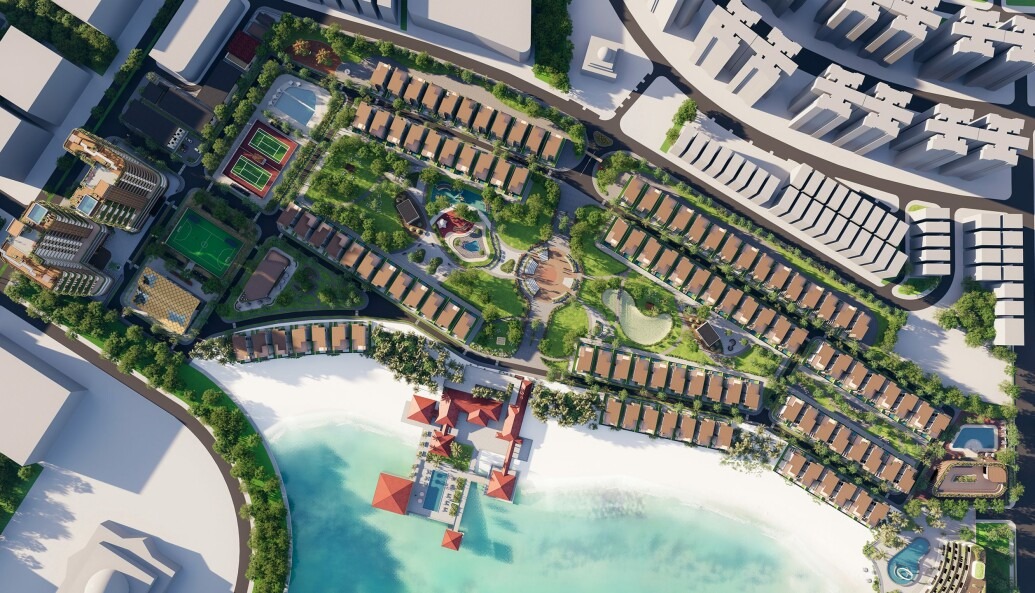
The Ras Malé Masterplan: A Comprehensive Guide for Commercial Investors
For decades, the Republic of Maldives has been synonymous with high-end tourism and the iconic “one island, one resort” model. However, the nation is currently standing on the precipice of its most significant economic evolution since the opening of its first resort in 1972. The project at the center of this transformation is Ras Malé. Located at the Fushi Dhiggaru Lagoon, just minutes from the capital, Ras Malé is not merely a housing project; it is an ambitious, multi-billion dollar commercial and urban masterpiece. For the discerning investor, it represents a “once-in-a-generation” opportunity to enter a burgeoning real estate and commercial market at the ground level. In this guide, we explore the masterplan of Ras Malé and what it means for the future of investment in the Indian Ocean.
The Vision: Solving the Malé Density Crisis
To understand the value of Ras Malé, one must first understand the geography of the Maldives’ capital. Malé is one of the most densely populated cities on Earth. With over 200,000 people living on roughly two square kilometers of land, the demand for space—both residential and commercial—is at an all-time high. While the development of Hulhumalé provided some relief, the appetite for high-quality real estate continues to outpace supply.
Ras Malé is the definitive answer to this crisis. By reclaiming approximately 1,153 hectares of land—nearly three times the combined area of Hulhumalé Phases 1 and 2—the government is creating a new urban center. For investors, this translates to a massive influx of “built-in” demand. As the population shifts toward this modern metropolis, the commercial requirements for retail, healthcare, education, and professional services will create a robust secondary market for decades to come.
A Global Benchmark in Sustainability: The “Eco-City” Factor
In the modern investment landscape, Environmental, Social, and Governance (ESG) criteria are no longer optional. Ras Malé is being branded as the “Maldives Eco-City,” and the masterplan backs this up with rigorous standards.
- Climate Resilience: One of the most critical aspects of the masterplan is that the land is being reclaimed at an elevation of 3 meters above sea level. In a nation where most islands sit at just 1 to 1.5 meters, this 3-meter elevation provides significant long-term security against rising sea levels, making the real estate here a “safe haven” for capital.
- Zero Carbon Footprint: The city is designed to be powered by 100% renewable energy. The masterplan includes extensive solar farms and waste-to-energy systems. For commercial investors in the tech and green energy sectors, Ras Malé serves as a live laboratory for sustainable urbanism.
- Green Mobility: The city will prioritize pedestrian-friendly streets and a massive network of bicycle lanes, reducing the reliance on fossil-fuel-powered vehicles. This “green” lifestyle is a major selling point for high-net-worth individuals (HNWIs) looking for contemporary living in the tropics.
Residential Real Estate: 65,000 Housing Solutions
From a real estate investment perspective, the sheer scale of the housing plan is staggering. The masterplan aims to provide 65,000 housing units. These will range from social housing to high-end luxury apartments and sprawling beachfront villas.
For the institutional investor, the opportunity lies in the development of “mixed-use” properties. The masterplan encourages buildings that feature retail on the ground floor with premium residential units above. Given the current rental yields in the Greater Malé region—which remain some of the highest in South Asia—the ROI (Return on Investment) for early-stage residential developments in Ras Malé is projected to be highly competitive. As the city matures, property appreciation is expected to follow the same aggressive upward trajectory seen in Hulhumalé over the last decade.
The Commercial Hub: Retail, Marinas, and Business Parks
Ras Malé is being designed as an integrated economic zone. The masterplan includes dedicated districts for different commercial activities:
- International Business District: This zone is intended to attract offshore banking, international law firms, and tech startups. With the Maldives’ strategic location between the East and West, Ras Malé could become a boutique financial hub for the Indian Ocean region.
- The Mega-Marina: A world-class marina is a central feature of the plan, designed to accommodate superyachts. This creates a secondary market for luxury retail, fine dining, and yacht maintenance services—sectors that currently have limited high-end infrastructure in the capital region.
- Tourism & Leisure: Unlike traditional resorts, Ras Malé will feature urban tourism. This includes city-hotels, boutique guesthouses, and wellness centers. Investors in the hospitality sector can benefit from the high occupancy rates driven by business travelers and transit tourists who want easy access to the international airport.
Infrastructure and Connectivity
Connectivity is the lifeblood of any successful urban investment. Ras Malé is located just a few kilometers from Velana International Airport (VIA). The masterplan envisions high-speed ferry links and potentially a bridge or tunnel system that would connect Ras Malé to the capital and the airport, effectively creating a “Greater Malé” metropolitan loop.
The investment in infrastructure is being backed by international partnerships, ensuring that the telecommunications (5G connectivity) and utility grids are of international standard. For commercial entities, this means the “friction” of doing business in a remote island nation is being removed, allowing for seamless global operations from a tropical base.
Legal Framework and Foreign Investment Benefits
The Maldivian government has been progressively making the nation more “investor-friendly.” Key legal frameworks that support the Ras Malé masterplan include:
- Corporate Resident Visas: The Maldives offers long-term residency options for those who invest a significant amount of capital in the country. This is a major draw for HNWIs who wish to oversee their investments while enjoying the Maldivian lifestyle.
- Foreign Ownership Laws: While land ownership laws in the Maldives are unique, long-term leases (up to 99 years) provide the stability needed for large-scale commercial projects. The “Special Economic Zones” (SEZ) legislation also offers tax incentives and relaxed regulations for certain types of investments.
- Repatriation of Profits: Unlike many emerging markets, the Maldives allows for the 100% repatriation of profits for foreign investors, making it an attractive destination for international capital.
The “Early Mover” Advantage
Seasoned investors know that the highest rewards are found in the “reclamation phase” of a project. As the sand is settled and the first roads are paved in Ras Malé, the cost of entry is at its lowest. Historically, those who invested in the early phases of Hulhumalé saw their property values triple as the infrastructure was completed. Ras Malé, being three times larger and more technologically advanced, offers an even broader canvas for capital appreciation.
Furthermore, the commercial opportunities extend beyond the land itself. The construction phase will require massive imports of materials, logistics services, and specialized labor. For firms in the construction and supply chain sectors, the “Ras Malé Boom” provides a decade of guaranteed demand.
Conclusion: A Generational Investment Opportunity
Ras Malé is more than a city; it is a statement of intent from the Maldives. It signals a move toward a diversified, resilient, and sustainable economy that goes beyond traditional tourism. For the commercial investor, the masterplan offers a rare combination of built-in demand, state-of-the-art infrastructure, and a pro-business regulatory environment.
Whether you are looking at the luxury residential market, the burgeoning retail sector, or the potential for an international business hub, Ras Malé provides the scale and the vision required for significant long-term growth. As the “Eco-City” of the future takes shape, the window for ground-level entry is closing. Those who understand the masterplan today are the ones who will reap the dividends of the Maldives’ new economic era tomorrow.
Investment Snapshot: Ras Malé at a Glance
- Total Land Area: 1,153 Hectares (approx).
- Projected Housing: 65,000 Units.
- Elevation: 3 Meters (Climate Resilient).
- Energy Source: 100% Renewable (Projected).
- Key Commercial Drivers: Superyacht Marina, Business District, Mixed-Use Retail.
- Strategic Proximity: 15-20 minutes from Velana International Airport.
Comments