
Do You Own an Apartment Forever in the Maldives? Leasehold Explained Simply
Do You Own an Apartment Forever in the Maldives? Leasehold Explained Simply
When an international investor looks at the Maldivian real estate market, one of the first questions that arises is: “If I buy an apartment, is it actually mine forever?” In many Western markets, the concept of ‘Freehold’—owning the land and the building until the end of time—is the standard. However, the Maldives, much like London, Hong Kong, and Singapore, operates primarily on a ‘Leasehold’ system. For those used to different legal structures, this can initially feel like a barrier. But once you look under the hood of the Maldivian property market, you realize that leasehold ownership is not only secure but is the engine behind some of the highest ROI (Return on Investment) opportunities in the Indian Ocean. In this guide, we break down the leasehold system simply so you can invest with total confidence.
The Core Concept: What is a Leasehold?
In simple terms, a leasehold means you own the right to occupy, use, and even profit from a property for a very long, fixed period. In the Maldives, for residential and commercial apartments in urban zones like Ras Malé and Hulhumalé, this period is typically 99 years.
While you do not “own” the physical sand the building sits on (as all land is technically owned by the state), you hold a legal title to the “Strata” or the specific volume of space your apartment occupies. This title is registered with the government, and for the duration of that 99-year lease, the apartment is legally yours. You can live in it, rent it out for profit, sell it to someone else, or even leave it to your children in your will. For all practical purposes during your lifetime and the lifetime of your heirs, it functions exactly like freehold ownership.
Why Does the Maldives Use a Leasehold System?
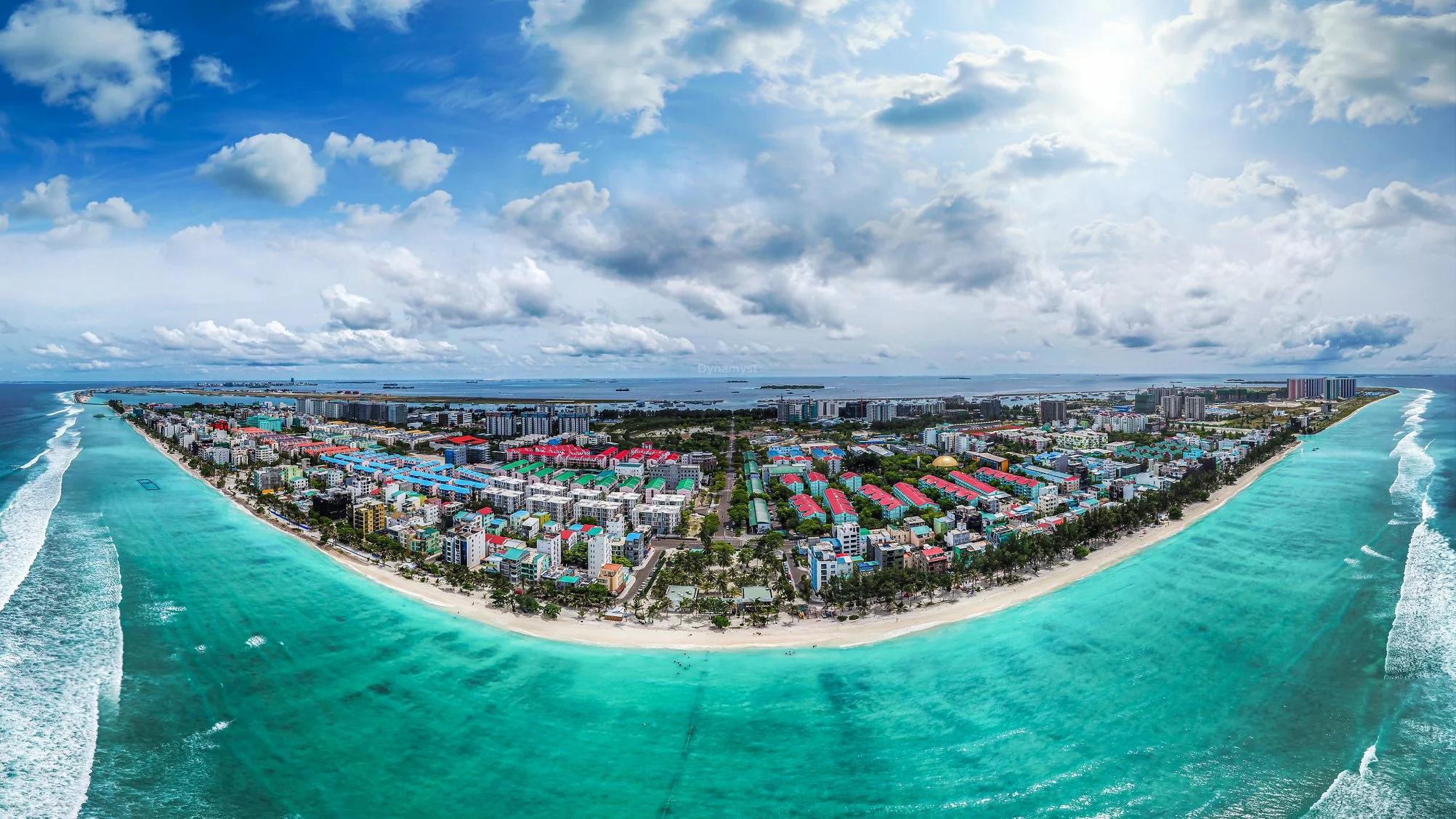
The Maldives is a nation of 1,192 islands, but only a tiny fraction of that land is habitable. Because land is such a scarce and precious resource, the Maldivian government keeps ultimate ownership of the land to ensure the nation’s long-term environmental and social stability. By using a leasehold system, the government can carefully plan mega-cities like Ras Malé to be eco-friendly and sustainable, ensuring that the “Eco-City” vision remains intact for a century. For the investor, this is actually a benefit. It means the government is highly motivated to maintain the infrastructure, security, and quality of the area surrounding your investment, as they have a long-term stake in the land’s success.
99 Years: Is it Long Enough?
For many first-time investors, the number “99” can cause hesitation. However, in the world of global real estate finance, a 99-year lease is considered “virtually as good as freehold.” Most international banks will provide mortgages and financing for any lease that has more than 60 or 70 years remaining.
Think of it in terms of human generations. A 99-year lease covers your lifetime, your children’s lifetime, and likely your grandchildren’s early years. By the time a 99-year lease nears its end, the building itself would likely need to be demolished and rebuilt anyway. Most modern apartment buildings have a structural lifespan of 50 to 70 years. Therefore, the lease is actually longer than the physical life of the building you are buying.
The Magic of Strata Title
To make leasehold ownership simple and secure for foreigners, the Maldives introduced the **Strata Act**. This was a revolutionary change for the real estate market. Before this act, it was difficult for an individual to own just one piece of a larger building. Now, the law allows a building to be “carved up” into individual units, each with its own legal deed.
When you buy an apartment in a project like those planned for Ras Malé, you receive a Strata Title. This document is your proof of ownership. It is recognized by courts and banks. It means your investment is protected by law, independent of the other owners in the building. This legal clarity is what has allowed the Maldivian property market to attract millions of dollars in foreign capital over the last few years.
What Happens After 99 Years?
This is the most common question investors ask. While 99 years is a long time, what happens when the clock runs out? Historically, in leasehold jurisdictions like London or Singapore, one of two things happens:
- Lease Extension: The government or the landowner offers to extend the lease for another 50 or 99 years in exchange for a fee. This is the most common outcome.
- Redevelopment: If the building is old and the land is needed for a new project, the government might take back the land but often provides compensation or first-priority rights to a new unit in the replacement development.
In the Maldives, the legal frameworks for lease renewals are still evolving, but the precedent in other successful island nations suggests that the government will prioritize the continuity of ownership to keep the investment market healthy. No government wants to devalue its most successful cities by scaring away investors at the end of a lease term.
The ROI Factor: Why Leasehold is Profitable
One of the “hidden” benefits of a leasehold system is that it often keeps the initial purchase price slightly lower than a freehold property would be. This allows for a higher rental yield. In the Maldives, specifically in the Greater Malé region, rental demand is incredibly high. Expatriates, airline staff, government officials, and business owners are constantly looking for high-end apartments.
Because you own the apartment for 99 years, you can run a “buy-to-let” strategy for decades. Many investors in Hulhumalé have seen their initial investment returned in rental income within 10 to 12 years, meaning the remaining 80+ years of the lease are pure profit. When you view it through this financial lens, the fact that it is a leasehold becomes a minor detail compared to the massive cash flow potential.
Peace of Mind for Foreign Investors
The Maldivian government has gone to great lengths to ensure that foreign investors feel secure. Every foreign investment is registered with the Ministry of Economic Development. This registration acts as an extra layer of protection. It means the state recognizes your capital and your right to hold that property. Additionally, the Maldives’ policy on 100% repatriation of profits means that as you collect rent or if you choose to sell your 99-year lease to someone else at a higher price, you can move that money back to your home country without any legal friction.
Ras Malé: The Ultimate Leasehold Opportunity
The new development of Ras Malé is being built with the leasehold investor in mind. By reclaiming land at a higher elevation (3 meters), the government is ensuring that your 99-year lease is protected against environmental risks. For an investor, “time” and “security” are the two most important factors. Ras Malé provides both. You aren’t just buying a lease; you are buying into a 100-year vision of a sustainable, tech-forward city. The value of a 99-year lease in an “Eco-City” is significantly higher than a lease in a standard urban area because the demand for green, climate-resilient living is only going to grow as we move further into the 21st century.
Conclusion: Is a Leasehold Apartment Right for You?
To answer the original question: No, you do not own the apartment “forever” in the literal sense of the word. But you do own it for a century. For most investors, a 100-year window is more than enough to fulfill all financial goals, provide a legacy for their children, and enjoy a luxury lifestyle in one of the world’s most beautiful locations.
The leasehold system in the Maldives is transparent, legally backed by the Strata Act, and designed to foster international investment. It provides a structured way to own property in a nation where land is the most precious commodity. If you approach it with the understanding that you are buying a 99-year right to a high-yield, high-demand asset, you will see why thousands of investors are currently flocking to the South Malé Atoll. The “forever” of freehold is a nice idea, but the “century of profit” in Maldivian leasehold is a reality that is making investors very wealthy today.
Quick Summary for Investors:
- Ownership Type: Leasehold via Strata Title.
- Standard Duration: 99 Years.
- Legal Rights: Sell, rent, mortgage, or inherit.
- Security: Registered with the Ministry of Economic Development.
- Exit Strategy: High resale value due to extreme land scarcity.
Comments