
Apartment Sales in Malé and Hulhumalé
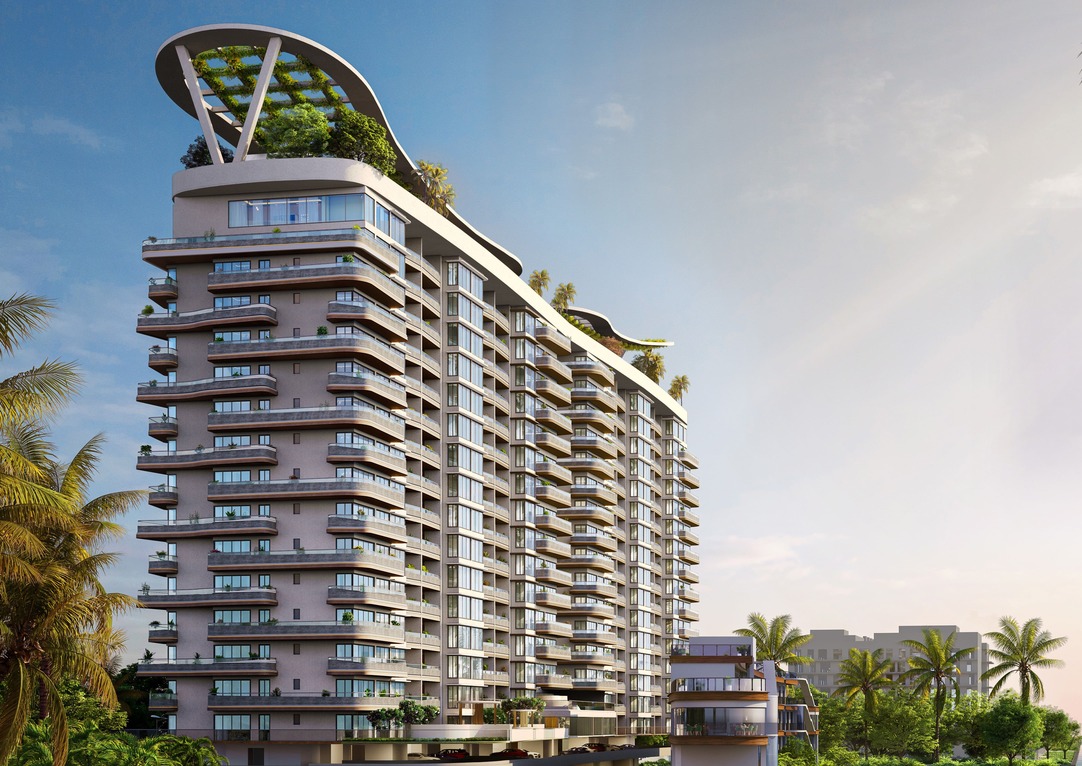
Investing in the Skyline: A Comprehensive Guide to Apartment Sales in Malé and Hulhumalé
In the global real estate landscape, the Maldives occupies a unique position. While the nation is famous for its “one island, one resort” tourism model, the domestic real estate market in the Greater Malé region has become one of the most high-yield investment frontiers in South Asia. The concentrated economic activity in the capital city, Malé, combined with the master-planned expansion of Hulhumalé, has created a real estate environment defined by extreme land scarcity and an insatiable demand for modern housing. For the domestic and international investor, the apartment market here offers a rare combination of high capital appreciation and robust rental yields. In this guide, we analyze the dynamics of apartment sales in Malé and Hulhumalé, the legal frameworks governing ownership, and the strategic outlook for the residential market.
The Malé Context: High Density, High Demand
Malé is the economic and political heartbeat of the Maldives. As one of the most densely populated cities on the planet, every square meter of land in the capital is an ultra-premium asset. Historically, real estate in Malé was dominated by family-owned houses. However, the last decade has seen a massive shift toward vertical living. Older plots are being redeveloped into high-rise apartment complexes to accommodate the growing population and the influx of expatriate professionals.
For investors, Malé offers “Blue Chip” stability. Because the city is the center of government, banking, and commerce, the demand for apartments remains constant regardless of global economic fluctuations. Renting an apartment in Malé is a competitive process for tenants, which gives owners significant “pricing power.” However, because land is so limited, the opportunities for new developments in Malé are scarce, leading to a high “resale” market value for existing apartments. For many investors, owning an apartment in Malé is seen as a “generational asset”—one that provides steady cash flow and acts as a hedge against inflation.
The Hulhumalé Evolution: From Reclamation to Metropolis
If Malé is the historic heart, Hulhumalé is the visionary extension. Reclaimed from the sea to alleviate the congestion of the capital, Hulhumalé is a master-planned city that offers something Malé cannot: space, greenery, and modern urban planning. The development is split into two distinct phases, each offering different opportunities for the real estate investor:
- Hulhumalé Phase 1: This is the mature part of the city. It features established parks, schools, hospitals, and a vibrant dining scene. Apartments here are in high demand because the “lifestyle” is already functional. For an investor, Phase 1 offers lower risk and immediate rental income, as it is the preferred residential area for airline staff, mid-to-high-level expatriates, and modern Maldivian families.
- Hulhumalé Phase 2: This is the growth frontier. While Phase 1 is about stability, Phase 2 is about capital appreciation. With several massive “Social Housing” projects already completed and numerous “Luxury Private Developments” currently under construction, Phase 2 is where the future of the Maldivian middle and upper class will live. Investors who buy “off-plan” in Phase 2 are positioning themselves for significant gains as the infrastructure—such as the upcoming commercial hubs and marinas—is completed.
The Strata Title Act: The Legal Spine of the Market
The most important legal development for the apartment market was the introduction of the Strata Act. Before this legislation, “owning” an apartment in a multi-story building was legally complex. The Strata Act changed the landscape by allowing for the individual ownership of units within a building. Each apartment now has its own registered title deed, which is independent of the other units and the land owner.
For investors, this provides the “Legal Hygiene” necessary for high-value transactions. A Strata Title means you can:
- Mortgage the Property: Banks in the Maldives, such as BML and MIB, are now comfortable providing long-term home loans and commercial financing against Strata Titles.
- Transfer and Sell: The process of selling an apartment is now a standardized legal procedure, making the market much more liquid.
- Secure Sub-Leases: It allows for the legal registration of long-term tenancies, providing security for both the landlord and the corporate tenant.
Rental Yields: Why the Numbers Make Sense
One of the primary reasons investors are flocking to Hulhumalé and Malé is the rental yield. In many global cities (like London or Hong Kong), rental yields have compressed to 2% or 3%. In the Greater Malé region, it is not uncommon to see yields ranging from 6% to 9% for high-quality, well-located apartments.
This high yield is driven by two factors:
- The Expatriate Market: The Maldives is home to thousands of foreign professionals working in the tourism, construction, and healthcare sectors. These individuals often receive housing allowances and look for modern, “serviced-style” apartments in Hulhumalé.
- Urbanization: Young Maldivian families are increasingly moving from the outer atolls to the Greater Malé region for better education and healthcare. This “internal migration” creates a permanent floor for rental demand, ensuring that occupancy rates stay near 100% for modern developments.
Price Trends: What Does an Apartment Cost?
While prices vary depending on the developer and the amenities, the market has seen a steady upward trend over the last five years. In Malé, premium apartments often command the highest prices due to their proximity to the business district. In Hulhumalé, the price “per square foot” has seen the most significant growth in beachfront properties and those overlooking the central park.
Currently, the market is seeing a surge in “Luxury Tier” apartments. These units offer features such as 24-hour security, infinity pools, gyms, and automated parking systems. For the investor, these luxury units are the most “future-proof” assets, as they cater to the growing segment of the market that values “Lifestyle” and “Security” over just “Space.” Off-plan purchases (buying before the building is finished) remain the most popular entry point for investors looking to maximize their capital gains.
Infrastructure Impact: The Bridge and Beyond
The real estate market in Hulhumalé was forever changed by the opening of the Sina-Malé Bridge. By connecting the capital directly to the airport and Hulhumalé, the bridge transformed Hulhumalé from a “satellite island” into a seamless part of the metropolitan area. This connectivity is the single biggest driver of property value in the region.
Future infrastructure projects, such as the expansion of the Velana International Airport and the development of the Thilamalé Bridge (connecting Malé to Villimalé, Gulhifalhu, and Thilafushi), will only serve to increase the value of residential property. As the “metropolitan loop” expands, Hulhumalé and Malé will remain the “Central Business District” (CBD) of the entire country, ensuring that real estate here remains the most valuable in the Maldives.
Due Diligence: How to Buy Safely
For anyone looking at apartment sales in the Maldives, due diligence is the key to a successful investment. When evaluating a developer or a specific unit, we recommend focusing on three areas:
- Developer Track Record: Investigate previous projects completed by the developer. Have they delivered on time? Is the quality of the finish consistent with their marketing? In Hulhumalé Phase 2, where many projects are still under construction, the reputation of the developer is your most important insurance.
- Management and Maintenance: An apartment’s value is only as good as the building’s management. High-end developments should have a clear “Management Agreement” in place to handle the maintenance of common areas, elevators, and security.
- Lease Duration: Most land in Hulhumalé is held on a 99-year lease from the Housing Development Corporation (HDC). Ensure that the Strata Title clearly reflects the remaining years of the lease and the terms for renewal.
Foreign Investment in Residential Property
While traditionally reserved for locals, the Maldivian residential market is increasingly opening to foreign capital through specific investment vehicles. Foreigners can often purchase apartments in “Designated Zones” through corporate entities or long-term sub-lease structures. Furthermore, the Corporate Resident Visa provides a path for residency for those who invest a significant amount (typically over $250,000) in approved real estate projects. This has made the Hulhumalé apartment market an attractive option for “lifestyle investors” from India, China, and the Middle East who want a secure, tropical base for their capital.
Conclusion: The Case for a “Skyline” Investment
The apartment market in Malé and Hulhumalé is no longer a “local secret.” It is a sophisticated, high-performing real estate sector that offers some of the best risk-adjusted returns in the Indian Ocean. With the legal security provided by the Strata Act and the constant demand driven by urban centralization, apartments in the Greater Malé region are the “Gold Standard” of Maldivian investment.
Whether you are looking for the “Blue Chip” reliability of an apartment in Malé or the high-growth potential of a beachfront penthouse in Hulhumalé Phase 2, the fundamentals of the market—scarcity, demand, and infrastructure—are all working in your favor. As the Maldives continues its journey toward becoming a modern, diversified economy, the investors who own the skyline will be the ones who reap the greatest rewards. The Greater Malé region is not just where the people are; it is where the future of Maldivian wealth is being built, one floor at a time.
Market Summary for Investors:
- Primary Market: Hulhumalé Phase 2 (High capital appreciation potential).
- Stable Market: Malé and Hulhumalé Phase 1 (Consistent high rental yields).
- Legal Protection: Strata Title Act (Provides individual ownership and bankability).
- Target ROI: 6% – 9% rental yield plus 10%+ annual capital appreciation.
- Exit Strategy: High resale demand due to extreme land scarcity.
Comments