
Property for Sale in Maldives: The Ultimate Investor’s Guide 2026
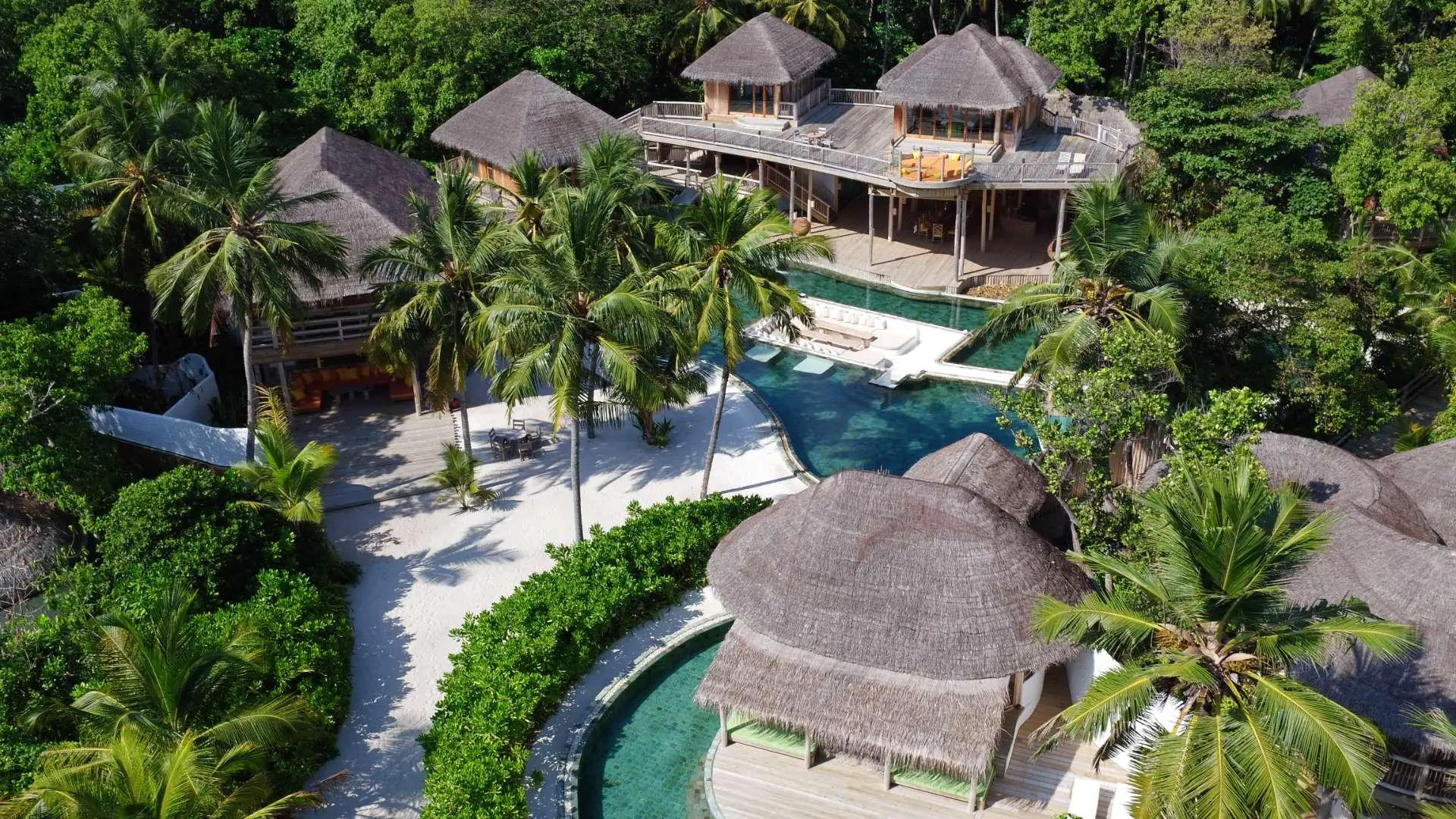
Property for Sale in Maldives: The Comprehensive Investment Guide for 2026
For decades, the Maldives was perceived exclusively as a transient paradise—a collection of world-class resorts for honeymooners and sun-seekers. However, the narrative has shifted. As we cross into mid-2026, the Maldives has matured into one of the world’s most exclusive and high-performing real estate frontiers. For the savvy investor, “Property for Sale in Maldives” is no longer just a search query for a vacation home; it is a strategic move into the “Blue Economy.”
In this definitive guide, we explore the legal landscape, the burgeoning market for private villa ownership, the rise of urban development in Hulhumalé, and why the Maldivian archipelago is currently offering some of the most attractive yields in the luxury global market.
1. The Evolution of Maldivian Real Estate
Historically, foreign ownership in the Maldives was non-existent. Land was held by the state and leased to resort operators. However, legislative shifts over the last decade—specifically the introduction of the Second Amendment to the Tourism Act and subsequent Strata Title regulations—have opened the door for private individuals to own a slice of this paradise.
Today, the market is divided into three primary sectors:
- Resort-Integrated Residences: Private villas within a five-star resort managed by international brands.
- Urban Residential: High-end apartments and penthouses in the reclaimed “City of Hope,” Hulhumalé.
- Private Island Leases: Entire islands available for development under long-term government leases.
2. Understanding the Legal Framework: Can Foreigners Buy Property?
The most frequent question we receive at Maldivesinvestments.com is: “Can a foreigner actually own land?”
The answer is a nuanced Yes. While the Maldivian Constitution generally restricts freehold land ownership to Maldivian citizens, foreign investors can acquire property through long-term leasehold agreements (typically 50 to 99 years). In specific “Integrated Tourist Resorts,” foreigners can purchase villas on a Strata Title basis. This allows you to own the structure and the right to the land it occupies for the duration of the resort’s head lease.
Recent policy updates in 2024 and 2025 have further streamlined the “Corporate Residency” program. Investors who commit a certain threshold of capital (currently starting at $1 million) are eligible for long-term residency visas, making the logistics of owning and visiting your property much simpler.
3. The Rise of Branded Residences
The hottest trend in the 2026 Maldivian property market is the Branded Residence. World-renowned hospitality giants like Ritz-Carlton, Waldorf Astoria, and Soneva have pioneered a model where private owners can buy an overwater or beachfront villa. When the owner is not in residence, the property is managed by the resort and placed back into the rental pool.
Why Branded Residences are Winning:
- Turnkey Management: Maintenance, gardening, and guest relations are handled by the resort.
- High Yields: Daily rates for luxury villas in the Maldives are among the highest in the world, often ranging from $2,000 to $15,000 per night.
- Lifestyle Perks: Owners enjoy access to resort amenities, including Michelin-starred dining, world-class spas, and private seaplane transfers.
4. Hulhumalé: The Urban Investment Hub
While the “One Island, One Resort” model dominates the luxury sector, Hulhumalé represents the Maldives’ urban future. This reclaimed island, connected to the capital Malé and the Velana International Airport by the China-Maldives Friendship Bridge, is the epicenter of residential real estate growth.
Investment in Hulhumalé Phase II is currently booming. We are seeing a surge in luxury condominium projects featuring rooftop infinity pools, smart-home technology, and views of the Indian Ocean. These properties cater to the growing expatriate community, diplomatic missions, and the wealthy local demographic. For an investor looking for capital appreciation rather than just rental yield, Hulhumalé offers a lower entry point compared to private resorts with high growth potential.
5. ROI and Financial Incentives
The Maldives is not just a “lifestyle buy”; the numbers back it up. Historically, well-managed resort villas have delivered Net Rental Yields of 5% to 9% annually.
Tax Advantages:
The Maldives maintains a relatively simple and attractive tax regime for property investors. There is no personal income tax on rental income for non-residents in many structures, and no inheritance tax. While there is a Goods and Services Tax (GST) on tourism-related services, the lack of capital gains tax on certain property transfers makes it an attractive jurisdiction for long-term wealth preservation.
6. Sustainability: The “Green” Premium
In 2026, a property’s value in the Maldives is intrinsically linked to its environmental footprint. High-net-worth investors are increasingly demanding “Blue Investments.” Properties that feature solar power integration, zero-plastic policies, and coral restoration programs are commanding higher resale values.
When searching for property for sale in the Maldives, we recommend looking for developments with EDGE or LEED certifications. Not only do these properties reduce operational costs, but they also appeal to the modern traveler who is willing to pay a premium for eco-conscious luxury.
7. Key Locations to Watch
The Maldives is an archipelago of 1,192 islands, but for real estate, three Atolls currently lead the market:
North and South Malé Atoll
The “Gold Coast” of the Maldives. Because of their proximity to the international airport, properties here have the highest occupancy rates. Investors prefer this area because it eliminates the need for expensive seaplane transfers, allowing for “speed boat accessibility” which is a major draw for short-stay luxury travelers.
Baa Atoll (UNESCO Biosphere Reserve)
Home to some of the most prestigious names in hospitality (Soneva Fushi, Anantara Kihavah). Property here is rare and highly coveted. It is the destination of choice for the ultra-wealthy who prioritize privacy and proximity to the world-famous Hanifaru Bay.
Fari Islands
A new concept in Maldivian tourism, the Fari Islands is a man-made archipelago that fosters a social “campus” feel among multiple luxury brands. Buying a residence here offers a unique social ecosystem that is hard to find in the traditional secluded resort model.
8. The Purchase Process: A Step-by-Step Guide
Navigating the purchase of Maldivian real estate requires expert guidance. Here is the typical path:
- Selection & Letter of Intent (LOI): Choose a property and secure it with a formal expression of interest.
- Due Diligence: Review the head lease of the island and the developer’s track record.
- Sales and Purchase Agreement (SPA): This document outlines the payment schedule (usually linked to construction milestones if it’s an off-plan build).
- Government Registration: The transfer of the sublease or strata title must be registered with the Ministry of Tourism.
- Escrow Accounts: Most reputable developers use escrow services to ensure funds are only released upon reaching specific building stages, protecting the buyer.
9. Risks and Mitigations
No investment is without risk. In the Maldives, the primary concerns are Climate Change and Lease Expirations.
Climate Resilience: Modern developments are built with advanced coastal protection and at higher elevations. Investing in established developers who prioritize sea-wall technology and reef health is vital.
Lease Security: Always ensure that the “Head Lease” between the resort and the government has at least 40+ years remaining. Most resorts now have the option to extend their leases for an additional fee, providing long-term security for villa owners.
10. Why Now? The 2026 Outlook
The Maldivian government is currently diversifying the economy. With the expansion of Velana International Airport to handle 7 million passengers annually, the sheer volume of high-end visitors is set to double. This infrastructure boom, combined with the limited supply of land, creates a classic supply-and-demand imbalance that favors the property owner.
Conclusion
Buying property in the Maldives is more than a financial transaction; it is an acquisition of a rare, finite resource. Whether it is a penthouse in the rising skyline of Hulhumalé or a secluded overwater sanctuary in a Baa Atoll resort, the opportunities for significant ROI and unparalleled lifestyle benefits are at an all-time high.
At Maldivesinvestments.com, we specialize in connecting international capital with Maldivian opportunity. The sun never sets on a well-placed investment in the Indian Ocean.
Frequently Asked Questions (FAQ)
Q: What is the average price for a luxury villa?
A: Prices for branded residences typically start at $1.5 million for a one-bedroom overwater villa and can exceed $25 million for multi-bedroom private estates.
Q: Can I live in the villa year-round?
A: This depends on the specific resort’s agreement. Most allow for 30 to 60 days of personal use per year to maximize the rental pool, but some “private residence” models allow for year-round living.
Q: Is there financing available?
A: While some local banks offer financing to residents, international buyers typically purchase via equity or offshore financing. Some developers offer staged payment plans over the construction period.