
A Comprehensive Guide to Land for Sale in the Maldives
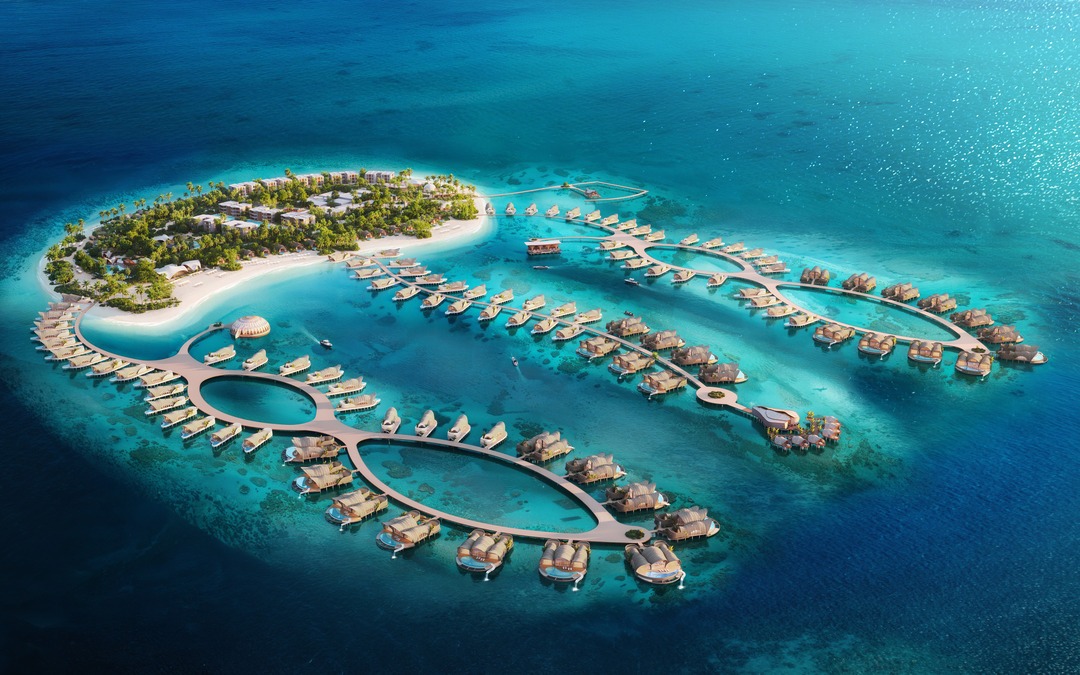
Investing in the Earth: A Comprehensive Guide to Land for Sale in the Maldives
In the world of international property investment, “land” is often considered the safest asset. In the Maldives, however, land is more than just an asset—it is a finite luxury. With over 1,190 islands but only a tiny fraction available for development, the search for land for sale in the Maldives has become a high-stakes pursuit for global investors. This guide provides deep Maldives Real Estate Insights into how land acquisition works in an archipelago where the map is constantly being redrawn through reclamation.
To reach a goal of 10,000 visitors per day, an investment platform must answer the questions that other sites ignore. While most focus on hotel bookings, savvy investors want to know about the “dirt” (or sand). Whether you are looking for a commercial plot for a boutique hotel or a residential lease in a reclaimed city like Hulhumalé, understanding the nuances of land tenure is vital.
The Rarity of Land: Why Maldives Real Estate Insights Matter
The Maldives is 99% water. This geographical reality means that land value is decoupled from global trends. In London or New York, real estate might fluctuate based on interest rates; in the Maldives, it fluctuates based on availability. As the government continues its ambitious reclamation projects, new land is being created, but the demand continues to outstrip supply.
Natural Islands vs. Reclaimed Land
When searching for land, you will encounter two distinct types: natural islands and reclaimed landmasses. Natural islands are often subject to stricter environmental protections and are usually leased as “whole islands” for resort development. Reclaimed land, such as Phase II of Hulhumalé or the Giraavaru lagoon project, offers more “urban” style plots that are suitable for residential buildings, commercial towers, and mixed-use developments.
Key Opportunities in Hulhumalé and the Greater Malé Area
According to recent Maldives Real Estate Insights, the highest concentration of land investment activity is centered in the Greater Malé region. As the economic heart of the country, this area provides the highest liquidity for land-based assets.
Hulhumalé Phase II: The Investor’s Choice
Hulhumalé is arguably the most successful reclamation project in the Indian Ocean. Phase II has specifically allocated plots for “Beachside Residences” and “Commercial Hubs.” For an investor, buying a plot here is a play on the long-term urbanization of the Maldives. With the bridge connecting the airport and the capital, these plots have seen a 200% value increase over the last five years.
The Thilafushi and Gulhifalhu Industrial Expansions
While most investors look at luxury villas, the real “hidden gems” in Maldives Real Estate Insights are the industrial and warehouse plots in Thilafushi. As the tourism industry grows, the logistical demand for storage and light manufacturing has skyrocketed. Land leases in these areas offer high rental yields from corporate tenants.
The Legal Framework for Land Acquisition
Can a foreigner “buy” land? As we have established in previous guides, the term “buy” in the Maldives refers to a long-term leasehold or a corporate interest in a land-holding entity.
Commercial Land Leases
For those looking to build a guest house or a commercial complex, land is typically leased from the government or an island council. These leases are often 25 to 50 years, with the option to renew. The “value” of the land lies in the leasehold right, which can be traded or used as collateral for development loans from banks like the Bank of Maldives or HSBC.
The Role of Island Councils
Since the decentralization reforms, local island councils have more power to lease land for local tourism. This has opened up “land for sale” opportunities on islands like Thulusdhoo and Dhiffushi. These plots are significantly cheaper than those in the capital but require a deep understanding of local community relations and environmental impact regulations.
Calculating ROI on Maldivian Land
Why invest in land rather than a finished villa? The Maldives Real Estate Insights suggest that raw land offers a higher “capital appreciation” potential.
- Entry Cost: Buying land allows for a lower initial entry point compared to buying a completed resort villa.
- Customization: Investors can build bespoke boutique properties that cater to the “Ultra-Luxury” or “Digital Nomad” niches, which are currently underserved.
- Land Banking: Many institutional investors practice “land banking”—securing a lease at current prices and waiting for infrastructure (like a domestic airport) to be completed before developing or flipping the lease.
Environmental Resilience: Future-Proofing Land Investments
A common concern among those looking at land for sale in the Maldives is climate change. However, modern reclamation projects are engineered with this in mind.
Investable land in projects like the “Maldives Floating City” or Hulhumalé is built at higher elevations than natural islands. Furthermore, investors are now prioritizing land that includes “natural sea defenses” such as healthy reef systems. In the Maldives, the health of the coral reef is directly tied to the value of the land it protects.
Step-by-Step Guide to Purchasing a Land Lease
- Plot Identification: Use a specialized broker to find available government tenders or private lease transfers.
- Technical Survey: Conduct a topographic and environmental survey to ensure the land is suitable for your intended build.
- Ministry Approval: Submit your development proposal to the Ministry of Economic Development (for foreign investors) or the relevant Island Council.
- Lease Agreement: Execute the Deed of Lease, ensuring it is registered with the Maldives Land and Survey Authority to protect your title.
The Future: Emerging Land Markets in the North and South
As the Greater Malé area becomes saturated, the next wave of Maldives Real Estate Insights points toward the Far North (Haa Alifu) and the Far South (Addu City).
Addu City, with its unique “bridge-connected” islands and international airport, offers land prices that are a fraction of Malé’s. Investors who move into these markets now are positioned to benefit from the government’s plan to decentralize tourism and create “secondary hubs.”
Conclusion: Securing Your Slice of Paradise
Finding land for sale in the Maldives requires patience, local expertise, and a long-term vision. It is not a “get rich quick” market, but it is one of the most stable and prestigious land markets in the world. By focusing on high-elevation reclaimed land or strategic plots in the burgeoning local island sector, investors can secure an asset that will only become more valuable as the world’s oceans—and its tourism demands—evolve.
Whether you are an individual looking to build a dream home or a corporation planning a multi-million dollar resort, the land is the foundation of your success. Stay tuned to our Maldives Real Estate Insights for the latest government land tenders and off-market opportunities.