
Opening a Boutique Guesthouse in the Maldives
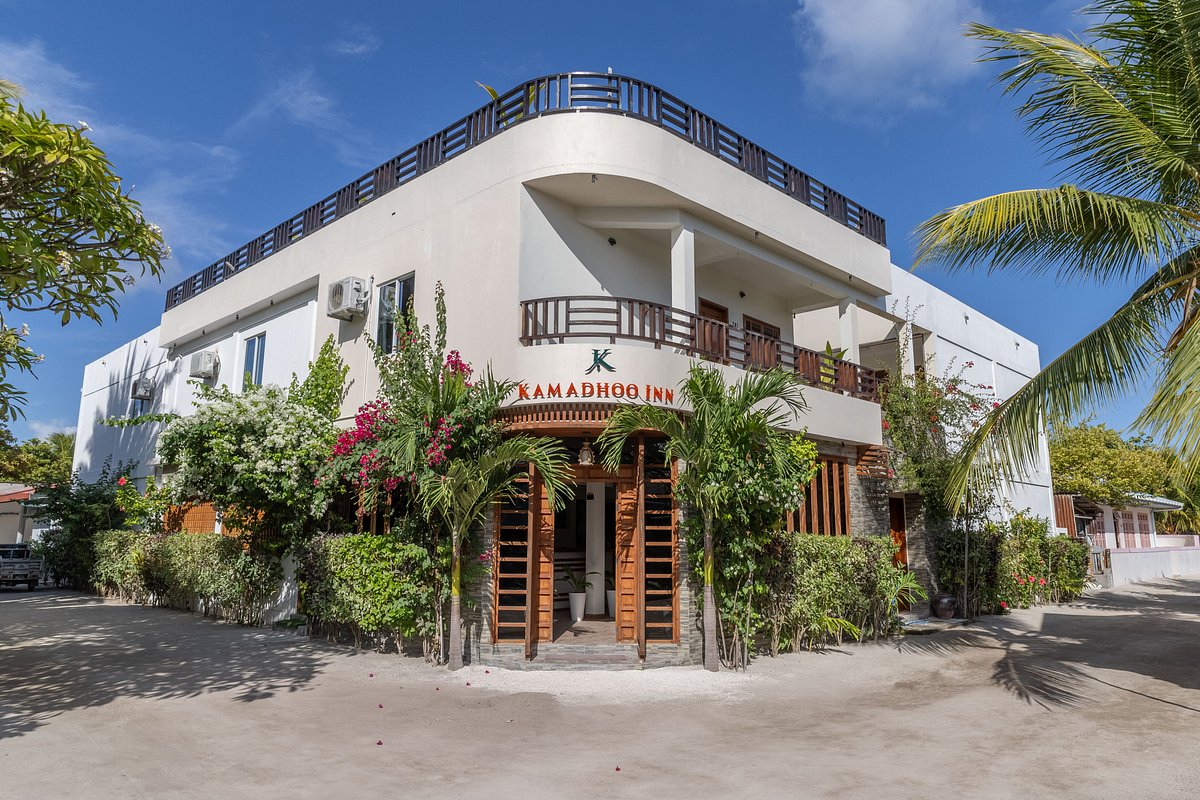
Opening a Boutique Guesthouse in the Maldives: A 2026 Profitability and Licensing Masterclass
For decades, the Maldivian tourism industry was a “closed shop,” dominated by billionaire resort owners and international hotel conglomerates. However, as we move through 2026, a democratic revolution is taking place on the local islands. The shift toward experiential travel has created a massive demand for high-end, locally integrated stays. Today, the most exciting opportunity for the mid-tier investor is not buying a resort, but choosing to open a boutique guesthouse in the Maldives.
With the 2025 update to the Foreign Direct Investment (FDI) Act and the introduction of new SME-friendly licensing frameworks in 2026, foreign entrepreneurs can now enter the local island market with more security and lower capital requirements than ever before. This 1,400-word masterclass will guide you through the legal, financial, and operational steps of launching a successful boutique guesthouse in the “Blue Economy.”
The 2026 Market Shift: Why Local Islands are Booming
The “One Island, One Resort” model is no longer the only way to experience the Maldives. In 2026, a new generation of travelers—Gen Z and Millennial high-earners—are seeking “Authentic Luxury.” They want to dive with whale sharks in the morning, but they also want to walk through a local village, eat at a traditional café, and understand the Maldivian way of life in the evening.
This has led to the rise of the “Boutique Guesthouse.” Unlike the budget “backpacker” rooms of 2015, the 2026 boutique guesthouse offers 4-star amenities, infinity pools, and farm-to-table dining, all situated on inhabited islands. For the investor, this means lower overheads, easier access to local staff, and a significantly faster path to profitability.
Legal Framework: Can a Foreigner 100% Own a Guesthouse?
This is the most common question for those looking to open a boutique guesthouse in the Maldives. In 2026, the answer is nuanced. Traditionally, guesthouses on local islands were reserved for 100% Maldivian ownership. However, under the Foreign Investment Act of 2026, foreign investors can now hold up to 49% or 75% equity in a guesthouse business, depending on the island’s classification and the total investment amount.
Alternatively, many investors choose a “Long-Term Lease & Management” model. In this setup, the foreign investor leases a land plot or an existing building from a local owner for 25–50 years. The foreigner owns the management company (which can be 100% foreign-owned) and the brand, while the land remains in local hands. This model provides the highest level of legal security and is the preferred route for boutique operators in 2026.
Step-by-Step: The Licensing Process in 2026
Opening a hospitality business in a foreign country can be a bureaucratic challenge. In 2026, the Maldives has centralized this process through the “One-Stop-Shop” Investor Portal. Here is the simplified roadmap:
1. Foreign Investment Approval (FDI)
You must first submit your business proposal to the Ministry of Economic Development. In 2026, you must demonstrate a minimum capital investment (usually $200,000 for guesthouses) and a plan for “Local Capacity Building”—showing how you will train and employ Maldivian staff.
2. Company Incorporation
Once FDI approval is granted, you incorporate a Maldivian Private Limited Company. This company will hold the lease agreements and the operating licenses.
3. Construction and Ministry of Tourism Permit
All guesthouses must meet strict “Tourism Standards.” This includes specific room sizes, environmental waste management systems, and fire safety protocols. In 2026, there is a heavy emphasis on Sustainable Architecture; guesthouses that incorporate solar power and desalination systems receive “Fast-Track” approval.
4. The Operating License
After a physical inspection by the Ministry of Tourism, you are issued your “Guesthouse Operating License.” You are now legally allowed to sell rooms and welcome guests.
Choosing the Right Island: 2026 Hotspots
Where you choose to open a boutique guesthouse in the Maldives will determine your occupancy rates. In 2026, we categorize islands into three tiers:
- Tier 1: Established Hubs (Maafushi, Dhigurah). These islands have massive existing traffic and great connectivity. Occupancy is guaranteed, but land leases are expensive and competition is high.
- Tier 2: Emerging Growth (Addu City, Thulusdhoo). These islands are the “Sweet Spot” in 2026. Addu City, with its own international airport, is seeing a surge in demand but still offers affordable land leases.
- Tier 3: The Untapped Frontier (Laamu, Huvadhoo). These are for the long-term visionary. While harder to reach, they offer the “Ultimate Boutique” experience that high-paying guests crave.
Financials and ROI: What to Expect
A typical 10-room boutique guesthouse in 2026 requires an initial investment of $350,000 to $500,000 (including lease acquisition, renovation, and 6 months of working capital).
Revenue Projections (2026 Average):
- Average Daily Rate (ADR): $180 – $350 USD
- Average Occupancy: 65%
- Estimated Annual Revenue: $420,000 – $650,000 USD
- Net Profit Margin: 25% – 35%
Most boutique operators in 2026 are seeing a full Return on Investment (ROI) within 3.5 to 5 years, which is incredibly fast compared to European or Caribbean hospitality markets.
The Operational Challenge: Staffing and Logistics
While the financials are attractive, the operations require “boots on the ground.” In 2026, the biggest challenge is logistics. All food, beverage, and maintenance supplies must be barged in from Malé or the nearest regional hub.
Staffing: Under 2026 laws, at least 50% of your staff must be Maldivian. This is an advantage, as local staff provide the authentic hospitality that guests are paying for. However, you will need a strong “Island Manager” who understands the local culture and can navigate the unique social dynamics of inhabited islands.
Marketing in 2026: The Power of Social Proof
You cannot rely on Walk-ins. To succeed in 2026, your boutique guesthouse must be a “Destination” in its own right. This means:
- Instagrammable Design: Every corner of your guesthouse should be a photo opportunity.
- Direct Booking SEO: Relying solely on OTAs like Booking.com or Airbnb will eat 15-20% of your margin. In 2026, having a website that ranks for “Boutique stay [Island Name]” is vital.
- Influencer Partnerships: In the 2026 Maldives market, inviting “Travel Creators” to stay and document their experience is the most effective way to fill your calendar.
Conclusion: Is 2026 the Year to Make the Move?
The window of opportunity to open a boutique guesthouse in the Maldives is currently wide open, but it won’t stay that way forever. As more international capital flows into the local islands, land prices are rising. For the entrepreneur who wants to combine a lifestyle change with a high-yield business, the 2026 regulatory environment provides the perfect entry point.
Owning a guesthouse in the Maldives is about more than just profit; it’s about becoming a part of a community, contributing to the local economy, and living in one of the most beautiful places on Earth. If you have the capital and the passion, 2026 is the year to plant your flag in the sand.