
Property Flipping in Malé
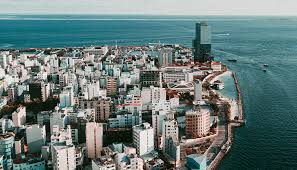
Property Flipping in Malé: Can You Still Make a Profit Renovating Older Apartments in 2026?
In the world of international real estate, the “Fix and Flip” model is often associated with the suburbs of Florida or the brownstones of London. However, in 2026, one of the most profitable—and overlooked—urban investment frontiers is the capital city of the Maldives. While the headlines focus on the massive reclamation projects in Hulhumalé and Ras Malé, a quiet but lucrative secondary market is thriving in the dense, high-energy streets of Malé City. The question for the 2026 investor is clear: Is property flipping in Malé still a viable path to high returns?
As the administrative and financial heartbeat of the nation, Malé suffers from a permanent supply-demand imbalance. There is simply no more land. This scarcity has created a unique “Renovation Economy.” Older apartment blocks, built 15–20 years ago, are being outclassed by modern luxury standards, creating a “Value Gap” that savvy investors are now exploiting. This 1,400-word guide analyzes the ROI of urban flipping, the 2026 demand drivers, and the tactical steps to succeed in the Maldivian urban core.
The 2026 Value Gap: Why “Old Malé” is a Goldmine
In mid-2026, the price per square foot in a “New Build” luxury apartment in Malé has reached historic highs. However, many older 3-bedroom and 4-bedroom apartments in the Henveiru and Maafannu districts are selling at a 30-40% discount because they lack modern amenities, efficient floor plans, and smart-home integration.
This is where property flipping in Malé becomes profitable. By acquiring these “Legacy Units,” gut-renovating them to 2026 luxury standards, and adding premium finishes, investors are able to “Manufacture Equity.” In a city where corporate expats and high-ranking government officials are desperate for “Western-Standard” living spaces, a renovated apartment can see its value jump by 50% in as little as six months.
The Target Demographic: Who is Buying and Renting?
To succeed at flipping, you must know your exit. In 2026, the demand for renovated urban space in Malé comes from three primary sources:
- The Corporate Expat: With the 2026 expansion of the Maldives International Financial Centre, thousands of foreign professionals (lawyers, bankers, and tech consultants) have moved to the city. They want high-speed fiber, modern kitchens, and soundproof windows—features rarely found in older Malé builds.
- The “Pearl Residence” Investor: Some foreign investors want the residency visa but prefer the “city life” and business proximity of Malé over the resort life. A fully renovated, “Turnkey” city apartment is the perfect asset for this buyer.
- Local High-Earners: Successful Maldivian entrepreneurs are moving away from multi-generational living toward private, modern luxury units within the city.
Neighborhood Analysis: Where to Flip in 2026
Not all of Malé is created equal. Your ROI will depend heavily on the ward you choose:
1. Henveiru: The “High-End” Flip
Henveiru remains the most prestigious ward in Malé. It is home to embassies, high-end restaurants, and the Artificial Beach. Property flipping in Malé’s Henveiru district is focused on the “Ultra-Luxury” segment. Investors here target old 10th-floor penthouses, adding rooftop terraces and floor-to-ceiling glass to capture the ocean views. Resale margins here are the highest in the city.
2. Maafannu: The “Corporate” Flip
Located near the commercial harbor and the new bridge connectivity points, Maafannu is the business engine. Flipping here should focus on “Executive Suites”—smaller, highly efficient 2-bedroom units that appeal to the professional class who need to be near the port and the financial district.
3. Galolhu: The “Residential” Value Play
Galolhu is the heart of the city. While it lacks ocean views, it is the most central. Property flipping here targets families. By taking an old, cramped 4-bedroom unit and opening up the floor plan to create a modern “Open Concept” living area, investors can command a significant premium from local families looking for space.
The 2026 Renovation Checklist: What Increases Value?
In 2026, you cannot just “slap on a coat of paint.” To achieve a 20%+ ROI on a flip, your renovation must include:
- Soundproofing: Malé is loud. High-quality double-glazed windows and acoustic insulation are the #1 requested feature from tenants in 2026.
- Smart-Home Integration: Voice-controlled lighting, smart AC (to save on electricity), and biometric door locks are now standard in luxury urban flips.
- Custom Storage: Malé apartments are small. Integrated, “hidden” storage solutions add massive perceived value to a buyer.
- Ventilation & Light: Older buildings are often dark and damp. Modern flips use “light wells” and advanced HVAC systems to create a healthy indoor environment.
Financial Analysis: The “Flip” ROI
Let’s look at a typical 2026 renovation project in Henveiru:
- Acquisition Cost (Aged 3-Bed Unit): $450,000 USD
- Renovation Budget (Premium Finish): $120,000 USD
- Closing & Legal Fees: $15,000 USD
- Total Investment: $585,000 USD
- Market Value After Renovation: $750,000 – $800,000 USD
- Estimated Net Profit: $165,000 – $215,000 USD
- ROI: 28% – 36% (within 6–8 months)
Compare this to a 6-8% annual rental yield, and it’s clear why property flipping in Malé is becoming the strategy of choice for active capital.
Regulatory Hurdles: Construction and Permits
Flipping in Malé is not without its challenges. The 2026 Maldives Building Code is strict. Before you begin a renovation, you must ensure that your plans do not violate structural integrity laws, especially in older buildings.
Furthermore, since Malé is so densely populated, logistics are difficult. Moving construction materials in and out of narrow streets (Galis) requires careful coordination and often nighttime permits. We recommend working with an “Urban Specialized” contractor who understands the local council (City Council) regulations to avoid costly delays or fines.
Exit Strategies: Sell vs. “BRRR”
While many investors look for a “Quick Flip” (Buy, Renovate, Sell), many in 2026 are moving toward the BRRR Strategy (Buy, Renovate, Rent, Refinance).
Because the **Bank of Maldives (BML)** and other regional banks are now offering “Renovation Refinancing” packages, an investor can flip the property, put a high-paying corporate tenant in place, and then refinance the property at its new, higher valuation. This allows you to pull your initial capital out to start your next flip while keeping the property as a high-yielding, long-term asset.
Risk Mitigation: The “Greater Malé” Factor
Is there a risk that everyone moves to Hulhumalé, leaving Malé empty? In 2026, the data says no. While Hulhumalé is the “New City,” Malé remains the “Legacy City.” It is where the power is. For the foreseeable future, Malé will remain the primary destination for the “Working Elite.” However, to mitigate risk, always ensure your flip is within a 5-minute walk of the main “Connectivity Points” (ferry terminals or the bridge entrance).
Conclusion: The Urban Frontier
Property flipping in Malé is a high-reward strategy for the investor who isn’t afraid to get their hands dirty. As the capital continues its vertical transformation, the opportunity to take “Old Malé” and turn it into “New Luxury” is one of the most profitable plays in the 2026 Indian Ocean market.
If you have the capital and the vision to see past the peeling paint of an old Henveiru apartment, the rewards are waiting. In a city where every square inch is accounted for, the only way to create new value is through innovation and renovation. 2026 is the year of the Urban Flip.