The Maldives has long been regarded as the world’s premier luxury tourism destination. However, in recent years, a significant shift has occurred in the nation’s economic landscape. What was once a market exclusively for short-term holidaymakers has evolved into a sophisticated frontier for international real estate investment. With the development of massive urban projects like Hulhumalé and the groundbreaking "Eco-City" of Ras Malé, the question on the minds of high-net-worth individuals and institutional investors is no longer "if" they can own a piece of paradise, but "how." This guide provides a comprehensive analysis of the legal frameworks, financial structures, and strategic opportunities for foreign property ownership in the Republic of Maldives.
The Legal Foundation: Leasehold vs. Freehold
To navigate the Maldivian real estate market, one must first understand the fundamental distinction between leasehold and freehold ownership. Historically, land in the Maldives has been a precious and finite resource, strictly controlled by the state. Under the Maldivian Land Act, land is generally owned by the government and leased to developers or individuals.
For the foreign investor, "ownership" typically manifests as a long-term lease. These leases are often granted for periods of 50 to 99 years. While the term "lease" might sound temporary to those accustomed to Western freehold markets, in the context of the Maldives, a 99-year lease provides the legal stability and security required for significant capital investment. These leases are transferable, mortgageable, and provide the holder with nearly all the practical rights associated with traditional ownership. Furthermore, the government has introduced specific "Strata Title" regulations that allow for the ownership of individual apartments and floors within a building, which has revolutionized the residential investment market.
The Strata Title Revolution
The introduction of the Strata Title system is perhaps the most significant legal development for the Maldivian real estate sector. This legislation allows for the subdivision of a building into individual units, each with its own separate legal title. For foreign investors, this means they can purchase a luxury apartment in an urban center like Ras Malé or Hulhumalé and hold a registered title for that specific unit.
Under current regulations, foreign nationals are permitted to purchase strata-titled properties in designated investment zones. This has opened the door for "buy-to-let" strategies, where investors purchase premium residential units to tap into the high-demand rental market of the Greater Malé region. With rental yields in the capital region often outperforming major global cities, the Strata Title system has become the primary vehicle for foreign residential investment in the country.
Investment Categories: Resorts, Guesthouses, and Residential
Foreign property investment in the Maldives generally falls into three distinct categories, each with its own regulatory requirements and financial profile:
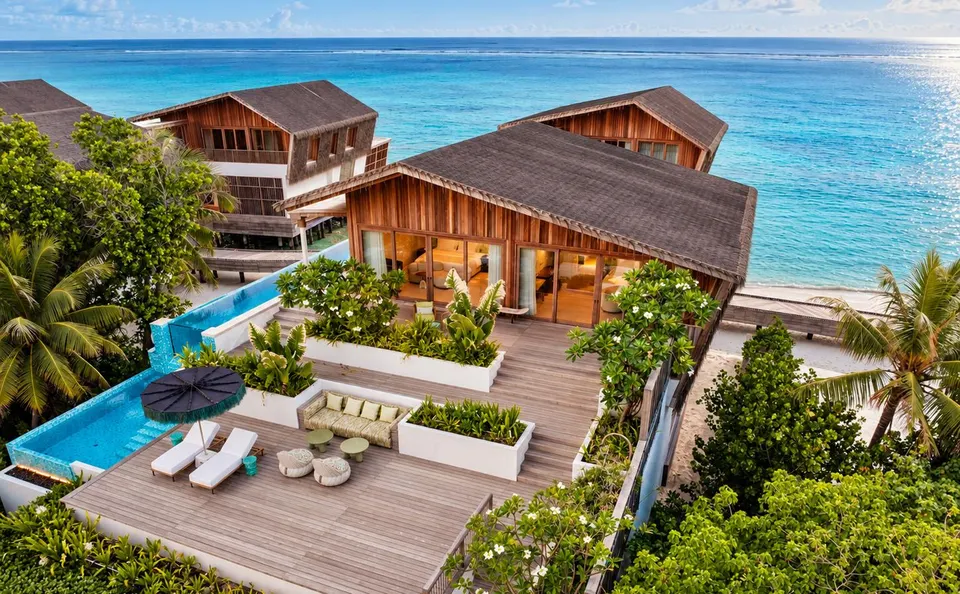
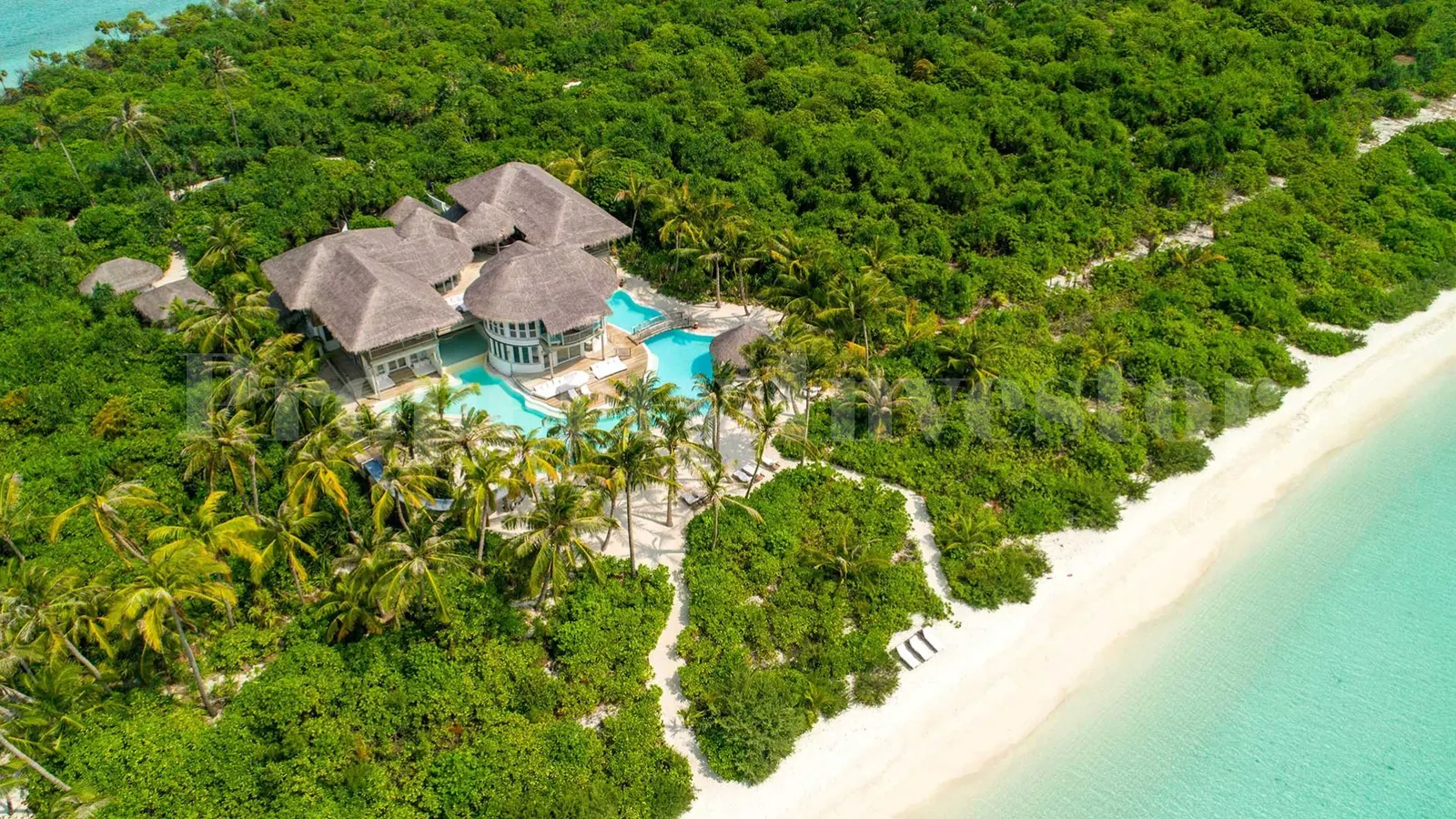
- Resort Development: This is the highest tier of investment. It involves leasing an entire uninhabited island from the government for the purpose of building a luxury resort. These leases are typically won through a competitive bidding process managed by the Ministry of Tourism. While the capital requirements are high (often exceeding $50 million), the ROI is driven by the Maldives' position as a global leader in Average Daily Rates (ADR).
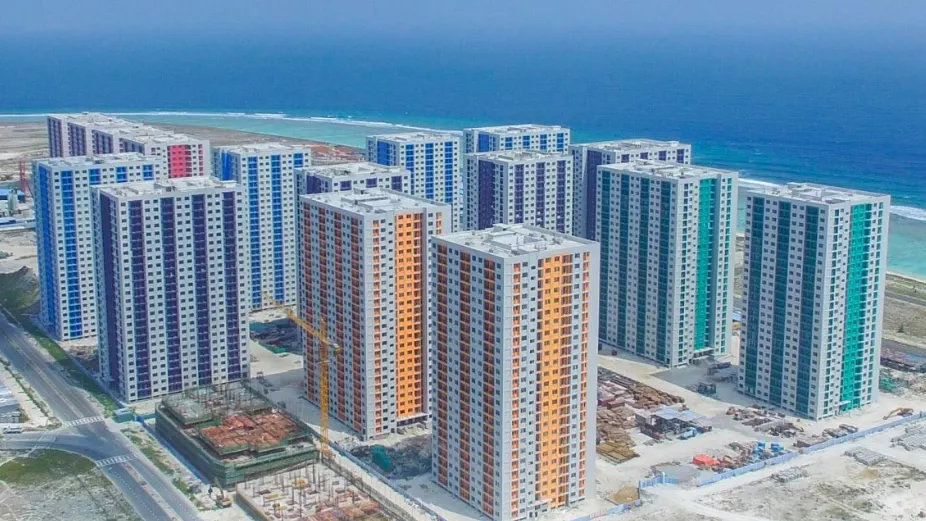
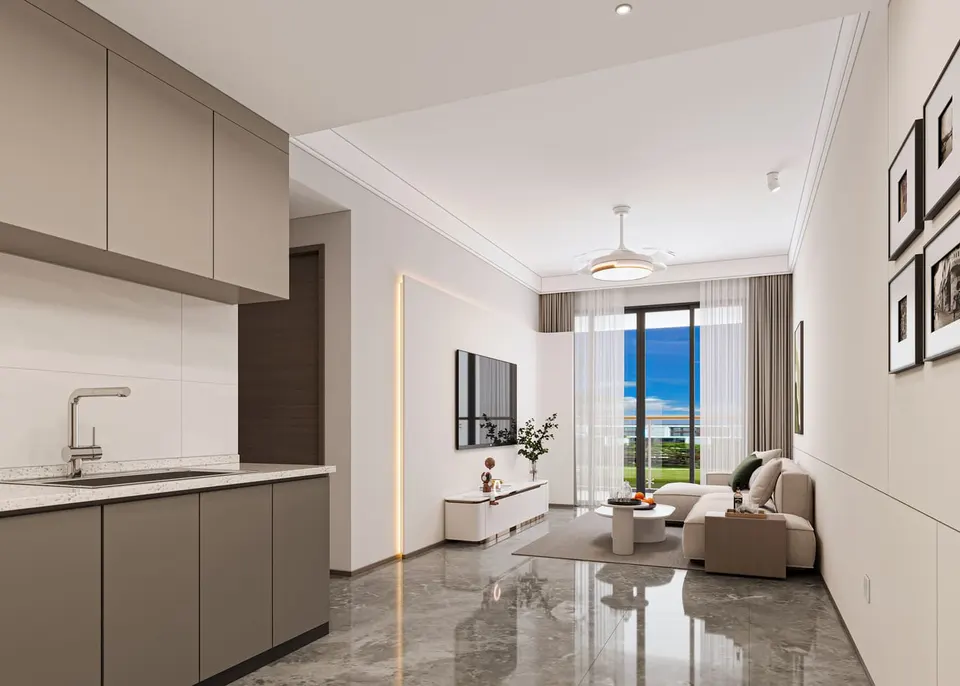
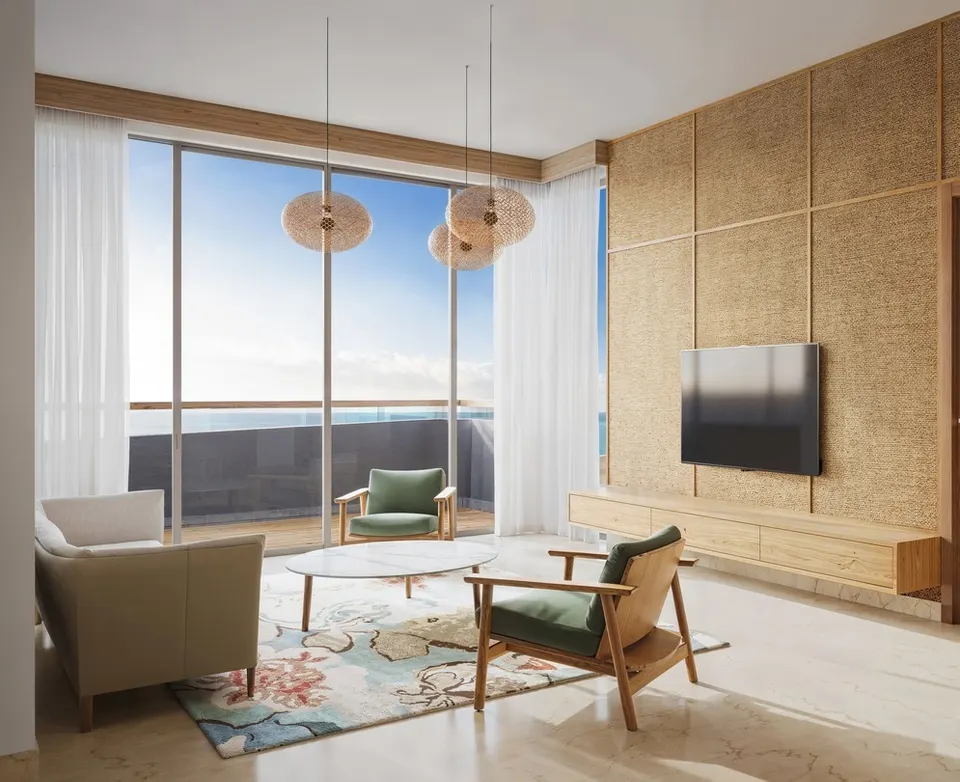
- Residential Real Estate: Focusing on high-rise developments in urban centers. This is currently the fastest-growing sector, fueled by the Ras Malé masterplan. Investors look for "off-plan" opportunities in luxury towers that offer amenities such as private pools, gyms, and 24-hour security.
- Local Island Guesthouses: Since 2010, the Maldives has allowed the development of tourist facilities on inhabited islands. While direct land ownership on these islands is reserved for Maldivian citizens, foreign investors can enter this market through Joint Ventures (JVs) or long-term sub-leases of beachfront land. This sector offers a lower entry point and high growth potential in the "mid-market" tourism segment.
The Financial Framework: Taxation and Capital Flow
From a financial perspective, the Maldives offers a surprisingly attractive environment for foreign capital. One of the nation’s greatest strengths is its transparent policy regarding the repatriation of profits. Foreign investors are entitled to 100% repatriation of their earnings in the original currency of investment. This is a critical factor for international funds and HNWIs who require liquidity and ease of movement for their capital.
The tax landscape is also relatively straightforward. While there is no personal income tax for non-residents on overseas earnings, property-related taxes include:
- TGST (Tourism Goods and Services Tax): Currently at 16%, this applies to all tourism-related transactions, including short-term rentals of investment properties.
- Green Tax: A small daily fee charged to tourists, which funds environmental protection projects—a key factor in maintaining the value of the property over time.
- Corporate Income Tax: Companies registered for foreign investment are subject to a corporate tax rate (typically 15% on profits), though various exemptions may apply depending on the size and nature of the investment.
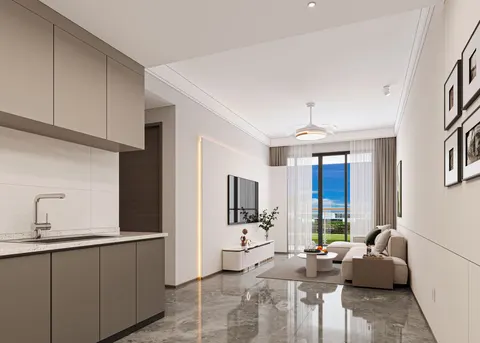 For sale nowFrom MVR 3.6M1+1 Bedroom Apartments at Bayfancy · Hulhumalé
Banking and Financing for Foreigners
Securing financing within the Maldives as a foreign national can be complex, but it is becoming more accessible. Major institutions like the Bank of Maldives (BML) and the Maldives Islamic Bank (MIB) have experience dealing with international clients. However, many foreign investors choose to bring their own financing or leverage equity from their home countries.
For those looking to open local accounts, the process is well-regulated. Investors must undergo rigorous "Know Your Customer" (KYC) and Anti-Money Laundering (AML) checks, ensuring that the Maldivian financial system remains a clean and reputable environment for international business. Once established, these banking relationships allow for seamless payment of utilities, management fees, and the collection of rental income.
The Role of Ras Malé in Property Appreciation
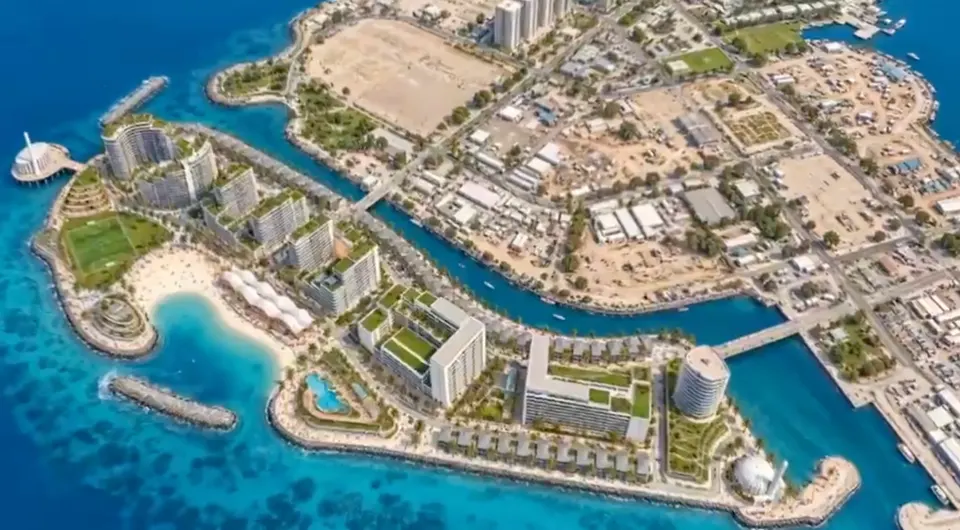
Any discussion of property ownership in the Maldives must highlight the impact of the Ras Malé project. As the nation’s first "Eco-City," Ras Malé is being built to international standards that specifically cater to a global demographic. For property owners, the 3-meter elevation of the reclaimed land is not just an environmental feature—it is a "capital preservation" feature.
In the world of real estate, risk is often linked to environmental factors. By investing in a city that is explicitly designed to withstand sea-level rise for the next century, investors are mitigating one of the primary long-term risks associated with island real estate. This makes property in Ras Malé significantly more "bankable" for international lenders and more attractive for secondary market resale. The projected appreciation for early-stage units in Ras Malé is expected to mirror the 200-300% growth seen in Hulhumalé Phase 1 over the last decade.
The Residency Advantage: Corporate Resident Visas
The Maldivian government has introduced a compelling incentive for large-scale investors: the Corporate Resident Visa. This is effectively the Maldives’ version of a "Golden Visa." Foreigners who invest a minimum amount (currently set at $250,000 as a fixed deposit or in a government-approved project) are eligible for long-term residency.
For property owners, this visa provides the right to reside in the Maldives, open local bank accounts, and enjoy a simplified entry and exit process at the airport. This turns an "investment" into a "lifestyle asset." For HNWIs from regions with colder climates or volatile political landscapes, the ability to own a luxury apartment in a safe, tropical "Eco-City" while holding legal residency is a powerful proposition that is driving much of the current demand in the South Malé Atoll.
Due Diligence: Navigating the Purchase Process
Investing in Maldivian property requires a structured "Due Diligence" process. It is highly recommended that foreign investors follow these steps:
- Registration with the Ministry of Economic Development: All foreign investments must be registered and approved. This ensures that your capital is legally recognized and protected under Maldivian law.
- Legal Review of Lease Agreements: Ensure that the lease terms are clearly defined, including the right to sub-lease, mortgage, and transfer the title.
- Verification of Developer Track Record: Especially when buying "off-plan" in projects like Ras Malé, it is vital to work with developers who have a proven history of delivery and quality.
- Understanding Maintenance Fees: Just like a luxury condo in New York or Dubai, Maldivian apartments come with service charges for the upkeep of pools, gyms, and security. These should be factored into your ROI calculations.
Conclusion: The Future of Maldivian Real Estate
Foreign property ownership in the Maldives has transitioned from a niche luxury to a mainstream investment opportunity. The combination of the Strata Title system, the 100% repatriation of profits, and the visionary urban planning of Ras Malé has created a unique "Blue Ocean" for international capital.
While the market is more complex than a traditional freehold jurisdiction, the rewards—both in terms of rental yields and capital appreciation—are significantly higher. As the Maldives continues to diversify its economy and build for a climate-resilient future, the investors who move today are the ones who will own the most valuable real estate in the Indian Ocean tomorrow. The Maldives is no longer just a place to visit; it is a place to invest, to stay, and to grow wealth.
Key Facts for Foreign Investors:
- Minimum Investment for Residency: $250,000 (Subject to change).
- Lease Terms: Typically 50 to 99 years.
- Profit Repatriation: 100% allowed.
- Primary Investment Vehicle: Strata-titled apartments in urban zones.
- Key Regulator: Ministry of Economic Development / Ministry of Tourism.