Velana International Airport Expansion: How Aviation Upgrades Are Boosting Maldives Investment
Air connectivity is the lifeline of the Maldives. As a nation made up of scattered islands across the Indian Ocean, nearly every international visitor, investor, and shipment enters the country by air. Recognizing this critical dependency, the Maldives has embarked on one of its most important infrastructure projects: the expansion of Velana International Airport (VIA), along with upgrades to regional airports across the archipelago.
These aviation developments, supported by foreign financing and international contractors, are not just about improving travel convenience. They are strategic investments designed to unlock long-term economic growth, expand tourism capacity, stimulate real estate development, and attract global business activity.
The Strategic Importance of Velana International Airport
Located near the capital region, Velana International Airport serves as the primary gateway to the Maldives. The vast majority of tourists, business travelers, and foreign investors arrive through this hub before transferring to resorts or other islands.
For decades, airport capacity constraints limited the country’s ability to grow tourism beyond a certain threshold. Congestion during peak seasons, limited terminal space, and operational inefficiencies created bottlenecks that affected visitor experience and airline operations.
The expansion project aims to eliminate these constraints and position the Maldives as a world-class aviation hub capable of handling future demand.
- Increased passenger capacity
- Modern international terminal facilities
- Improved cargo handling capabilities
- Enhanced aircraft parking and operations
- Better passenger experience and efficiency
New Passenger Terminal and Facilities
The centerpiece of the expansion is a state-of-the-art international passenger terminal designed to accommodate millions of travelers annually. This modern facility will feature advanced check-in systems, spacious lounges, retail areas, and improved security processes.
For tourists, the new terminal creates a strong first impression of the Maldives as a premium destination. For investors and business travelers, it signals the country’s readiness to support large-scale economic activity.
Additional infrastructure includes upgraded runways, taxiways, and navigation systems, enabling the airport to handle more wide-body aircraft from long-haul markets such as Europe, the Middle East, and East Asia.
Cargo and Logistics Expansion
While tourism often dominates discussions about the Maldives economy, cargo operations are equally important. The country relies heavily on imports for food, construction materials, fuel, and consumer goods. Efficient cargo handling reduces costs and improves supply chain reliability.
The airport expansion includes modern cargo facilities capable of processing larger volumes of freight more quickly. This benefits not only local businesses but also international companies considering operations in the Maldives.
Improved logistics infrastructure can support sectors such as:
- Construction and infrastructure development
- Hospitality supply chains
- Retail and e-commerce
- Medical and pharmaceutical imports
- High-value export opportunities
Regional Airport Development Across the Maldives
Beyond the main airport, several regional airports are being upgraded to accommodate international flights. These developments aim to decentralize tourism and economic activity, allowing visitors to reach remote atolls directly without passing through the capital.

Direct international access to outer islands can dramatically reduce travel time to resorts and open new areas for development. Previously underutilized regions may become attractive locations for new hotels, residential communities, and commercial projects.
Regional airport improvements typically include runway extensions, terminal upgrades, and navigation enhancements to meet international aviation standards.
Impact on Tourism Growth
Tourism accounts for a significant portion of the Maldives’ GDP, making aviation infrastructure a key driver of national prosperity. Increased airport capacity allows more airlines to operate routes, reduces seasonal congestion, and improves overall visitor experience.
As travel becomes easier and more efficient, the country can attract a broader range of tourists, including families, business travelers, and high-spending luxury visitors. This diversification strengthens the industry’s resilience against global market fluctuations.
New resorts and tourism projects often depend on reliable air access. Without adequate infrastructure, even the most beautiful island locations remain commercially unviable.
Real Estate and Property Market Effects
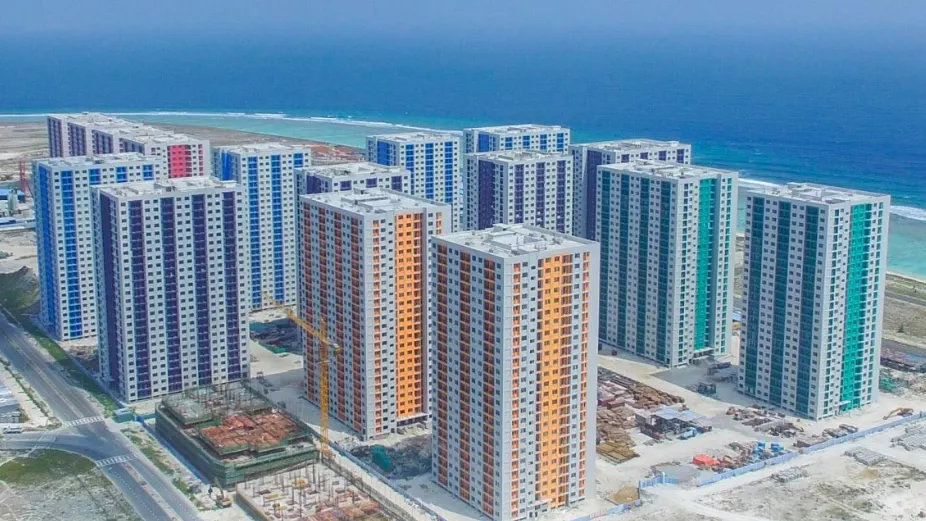
Infrastructure improvements typically lead to rising property values, particularly in areas close to major transport hubs. The airport expansion is expected to increase demand for housing, commercial space, and hospitality-related developments in the capital region and surrounding islands.
Investors may find opportunities in:
- Residential developments for expatriates and workers
- Hotels and serviced apartments
- Retail and commercial complexes
- Logistics and warehousing facilities
- Office space for international companies
Improved accessibility also makes previously remote islands viable for tourism or residential projects, expanding the overall real estate market.
Job Creation and Economic Multiplier Effects
Large infrastructure projects generate employment both directly and indirectly. Construction work alone requires thousands of skilled and unskilled laborers, engineers, and project managers. Once completed, expanded airport operations create permanent jobs in aviation, security, retail, hospitality, and logistics.
The multiplier effect extends to supporting industries such as transportation, food supply, maintenance services, and professional consulting. Increased economic activity leads to higher government revenue, which can be reinvested in public services and further development.
Foreign Investment and International Partnerships
The scale of aviation projects in the Maldives often requires collaboration with foreign governments, financial institutions, and engineering firms. These partnerships bring not only capital but also technical expertise and global best practices.
Successful completion of such projects enhances investor confidence, demonstrating the country’s ability to manage complex developments and maintain stable economic policies.
International cooperation also strengthens diplomatic and trade relationships, opening doors for additional investments in other sectors.
Environmental and Sustainability Considerations
Given the Maldives’ fragile ecosystem, airport expansions must balance development with environmental protection. Modern construction techniques aim to minimize ecological impact while incorporating energy-efficient systems and sustainable design principles.
Efforts may include coastal protection measures, responsible waste management, and energy-saving technologies. Maintaining environmental integrity is essential for preserving the natural beauty that attracts tourists in the first place.
Future Outlook for Aviation in the Maldives
Global travel demand is expected to continue growing over the coming decades, particularly in luxury and experiential tourism segments. With upgraded infrastructure, the Maldives is well positioned to capture a larger share of this market.
Potential future developments include new airline routes, increased cargo operations, and enhanced regional connectivity within South Asia and the Middle East. Advances in aviation technology, such as more fuel-efficient aircraft, may further improve accessibility.
The expansion of Velana International Airport and the modernization of regional airports represent far more than transportation upgrades. They are foundational investments that support tourism growth, real estate development, business expansion, and overall economic resilience.
For investors, improved aviation infrastructure signals long-term confidence in the Maldives as a global destination for travel, commerce, and property ownership. As connectivity improves, opportunities across multiple sectors are likely to expand, making this one of the most consequential development initiatives in the country’s history.
Understanding the impact of these projects can help investors and businesses position themselves strategically for the next phase of growth in the Maldives.