
Investing in Accessory Dwelling Units (ADUs): 2026 ROI Analysis by State
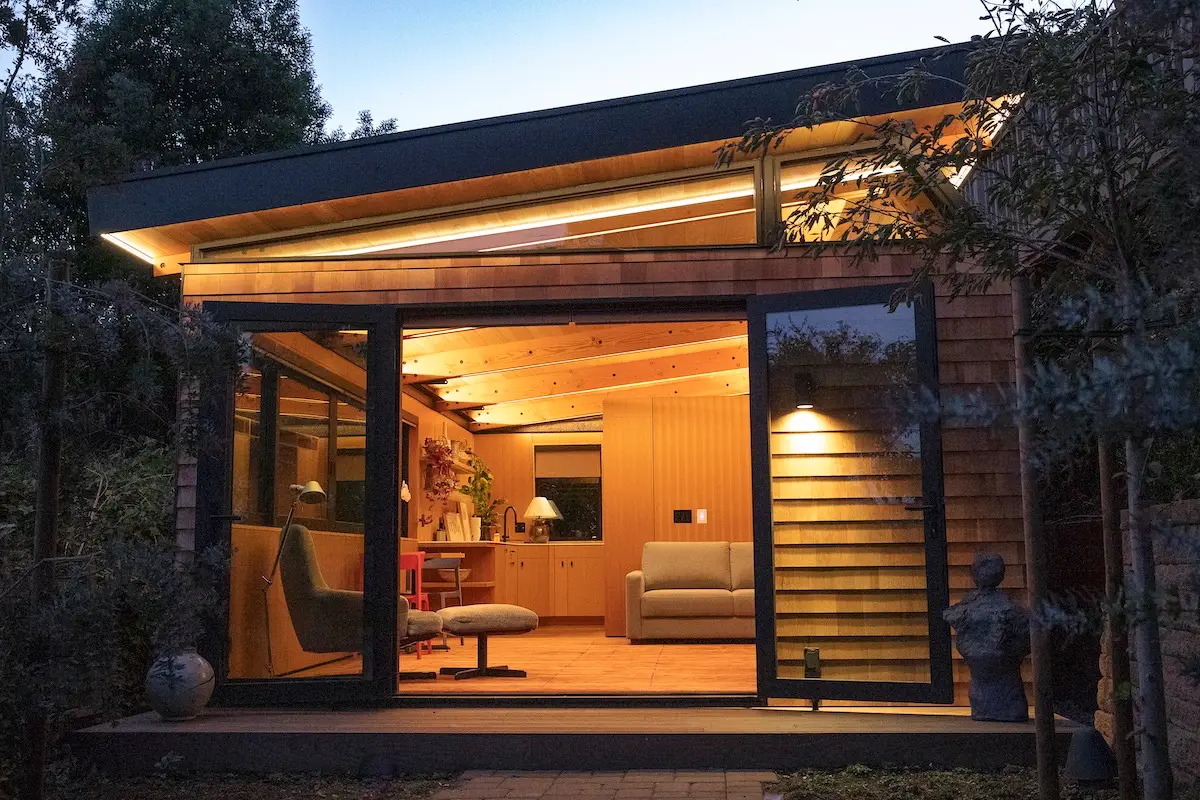
Investing in Accessory Dwelling Units (ADUs): 2026 ROI Analysis by State
As we navigate the economic landscape of 2026, the traditional methods of real estate scaling—such as buying additional single-family homes—have become increasingly difficult due to high entry costs and limited inventory. Consequently, savvy investors have turned their attention inward—specifically, to their own backyards. Investing in Accessory Dwelling Units (ADUs) has emerged as the most efficient way to generate high-yield passive income while simultaneously increasing the equity of existing property assets.
Whether you call them “granny flats,” “laneway houses,” or “backyard cottages,” ADUs represent a paradigm shift in urban density and personal wealth creation. This 1,500-word guide provides a deep dive into the costs, regulatory changes, and Return on Investment (ROI) metrics for ADUs in the current market.
The Evolution of ADUs in 2026: Why Now?
For decades, ADUs were hampered by “NIMBY” (Not In My Backyard) zoning laws and restrictive parking requirements. However, 2026 marks a turning point. Facing a global housing shortage, many state governments have bypassed local municipalities to pass “By-Right” ADU legislation. This means that if you have the space, you have the legal right to build, regardless of local neighborhood opposition.
Furthermore, the rise of the Remote Work Economy has sustained the demand for detached, professional office spaces and long-term rental units. An ADU is no longer just a guest house; it is a high-demand piece of rental infrastructure.
Types of ADU Investments
Before analyzing the ROI, one must understand the three primary archetypes of ADU construction available in 2026:
- Detached ADUs (DADUs): A standalone structure built in the backyard. These command the highest rent but require the most capital (average $180,000 – $250,000).
- Attached ADUs: A conversion of a garage or an addition to the main house. These are cost-effective but may offer less privacy for the tenant.
- Junior ADUs (JADUs): Created entirely within the footprint of an existing home (such as a basement or attic conversion). These often have a separate entrance but may share some systems with the main house.
2026 Construction Costs: Prefab vs. Stick-Built
The construction industry in 2026 has bifurcated. While traditional “stick-built” (on-site construction) offers full customization, Prefabricated ADUs have captured 60% of the market. Prefab units are built in climate-controlled factories and craned onto a foundation, reducing on-site construction time from 8 months to 8 weeks.
Cost Breakdown:
On average, a 600-square-foot detached ADU in 2026 costs approximately $350 to $450 per square foot. This includes permitting, utility hookups, and high-end finishes that modern tenants expect.
Financing Your ADU: Leveraging Equity
One of the primary reasons ADU investments are popular in 2026 is the variety of specialized financing options. Because an ADU adds immediate value to the property, lenders have become more aggressive in their offerings:
1. Home Equity Line of Credit (HELOC)
Many homeowners are using a HELOC to fund construction. Since ADUs typically increase property value by 20% to 35%, the ROI often covers the interest payments within the first 24 months of rental income.
2. Construction-to-Permanent Loans
These loans cover the cost of building the ADU and then “roll” into a traditional mortgage once the unit receives its Certificate of Occupancy. This is ideal for investors who do not have $200k in liquid cash.
3. Renovation Mortgages
FHA 203(k) loans allow buyers to purchase a primary residence and include the cost of building an ADU in a single mortgage, allowing for massive “house hacking” potential from day one.
State-by-State ROI Analysis: Where the Profits Are
The profitability of an ADU depends heavily on local rental rates versus construction costs. Here is a breakdown of the top-performing states for ADU investment in 2026:
| State | Avg. Build Cost | Monthly Rent (Est.) | Annual ROI % | Property Value Boost |
|---|---|---|---|---|
| California (LA/Bay Area) | $220,000 | $3,200 | 14.5% | $300,000+ |
| Texas (Austin/Dallas) | $160,000 | $1,900 | 12.2% | $180,000 |
| Florida (Miami/Tampa) | $175,000 | $2,400 | 13.8% | $210,000 |
| Washington (Seattle) | $200,000 | $2,700 | 13.5% | $250,000 |
| Colorado (Denver) | $185,000 | $2,100 | 11.9% | $195,000 |
Maximizing ROI: The “Three-Prong” Value Strategy
To ensure your ADU reaches the upper end of these ROI estimates, you must focus on three specific value-adds that 2026 renters demand:
1. Energy Independence (Solar + Storage)
In 2026, energy costs have risen significantly. ADUs that feature independent solar arrays and battery backups (like the Tesla Powerwall) can charge a 15% premium on rent. Renters are willing to pay more for “utilities included” if they know the cost is covered by the sun.
2. Universal Design (Accessibility)
By building your ADU with “Universal Design” (no-step entries, wide doorways, walk-in showers), you tap into the multi-generational housing trend. You aren’t just renting to millennials; you are a viable option for aging “Baby Boomers” who want to downsize near their children.
3. Smart-Work Integration
A 2026 ADU is often used as a “Hybrid Home.” Including sound-proofed walls, built-in 5G signal boosters, and professional video-conferencing backdrops makes your unit the #1 choice for high-income remote executives.
Operating Expenses and Management
An ADU is a real estate asset, and like any asset, it has carrying costs. When calculating your net profit, ensure you account for:
- Property Tax Increase: In most states, adding an ADU will trigger a reassessment of the “improvement value” of your land.
- Insurance: You must update your homeowner’s policy to include a “Landlord Policy” or an “Other Structures” endorsement.
- Maintenance Fund: Set aside 5% of monthly rent for long-term repairs (HVAC, plumbing, roofing).
The Legal Pitfalls: Short-Term vs. Long-Term
While the potential for Airbnb income is tempting, 2026 regulations have become stricter regarding “Short-Term Rental” (STR) licenses for ADUs. Many cities now require the primary homeowner to live on-site to operate an STR. For a truly passive investment, the **Mid-Term Rental (MTR)** market—targeting 3-month stays for traveling professionals—offers the best balance of high rent and low regulation.
Is an ADU a Good Investment in 2026?
The data suggests an overwhelming Yes. Unlike the stock market, an ADU provides a tangible asset that offers three types of financial return: monthly cash flow, tax depreciation, and massive forced equity. In a world where land is the ultimate scarcity, building “up or in” is the most logical step for any serious real estate investor.
By leveraging modern prefab technology and focusing on high-growth states like California, Florida, and Texas, homeowners can transform an underutilized backyard into a six-figure wealth-generating engine. The window of opportunity is open, but as construction costs continue to rise, the best time to start your ADU project was yesterday. The second best time is today.
Comments