
Investing in Local Island Houses in the Maldives
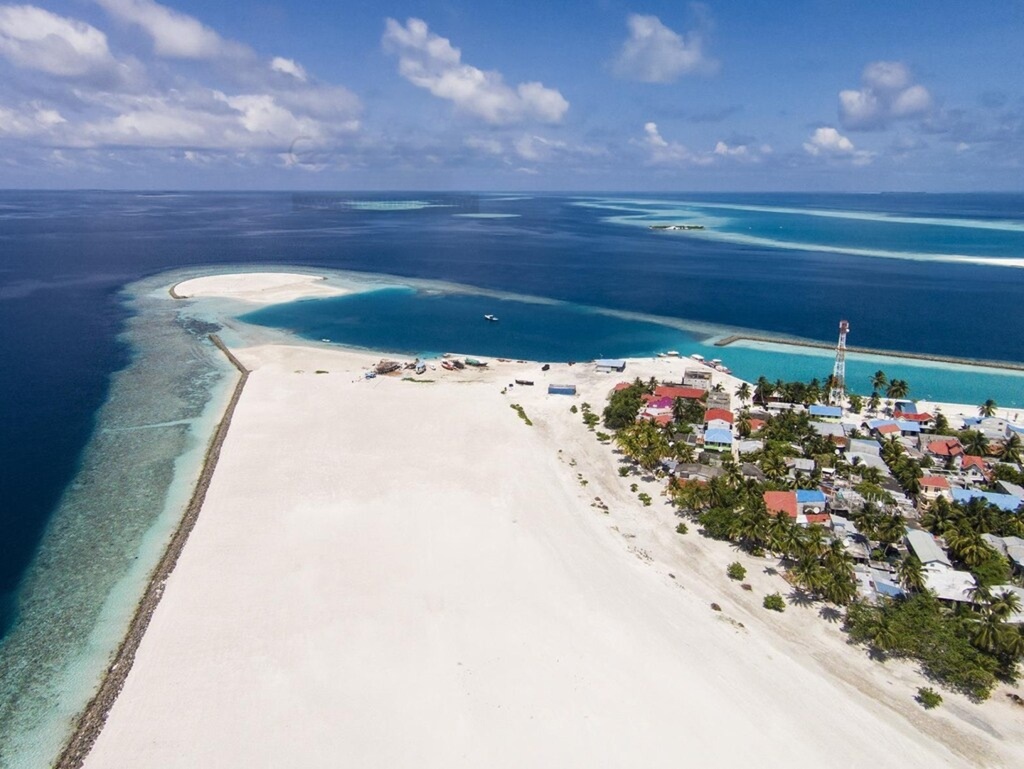
Investing in Local Island Houses in the Maldives: The 2026 Ultimate Investor’s Guide
For decades, the phrase “houses in the Maldives” conjured images of exclusive overwater villas accessible only to the ultra-wealthy. However, as we move through 2026, the real estate landscape has fundamentally shifted. The “Local Island Revolution” is now in full swing, offering savvy international investors a gateway into one of the world’s most resilient tourism markets through inhabited island properties.
With the maturation of the 2024 Foreign Investment Act and the introduction of more flexible land lease frameworks, the opportunity to own or develop residential and commercial property on local islands like Maafushi, Thulusdhoo, and Dhigurah has never been more accessible. This guide breaks down the average prices, rental rates, and legal frameworks for 2026.
1. Why the Shift to Local Island Real Estate?
The Maldives tourism model has successfully diversified. While the “one island, one resort” model remains iconic, the “Guesthouse” and “Boutique Hotel” sectors on inhabited islands are seeing 15-20% year-on-year growth in occupancy. Investors are no longer just looking for holiday homes; they are looking for high-yield income properties.
- Infrastructure Growth: The completion of the Greater Malé Connectivity Bridge and improved RTL (Raajje Transport Link) ferry networks have made remote atolls viable for investment.
- Sustainable Tourism: Modern travelers prefer “authentic” experiences on local islands, driving demand for high-quality local housing and rental units.
- Legislative Support: Government initiatives to decentralize the economy have lowered land lease costs in southern and northern atolls to encourage development.
2. Average Prices: Houses in the Maldives (2026 Data)
Understanding the price per square foot is essential for any real estate investor. In 2026, prices vary significantly depending on the island’s proximity to Velana International Airport (VIA) and its established tourism infrastructure.
Hulhumalé (The Premium Zone)
Hulhumalé remains the most expensive residential area due to its urban amenities and connection to the capital.
- 2-Bedroom Apartment: USD $280,000 – $400,000
- 3-Bedroom Luxury Apartment: USD $450,000 – $750,000
- Price per Sq. Ft: Ranges from MVR 4,000 to MVR 6,500.
Popular Inhabited Islands (Maafushi, Thulusdhoo, Ukulhas)
These are the “cash-cow” islands for guesthouse investors.
- Existing 3-Bedroom House: USD $150,000 – $300,000
- Land Purchase (Limited to Maldivians, but accessible via Long-term Lease): Prices for land rights have stabilized at approximately MVR 3,000 – 4,500 per sq. ft.
Emerging Islands (Addu City, Dhigurah, Thinadhoo)
For those looking for long-term capital appreciation, these islands offer better entry prices.
- Small House/Plot: USD $80,000 – $150,000
- Price per Sq. Ft: MVR 1,500 to MVR 2,800.
3. Land Rental and Lease Frameworks for Investors
Foreign investors often ask: “Can I actually own land in the Maldives?” The answer in 2026 is nuanced. While outright “freehold” ownership is generally reserved for Maldivian citizens, the Long-term Leasehold and Strata Title systems provide secure, bankable rights for foreigners.
The 99-Year Leasehold
Under the current regulations, investors can enter into long-term lease agreements with the government or private owners. For tourism-related projects on local islands, leases typically run for 50 years, with the option to extend to 99 years upon meeting specific investment thresholds (usually USD $250,000+).
Government Land Rental Rates
The Ministry of Economic Development and Trade has tiered the lease rent to promote “Far Atoll” development. In 2026, the annual lease rent for tourism land on inhabited islands is capped as follows:
| Atoll Zone | Max Annual Rent (Per Sqm) |
|---|---|
| Central Atolls (Kaafu, Alif Alif) | USD $4.00 |
| Northern/Southern Atolls | USD $2.00 |
| Strategic Zones (Addu/Huvadhu) | USD $1.00 |
4. Hot Investment Opportunities: Where to Buy in 2026
If you are looking for houses in the Maldives for investment purposes, focus on these three specific categories of islands:
The “Surf” Hubs (Thulusdhoo & Himmafushi)
These islands have a year-round “high season” due to world-class surf breaks. Rental demand for boutique villas is extremely high, with daily rates for a well-designed house ranging from $150 to $350 per night.
The “Whale Shark” Corridors (Dhigurah & Omadhoo)
Eco-tourism is the driver here. Investors are buying old local houses and renovating them into “Luxury Heritage Homes” that cater to high-end divers and nature enthusiasts. Land here is appreciating at roughly 12% annually.
The “Smart Cities” (Addu City & Hulhumalé Phase 3)
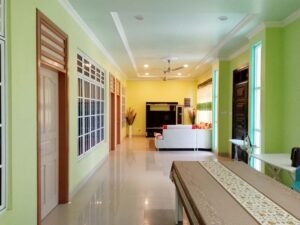
With the expansion of Gan International Airport in the south, Addu City is the new frontier. Residential land rental is at its lowest point here, making it the best location for large-scale apartment developments or retirement homes.
5. Legal Requirements for International Real Estate Investors
To navigate the Maldives real estate market safely, international buyers must follow the “Corporate Pathway.”
- Foreign Investment Registration: You must register a local company. While 100% foreign ownership is allowed in some sectors, the “Guest House” sector usually requires a 51% Maldivian partner unless the investment exceeds a certain threshold (The “Pearl Residence” criteria).
- The Corporate Resident Visa: Investing USD $250,000 or more into a real estate project allows you and your family to obtain a long-term residency visa, making it much easier to manage your property on-site.
- Strata Title Law: In 2026, more developments are offering “Strata Titles.” This allows a foreigner to own an individual unit (an apartment or a villa) within a larger complex, similar to how condo ownership works in Dubai or Singapore.
6. Calculating ROI: What Can You Expect?
Real estate in the Maldives isn’t just about capital gains; it’s about cash flow.
- Short-term Rentals: A 3-bedroom house converted into a boutique guest house can yield an ROI of 10-15% annually, assuming a 65% occupancy rate.
- Long-term Residential: In Hulhumalé, rental yields for expats and professionals average 5-7% annually.
7. The Future of Houses in the Maldives: Sustainability & Tech
As we look toward 2030, the most valuable houses in the Maldives will be those that address climate resilience. Investors are now prioritizing:
- Solar Integration: Reducing the cost of electricity (which can be high on local islands).
- Sustainable Materials: Using coral-safe concrete and recycled materials to appeal to the “Green Traveler.”
- Smart Home Tech: High-speed Starlink internet and remote property management tools are now standard in high-end Maldivian rentals.
Is Now the Time to Buy?
The window for “low-cost” entry into houses in the Maldives is closing as the market professionalizes. With the 2026 infrastructure improvements and the stabilized legal environment, the risk-to-reward ratio for local island investment is the best it has been in a decade.
Whether you are looking for a retirement home in paradise or a high-yield guesthouse investment, the local islands offer a unique combination of lifestyle and financial return that few other tropical destinations can match.
Ready to Start Your Journey?
At MaldivesInvestments.com, we specialize in connecting international investors with verified local island opportunities. From legal due diligence to property management, our team is here to help you secure your piece of paradise.
Contact our Real Estate Experts today for a free consultation and a list of available local island houses.