Maldives Floating City: Investment Opportunities in the World’s First Ocean Metropolis
The Maldives is pioneering one of the most ambitious urban developments in modern history — a fully functional floating city designed to adapt to rising sea levels while creating new opportunities for housing, tourism, and investment. Known as the Maldives Floating City, this project represents a bold step toward climate-resilient living and positions the country as a global innovator in ocean-based infrastructure.
Located near the capital region, the floating city is expected to accommodate thousands of residents, businesses, and visitors. For investors, it introduces an entirely new category of real estate: permanent homes built on the ocean rather than on land. As traditional land becomes increasingly scarce and expensive in the Maldives, this project opens the door to scalable urban expansion without environmental destruction.
Why the Floating City Matters
The Maldives faces unique geographic challenges. With most islands sitting just a few meters above sea level, climate change poses a long-term threat to land-based development. The floating city addresses this challenge directly by creating infrastructure that rises with the ocean instead of resisting it.
But beyond environmental considerations, the project also solves urban overcrowding in the capital area. Population growth, housing shortages, and limited land availability have driven property prices upward, making affordable housing difficult to achieve. A modular floating city allows expansion without reclaiming land or relocating communities.
- Climate-resilient housing solution
- New urban expansion space
- Reduced pressure on existing islands
- Innovative real estate opportunities
- Global attention from investors and architects
Design and Layout of the Ocean City
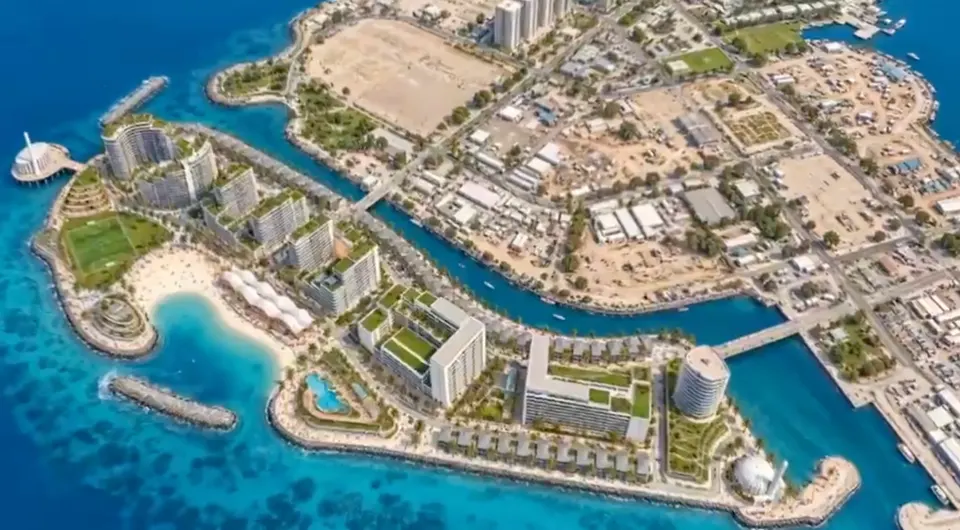
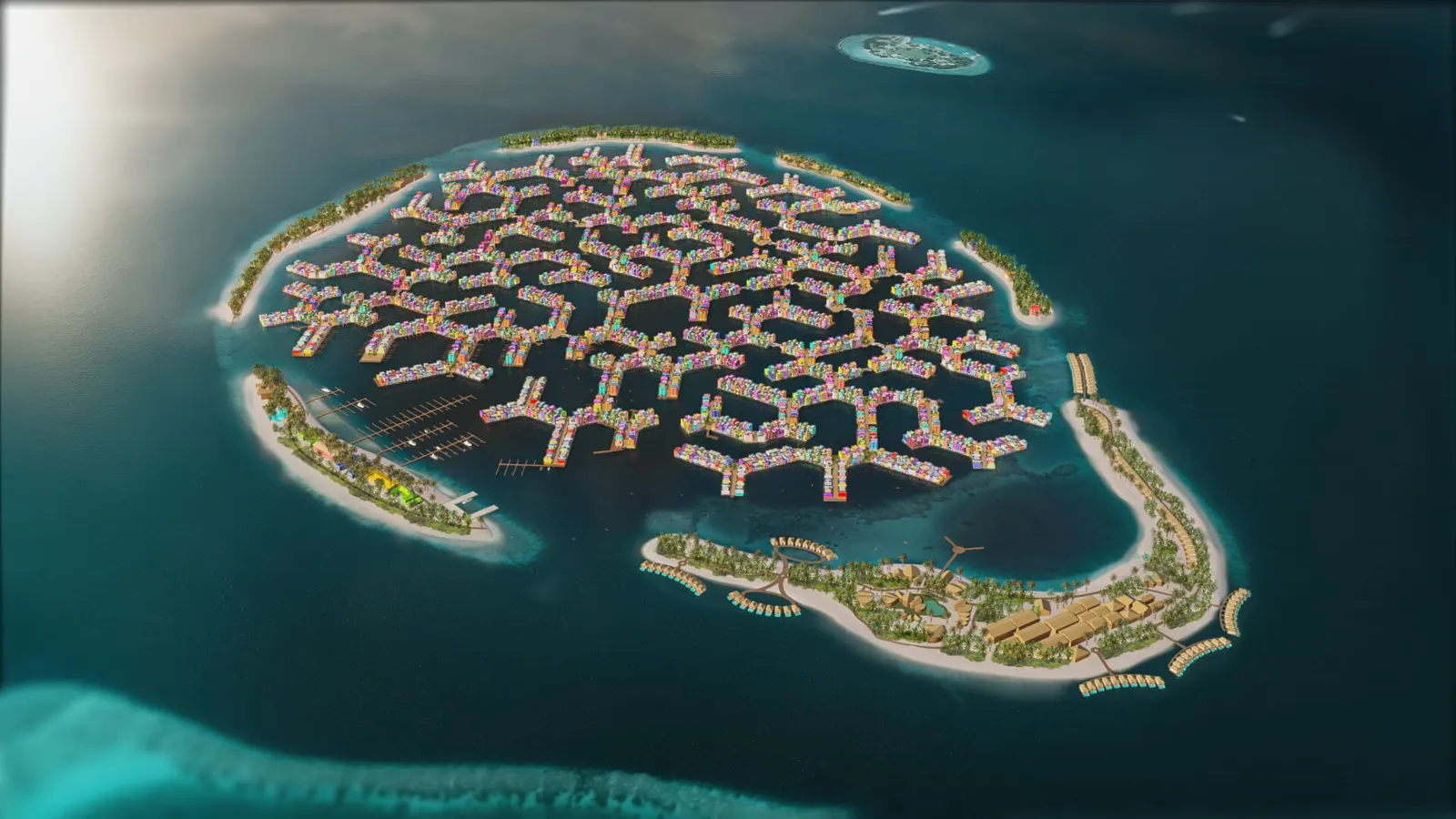
Unlike conventional cities built on rigid grids, the floating city is designed to mimic natural coral formations when viewed from above. This organic layout is not only visually striking but also functional, allowing water circulation and reducing wave impact.
The city will consist of interconnected floating platforms anchored to the seabed. These platforms will support residential homes, apartment buildings, hotels, retail areas, schools, healthcare facilities, and recreational spaces. Canals will replace traditional streets, with boats and water taxis serving as primary transport within the community.
Pedestrian walkways and cycling paths will also be included, creating a car-free environment that prioritizes sustainability and quality of life.
Types of Properties Available
The Maldives Floating City introduces a diverse range of property types aimed at both residents and investors. Unlike resort villas designed mainly for tourists, these properties are intended for long-term living and community development.
Available property categories include:
- Floating single-family homes
- Townhouse-style units
- Waterfront apartments
- Mixed-use residential and commercial spaces
- Hospitality and boutique hotel plots
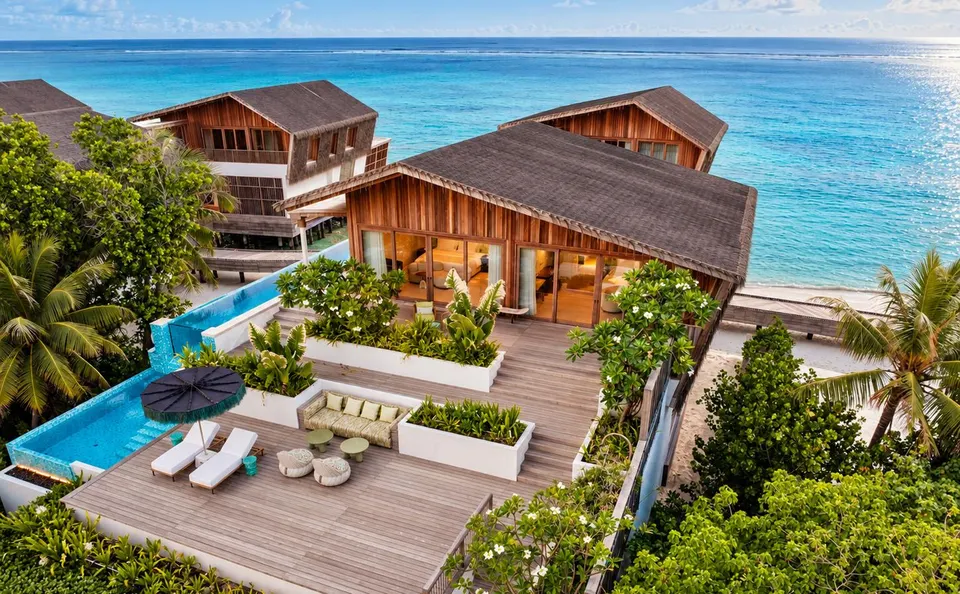
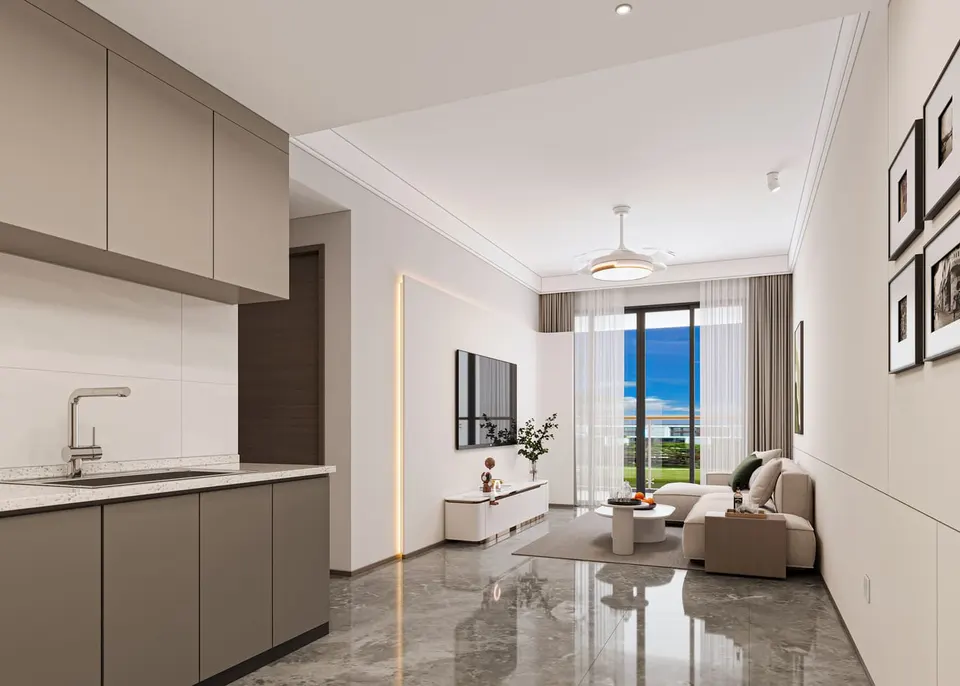
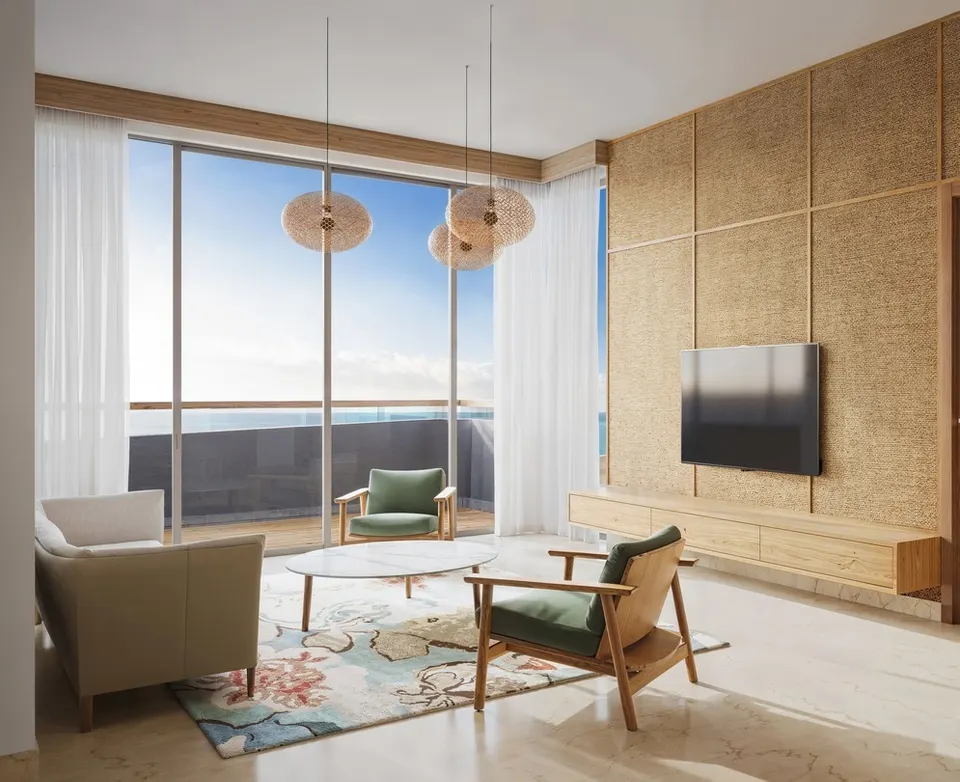
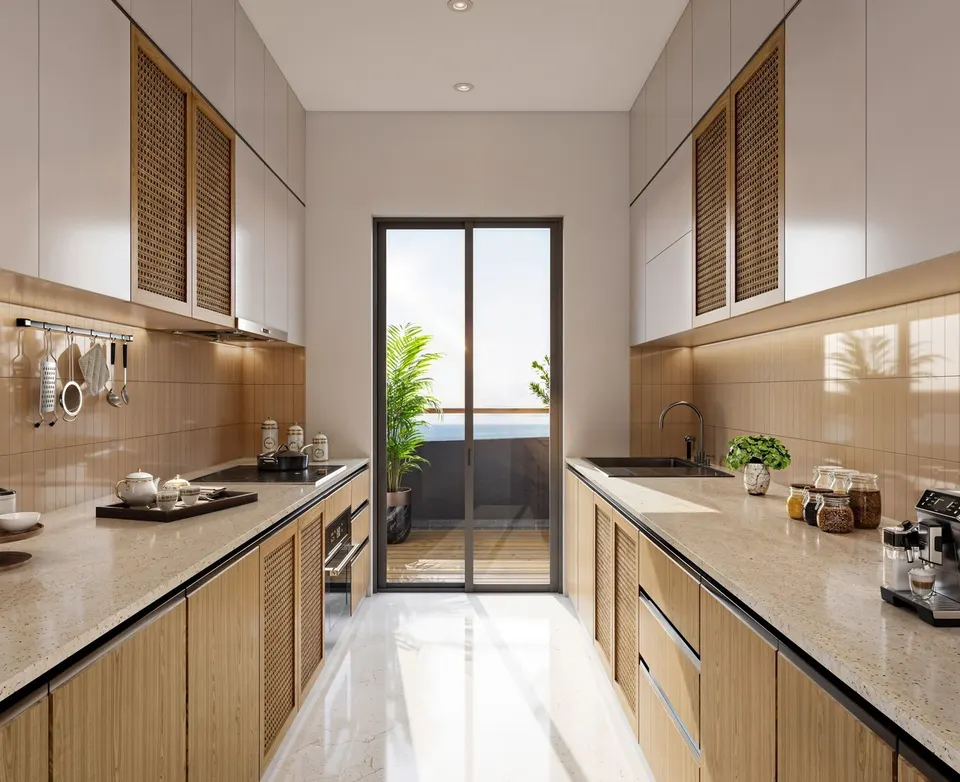
Many units feature modern architecture, private terraces, direct ocean access, and energy-efficient systems. Buyers can expect designs tailored to tropical living, including natural ventilation, shading, and durable materials resistant to marine conditions.
Investment Potential and Market Demand
Demand for property in the Maldives has historically exceeded supply, particularly in areas near the capital. The floating city dramatically increases available housing stock while maintaining the premium appeal of oceanfront living.
Investors are attracted by several factors:
- Scarcity of land-based property
- Growing expatriate and professional population
- High rental demand in the capital region
- International interest in innovative housing
- Potential long-term value appreciation
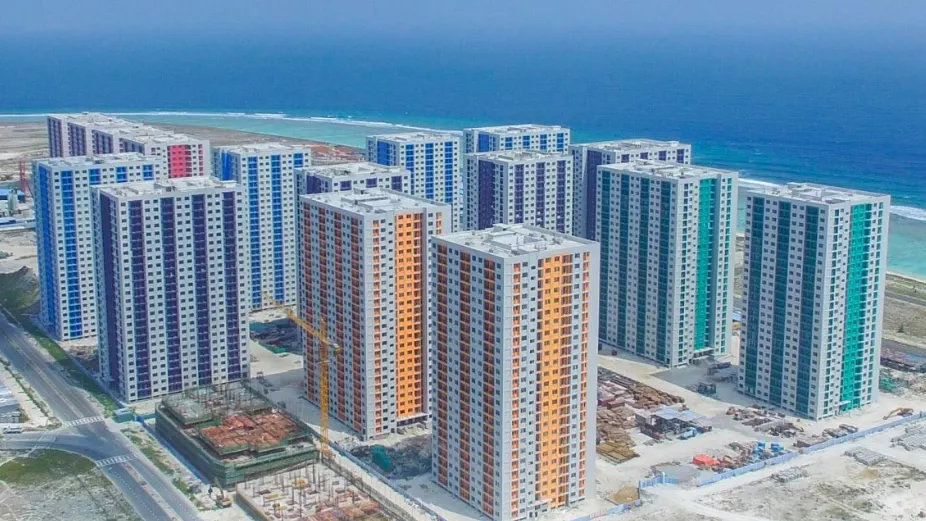
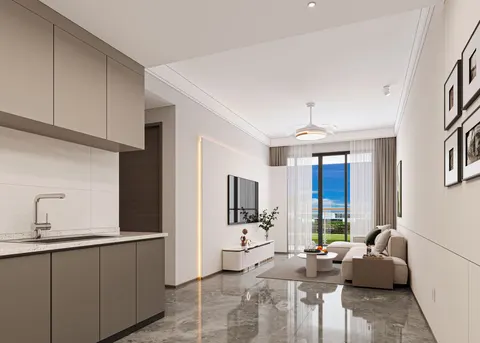 For sale nowFrom MVR 3.6M1+1 Bedroom Apartments at Bayfancy · Hulhumalé
Rental yields could be especially strong due to the city’s proximity to business districts, airports, and government institutions. Additionally, early investors may benefit from lower entry prices before the project reaches full maturity.
Sustainability and Environmental Features
Sustainability is central to the floating city concept. The development incorporates renewable energy, efficient waste management, and environmentally friendly construction methods to minimize ecological impact.
Key sustainability features include:
- Solar energy integration
- Energy-efficient building designs
- Wastewater treatment systems
- Protection of surrounding coral ecosystems
- Reduced reliance on land reclamation
By avoiding dredging and large-scale land alteration, the project helps preserve marine biodiversity — a crucial asset for the Maldives’ tourism industry.
Infrastructure and Connectivity
Despite being located on water, the floating city will offer modern infrastructure comparable to land-based urban areas. Utilities such as electricity, fresh water, internet connectivity, and emergency services will be fully integrated into the design.
Transport links to nearby islands and the international airport are expected to be efficient, using ferries and high-speed boats. This ensures that residents can commute easily while enjoying the tranquility of ocean living.
Retail centers, schools, clinics, and public spaces will make the city self-sufficient, reducing the need for daily travel to other islands.
Opportunities for Foreign Investors
Foreign investors interested in Maldives real estate typically face restrictions on direct land ownership. However, structured property agreements, long-term leases, and condominium ownership models provide viable pathways for participation in projects like the floating city.
International buyers may view these properties as:
- Second homes in a world-class destination
- Rental income investments
- Portfolio diversification assets
- Long-term retirement residences
Because the project is globally unique, properties may also benefit from strong resale demand in the future.
Economic Impact on the Maldives
Beyond housing, the floating city is expected to generate significant economic benefits. Construction activity creates jobs, stimulates local industries, and attracts foreign capital. Once completed, the city will support businesses ranging from retail and hospitality to education and healthcare.
The development also enhances the Maldives’ international reputation as a leader in climate adaptation and sustainable urban planning. This visibility can attract additional investment in technology, engineering, and environmental solutions.
Challenges and Considerations
While the concept is groundbreaking, investors should also consider potential challenges. Building and maintaining structures in a marine environment requires specialized engineering and ongoing maintenance. Insurance, regulatory frameworks, and long-term operational costs may differ from traditional real estate projects.
Market acceptance is another factor. Although interest is high, floating homes represent a new lifestyle that may take time to become mainstream.
Nevertheless, similar innovations in other parts of the world suggest strong long-term viability for ocean-based developments.
The Future of Ocean Living
The Maldives Floating City could mark the beginning of a new era in urban development. As coastal populations grow and climate risks increase, floating infrastructure may become a necessity rather than a novelty.
For the Maldives, this project provides a scalable solution to land scarcity while maintaining environmental integrity. For investors, it offers early access to a potentially transformative asset class.
Conclusion
The Maldives Floating City is more than just a housing project — it is a vision of how humanity might live alongside the ocean in the future. Combining innovative engineering, sustainability, and premium real estate, the development stands out as one of the most exciting investment opportunities in the country.
As construction progresses and the community begins to take shape, global attention is likely to intensify. Investors who recognize the long-term potential of ocean-based living may find this project to be one of the most unique opportunities available in the Maldives today.