Maldives International Financial Centre: A New Frontier for Global Investment
The Maldives is widely recognized for its luxury tourism industry, but the nation is now exploring a bold new direction — becoming a regional hub for finance, technology, and global business. The proposed Maldives International Financial Centre (MIFC), backed by foreign investment and international expertise, aims to diversify the economy beyond tourism and position the country as a competitive player in the global financial landscape.
If successfully implemented, this project could reshape the economic future of the Maldives, creating high-value jobs, attracting multinational corporations, and stimulating demand for commercial real estate and professional services. For investors, it represents one of the most transformative opportunities in the country’s modern history.
Why the Maldives Needs Economic Diversification
Tourism accounts for a large portion of the Maldives’ GDP, government revenue, and foreign exchange earnings. While the sector has delivered remarkable prosperity, reliance on a single industry exposes the country to global economic shocks, travel disruptions, and changing consumer trends.
Developing a financial services sector can provide a stable alternative source of income while leveraging the Maldives’ strategic location between Asia, the Middle East, and Africa. By attracting banks, investment firms, insurance companies, and fintech startups, the country could create a more balanced and resilient economy.
- Reduced dependence on tourism revenue
- Creation of high-skilled employment
- Increased foreign direct investment
- Expansion of professional services
- Stronger integration with global markets
Vision for the Financial Centre

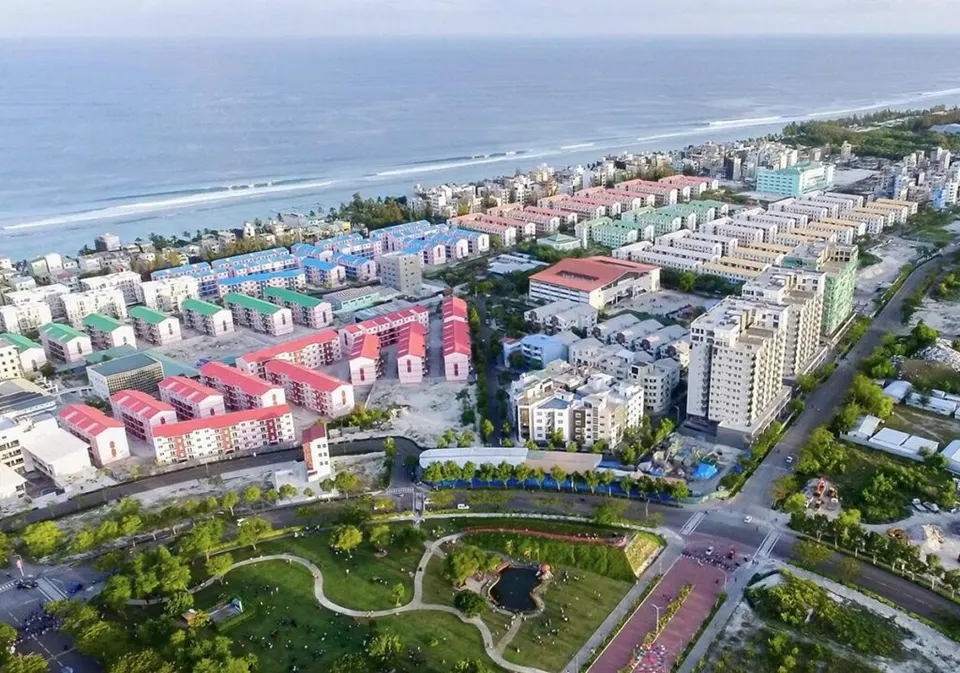
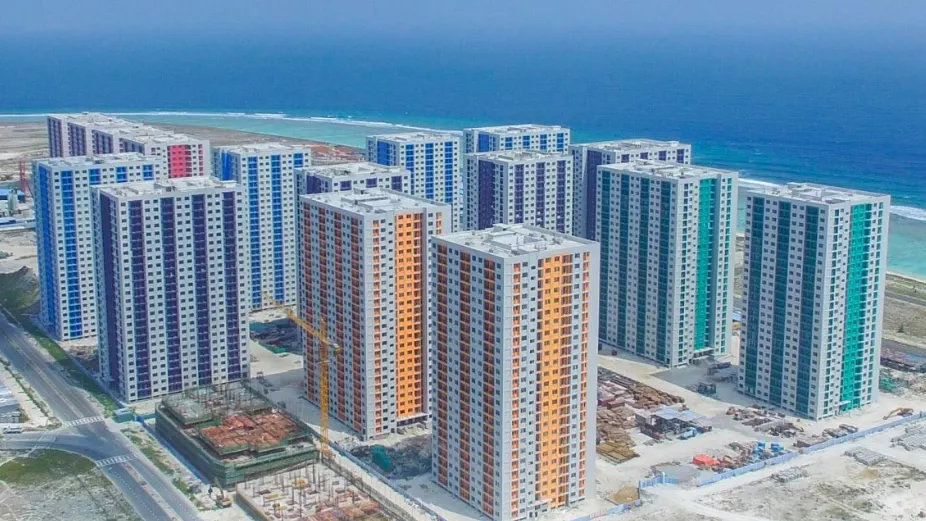
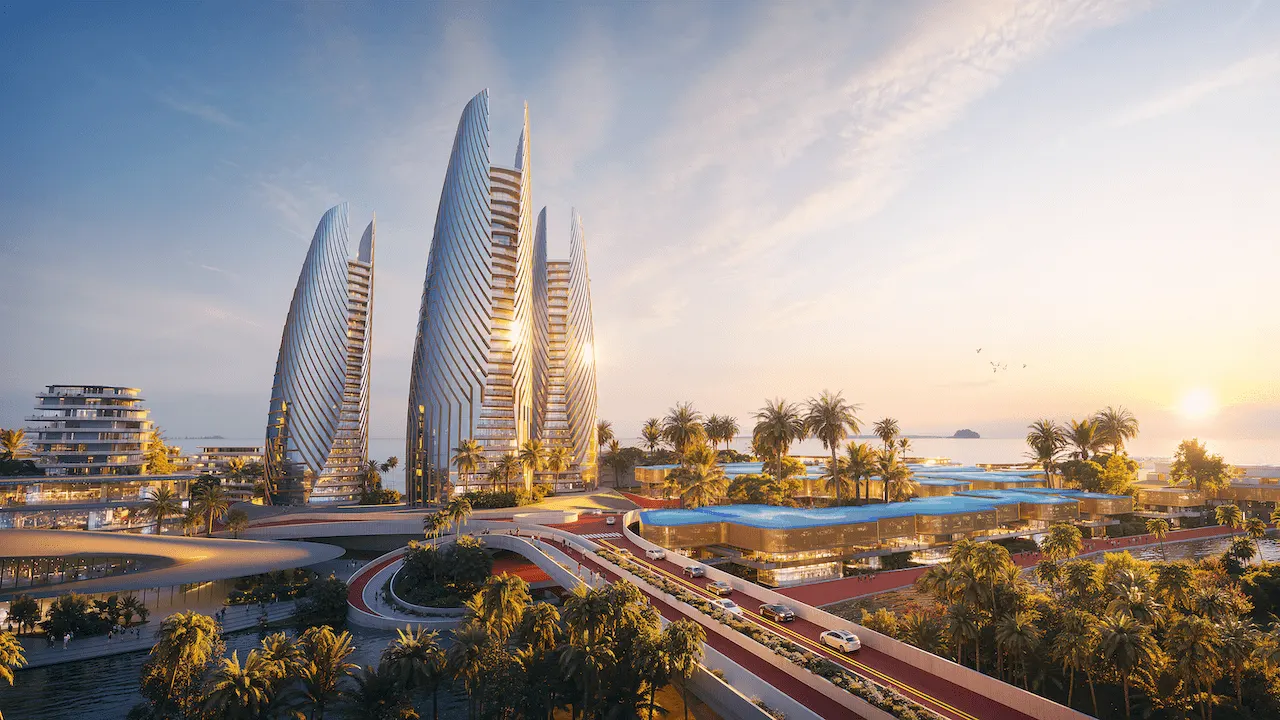
The proposed financial centre is expected to function as a dedicated business district with modern office towers, residential developments, conference facilities, and supporting infrastructure. Designed to international standards, it aims to provide an environment conducive to global finance and innovation.
Key sectors targeted by the project include banking, asset management, fintech, insurance, and corporate services. By offering competitive regulations, tax incentives, and streamlined procedures, the Maldives hopes to attract firms that might otherwise establish operations in established hubs such as Singapore or Dubai.
The centre could also serve as a gateway for investment into South Asia and the Indian Ocean region, leveraging the country’s neutral geopolitical position.
Fintech and Digital Economy Opportunities

Financial technology is one of the fastest-growing sectors worldwide, and the Maldives has the opportunity to position itself as an innovation-friendly jurisdiction. A modern financial centre could host startups specializing in digital payments, blockchain applications, cybersecurity, and online banking solutions.
The relatively small domestic market may actually be an advantage, allowing regulators to test new frameworks and technologies on a manageable scale before expanding internationally.
Fintech development can also improve financial inclusion within the country, providing better access to banking services for remote islands and underserved populations.
Commercial Real Estate Demand
A major business district inevitably drives demand for high-quality office space, residential housing, hotels, and retail facilities. Developers may find opportunities in constructing commercial towers, serviced apartments, and mixed-use complexes tailored to expatriate professionals and corporate tenants.
As multinational companies establish regional headquarters, supporting industries such as legal services, accounting firms, consulting agencies, and training institutions are likely to follow. This ecosystem effect can significantly expand the local economy.
Investors interested in property development may benefit from early participation before land values and construction costs rise.
Employment and Human Capital Development
The financial sector requires skilled professionals in areas such as finance, law, technology, and management. Establishing a financial centre would therefore encourage investment in education and training programs to build local expertise.
 For sale nowFrom MVR 3.6M1+1 Bedroom Apartments at Bayfancy · Hulhumalé
International professionals may also relocate to the Maldives, bringing knowledge, experience, and global connections. This influx of talent can stimulate innovation and entrepreneurship across multiple sectors.
Higher-income jobs contribute to increased consumer spending, supporting retail, hospitality, and housing markets.
Infrastructure Requirements
Developing a world-class financial hub requires robust infrastructure, including reliable telecommunications, transportation links, utilities, and security systems. High-speed internet connectivity and data protection measures are particularly critical for digital finance operations.
Supporting facilities such as international schools, healthcare services, and recreational amenities are also essential to attract expatriate families and long-term residents.
These requirements create additional opportunities for investment in construction, technology, and public services.
Foreign Investment and Partnerships
The scale and complexity of the MIFC project necessitate collaboration with foreign investors, developers, and financial institutions. Such partnerships provide access to capital, technical expertise, and global networks.
International participation also enhances credibility, reassuring potential tenants and investors that the centre will operate according to recognized standards.
Successful implementation could trigger a wave of secondary investments as confidence in the Maldives’ business environment grows.
Regulatory Framework and Business Environment
A competitive financial centre must offer clear regulations, legal transparency, and efficient dispute resolution mechanisms. Establishing specialized regulatory bodies and independent oversight structures may be necessary to meet international expectations.
Investor-friendly policies, including streamlined licensing procedures and protection of intellectual property, can further enhance attractiveness. Stability and predictability are key factors for companies considering long-term commitments.
Risks and Challenges
Despite its potential, the financial centre project faces several challenges. Competition from established hubs is intense, and building a reputation for reliability takes time. Additionally, the domestic workforce may initially lack the specialized skills required for advanced financial services.
Infrastructure constraints, regulatory complexities, and global economic conditions could also influence the project’s success. Careful planning and phased development may help mitigate these risks.
Environmental considerations must also be addressed, ensuring that development aligns with the Maldives’ sustainability goals.
Broader Economic Impact
If realized, the MIFC could have far-reaching effects on the national economy. Diversification reduces vulnerability to tourism downturns while generating new revenue streams through corporate taxes, service fees, and employment income.
The project may also stimulate innovation in related sectors such as information technology, education, and professional services. Increased international engagement can strengthen diplomatic and trade relationships, further boosting economic prospects.
Future Outlook

Global finance is evolving rapidly, driven by digital transformation and shifting economic power centers. Emerging hubs have the opportunity to capture niche markets by offering specialized services or favorable business conditions.
The Maldives’ unique geographic location and political neutrality could make it an attractive base for companies operating across multiple regions. As remote work and digital operations become more common, physical proximity to major markets is less critical than it once was.
Long-term success will depend on consistent policy implementation, infrastructure development, and the ability to build trust among international stakeholders.
Conclusion
The Maldives International Financial Centre represents a bold vision for the country’s future — one that extends beyond tourism into the realms of global finance and technology. By attracting foreign investment and fostering a dynamic business environment, the project has the potential to transform the economic landscape.
For investors and entrepreneurs, early engagement could provide access to opportunities in commercial real estate, professional services, fintech, and supporting industries. While challenges remain, the long-term rewards could be substantial if the centre achieves its ambitious goals.
As the Maldives continues to evolve, initiatives like the MIFC demonstrate the nation’s determination to secure a sustainable and diversified economic future in an increasingly interconnected world.