Ras Malé $20 Billion Project: What It Means for Maldives
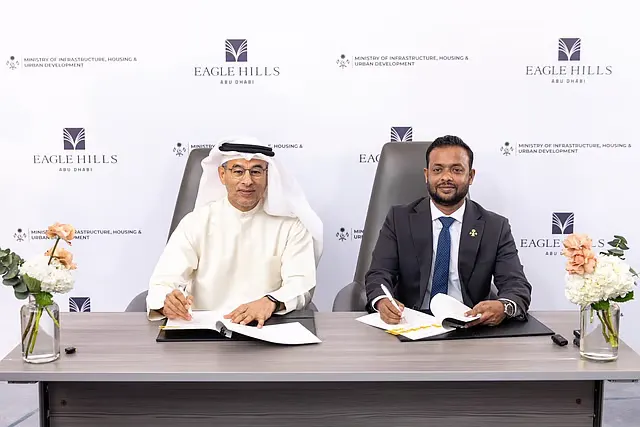
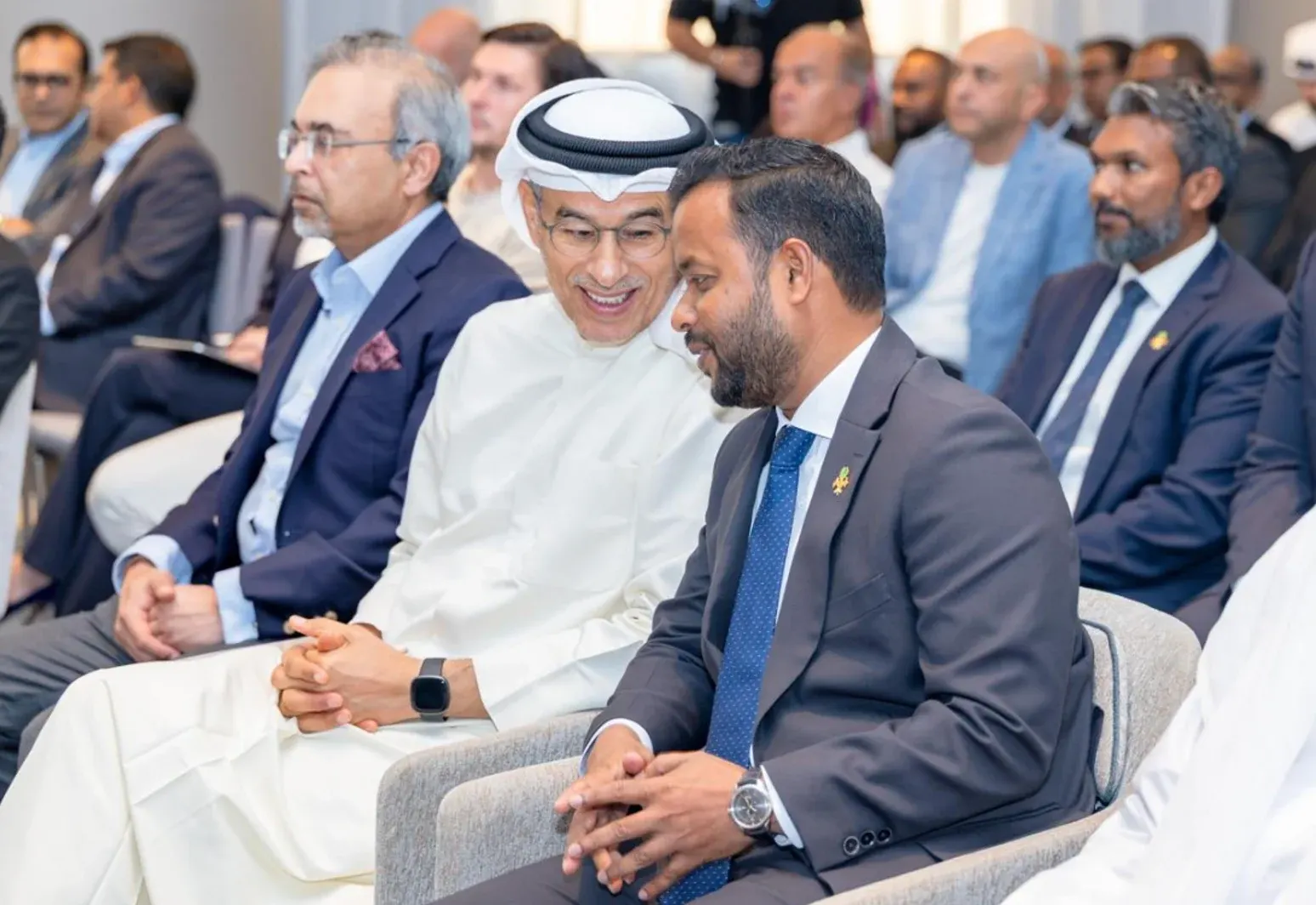
The proposed Ras Malé Waterfront and Marina project has emerged as one of the most ambitious investment and urban development initiatives ever announced in the Maldives. The project, being developed in partnership with Abu Dhabi-based Eagle Hills, has been described by the Maldivian government as an approximately US$20 billion development across its planned phases.
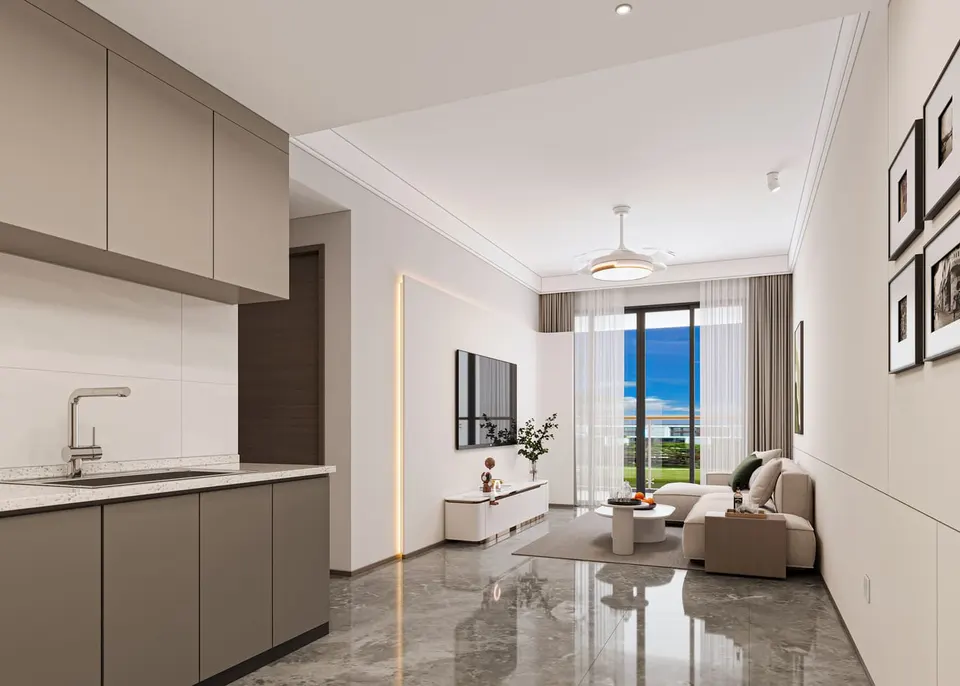
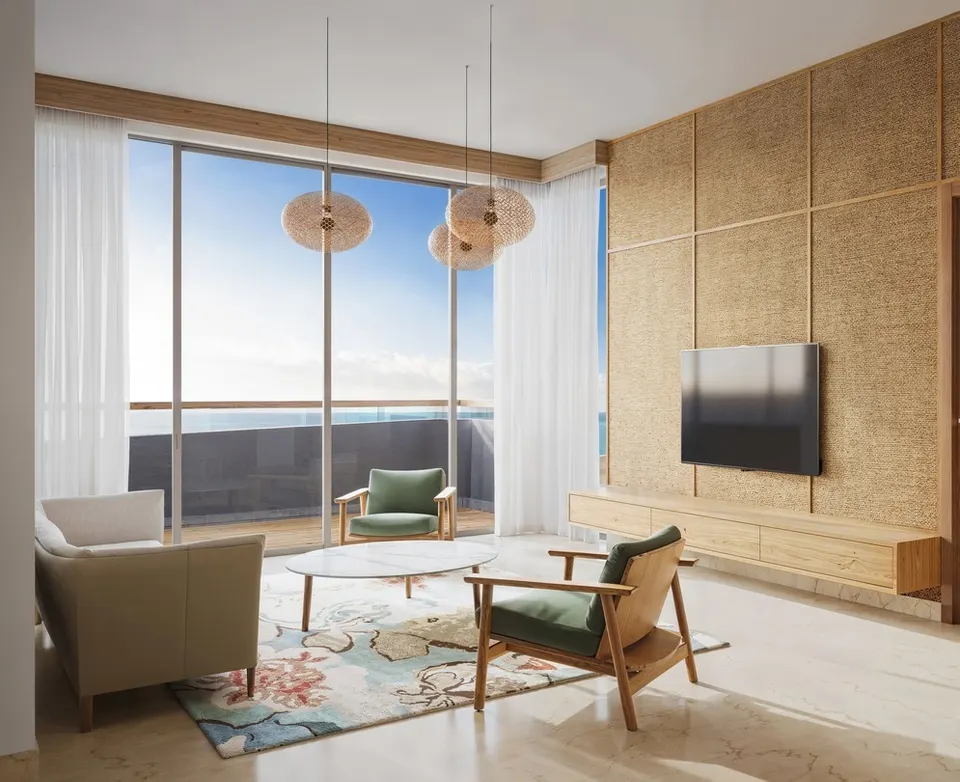
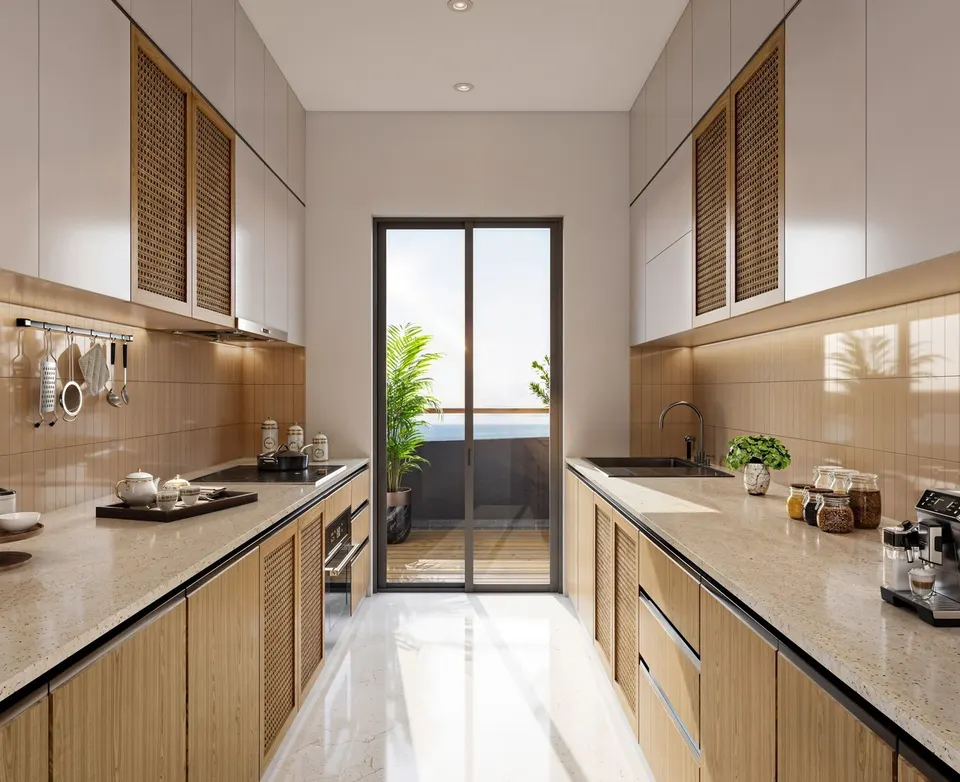
The proposed development goes far beyond a conventional real estate project. It is designed to combine residential property, international hotels, resorts, a marina, retail, dining, entertainment, wellness, education, healthcare and community facilities within a major waterfront destination.
Because of its scale and location, the project could have a significant impact on the future of Greater Malé, the Maldives tourism industry, the property market and the country's wider economy.
What Is the Ras Malé Project?
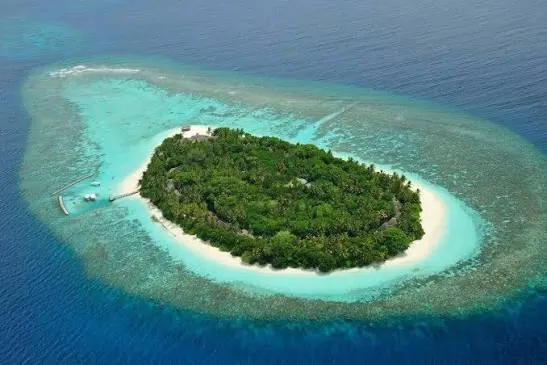
Ras Malé is a major land reclamation and urban expansion initiative located in the Fushi Dhiggaru lagoon area. The wider project is intended to create additional land for housing, commercial development, tourism and other urban uses.
The Eagle Hills development will occupy a significant portion of the new urban area and is expected to become one of its major economic destinations.
The proposed Maldives Waterfront and Marina is planned as a mixed-use development rather than a single-use residential project. This means it is expected to include a combination of places to live, stay, work, shop and spend leisure time.
Why Is the Project Valued at $20 Billion?
One of the most discussed aspects of the announcement is the headline figure attached to the project. Government communications have referred to an indicative development value of approximately US$20 billion across planned phases, while Eagle Hills' initial announcement and several international reports have described the overall development scale at approximately US$12 billion.
These figures should not automatically be interpreted as two competing announcements of an immediate cash investment. The project is planned over multiple phases and over a long development period. Development value can include the value of properties, hospitality assets, infrastructure and other components expected to be delivered over time.
The commercial terms agreement itself establishes the principal framework and shared vision, while detailed project agreements, financing arrangements, master planning and technical processes are expected to be developed later.
For readers following the project, it is therefore more accurate to describe the development as a multi-phase project with an indicative value or development scale that has been reported at different levels by the parties and media reports, rather than suggesting that US$20 billion has already been transferred to the Maldives.
More Than a Waterfront Development
The scale of the proposed project becomes clearer when looking at the different components planned for the destination. The development is expected to include international hotels and resorts, premium residences and branded residences.
It will also include a world-class marina, waterfront public spaces, restaurants, shops, entertainment, wellness facilities and other leisure uses.
Education and healthcare facilities are also part of the proposed development. This is important because it suggests that the destination is intended to support a more complete urban lifestyle rather than functioning only as a tourism zone.
Potential Impact on Housing
Housing is one of the most important issues connected to the development of Ras Malé. Greater Malé has experienced significant population growth and limited land availability, creating continued demand for apartments, family homes and community facilities.
The wider Ras Malé master plan has been associated with large-scale housing development, while the government has repeatedly stated that housing for Maldivians remains part of its broader vision for the area.
The Eagle Hills project therefore needs to be viewed within the larger Ras Malé development rather than as the entirety of the new city.
The government has stated that the Eagle Hills development will not remove opportunities for Maldivians to obtain housing in Ras Malé. The project is planned alongside other residential and public-use areas within the wider reclaimed development.
More Than 54,000 Employment Opportunities
One of the most significant potential benefits of the project is employment. Preliminary projections associated with the development indicate that it could support more than 54,000 direct and indirect employment opportunities once the development and associated economic activity are taken into account.
Construction alone can generate demand for engineers, architects, project managers, equipment operators, technicians, tradespeople and suppliers. Once completed, hotels, restaurants, retail outlets, marina operations, property management companies, healthcare providers and other businesses can create long-term employment.
For Maldivian businesses, the opportunity could extend beyond employment. Local companies may be able to participate as contractors, suppliers, professional service providers, retailers and operators.
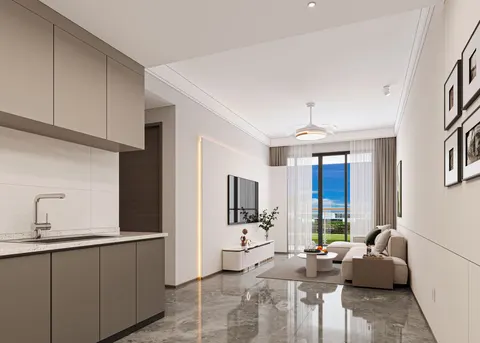 For sale nowFrom MVR 3.6M1+1 Bedroom Apartments at Bayfancy · Hulhumalé
Potential Tourism Growth
The Maldives is already one of the world's best-known tourism destinations. However, the traditional tourism model is heavily concentrated on resort islands, where visitors generally stay for relatively short periods.
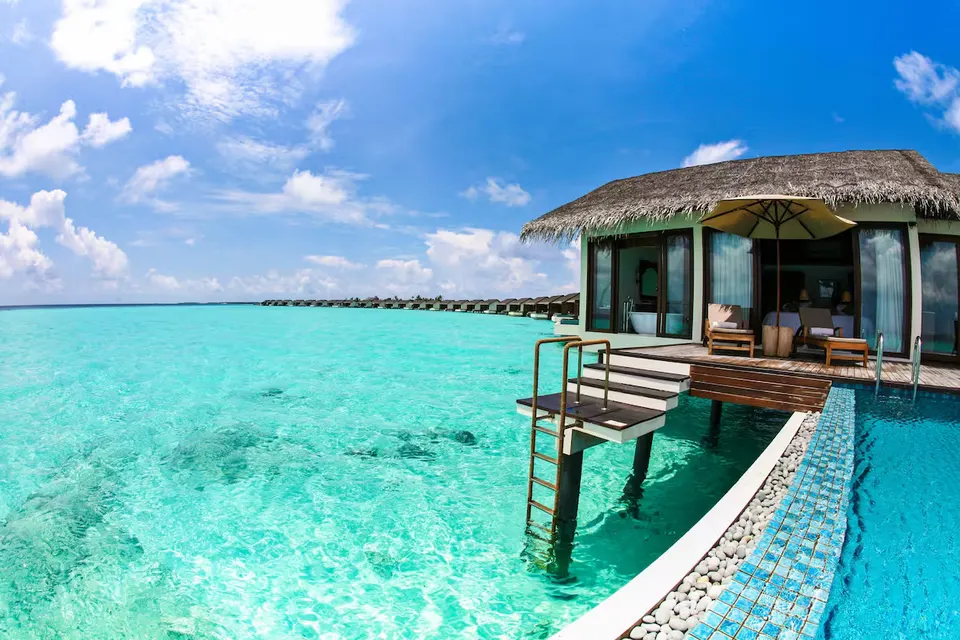
The proposed Ras Malé waterfront destination could add another dimension by combining urban tourism, residential accommodation and resort-style amenities.
Preliminary projections indicate that the completed development could attract more than one million visitors annually at full maturity and contribute more than US$2 billion in annual tourism revenue. These are projections rather than guaranteed results and will depend on the final master plan, investment, construction and market conditions.
If achieved, the scale of visitor activity could create substantial demand for restaurants, retail, transport, entertainment, marine services and other tourism-related businesses.
A New Opportunity for International Property Buyers
The project could also change the profile of international property investment in the Maldives. Branded residences, serviced apartments and villas can appeal to buyers looking for a combination of personal use and investment potential.
The developer's project website is already marketing serviced apartments, apartments and villas as part of the proposed destination. The availability of professional property management and leasing services could also make the development relevant to investors who do not intend to live in the Maldives full-time.
However, prospective buyers should carefully review the final ownership and lease documentation, applicable laws, service charges, management arrangements, rental terms and transfer conditions before making any investment decision.
The 99-Year Leasehold Structure
One of the key features announced for properties within the development is a long-term leasehold framework under Maldivian law, with terms of up to 99 years.
The information released about the project indicates that a new leasehold term of up to 99 years would begin following a transfer through sale or inheritance. This could provide long-term continuity for property owners and their successors.
The precise legal and commercial arrangements will become clearer as the detailed project agreements and relevant regulatory framework develop.
Why the Marina Matters
The marina could become one of the project's defining features. The Maldives has a natural geographic advantage for marine tourism, boating and yachting, but large integrated urban marina destinations remain limited.
A major marina connected to hotels, residences, restaurants and retail facilities could support a new ecosystem of marine businesses. These could include boat services, charter operations, maintenance, dining, retail and tourism activities.
It could also increase the attractiveness of waterfront residences, particularly for international buyers interested in boating and marine recreation.
Economic Diversification
The government has presented the project as part of a broader effort to diversify the Maldivian economy. Tourism remains the country's most important economic sector, but the development of a stronger real estate, construction, financial and services ecosystem could provide additional sources of economic activity.
A large mixed-use development can create recurring economic activity rather than relying only on the initial construction investment. Hotels generate tourism revenue, residences create property transactions, retail creates consumer spending, and commercial facilities generate business activity.
This broader economic ecosystem is one of the reasons the project has attracted such significant attention.
Environmental Responsibility
Large-scale development in the Maldives also brings environmental responsibilities. The project is planned on reclaimed land, and Eagle Hills has said that no further dredging will be undertaken as part of the development.
Independent marine monitoring is expected to accompany construction. Environmental planning, coastal protection and climate resilience will be particularly important because the Maldives is highly exposed to sea-level rise and other climate-related risks.
The long-term success of Ras Malé will therefore depend on the ability to combine urban development with appropriate environmental safeguards.
What Happens Next?
The commercial terms agreement represents an important milestone, but substantial work remains before all parts of the project become operational. Detailed master planning, technical studies, financing arrangements, environmental processes and additional project agreements will be required.
The project is expected to be delivered in phases, meaning different parts of the development may progress at different speeds depending on demand, financing and construction requirements.
This phased approach is also important when considering the headline investment figures. The development value represents a long-term vision rather than a single upfront investment transaction.
What the Project Could Mean for Maldives Real Estate
The potential significance of the Ras Malé project extends beyond its immediate development area. A successful waterfront destination could influence property values, investment patterns and demand in the wider Greater Malé region.
New roads, utilities, public spaces, tourism facilities and commercial activity can improve connectivity and create new business opportunities. Nearby areas such as Malé and Hulhumalé could also benefit from increased economic activity.
For property investors, developers and businesses, Ras Malé could become one of the most important areas to watch in the Maldives over the coming decade.
A Landmark Project for the Maldives
The proposed US$20 billion Ras Malé development represents a major long-term vision for the Maldives. While the headline figure reflects an indicative development value across multiple phases rather than an immediate capital transfer, the potential scale of the project is nevertheless substantial.
With residences, hotels, a marina, retail, dining, education, healthcare and community facilities planned within an integrated destination, the project could reshape how people live, work and invest in the Greater Malé area.
The coming years will determine how much of the announced vision becomes reality. For now, the Eagle Hills partnership has placed Ras Malé firmly at the centre of discussions about the future of Maldives real estate, tourism and urban development.
MaldivesInvestments.com will continue to provide updates on Ras Malé, Eagle Hills, the Maldives Waterfront and Marina, property opportunities and developments shaping the Maldives real estate market.