Real Estate Tokenization for Beginners - For decades, the world of commercial real estate was a walled garden, accessible only to institutional investors, hedge funds, and the ultra-wealthy. If you wanted to own a piece of a $50 million office tower or a luxury apartment complex, you needed millions in liquid capital and a network of high-level brokers. However, as we move through 2026, the "democratization of real estate" is no longer a buzzword—it is a functional reality. This shift is powered by Real Estate Tokenization.
Tokenization is the process of converting a physical property into a series of digital tokens stored on a blockchain. Each token represents a fractional share of ownership in the underlying asset. Today, an investor in London can buy 1% of a warehouse in Texas with the click of a button, earning a proportional share of the rental income and capital appreciation. In this 1,500-word guide, we will explore the mechanics, benefits, and risks of this revolutionary investment vehicle.
The Mechanics: How Does a Building Become a Token?
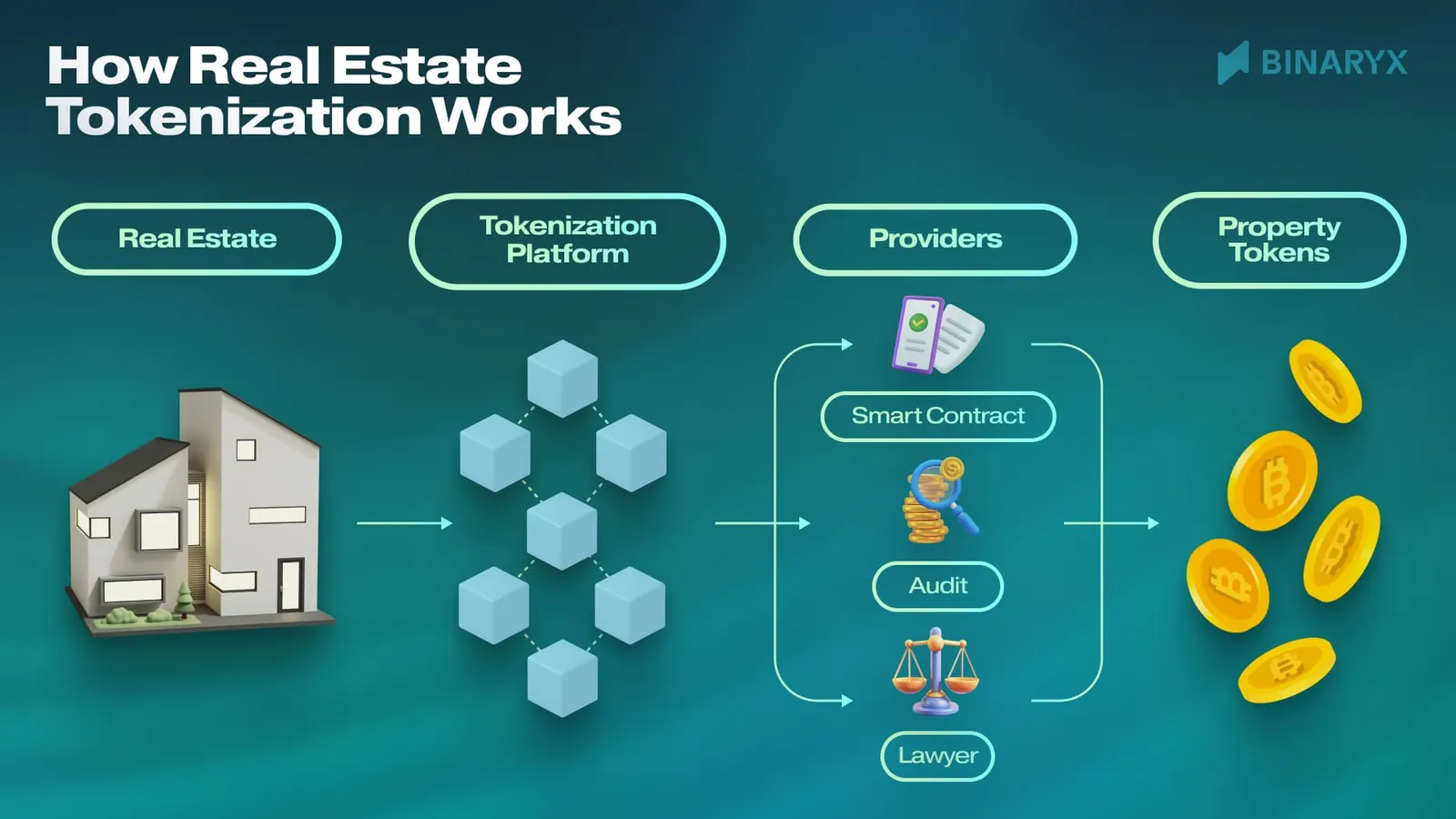
To the beginner, the concept of "digital real estate" might sound like science fiction. However, the process is rooted in established legal and financial frameworks. Here is how a physical asset is transformed into a digital one in 2026:
- Asset Selection & Legal Structuring: A property owner or developer decides to tokenize an asset. They typically form a Special Purpose Vehicle (SPV)—usually an LLC—that legally owns the property.
- The Smart Contract Layer: Developers write a "Smart Contract" on a blockchain (most commonly Ethereum, Polygon, or Solana). This contract dictates the rules: how dividends are paid, how tokens can be sold, and how voting rights are handled.
- The Token Offering (STO): The ownership of the LLC is divided into, for example, 1,000,000 tokens. These are then offered to investors through a Security Token Offering (STO), which complies with SEC or regional financial regulations.
- Digital Wallet Ownership: When you buy 100 tokens, they are delivered to your digital wallet. You now legally own a fraction of the LLC that owns the building.
Why Tokenization is Dominating the 2026 Investment Market
The surge in tokenization's popularity is driven by the solution of three historical "pain points" in real estate: Liquidity, Entry Barriers, and Transparency.
1. Micro-Investing (Low Barriers)
The most significant advantage is the removal of the "Minimum Investment" hurdle. In 2026, platforms allow users to start with as little as $50. This allows young investors to begin building a real estate portfolio alongside their grocery shopping, rather than waiting a decade to save for a traditional down payment.
2. Enhanced Liquidity (The Secondary Market)
Historically, real estate is an "illiquid" asset; it can take six months to sell a building. Tokenization changes this. Because these shares are digital, they can be traded on Secondary Market Exchanges (like TZERO or INX). If you need cash, you can sell your 1% share in minutes, rather than months.
3. Real-Time Dividend Distribution
In 2026, the "monthly rent check" has been replaced by automated daily distributions. Smart contracts automatically calculate the rental income after expenses and send the proportional amount of "Stablecoins" (digital dollars) directly to the token holders' wallets in real-time.
Tokenization vs. REITs: A 2026 Comparison
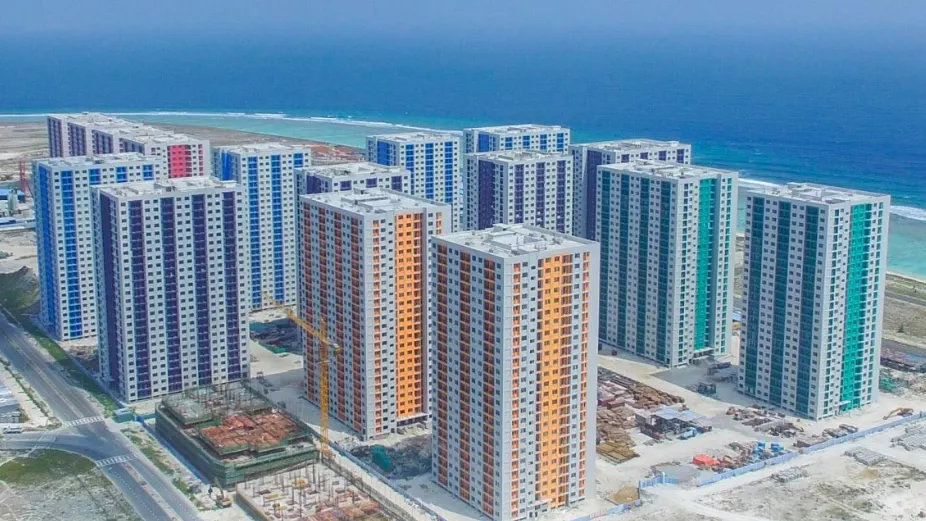
 For sale nowFrom MVR 3.6M1+1 Bedroom Apartments at Bayfancy · Hulhumalé
Beginners often ask: "Is this just a Real Estate Investment Trust (REIT)?" While they share similarities, the differences in 2026 are profound, specifically regarding control and fees.
| Feature | Public REITs | Real Estate Tokenization |
|---|---|---|
| Asset Selection | You buy a "basket" of hundreds of buildings. | You choose the exact building you like. |
| Management Fees | High (typically 1% - 3% annually). | Low (0.5% or less due to automation). |
| Transparency | Quarterly reports (delayed). | Real-time tracking on the blockchain. |
| Minimum Entry | Price of one share (usually $10 - $100). | As low as $1 on some 2026 platforms. |
| Correlation | Often moves with the Stock Market. | Moves strictly with the Property Value. |
The "Tech Stack" of a Modern Property Investor
To succeed in 2026, a beginner must be familiar with the tools of the trade. Real estate investing has moved from the filing cabinet to the smartphone. Your "Tech Stack" should include:
- A Non-Custodial Wallet: Tools like MetaMask or Coinbase Wallet to hold your ownership tokens securely.
- A Verification Platform: Services that handle KYC (Know Your Customer) to ensure you are legally allowed to buy securities in your country.
- Property Analytics AI: In 2026, investors use AI tools to scan "Tokenized Property Lists" for the best Cap Rates and Occupancy Forecasts.
The Regulatory Landscape of 2026
Is it legal? In 2026, the answer is a resounding yes, but with caveats. The "Wild West" era of 2021-2023 is over. Today, tokenized real estate is governed by strict Security Laws. Most platforms operate under "Reg D" or "Reg A+" exemptions in the United States, meaning they must provide audited financials and disclosures to their investors.
Important Note: Beginners should avoid "unregulated" platforms. Always ensure the platform you use is registered as a "Broker-Dealer" or has a visible partnership with a regulated custodian. In 2026, the security of your investment depends on the legal compliance of the issuing platform.
Step-by-Step Guide to Buying Your First 1%
If you are ready to move from theory to practice, follow these steps to secure your first digital real estate asset:
- Choose a Reputable Platform: Research platforms like Lofty.ai (for residential), RealT (for international), or EstateX (for diverse portfolios).
- Complete Identity Verification: Because these are legal securities, you will need to upload a photo ID. This process is now instant in 2026 via AI-verification.
- Analyze the "Offering Circular": Don't just look at the photos. Read the "Property Management Agreement." Who is fixing the toilets? How much are they charging?
- Fund Your Account: Most platforms now accept bank transfers (ACH), Credit Cards, or Stablecoins (USDC/USDT).
- Purchase and Monitor: Once you buy, your tokens will appear in your dashboard. You will start seeing your share of the rent accumulate immediately.
Risks and Challenges in Tokenized Real Estate
No investment is without risk, and tokenization brings a unique set of challenges to the 2026 investor:
- Platform Risk: If the company managing the tokens goes out of business, the legal process of reclaiming your portion of the physical property can be complex.
- Smart Contract Vulnerabilities: While rare in 2026, a "bug" in the code could theoretically lead to issues with dividend distribution.
- Market Volatility: Even though the asset is a building, the *token price* on a secondary exchange can fluctuate based on supply and demand, sometimes decoupling from the home's actual appraisal value.
The Future of Wealth is Fractional
Real estate tokenization has fundamentally changed the social contract of property ownership. It has moved real estate from a "lifestyle goal" that people achieve in their 40s to a "financial tool" that people utilize in their 20s. By breaking down buildings into 1% increments, we have unlocked trillions of dollars in stagnant equity and provided a path to financial freedom for a global audience.
As we look toward the remainder of 2026 and beyond, the line between "traditional" and "digital" real estate will continue to blur. Eventually, all property titles may exist as tokens on a global ledger. For the beginner investor, the message is clear: the barrier to entry is gone. The only remaining obstacle is the education required to navigate this new digital frontier.