How to Find and Apply for HDC Commercial Leases in the Maldives
Finding suitable commercial space is an important step for businesses looking to establish or expand their operations in the Maldives. In Hulhumalé and other areas managed by the Housing Development Corporation (HDC), commercial opportunities can include retail units, kiosks, office premises, storage facilities, market stalls and spaces for specialised services.
For entrepreneurs, small business owners and established companies, understanding how to identify these opportunities and prepare an application can make the process easier. However, HDC properties are not necessarily available on a continuous basis. Each opportunity may have its own application procedure, eligibility requirements, financial terms and submission deadline.
This guide explains how to find HDC commercial lease opportunities, where to obtain the official documents, how to prepare an application and what businesses should consider before committing to a lease.
What Are HDC Commercial Lease Opportunities?
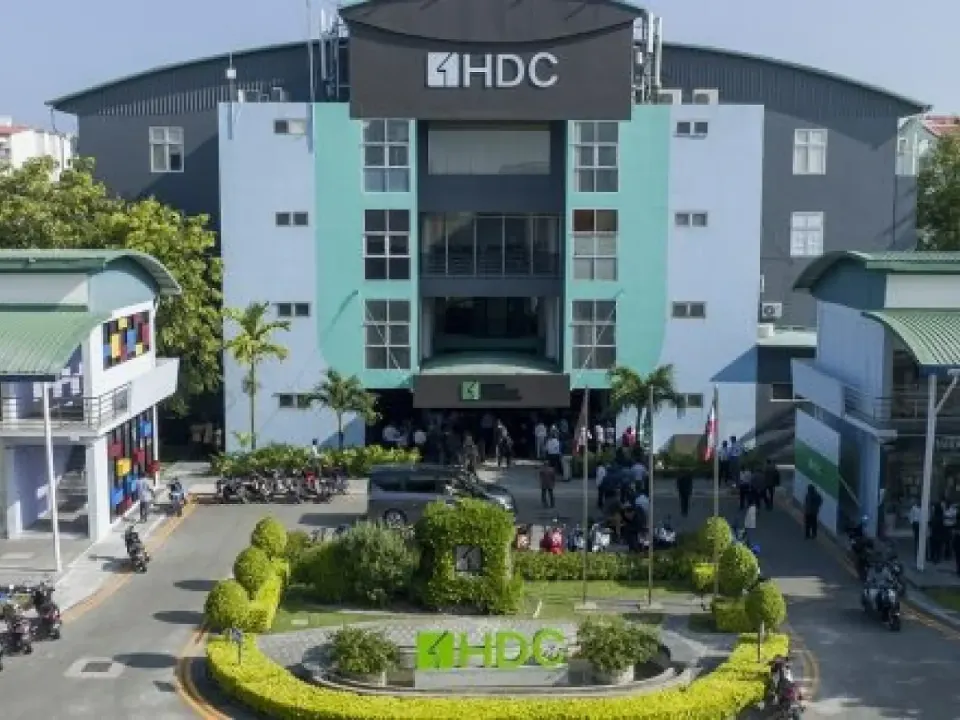
The Housing Development Corporation, commonly known as HDC, is involved in urban development and property management in the Maldives. Its MyHulhumalé Properties platform publishes information about property and lease opportunities associated with HDC developments.
Commercial leasing allows eligible businesses or individuals to use designated premises under an agreement that specifies the permitted purpose, duration, payment obligations and other conditions.
Depending on the particular announcement, an opportunity may involve an existing commercial unit, a designated space for a specific business activity, a warehouse unit or a larger development project.
For example, a commercial unit may be offered for a convenience store, pharmacy, salon, restaurant or other approved business. Industrial properties may be intended for storage or other activities permitted under the relevant conditions.
Not every opportunity is open to every type of business. Applicants should read the individual announcement carefully to establish whether their proposed activity is permitted.
Where to Find HDC Commercial Lease Opportunities
The best starting point is HDC's official property platform, MyHulhumalé Properties.
The portal publishes lease announcements and related updates. These may include the original opportunity, application documents, responses to enquiries, amendments, deadline extensions, submission and opening records, and evaluation results.
Reading only the original announcement may not be sufficient. Subsequent notices can change the application deadline, clarify requirements or provide additional information that applicants need to consider.
Businesses should also consult HDC's separate Bids and Proposals portal when considering procurement contracts, consultancy assignments, construction work and other tender-based opportunities.
Commercial property leasing and procurement tenders are different types of opportunities. Applicants should use the relevant portal and follow the submission procedure specified for the particular notice.
Types of Commercial Properties Available
HDC's published lease announcements illustrate the variety of property uses that may be offered. Availability changes over time, so the examples below describe types of opportunities rather than a guarantee that a particular unit is currently available.
1. Retail Shops and Convenience Stores
Retail units can be suitable for businesses selling groceries, household goods, personal care products and other everyday items. The suitability of a particular location depends on its surrounding population, accessibility, competing businesses and the conditions attached to the premises.
Before applying, estimate the cost of stock, staff, utilities, equipment and other operating expenses. A unit with a suitable size and rental cost may still be unsuitable if customer demand is insufficient to support the business.
2. Food and Beverage Businesses
Restaurants, cafés, cafeterias and other food businesses may find commercial opportunities in residential and mixed-use developments.
Applicants should check whether the premises are approved for food preparation and service. Ventilation, water supply, drainage, waste disposal, kitchen installation, fire safety and other technical requirements can affect the cost of fitting out a unit.
Any required business licences, food safety approvals and other permissions should be confirmed with the relevant authorities before operations begin.
3. Salons, Barbershops and Personal Services
Businesses providing haircuts, beauty treatments and personal care services may be able to apply for units specifically designated for those purposes.
These businesses should consider the layout of the premises, water and drainage facilities, customer access and the cost of installing the necessary equipment.
Applicants should also confirm whether the lease permits their exact service category rather than assuming that every commercial unit can be used for any business.
4. Offices and Professional Services
Office premises may be useful for consultancies, service providers, technology businesses and other organisations that need a physical operating location.
When assessing an office, consider the available floor area, accessibility for customers, internet connectivity, utility costs, parking arrangements and any restrictions on business activities.
5. Warehouses and Storage Units
Storage facilities can support importers, retailers, distributors, contractors and businesses that need additional inventory space.
Some HDC opportunities relate to specialised storage uses, including chemical storage. Such premises may have specific restrictions, safety requirements and operating conditions.
Businesses handling regulated or hazardous materials must confirm that their proposed activities are authorised and that they can comply with all applicable storage, handling and safety requirements.
6. Kiosks, Market Stalls and Small Commercial Spaces
Smaller spaces can provide opportunities for businesses that do not require a full commercial unit. Depending on the announcement, these may include kiosks, market stalls or designated spaces within public or commercial facilities.
Applicants should review the permitted operating hours, products or services allowed, rental obligations, equipment restrictions and any temporary or event-specific conditions.
Step-by-Step Guide to Applying for an HDC Commercial Lease
Step 1: Search for a Suitable Opportunity
Visit the official HDC lease opportunities portal and review the available announcements.
Look for opportunities that match your intended business activity, preferred location and available budget. Pay attention to whether the announcement is open for applications, under evaluation, awarded, amended or closed.
Do not assume that a property is available simply because its announcement remains visible on the website.
Step 2: Read the Full Announcement and Download the Documents
Once you identify a suitable opportunity, open the announcement and review the available documents.
Depending on the opportunity, the documents may explain the property specifications, application procedure, payment conditions, eligibility criteria, evaluation process and required supporting information.
 For sale nowFrom MVR 3.6M1+1 Bedroom Apartments at Bayfancy · Hulhumalé
Check whether applicants must submit a business proposal, financial information, a proposed rental amount, company documents or other materials.
Do not rely on the headline or a short summary when the full documents contain the actual requirements.
Step 3: Check Your Eligibility
Before preparing an application, establish whether you meet the stated requirements.
Some opportunities may be restricted to particular business activities or applicant categories. Others may require an applicant to demonstrate relevant experience, financial capacity or the ability to operate the proposed business.
Review any requirements concerning company registration, authorised representatives, licences or supporting documents. If a condition is unclear, seek clarification from HDC using the contact details or enquiry procedure specified in the announcement.
Step 4: Prepare a Business Plan and Financial Estimate
A practical business plan helps you determine whether the opportunity makes commercial sense and can help you prepare the information requested by the application documents.
Depending on the proposed business, consider including:
A description of the business and its intended customers.
The products or services that will be offered.
The proposed operating model and staffing requirements.
The expected initial investment and fit-out expenses.
The proposed rental payment and other recurring costs.
Estimated sales, operating expenses and cash flow.
Any equipment, utility or technical requirements.
The anticipated opening date and implementation plan.
These are general planning considerations, not a universal list of mandatory application documents. The official announcement determines what must actually be submitted.
Step 5: Calculate the Total Cost of Occupying the Property
One of the most important steps is understanding the total financial commitment rather than looking only at the monthly rent.
Depending on the lease terms, costs may include a deposit, advance payments, rent, utilities, service charges, insurance, renovation, equipment, licences and ongoing maintenance.
Some premises may require substantial fit-out work before they can be used. Others may have restrictions on construction or alterations, so applicants should establish what changes are permitted before estimating their costs.
For a business that depends on daily sales, it is also important to calculate how much revenue is needed to cover both fixed and variable expenses.
Step 6: Submit the Application Using the Required Method
Follow the instructions specified in the individual HDC announcement. The required process may differ between property opportunities.
Check that all mandatory forms are completed, supporting documents are attached and any required financial information is provided in the requested format.
Submit the application before the stated deadline and retain the relevant confirmation or submission record.
Where the announcement permits enquiries, use the official procedure to resolve questions before the deadline rather than relying on informal assumptions.
Step 7: Monitor Updates and Evaluation Results
After submitting an application, continue checking the relevant announcement for updates.
HDC's property portal publishes notices associated with the leasing process, which can include responses to enquiries, amendments, submission records and evaluation results.
Keep copies of your submitted documents and monitor any communications or additional requirements specified by HDC.
Submitting an application does not guarantee that it will be accepted or that the applicant will receive the lease. The outcome depends on the relevant eligibility conditions and evaluation or allocation process.
Understanding HDC Lease Terms and Financial Obligations
Before accepting a commercial lease, review the agreement and understand the financial commitments it creates.
Rental payments
Confirm the amount payable, the payment frequency, the due dates and any applicable adjustment provisions. If the rent is determined through a competitive proposal process, understand how your proposed amount will be evaluated.
Deposits and advance payments
Check whether a deposit, advance rent or other initial payment is required. The agreement should explain the applicable payment conditions and the circumstances in which any refundable amount may be returned or retained.
Lease duration and renewal
Review the lease term and any renewal provisions. Do not assume that a lease will automatically be extended or that renewal will be offered on the same financial terms.
Permitted business activity
Confirm the exact use allowed under the agreement. A unit offered for a specific service or retail purpose may not be available for an unrelated business activity without the required approval.
Fit-out and maintenance
Establish who is responsible for repairs, routine maintenance, structural issues and approved alterations. Also check what happens to fixtures and improvements when the lease ends.
Termination and default
Understand the consequences of late payments, failure to operate, unauthorised changes, breach of lease conditions and early termination. For a significant commercial commitment, obtain independent legal advice before signing.
How to Assess Whether a Commercial Lease Is Worthwhile
A suitable property is not necessarily the one with the lowest rent. The business must generate enough income to cover its costs while leaving sufficient cash to operate and grow.
For example, consider a hypothetical small retail business with the following monthly estimates:
Expense or income itemIllustrative monthly amountSales revenueMVR 100,000Cost of goods soldMVR 55,000RentMVR 10,000Staff expensesMVR 12,000Utilities and other operating expensesMVR 8,000Estimated operating surplus before other costsMVR 15,000
This example is hypothetical and is not an estimate of actual HDC rental rates or typical retail profits. It excludes any additional expenses not listed, such as financing costs, taxes, depreciation and unexpected repairs.
The calculation illustrates why expected sales, stock costs, staffing and rent should be assessed together. A business with lower sales or higher operating costs may not be able to support the same lease.
Applicants should prepare their own estimates using realistic assumptions and allow for periods when revenue is lower than expected.
Common Mistakes to Avoid When Applying
Missing amendments: Failing to review later notices can result in an application based on outdated information.
Ignoring the permitted use: A property may not be suitable for the business you intend to operate.
Underestimating fit-out costs: Renovation, equipment and compliance requirements can increase the initial investment.
Looking only at rent: Deposits, service charges, utilities and staffing also affect affordability.
Submitting incomplete documents: Missing mandatory information can affect eligibility or evaluation.
Assuming approval is guaranteed: An application is subject to the requirements and decision process stated in the announcement.
Relying on old advertisements: Previous lease notices may relate to opportunities that have already closed or been awarded.
HDC Commercial Leases and Other Business Opportunities
Businesses interested in HDC-related opportunities should distinguish between leasing property and bidding for a procurement contract.
A commercial lease concerns the right to occupy or use premises under the applicable agreement. A procurement tender may instead involve supplying goods, delivering services, undertaking construction or providing professional expertise.
HDC publishes procurement opportunities through its Bids and Proposals portal.
The portal states that only registered vendors can submit bids. Its published guidance instructs prospective bidders to create a login, complete vendor registration and follow the instructions and timeline for the relevant tender.
Companies interested in both property and procurement opportunities should review the requirements for each separately. Registration or eligibility for one process should not be assumed to establish eligibility for another.
Frequently Asked Questions
Where can I find current HDC commercial lease opportunities?
Visit the official HDC lease portal. Review the current announcements and confirm their status, closing dates and application requirements.
Can a small business apply for an HDC commercial lease?
Eligibility depends on the specific opportunity. Small businesses should review the applicant requirements and confirm that their proposed business activity is permitted.
What documents are required for an HDC lease application?
The required documents depend on the announcement. Applicants should consult the original notice and its accompanying forms for the exact requirements rather than relying on a general checklist.
Does HDC charge the same rent for every commercial unit?
No single rental amount should be assumed to apply to all properties. The financial terms depend on the particular opportunity and the conditions published by HDC.
Can I change the business activity after receiving a lease?
That depends on the lease agreement and applicable approvals. Check the permitted-use conditions and obtain written approval where required before changing the business activity.
Where can I find HDC tender opportunities?
Visit the HDC Bids and Proposals portal for procurement opportunities. Follow its vendor registration process and the instructions in the relevant tender documents.
Official Resources for Applicants
MyHulhumalé Properties — HDC property information and announcements.
HDC Lease Opportunities — lease notices and related updates.
HDC Bids and Proposals — procurement tenders and proposal opportunities.
HDC Bids and Proposals FAQ — guidance on vendor registration and bid submission.
For questions about a particular property or application, use the official contact information and enquiry procedure provided by HDC.
Disclaimer: This article is intended for general informational purposes only and does not constitute legal, financial or investment advice. Lease terms, availability, application requirements and deadlines can change. Always refer to the latest official announcement and contractual documents before making a commitment.