Giraavaru Falhu has become one of the most important names for Malé families hoping to own land. The lagoon near the capital is being reclaimed to create thousands of residential plots, many of them promised to people registered in Malé who have waited years for a home of their own. The project has also seen changes of contractor, revised plans and shifting dates. This guide brings together what has been reported so far and what plot holders should do next.
Figures and dates in this article come from government statements and Maldivian news reports during 2026. Some sources conflict; we note where they do. Check official announcements for the latest position.
Where is Giraavaru Falhu?
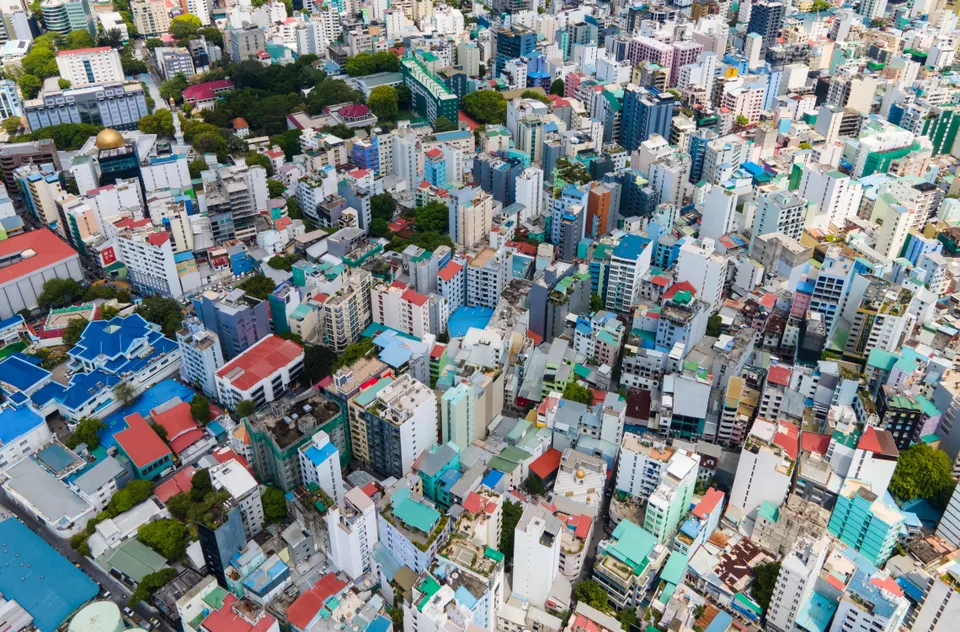
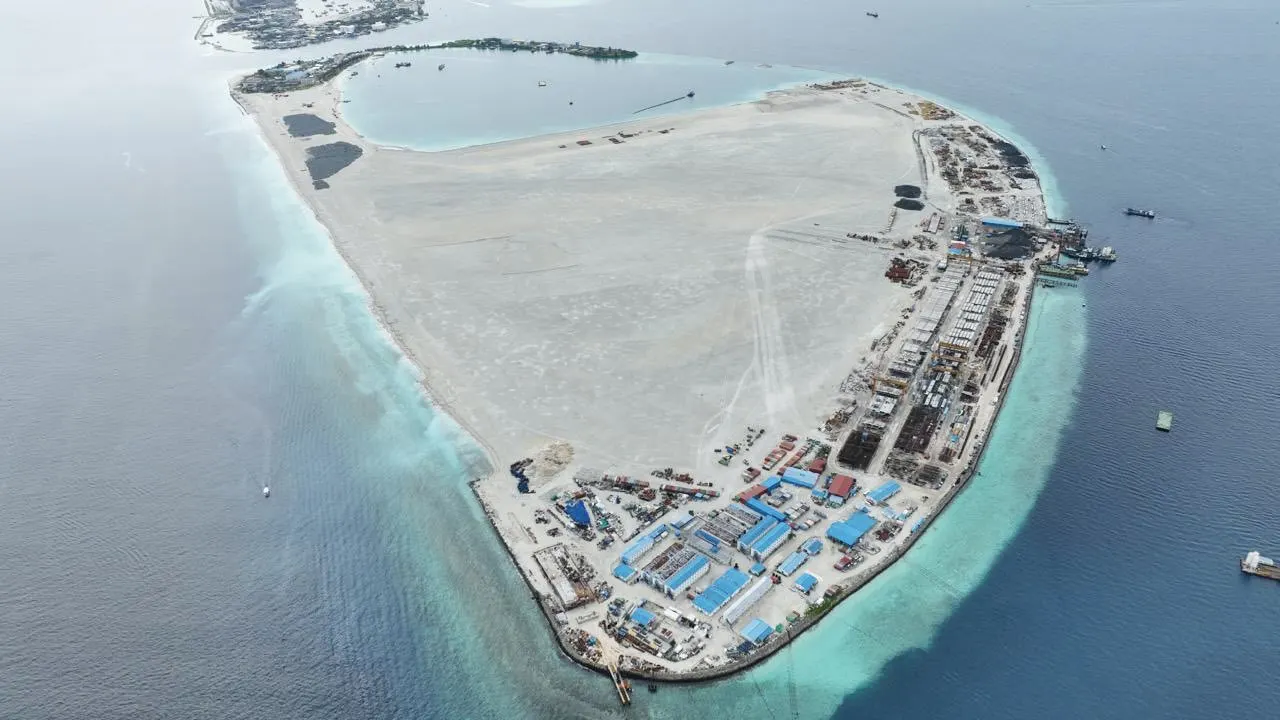
Giraavaru Falhu is a lagoon area in Kaafu Atoll, close to Malé and near Gulhifalhu and Thilafushi. It is one of several areas reclaimed around the capital to create land for housing, alongside Hulhumalé Phase 3, Gulhifalhu and Rasmalé. Together they are meant to relieve the crowding in Malé, where land is scarce and expensive. Read Gulhifalhu and Thilafushi for the neighbouring projects.
Reclamation: progress and changes
- The project was first given to a private contractor and then moved to Maldives Airports Company Limited (MACL), which began reclamation work on 31 January 2026.
- By June 2026, the government said about 98 hectares had been reclaimed.
- The Housing Minister gave the overall goal as about 169 hectares. Other reports give 167 hectares, and one report on a revised plan gives a larger figure of about 264 hectares, so the final size is not fully clear.
- Targets moved during the year: the President aimed for reclamation and survey work by the end of April, with handover of plots starting in June; the minister later revised completion to May.
Reclamation is only the first step. The new land must settle, be surveyed and divided into plots, and then receive roads, power, water and sewerage before families can build.
The revised land use plan
A revised plan reported in 2026 sets out about 4,072 residential plots:
| Plot size | Number of plots |
|---|---|
| 1,250 sq ft | 2,605 |
| 1,650 sq ft | 1,213 |
| 2,050 sq ft | 253 |
| 2,450 sq ft | 1 |
The original design aimed for around 5,000 plots, but because of space limits, roughly 1,000 plots were reported to have been moved to Gulhifalhu. A land draw that had been paused resumed after the change to the land use plan.
No flats have been reported for Giraavaru; coverage focuses on residential land plots.
Who are the plots for?
The Giraavaru plots are mainly for Malé residents under the government's housing programmes, particularly the land scheme for people registered in Malé (often referred to as Binveriya). Under the 2026 national housing scheme, people registered in Malé could apply for plots and flats in Hulhumalé, Gulhifalhu, Giraavaru and Rasmalé, while long-term Malé residents registered elsewhere could apply only for Rasmalé. General conditions included being 18 or over, owning no more than 400 sq ft of land, and not having received earlier government housing.
Read Hiyaa flats explained and Ras Malé housing applications for the full scheme, and our news on applications for land plots and flats.
Earlier registries
The Housing Minister said that land registries issued by the previous government may not be legally valid if plots were allocated before the land was fully reclaimed. Families who received documents under earlier allocations should check their status with the ministry rather than assume their plot is secure.
What plot holders should do now
- Keep your documents safe: allocation letters, draw results, ID and any correspondence.
- Check your status with the Ministry of Housing, especially if your allocation dates from before reclamation.
- Watch official announcements for survey results, plot numbers and handover dates.
- Read the allocation conditions: deadlines to build, design rules, restrictions on selling or transferring.
- Start planning your budget for design, approvals and construction.
Building on a 1,250 sq ft plot
 For sale nowMVR 7.17MBlue Lagoon 3 BHK Apartment · Hulhumalé
Most Giraavaru plots are 1,250 sq ft, the same size as many plots in other schemes. That is enough for a multi-storey family home, often with ground-floor parking and flats on upper floors to let. Building will need approved drawings, a licensed contractor and, for most families, financing. Rough planning points:
- Design: plan for future floors even if you build only two at first.
- Foundations: reclaimed land needs proper soil investigation; do not skimp here.
- Budget: get a bill of quantities and several contractor quotes; costs have risen with imported materials.
- Financing: banks and government programmes such as Hiyaavehi financing have supported construction on own plots.
Our guides on designing a home on a 1,250 sq ft plot, the cost to build a house, construction loans and choosing a contractor go into detail.
Selling or buying a Giraavaru plot
Some allottees will want to sell, and some buyers will want to buy. Be very careful. Scheme plots often come with conditions on transfer, especially before the land is handed over or within a set period. Paying for a plot that cannot legally be transferred, or one whose allocation is later cancelled, can mean losing your money. Before any deal:
- Confirm with the ministry that the plot can be transferred, and to whom.
- Check the allocation is valid and the plot number is confirmed by survey.
- Use a written agreement conditional on official approval and registration.
- Never pay in cash or to a third party.
What Giraavaru means for the wider market
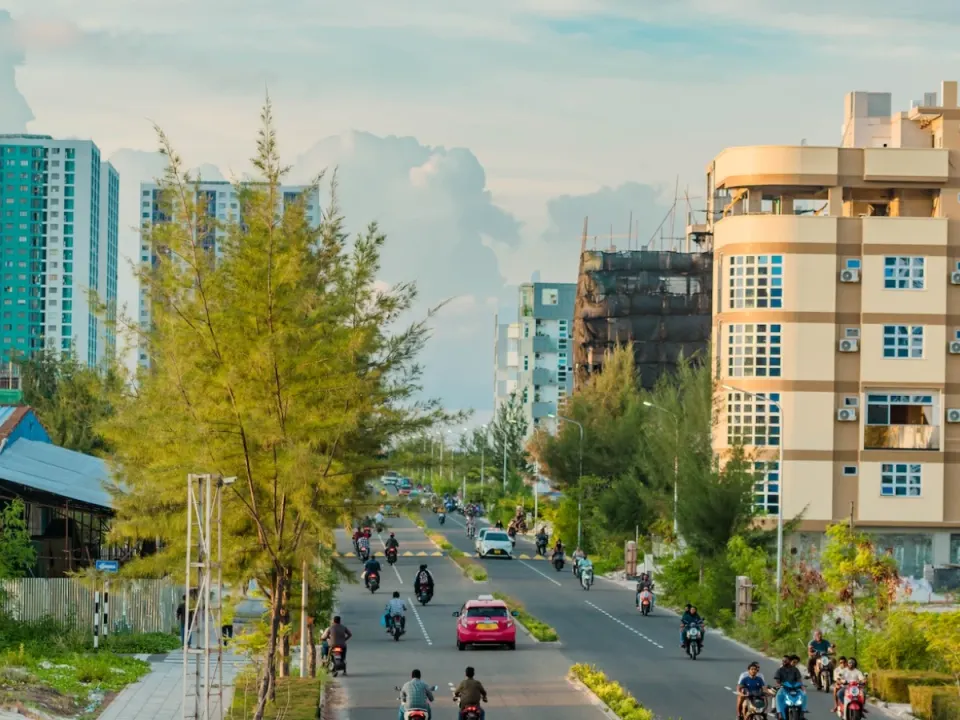
Thousands of new plots near Malé will, over time, allow families to build their own homes instead of renting. Many will build multi-storey buildings and let some floors, adding rental supply. Combined with Hulhumalé Phase 3, Gulhifalhu and Rasmalé, that could ease pressure on rents in the greater Malé area later this decade. In the short term, construction activity will raise demand for builders, materials and financing. Read our October 2026 market report and Hulhumalé Phase 3 and the Urban Island.
Transport and access
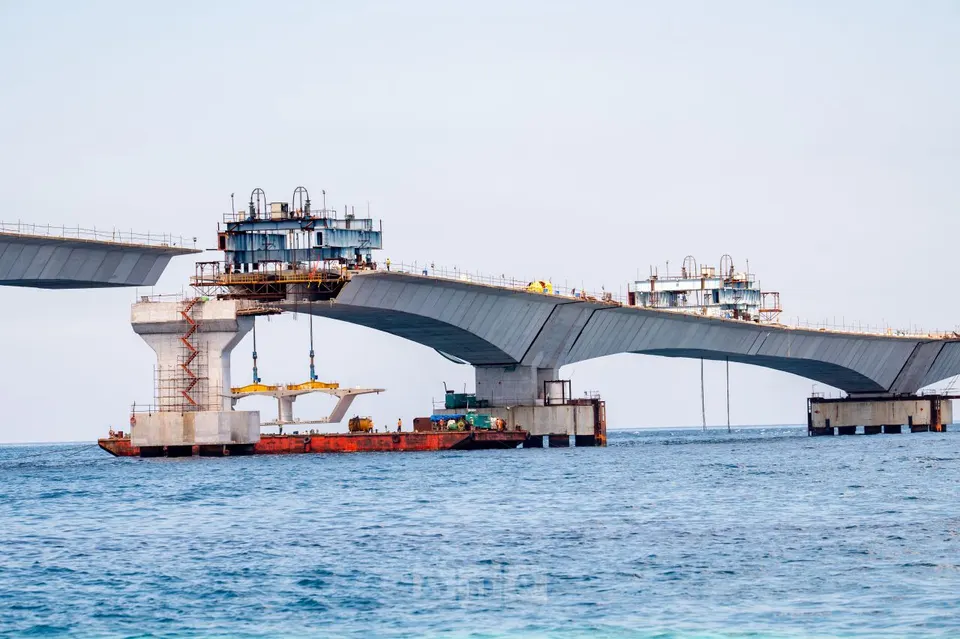
How residents will travel between Giraavaru and Malé matters greatly for daily life and land values. The Thilamalé Bridge, linking Malé with Villimalé, Gulhifalhu and Thilafushi, was reported at around 76% complete in mid-2026, with completion now expected in 2027. Ask how Giraavaru will connect to these links, by bridge, road or ferry, before planning your move. See the Thilamalé Bridge and Greater Malé connectivity projects.
Environmental questions
Reclamation around Malé has drawn criticism for its effect on reefs, lagoons and dive sites, as happened at Gulhifalhu. New land is also low-lying, so drainage, coastal protection and building levels matter for long-term safety. Plot holders should ask about planned coastal protection and recommended floor levels before finalising designs.
A realistic timeline for plot holders
Based on how earlier reclamation projects have unfolded, families should plan for several stages, each of which can take months or years:
- Reclamation completed and the land left to settle.
- Survey, plot numbering and confirmation of allocations.
- Roads, drainage, power, water and sewerage installed.
- Handover of plots and issue of documents.
- Design approval and building permits.
- Construction, typically a year or more for a multi-storey home.
Using the waiting time to save, compare designs and talk to banks puts families in a much stronger position when handover finally comes.
If you want to compare these costs with buying a home, browse properties for sale and run the numbers in the loan calculator.
Frequently asked questions
Where is Giraavaru Falhu?
Giraavaru Falhu is a lagoon area in Kaafu Atoll near Malé that is being reclaimed to create new land for housing in the greater Malé area.
How many plots will Giraavaru have?
A revised land use plan reported in 2026 allocates about 4,072 residential plots, most of them 1,250 sq ft, with smaller numbers of 1,650 sq ft and 2,050 sq ft plots and one 2,450 sq ft plot.
Who are the Giraavaru plots for?
The plots are mainly for Malé residents under the government's housing schemes, including the Binveriya land programme for people registered in Malé. Allocation follows the scheme's eligibility rules and lists.
When will Giraavaru plots be handed over?
Timelines have shifted. Reclamation was reported at 98 hectares by June 2026, with completion targets moving from April to May and beyond. Handover depends on reclamation, survey and infrastructure.