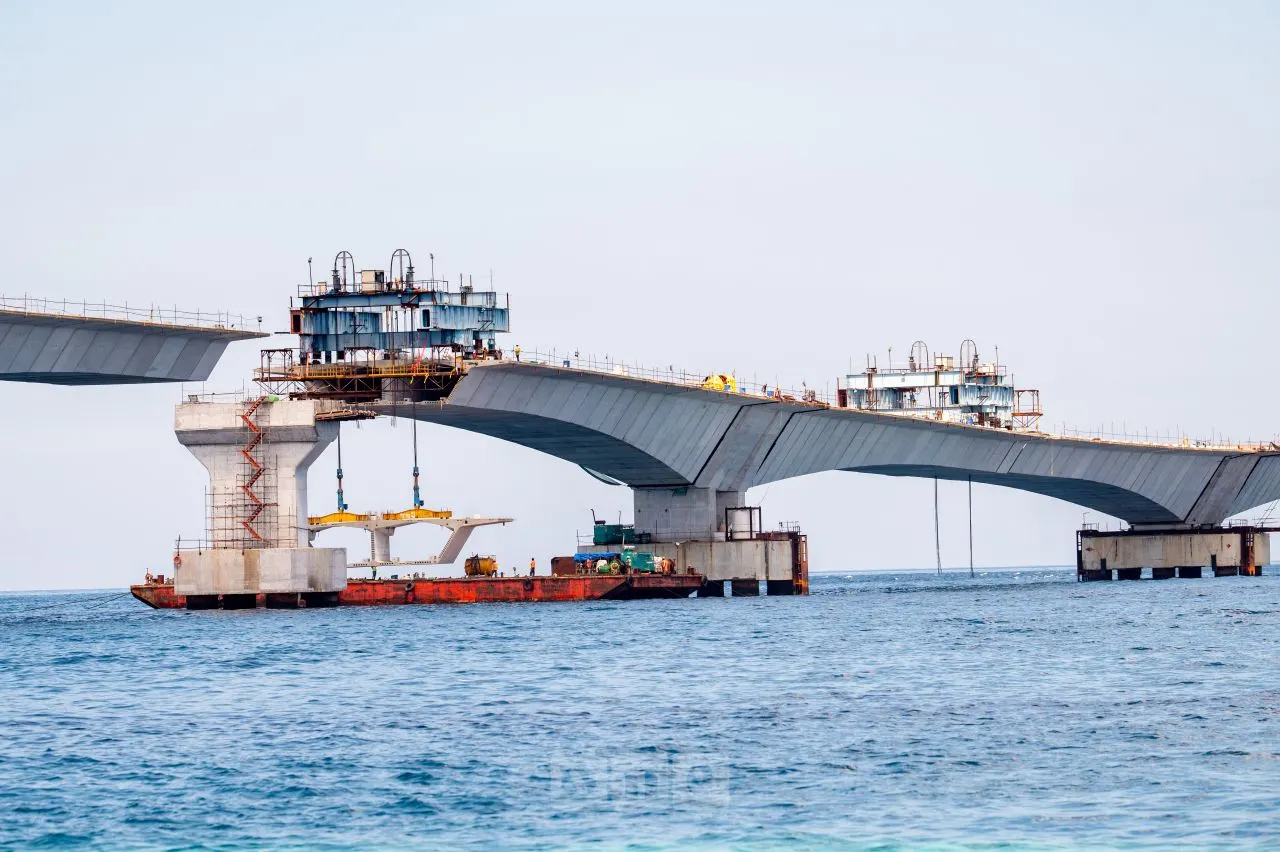
The Sinamalé Bridge, opened in 2018, transformed Hulhumalé by linking it to Malé by road. The next big link is now under construction on the western side of the capital. The Thilamalé Bridge, officially the Greater Malé Connectivity Project, will connect Malé with Villimalé, the new island of Gulhifalhu and the industrial island of Thilafushi, where the new commercial port is being built. For anyone who owns, rents or plans to buy property west of Malé, it is one of the most important projects of the decade. This guide explains the route, cost, progress and likely effects on property.
The project at a glance
| Official name | Greater Malé Connectivity Project (GMCP) |
|---|---|
| Route | Malé – Villimalé – Gulhifalhu – Thilafushi |
| Total length | About 6.74 km, including about 3.6 km of bridges and viaducts over water |
| Main structures | Three navigation bridges with 140 m main spans, marine and land viaducts, and at-grade roads |
| Contractor | Afcons Infrastructure (India) |
| Financing | USD 500 million from India: USD 100 million grant and USD 400 million EXIM Bank line of credit |
| Progress | About 52% in March 2025; about 76% in July 2026 |
| Expected completion | 2027 (originally September 2026) |
The route
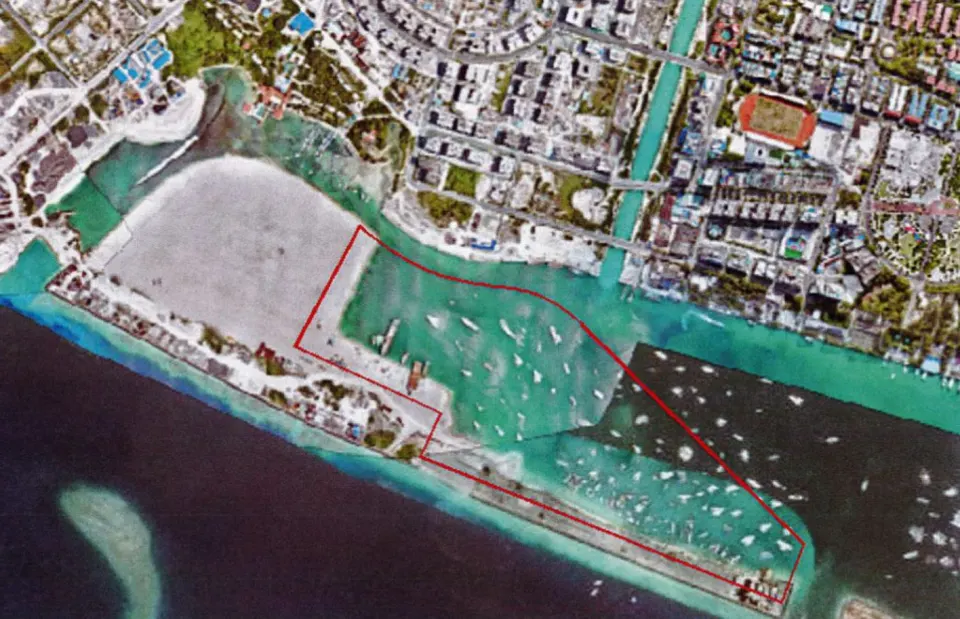
The bridge starts at Malé, with a signalised junction, and crosses to Villimalé, Malé's fifth district, where there will also be a junction. It then continues to Gulhifalhu, the large reclaimed island planned for housing and urban development, and on to Thilafushi, home to industry, warehouses, waste management and the new port. Roundabouts are planned at Gulhifalhu and Thilafushi. In total, about 3.6 km is built over water, and the rest runs on land.
Financing and history
The project was first proposed during a visit by India's External Affairs Minister to Malé in September 2019. India agreed to finance it with a USD 100 million grant and a USD 400 million line of credit from EXIM Bank, reported at a 1.75% interest rate with a five-year grace period and 20-year repayment. Construction is by Afcons, one of India's large infrastructure companies.
Progress and delays
Progress was reported at around 35% and 40% during 2024, 52% by March 2025, and about 76% by July 2026. The piling phase, a major milestone, was completed along the way. The original completion date of September 2026, set under a supplementary agreement, will not be met; in March 2026 slower progress was announced, partly linked to legal challenges over the budget, and completion is now expected in 2027. Large marine projects often slip, so buyers should treat 2027 as a target rather than a promise.
Why it matters
Moving the port
The government is moving Malé's congested commercial port to Thilafushi. Without a road link, goods and workers would have to cross by sea. The bridge makes the new port practical, which in turn frees space on Malé's waterfront. Read Gulhifalhu and Thilafushi.
Opening up Gulhifalhu
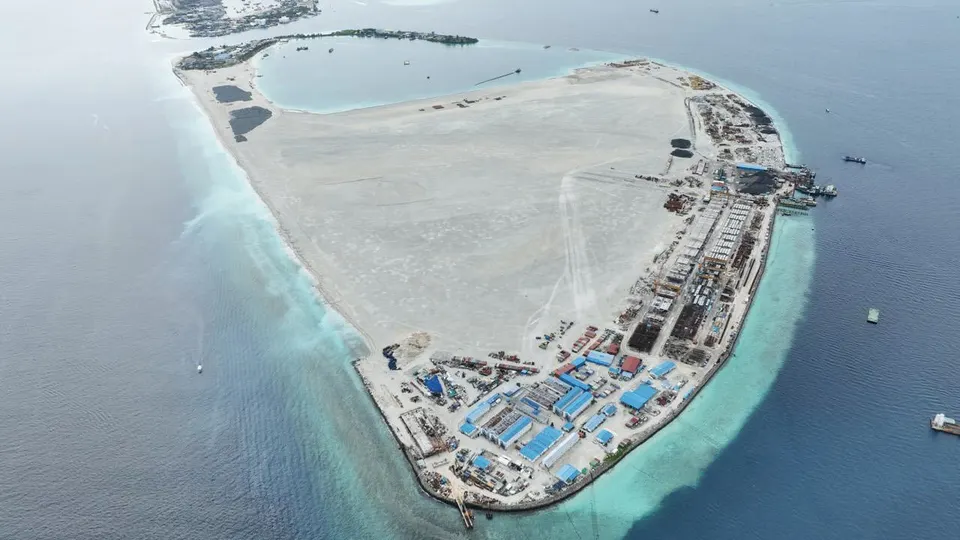
Gulhifalhu has been reclaimed for housing, with thousands of plots allocated. A road link to Malé turns it from a remote island into a real suburb, where families can commute by car, motorbike or bus.
Changing Villimalé
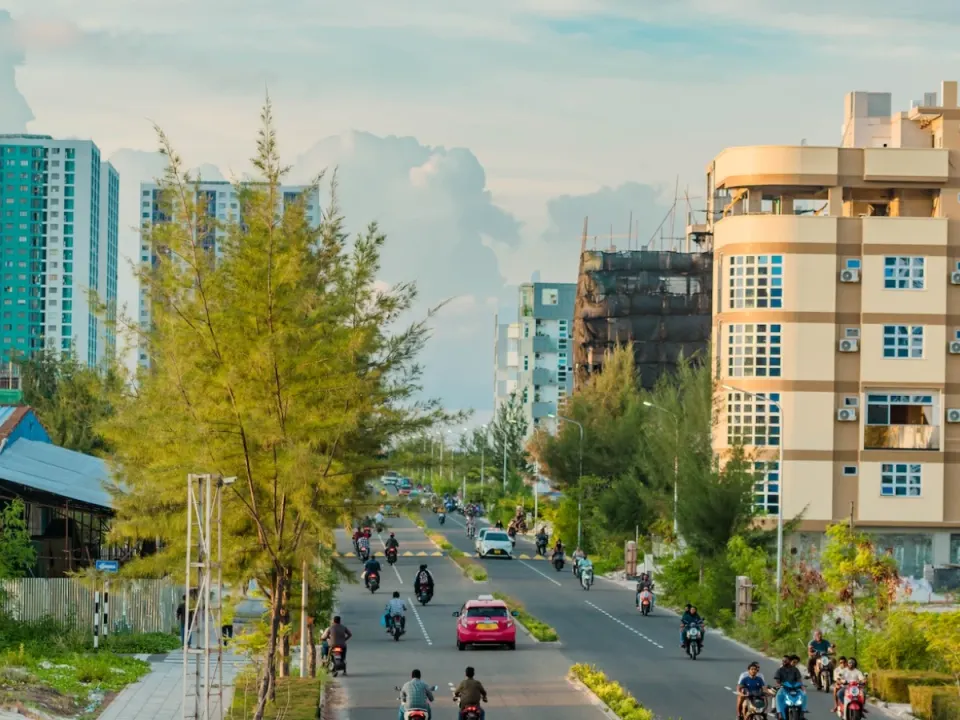
Villimalé, today a quiet, largely car-free island reached by ferry, will gain a road connection. That could make it far more convenient, but also change its character. Read living in Villimalé.
Easing Malé
Together with new housing on Gulhifalhu, Giraavaru and in Hulhumalé, the bridge is part of the plan to spread the population beyond Malé's crowded streets. See Greater Malé connectivity projects.
What it means for property
Villimalé
Villimalé is likely to feel the effect first. Better access can raise demand from families and workers who want Villimalé's calm without the ferry. Higher demand tends to support rents and prices. At the same time, cars and traffic may reduce the quiet that many residents value, and construction around the junction may be disruptive. Owners should watch both sides.
 For sale nowMVR 7.17MBlue Lagoon 3 BHK Apartment · Hulhumalé
Gulhifalhu
For Gulhifalhu plot holders, the bridge is crucial. Land with a road link to the capital is worth more and is easier to build on, because materials and workers can arrive by road. Expect interest in Gulhifalhu plots to grow as the opening approaches. Be careful with transfers, though: scheme plots often come with conditions. See property transfer and registration.
Thilafushi and commercial property
With the port and a road link, Thilafushi becomes more attractive for warehouses, workshops and logistics businesses. See warehouse space in Malé and Thilafushi.
West Malé
Property near the Malé end of the bridge may see more traffic, which can be both an opportunity for shops and a nuisance for homes. When the port moves, redevelopment of the current port area could reshape that part of the city. Read our bridge property impact analysis.
Hulhumalé
Hulhumalé will face more competition as new areas become accessible. Well-located, well-run buildings should hold up; ordinary older flats may see less rental demand over time. See Hulhumalé Phase 1 vs Phase 2.
Lessons from the Sinamalé Bridge
When the Sinamalé Bridge opened in 2018, travel between Malé and Hulhumalé became far easier, and Hulhumalé's growth accelerated. Families moved out of crowded Malé, businesses opened, and demand for Hulhumalé flats grew. But the effect built up over years, alongside new housing and services, rather than happening overnight. The Thilamalé Bridge is likely to follow a similar pattern: gradual change that rewards patient owners of good property in the right locations.
Risks to keep in mind
- Further delays to completion.
- Traffic and congestion at the Malé end.
- New supply from housing schemes, which may limit price growth.
- Public transport: the value of the link depends partly on buses and services across it.
- Environmental effects of reclamation and construction around the lagoons.
For buyers and investors: practical advice
- Do not pay a premium for a bridge that is not open yet unless the price still makes sense if it opens late.
- Check the exact location relative to the planned junctions and roads.
- Consider rental demand from port and logistics workers on the western islands.
- Use transparent price data: compare with price per square foot in Malé and Hulhumalé.
- Watch housing scheme timelines for Gulhifalhu and Giraavaru; see Giraavaru housing.
Getting around before and after
Today, residents of Villimalé rely on frequent public ferries to Malé, and Thilafushi and Gulhifalhu are reached mainly by boat. Once the bridge opens, buses, taxis, motorbikes and cars will be able to drive between the islands, and goods will move by truck from the new port. Some ferry services may change. Families moving to Gulhifalhu or Villimalé should ask how public transport will run across the bridge, how long journeys will take at peak times, and where parking will be available, especially in Malé, where space is already tight.
What to watch for in the next year
- Official updates on progress percentages and the revised completion date.
- Announcements on bus routes and ferry changes.
- Progress on the Thilafushi port and the plan for Malé's current port area.
- Handover dates for Gulhifalhu and Giraavaru housing plots.
- Any toll or traffic management plans at the Malé junction.
We will cover these in our monthly market reports. Meanwhile, browse properties for sale in Villimalé and Malé, and read Hulhumalé Phase 3 and the Urban Island for the other big growth area.
If you already own property on the western side of Malé, keep good records of its condition and rental income now. If values rise after the bridge opens, clear records will help you price it well, whether you sell or let. Our guide to pricing your property explains how.
Frequently asked questions
What is the Thilamalé Bridge?
It is the Greater Malé Connectivity Project, a 6.74 km link of bridges, viaducts and roads connecting Malé with Villimalé, Gulhifalhu and Thilafushi, built by Afcons and financed by India.
When will the Thilamalé Bridge open?
It was originally due in September 2026, but progress slowed and completion is now expected in 2027. It was reported at about 76% complete in July 2026.
How much does the bridge cost?
The project is financed with USD 500 million from India: a USD 100 million grant and a USD 400 million line of credit from EXIM Bank.
Will the bridge raise property prices in Villimalé?
Better road access usually supports demand and values, and Villimalé is likely to feel it most. But other factors, including new housing supply and the island's car-free character, will also shape prices.