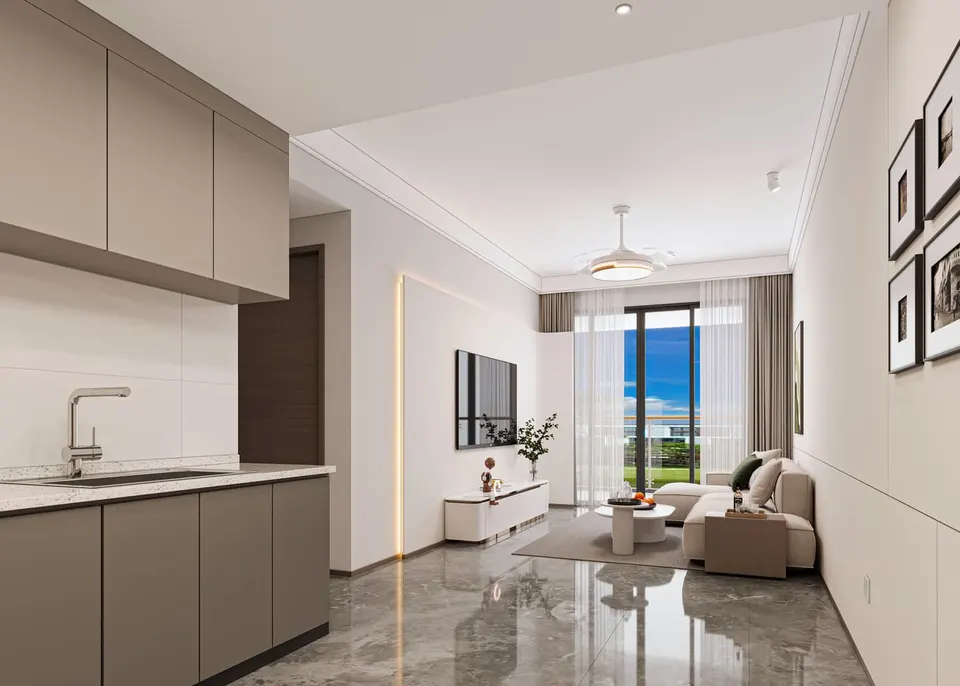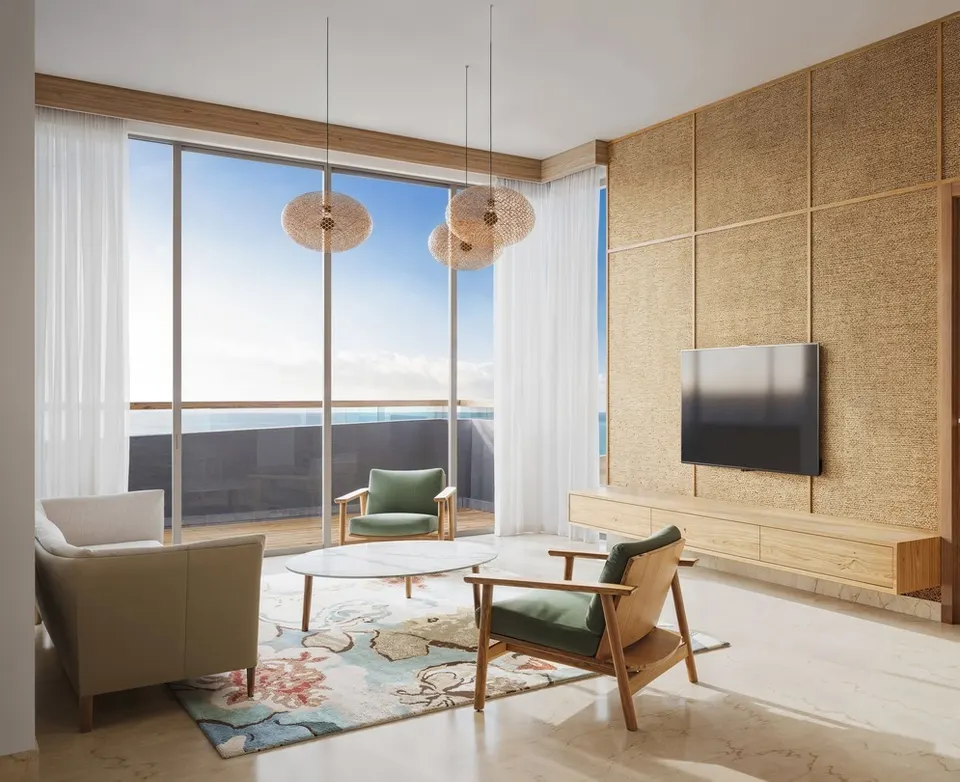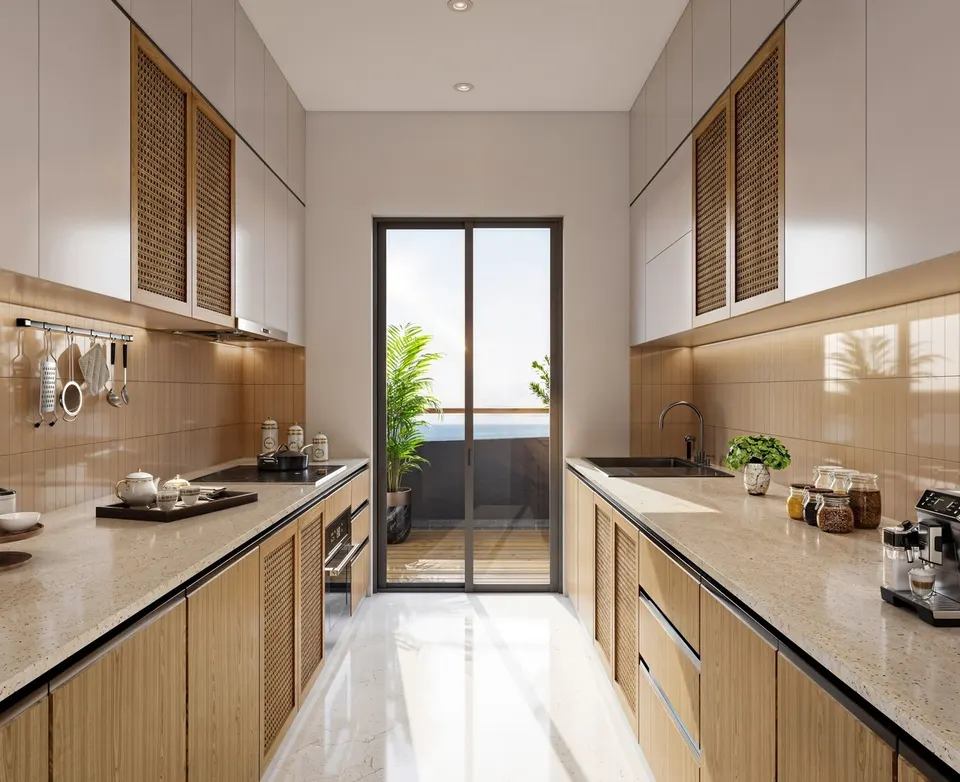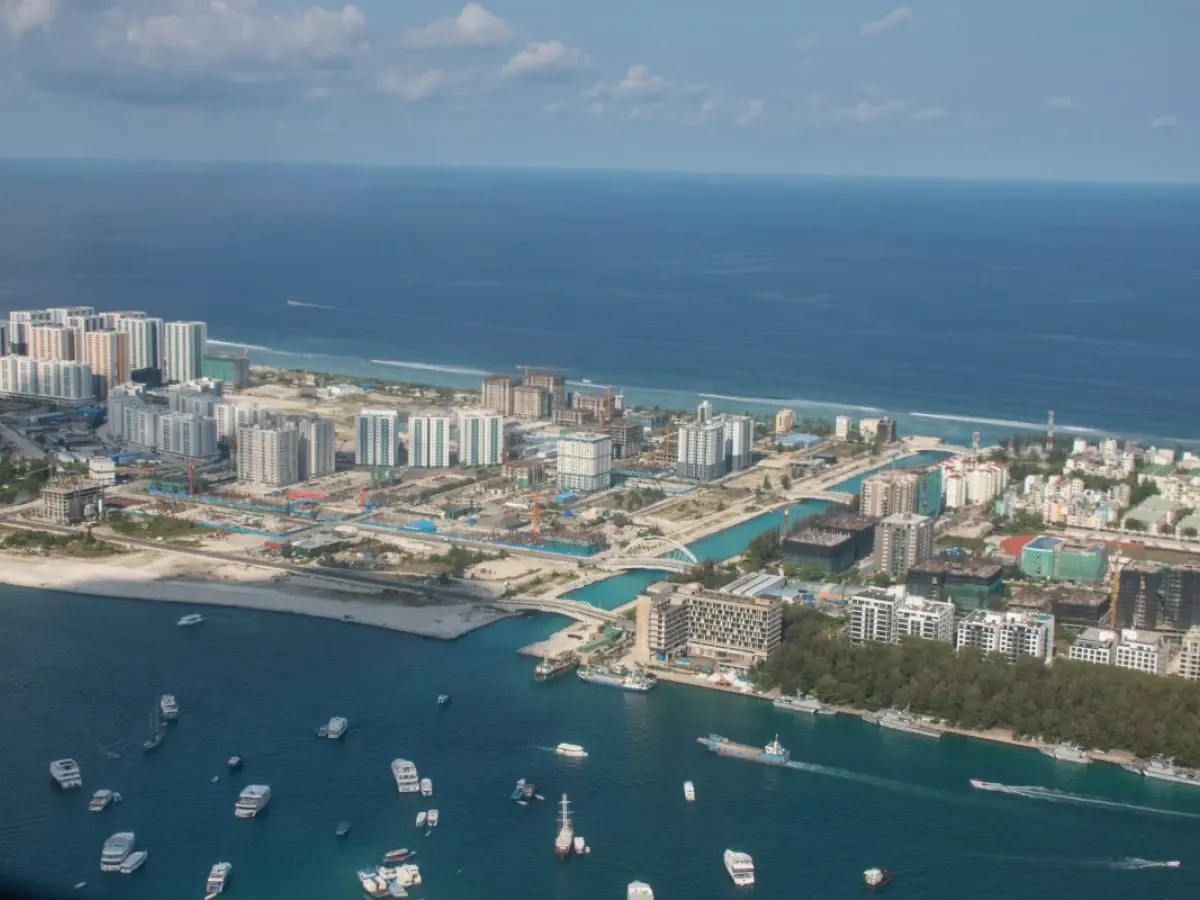
Hulhumalé is now home to a large share of the greater Malé population, and almost every house-hunter faces the same question: Phase 1 or Phase 2? The two halves of the island feel quite different. One is settled and convenient; the other is newer, taller and still being built. This guide compares them for renters and buyers in 2026, so you can pick the side that fits your budget and your life.
The two phases in brief
Phase 1 is the original reclaimed town, opened in the early 2000s. It has the established neighbourhoods, most of the schools and mosques, Hulhumalé Hospital, the ferry terminal and the long eastern beach with its cafés.
Phase 2 is the larger reclaimed area to the north. It is where the government and private developers have built many of the newest high-rise housing projects, along with Hulhumalé Central Park, and where much of the planned growth will happen.
The Housing Development Corporation's master plan, published in 2025, sets out the scale: around 194 hectares for about 100,000 people in Phase 1 and 251 hectares for about 250,000 people in Phase 2, along with plans for a "Youth City", dozens of new schools and more green space. In short, Phase 2 is where the city is going.
Side-by-side comparison
| Phase 1 | Phase 2 | |
|---|---|---|
| Character | Established, lively, walkable | Newer, high-rise, still developing |
| Typical 2-bed rent | About MVR 8,000 – 20,000 | About MVR 14,000 – 25,000+ |
| Buildings | Low and mid-rise, many 8–10 years old or more | Towers with lifts, newer kitchens and parking |
| Beach | Main public beach, cafés and water sports | Newer beaches and waterfront, quieter |
| Shops and services | Most of them, within walking distance | Growing, but you may still go to Phase 1 |
| Green space | Smaller parks | Central Park and larger planned open spaces |
| Construction | Little | Ongoing in many blocks |
Rent ranges are based on 2026 asking rents. Our article on rent in Hulhumalé breaks them down by bedroom.
Living in Phase 1
Pros
- Everything nearby. Supermarkets, cafés, schools, the hospital and the beach are often a short walk away.
- Lower rents. Especially in central streets and older buildings.
- Settled community. Mature trees, established neighbours and fewer building sites.
- Close to the ferry and buses to Malé and the airport.
Cons
- Older buildings. Some have no lift, limited parking and older plumbing.
- Busier and noisier near the beach and main roads, especially on weekend evenings.
- Less new supply for buyers who want a brand-new flat.
Living in Phase 2
Pros
- Newer homes. Lifts, modern kitchens, more bathrooms and often parking.
- Views. Higher floors with sea or park views are common.
- Space and green areas. Wider roads and Central Park.
- Future growth. New schools, shops and transport are planned here.
Cons
- Construction. Noise and dust can last years in some blocks.
- Fewer services yet. Some daily needs still mean a trip to Phase 1.
- Higher rents for the same number of rooms.
- Lots of new supply. Good for tenants and buyers negotiating, but it can slow price growth for landlords.
For renters: which phase suits you?
- Tight budget, no car: Phase 1 central streets. You will walk to almost everything.
- Family with young children: either. Phase 1 for established schools nearby; Phase 2 for a newer building with a lift and parks. See the best neighbourhoods for families.
- Professionals who want a modern flat: Phase 2 towers, especially furnished units.
- Beach lovers: Phase 1 near the beach, if you can live with weekend crowds.
Whichever you choose, read what to check before paying a deposit, and if you are new to the country, our guide for expats.
For buyers: which phase is the better investment?
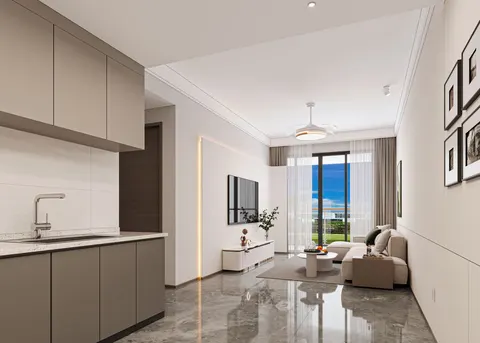 For sale nowFrom MVR 3.6M1+1 Bedroom Apartments at Bayfancy · Hulhumalé
Price
Flats for sale in Hulhumalé on Maldives Investments range from about MVR 3.6 million to more than MVR 7 million, depending on size, building and phase. Our analysis of listings puts typical Hulhumalé asking prices around MVR 4,250 per square foot, with a range of roughly MVR 3,700 to 5,400. Newer Phase 2 towers and sea-view units sit at the top. See the full numbers in price per square foot in Malé and Hulhumalé.
Rental demand
Phase 1 has steady demand from families and workers who want to be near services. Phase 2 attracts professionals and families who want newer flats. Gross rental yields in Hulhumalé are typically around 4 – 5.5% based on asking prices and rents; read rental yields in Hulhumalé and Malé for the calculation.
Growth
Phase 2 has more planned infrastructure, which tends to support values over time. But it also has more new supply, including large government housing schemes, so not every flat will rise in value. Location within the phase, building quality and the developer's track record matter more than the phase name.
Off-plan
Many Phase 2 flats are sold before completion. Off-plan can offer lower prices and payment plans, but there are risks, from delays to a developer failing. Read buying an off-plan apartment before you sign.
Leasehold and title
Most Hulhumalé land is allocated by HDC on long leases, and the terms, transfer rules and fees vary by scheme. Check the lease, any restrictions on resale or letting, and that the seller has the right to sell. Our step-by-step guide to buying a flat in Hulhumalé explains the process, and property transfer and registration covers the paperwork.
Transport and getting to Malé
Both phases connect to Malé over the Sinamalé Bridge by bus, taxi, car or motorbike. Phase 1 is a little closer to the bridge and the airport. From parts of Phase 2, add travel time within Hulhumalé. At peak hours the bridge and the roads into Malé can be slow, so if you commute daily, test the journey at 8 am before you commit.
Schools, healthcare and daily life
Phase 1 has most of Hulhumalé's existing schools, Hulhumalé Hospital and the bulk of clinics, pharmacies and supermarkets, which is a major reason families stay there. The master plan sets aside land for many new schools across the island, a large share of them in Phase 2, so the balance will shift over the coming years. If you are moving with children, check which school your address is likely to be zoned for and how long the walk or ride will be, rather than relying on plans.
For daily life, Phase 1 wins on cafés, restaurants and the beach promenade. Phase 2 wins on quiet evenings, space to cycle and newer play areas. Many Phase 2 residents happily shop and eat in Phase 1, a short ride away.
What to check on a viewing, in either phase
- Is the lift working, and who maintains it?
- What is being built next door, and for how long?
- Is there parking, and is it included?
- How far is the nearest supermarket, school and bus stop?
- Is the flat facing the sun all afternoon? It affects comfort and electricity bills.
Our verdict
Choose Phase 1 if you value convenience, community and a lower rent, and do not mind an older building. Choose Phase 2 if you want a newer home with a lift, parking and space, and can live with some construction while the area matures. For buyers, a well-located flat in a good building in either phase will outperform a poor flat in the "right" phase.
Ready to look? Browse flats for rent or flats for sale, read our Hulhumalé area guide, and work out your repayments with the loan calculator.
Frequently asked questions
What is the difference between Hulhumalé Phase 1 and Phase 2?
Phase 1 is the original, established part of Hulhumalé with most shops, schools, the hospital and the main beach. Phase 2 is the newer reclaimed area to the north with more high-rise towers, Central Park and much of the new development.
Which phase is cheaper to rent?
Phase 1 is usually cheaper, especially in central streets away from the beach. Phase 2 towers with lifts, parking and sea views typically cost a few thousand rufiyaa more a month for the same size of flat.
Is Phase 2 a good place to buy?
Phase 2 is where most new supply and future infrastructure is planned, which supports long-term value. It also means more competing new flats, so choose buildings and developers carefully.
How many people will live in Hulhumalé?
The 2025 master plan sets out Phase 1 for about 100,000 residents on 194 hectares and Phase 2 for about 250,000 on 251 hectares.