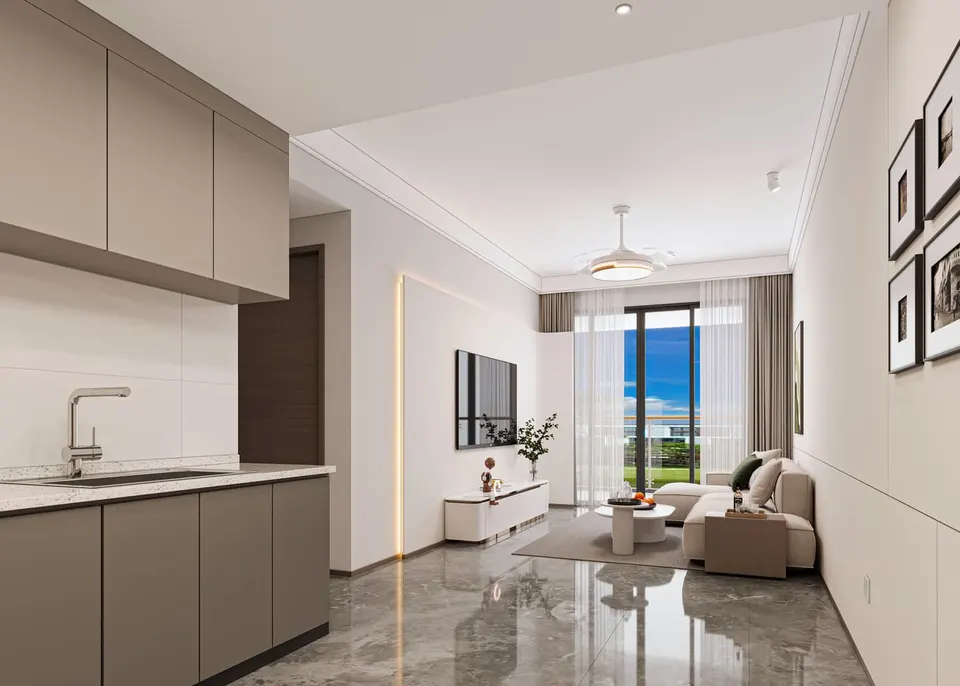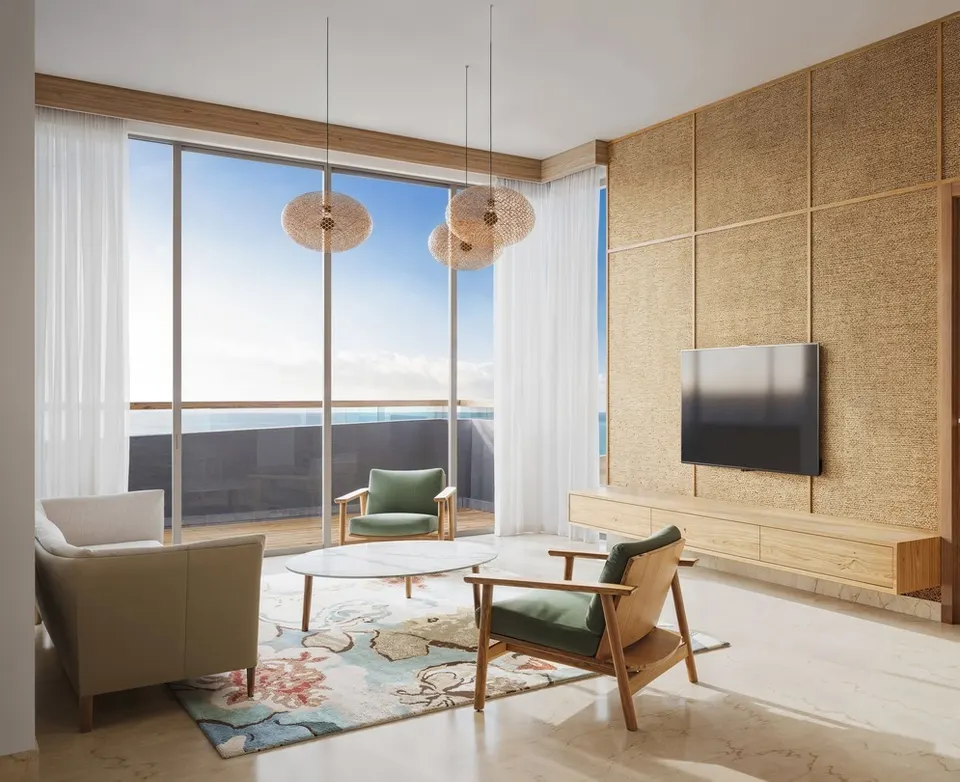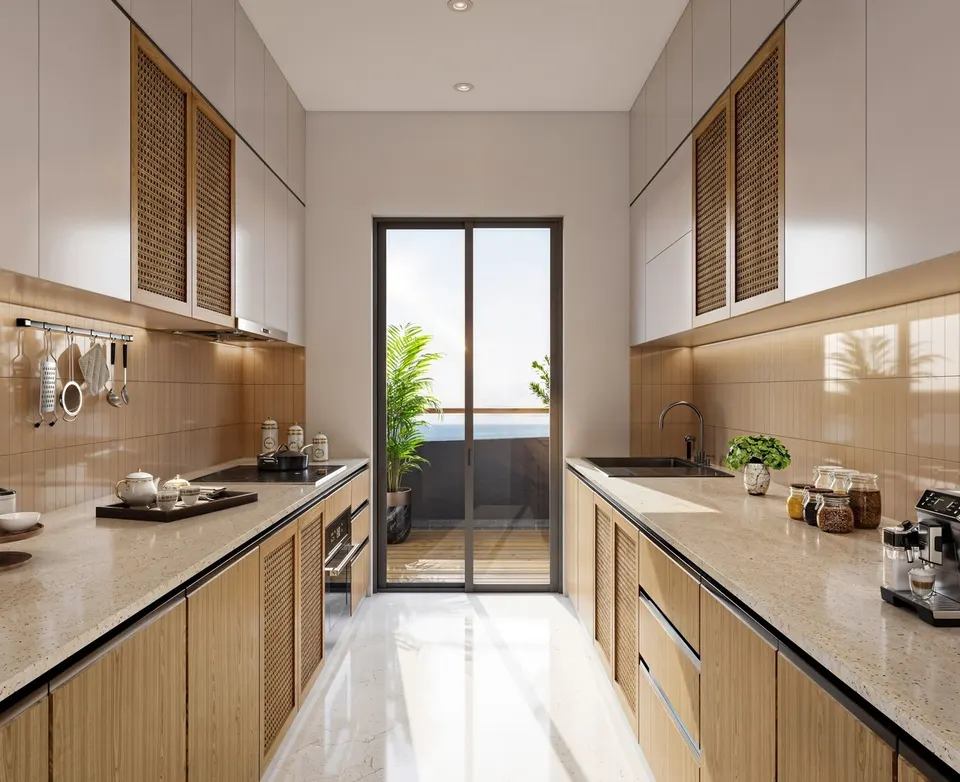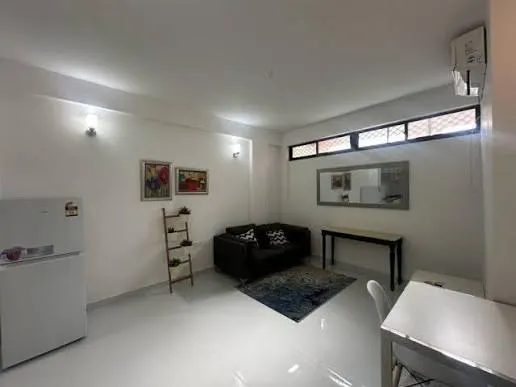
Finding a flat in Malé or Hulhumalé is often the easy part. The stressful part comes next: how much to pay up front, what to sign, and how to be sure you will get your deposit back. This guide explains how deposits and advance rent usually work, what the law now says, and exactly what to check before you hand over any money.
The up-front payments, explained
Most landlords ask for two kinds of payment before you move in:
- Security deposit. Money held by the landlord to cover unpaid rent or damage. It is returned at the end of the tenancy, minus any proper deductions.
- Advance rent. One or more months' rent paid before you move in. Unlike the deposit, this is rent, not something you get back.
The amounts vary. A common arrangement is a deposit of one or two months' rent plus one month in advance, but some landlords ask for several months in advance, particularly for furnished or premium flats. Everything is negotiable. Offering a longer agreement, or reliable references from a previous landlord, can reduce the money you need up front.
On a 2-bedroom flat at MVR 16,000 a month, one month's deposit plus one month in advance means MVR 32,000 before you move in. Add the first electricity and internet bills and moving costs, and plan for around three months' rent in cash. For current rents, see rent in Malé by area and rent in Hulhumalé.
What the law says: the Residential Tenancies Act
Residential lettings in the Maldives are governed by the Residential Tenancies Act (Law 21/2021), with the Ministry of Housing responsible for it. It replaced the older tenancy section of the Land Act. A few points matter most to tenants:
- Deposits must be returned within 15 days after the tenancy ends, minus deductions the law allows.
- Rent cannot be changed during an existing tenancy. An agreement can set a rent that steps up at agreed dates, but the landlord cannot add an increase part-way through.
- The agreement should be in writing, so both sides know the rent, term and conditions.
There are also gaps worth knowing. Commentators point out that the Act does not cap how much rent can rise when you renew, does not require deposits to be held by an independent body, and does not give tenants an automatic right to renew. That makes your written agreement, and good records, especially important. Use our rental agreement checklist to cover every point.
Before you pay anything: confirm who you are dealing with
Rental scams are real in the Maldives. In 2026 the police warned about social media accounts advertising Hulhumalé flats at unrealistically low rents, using photos of other people's homes and asking for advance payments of MVR 2,550 to MVR 10,000. When one account was shut down, the same phone number reappeared under a new name. Their advice was clear: do not send any advance or booking fee without meeting the owner of the building.
- View the flat in person, inside, before paying.
- Ask for the owner's ID card and a document showing ownership, or written authority if you are dealing with an agent or relative.
- Pay to an account in the owner's name, never to a third party "holding" the flat.
- Get a receipt for every payment.
Read all seven warning signs in Maldives property scams and how to stay safe.
The viewing checklist
Take this list with you, and visit once in daylight and once in the evening if you can.
Water and plumbing
- Turn on every tap and shower. Is the pressure good, especially on upper floors?
- Is there hot water? Who maintains the water heater?
- Look under sinks and around the toilet for leaks or water stains.
Damp and mould
- Check ceilings, corners and behind wardrobes for dark patches and peeling paint.
- Smell matters. A musty smell in a closed room is a warning sign.
Electricity and air conditioning
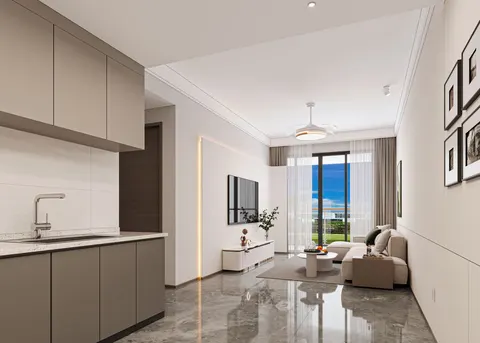 For sale nowFrom MVR 3.6M1+1 Bedroom Apartments at Bayfancy · Hulhumalé
- Switch on each air conditioner. Does it cool quickly and quietly?
- Count the sockets in each room and check the fuse board looks modern.
- Ask for a recent electricity bill to estimate your monthly cost.
Building and access
- Is there a lift, and does it work? Who pays for its maintenance?
- Is there parking for a motorbike or car?
- Is the stairwell clean and lit? Is the main door secure?
Noise, light and signal
- Listen for traffic, construction and neighbours, especially at night.
- Check natural light in the main rooms and mobile signal inside the flat.
Furniture and inventory
- If furnished, list every item and its condition. This list becomes part of the agreement.
Moving in: protect your deposit
- Sign the agreement before paying the full amount, and keep a signed copy.
- Do a move-in inspection with the landlord. Walk through every room together.
- Take date-stamped photos and a short video of walls, floors, appliances and furniture, and send them to the landlord by WhatsApp so there is a record they received.
- Write down meter readings for electricity and water on the first day.
- Keep every receipt for rent and bills.
During the tenancy
- Report repairs in writing (a WhatsApp message counts as a record) and keep the replies.
- Do not make big changes, such as painting or drilling many holes, without written permission.
- Pay rent on time and keep proof; it is your best protection in any dispute.
Moving out and getting the deposit back
- Give notice exactly as your agreement says.
- Clean the flat, repair any damage you caused, and settle the final bills.
- Do a move-out inspection with the landlord and compare against your move-in photos.
- Agree any deductions in writing. Normal wear and tear, such as slightly faded paint after years, should not be charged.
- Expect the deposit within 15 days of the tenancy ending. If it does not arrive, send a written reminder that mentions the Residential Tenancies Act.
If a dispute cannot be settled between you, seek advice from the relevant authority or a lawyer. Calm, written records almost always win.
Renewals and rent increases
Because the law does not cap increases at renewal, the time to negotiate is before your agreement ends. Two or three months before the end date, ask the landlord in writing whether they plan to renew and at what rent. If the increase seems high, compare similar flats on our rentals page and show the landlord the evidence. A reliable tenant who pays on time and looks after the flat is valuable, and many landlords prefer a modest rent to a vacant month and the cost of finding someone new. If you want certainty, ask for a two-year agreement with the second-year rent written in.
A note for landlords
The same steps protect owners too. A clear written agreement, an inventory, move-in photos and receipts make deposit disputes rare. Checking a tenant's ID and employment, and agreeing who pays for repairs, saves arguments later. If you are letting a flat, our guide to rental yields in Hulhumalé and Malé shows what to charge, and you can list it for free to reach tenants directly. Expatriate tenants have some extra questions, which we cover in renting in the Maldives as an expat.
Thinking of buying instead?
Many families paying MVR 15,000 – 25,000 a month in rent find a home loan repayment is not far off. BML accepts deposits from 5% of the project cost and lets you use your pension towards it. See how to use your pension for a home deposit, compare banks in BML vs MIB vs HDFC, and try the loan calculator.
Frequently asked questions
How much deposit do landlords ask for in Malé?
It varies by landlord and flat, but a security deposit of one to two months' rent plus at least one month's rent in advance is common. Agree the exact amounts in writing before paying.
When must a landlord return my deposit?
Under the Residential Tenancies Act (21/2021) the security deposit must be returned within 15 days after the tenancy ends, minus deductions the law allows, such as unpaid rent or damage beyond normal wear.
Can my landlord raise the rent during the agreement?
No. The landlord cannot change the rent during an existing tenancy. Rent can only change when you agree a new or renewed agreement, unless a stepped rent was written into the original agreement.
Should I pay a booking fee to hold a flat?
Only after viewing the flat in person and confirming the owner's identity and ownership. Police in 2026 warned of fake accounts taking advance payments for flats they did not own.