After rent, electricity is the biggest monthly cost for most households in Malé and Hulhumalé. Air conditioning is a necessity for much of the year, and because the price per unit rises the more you use, a few extra hours of cooling can make a big difference to the bill. This guide explains how electricity and water are billed in the greater Malé area, what a typical flat costs to run, and how tenants, owners and landlords can keep bills down.
Who supplies what?
- Electricity: STELCO supplies the greater Malé region, including Malé, Hulhumalé and Villimalé, as well as several nearby atolls. Other islands are mostly served by FENAKA.
- Water and sewerage: the Malé Water and Sewerage Company (MWSC) supplies piped water and sewerage in the greater Malé area.
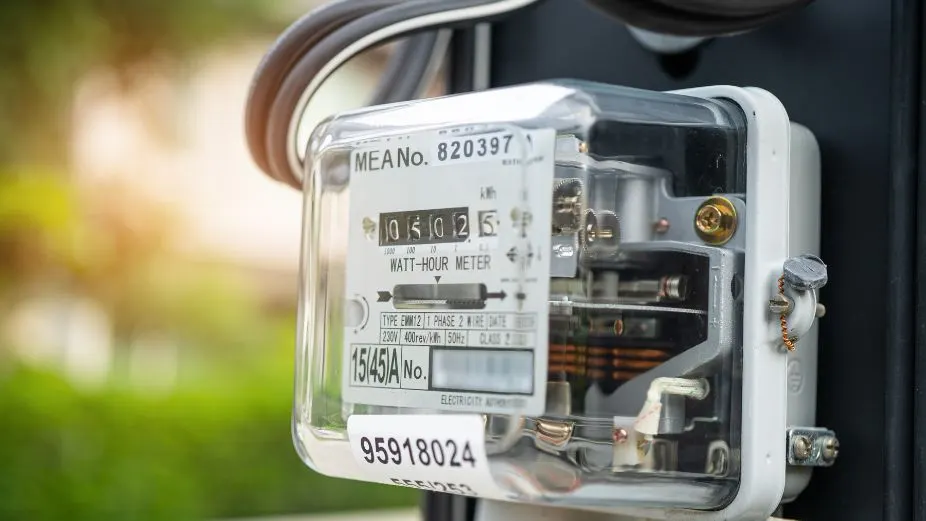
Each flat normally has its own electricity and water meters, and bills are issued monthly. Both companies offer online accounts and payment.
How the electricity tariff works
Domestic electricity is charged in bands: the first units each month are cheapest, and the rate goes up as consumption rises. Following a presidential directive, STELCO cut domestic tariffs from June 2025. Reported rates include:
| Monthly consumption | Rate before | Rate after June 2025 |
|---|---|---|
| First 100 units | MVR 1.50 | MVR 1.25 |
| 101–200 units | MVR 1.70 | MVR 1.50 |
| 201–600 units | Rises in further bands; check STELCO's current schedule | |
| Above 600 units | MVR 4.25 | MVR 3.83 |
A "unit" is one kilowatt-hour (kWh). Your bill may also include fixed or meter charges. Commercial premises pay higher commercial rates, which is why councils were moved to domestic rates for street lighting from January 2026.
What this means in practice
For the first 200 units a month, electricity costs about MVR 275 (100 × 1.25 + 100 × 1.50). Beyond that, each additional unit costs more, and above 600 units every extra unit costs MVR 3.83, about three times the first band. Cutting use at the top of your consumption saves the most.
What uses the most electricity?
| Appliance | Typical use | Rough monthly units |
|---|---|---|
| Split air conditioner (1–1.5 kW) | 8 hours a night | 200 – 350 per unit |
| Refrigerator | 24 hours | 30 – 60 |
| Electric water heater | 1 hour a day | 40 – 90 |
| Washing machine | 4–5 loads a week | 10 – 25 |
| Lights, fans, TV, chargers | Daily | 40 – 80 |
Two air conditioners running every night can easily push a family flat to 600 units or more a month, into the most expensive band. That is why bills of MVR 1,500 – 3,000 are common in hot months.
Typical monthly bills
- Small flat, careful use (one AC at night, fans in the day): often a few hundred rufiyaa.
- Family flat, two or three ACs in the evening: often MVR 1,000 – 2,500.
- Large flat, ACs most of the day: MVR 3,000 or more in hot months.
During Ramadan, STELCO has capped household bills; in 2026 the cap was reported at MVR 400. Ask for recent bills before renting or buying a flat, so you know what to expect.
Water bills
Water is metered and billed monthly by MWSC. For most households the water bill is much lower than electricity, but it rises with family size and use. Many families also buy bottled drinking water. Leaks from toilets, tanks and taps can quietly add to your bill, so check the meter with all taps closed: if it moves, you have a leak.
In older Malé buildings, rooftop tanks and pumps are shared. Their electricity is often paid through the building's service charge. See service charges and building management.
Ten ways to cut your bills
- Set AC to 25–26°C instead of 18–20°C. Each degree warmer saves energy.
- Clean AC filters every few weeks and service units yearly.
- Replace old ACs with inverter models; they use much less power.
- Cool only the rooms you use, and close doors.
- Use ceiling fans with a higher AC setting.
- Block afternoon sun with blinds or curtains on west-facing windows.
- Use a timer on the water heater.
- Switch to LED lights.
- Fix leaks and dripping taps quickly.
- Track your meter weekly to spot unusual use.
Choosing a flat with low running costs
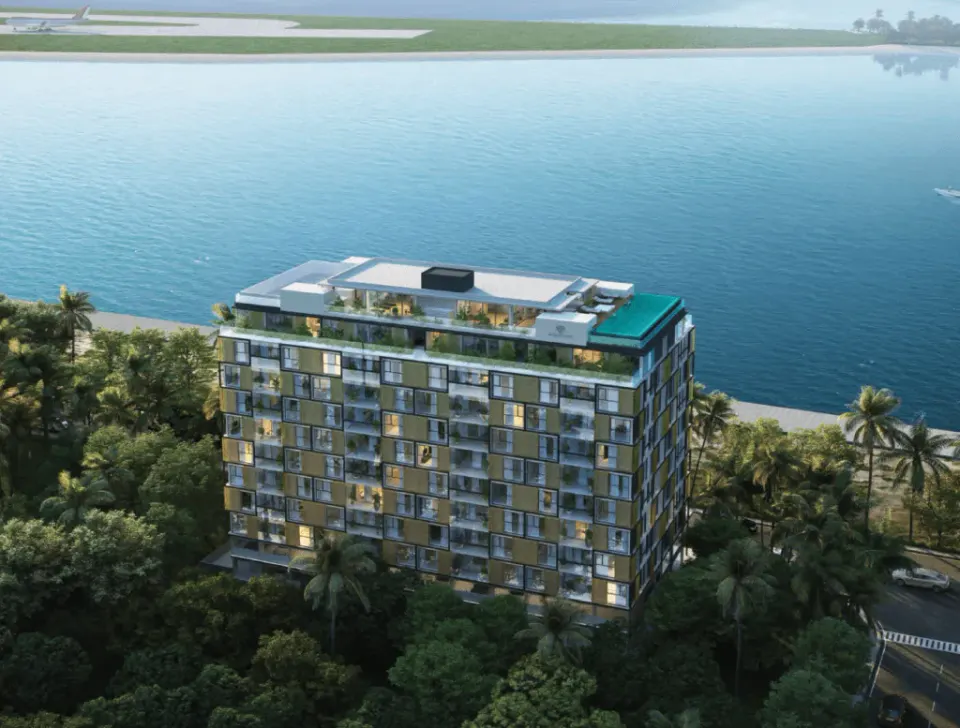
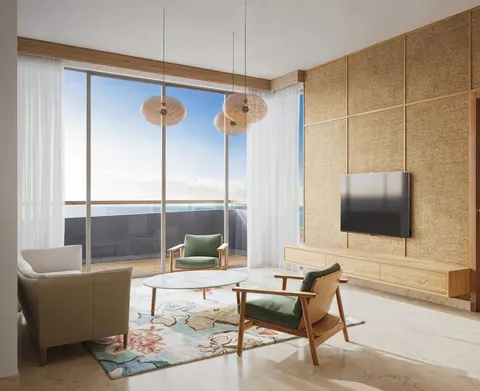 For sale nowMVR 7.17MBlue Lagoon 3 BHK Apartment · Hulhumalé
When viewing flats, think about running costs as well as rent or price:
- Cross-ventilation and good natural light reduce the need for AC and lights.
- Flats facing west or on the top floor under an uninsulated roof get hotter.
- Newer inverter air conditioners cost less to run than old units.
- Ask for the last three to six months of bills.
Add this to the checks in our viewing checklist and, for buyers, how to buy a flat in Hulhumalé.
Landlords and tenants
Who pays?
In most rentals, the tenant pays electricity and water through the flat's meters. Sometimes, especially in furnished or serviced flats, bills are included in the rent or charged at a fixed amount. The rental agreement should state clearly who pays what. See the rental agreement checklist.
Move-in and move-out
- Record meter readings on the first and last day, with photos.
- Agree how the final bill will be settled, for example from the deposit.
- If bills stay in the landlord's name, the landlord should receive copies and the tenant should keep receipts.
For landlords
Efficient air conditioners and good ventilation make a flat more attractive to tenants and can justify a better rent. Old, inefficient units lead to complaints and higher turnover. See rental yields.
Reading your bill
Your STELCO bill shows the previous and current meter readings, the number of units used, the charge for each band and any fixed charges. Check that:
- The meter number matches the meter in your flat.
- The readings make sense compared with your own meter.
- The billing period is the usual length; a longer period means more units and a higher bill.
- Any estimated reading (rather than an actual one) is corrected later.
If a bill looks wrong, take a photo of the meter with the date and contact STELCO. Sudden jumps can also signal a faulty appliance, such as an air conditioner with a failing compressor that runs all the time.
Shared meters and sub-metering
In some older Malé buildings, especially those converted from family houses, several flats may share a meter, or a landlord may divide one bill between tenants. This often causes disputes. The fairest solution is a separate meter for each flat. If that is not possible, landlords can fit private sub-meters and charge each tenant for their actual use at the same rate STELCO charges, with readings shared every month. See converting a family house into flats.
Solar and the future
The Maldives is investing in renewable energy to reduce its heavy reliance on imported diesel. Rooftop solar on individual buildings is growing, though in dense Malé roof space is limited and shared. Building owners considering solar should ask STELCO about connection rules. Read renewable energy projects in the Maldives.
Bills in your total cost of living
Electricity and water are only part of the monthly budget. For a full breakdown including rent, food, transport and school costs, read the cost of living in Hulhumalé and the cost of living in the Maldives. If you are comparing Malé and Hulhumalé, see rent in Malé by area.
If you want to compare these costs with buying a home, browse properties for sale and run the numbers in the loan calculator.
Frequently asked questions
What is the electricity rate in Malé?
After the June 2025 cut, STELCO's domestic tariff is MVR 1.25 per unit for the first 100 units, MVR 1.50 for 101–200 units, rising in bands to MVR 3.83 per unit above 600 units.
Why is my electricity bill so high?
Air conditioning is usually the reason. Because the rate per unit rises with consumption, each extra unit in a high-use month costs more than the first ones. Old or dirty AC units, poor insulation and afternoon sun make it worse.
Who pays the electricity bill in a rented flat?
Usually the tenant, through the flat's own meter. The rental agreement should state who pays electricity and water and how the final bills are settled when the tenancy ends.
Is there any relief on electricity bills?
In recent years STELCO has capped household bills during Ramadan, at MVR 400 in 2026. Check STELCO announcements for current relief measures.