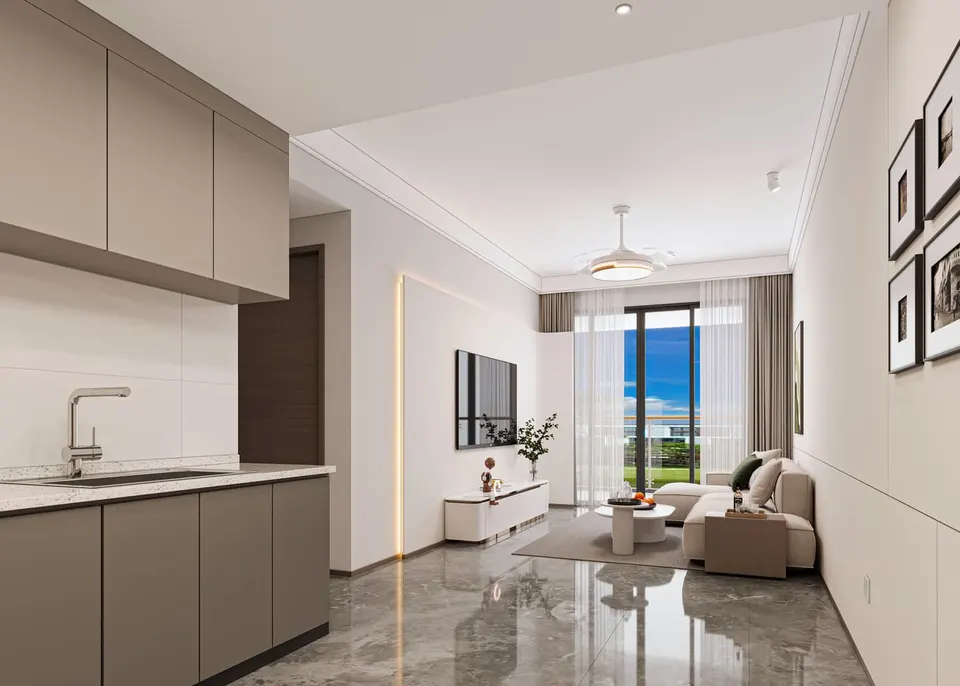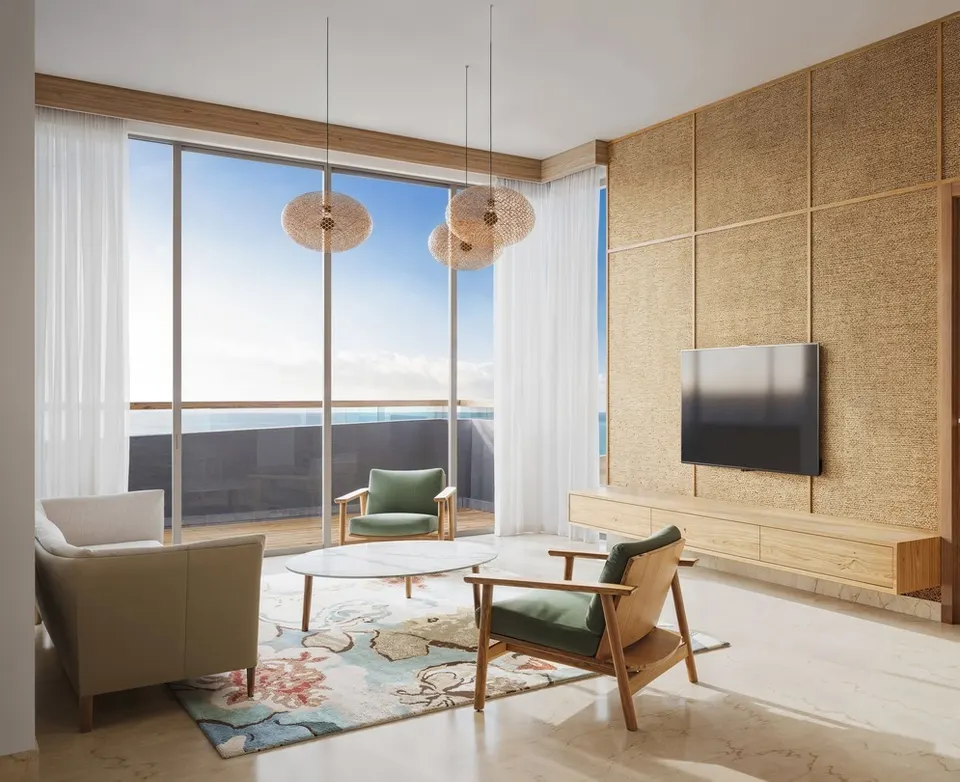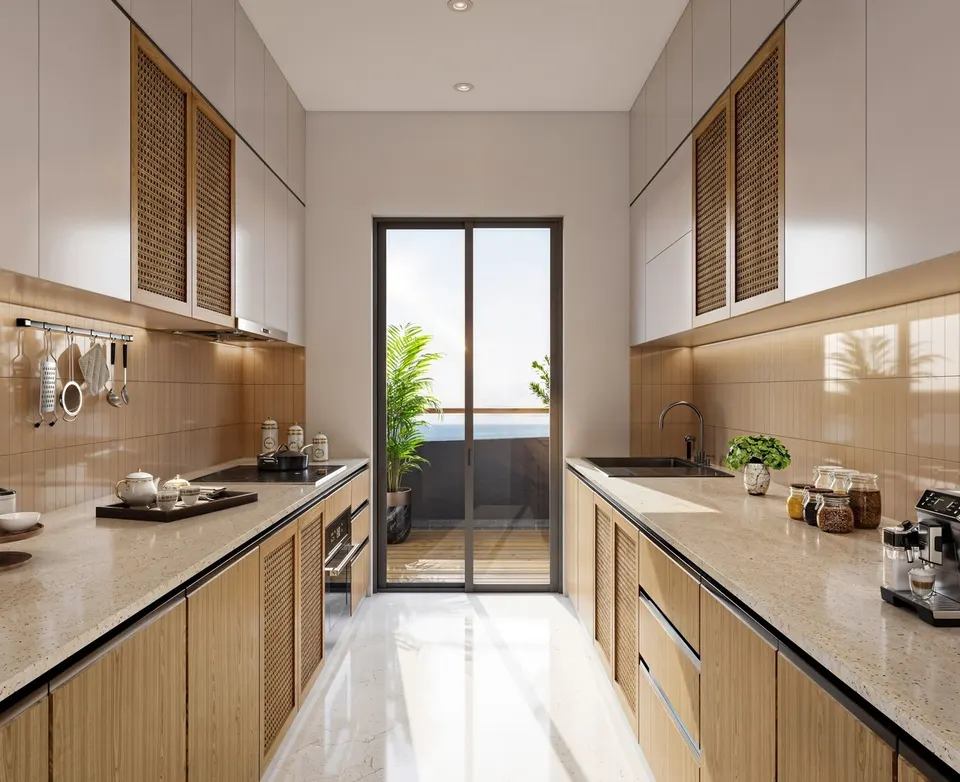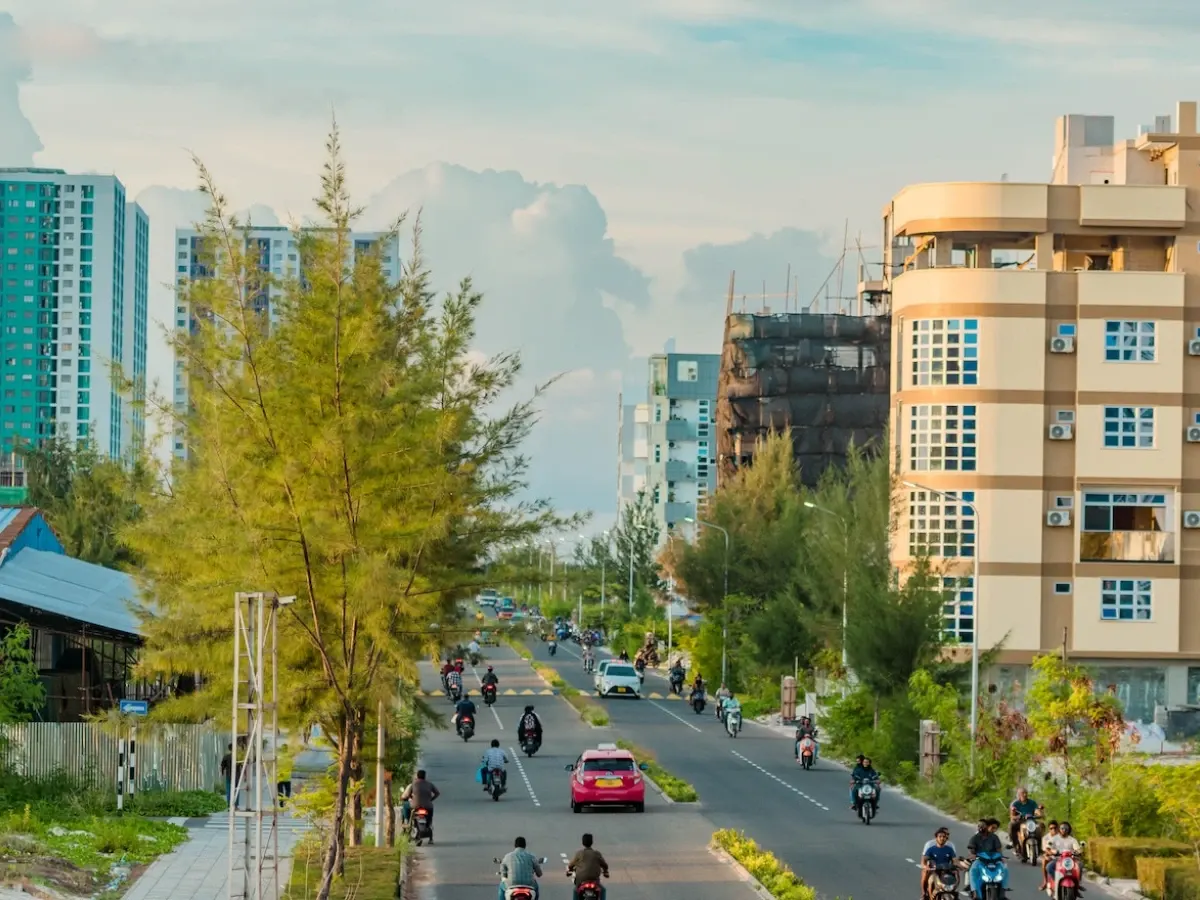
Hulhumalé has become the most popular place to live in the greater Malé area, especially for families and young professionals. It offers more space, a long beach and newer buildings than Malé, but it is not cheap. This guide breaks down the cost of living in Hulhumalé in 2026: rent, electricity and water, food, transport and schooling, with sample monthly budgets you can adapt to your own situation.
Prices change and vary by household. Treat the figures as a guide based on 2026 listings, published tariffs and typical spending, not exact amounts.
The big one: rent
Rent is by far the biggest cost for most Hulhumalé residents. Typical asking rents in 2026:
| Flat | Typical monthly rent |
|---|---|
| Room in a shared flat | MVR 4,000 – 8,000 |
| Studio / 1 bedroom | MVR 8,000 – 14,000 |
| 2 bedrooms | MVR 14,000 – 25,000 |
| 3 bedrooms | MVR 20,000 – 35,000 |
| Premium / waterfront | MVR 30,000 – 45,000+ |
Phase 1 is generally cheaper than Phase 2, and furnished flats cost a few thousand rufiyaa more. Read our full guide to rent in Hulhumalé and Phase 1 vs Phase 2. Up front, plan for a deposit and advance rent, often around three months' rent in total; see deposits and advance rent.
Electricity
Electricity in Hulhumalé is supplied by STELCO. After a cut in June 2025, the domestic tariff starts at MVR 1.25 per unit for the first 100 units, MVR 1.50 for 101–200 units, and rises in bands to MVR 3.83 per unit above 600 units. Because the rate climbs with use, heavy air-conditioning use pushes bills up quickly.
- Light use (fans, one AC at night): a few hundred rufiyaa a month.
- Typical family (two or three ACs each evening): often MVR 1,000 – 2,500 a month.
- Heavy use (ACs running much of the day in hot months): can exceed MVR 3,000.
The hottest months, roughly March to May, bring the highest bills. During Ramadan, STELCO has capped household bills at MVR 400 in recent years. Read electricity and water bills in Malé for ways to cut costs.
Water
Piped water is metered and billed separately by the water utility. For most households, the water bill is much smaller than electricity, but it rises with family size, washing machines and long showers. Many families also buy bottled drinking water, which adds a few hundred rufiyaa a month.
Internet and phone
Home fibre internet and mobile plans are available from the main operators. A home connection and two mobile plans typically add MVR 800 – 1,500 a month, depending on speed and data.
Food and groceries
Most food in the Maldives is imported, so supermarket prices can be higher than in neighbouring countries. Local fish, rice, roshi and fruit in season are good value; imported dairy, meat, cereals and snacks are expensive.
- Single person cooking at home: around MVR 2,500 – 4,000 a month.
- Family of four: around MVR 6,000 – 10,000 a month.
Eating out
Hulhumalé has many cafés and restaurants, especially along the beach in Phase 1. Local cafés serving short eats and rice and curry are affordable; restaurants with imported ingredients cost more, and a family meal out can easily reach several hundred rufiyaa. Tea and short eats at a local café remain one of the best-value pleasures.
Transport
- Walking and cycling: wide roads and short distances make this practical within Hulhumalé.
- Buses: public buses run within Hulhumalé and across the Sinamalé Bridge to Malé, at modest fares.
- Taxis: widely available and reasonably priced for short trips.
- Motorbike: the most popular personal vehicle; add fuel, registration, insurance and maintenance.
- Car: convenient for families, but import costs, fuel and parking make it expensive.
If you work in Malé, add daily commuting time and costs. Many families save by choosing a flat near their workplace, a bus route or the airport road.
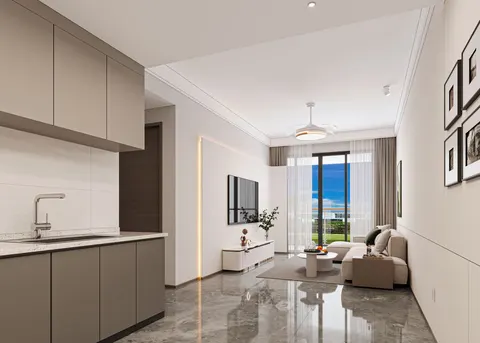 For sale nowFrom MVR 3.6M1+1 Bedroom Apartments at Bayfancy · Hulhumalé
Schools and childcare
Government schools are free or low-cost for Maldivian children, with costs for uniforms, books, transport and activities. Private and international schools charge fees that vary widely. Childcare and after-school tuition, very common in the Maldives, can add significantly to a family budget. See the best neighbourhoods for families.
Healthcare
Maldivian citizens have access to the national health insurance scheme, Aasandha, for many services. Expatriates usually rely on employer-provided or private insurance. Hulhumalé Hospital and private clinics serve residents, with specialist care in Malé.
Sample monthly budgets (2026)
| Item | Single, shared flat | Couple, 1-bed | Family of four, 2-bed |
|---|---|---|---|
| Rent | 6,000 | 11,000 | 19,000 |
| Electricity and water | 500 | 1,000 | 2,000 |
| Internet and phones | 500 | 900 | 1,200 |
| Groceries | 3,000 | 5,000 | 8,000 |
| Eating out | 1,500 | 2,000 | 2,500 |
| Transport | 800 | 1,500 | 2,500 |
| School, tuition, childcare | – | – | 3,000 |
| Other (health, clothes, household) | 1,000 | 1,500 | 3,000 |
| Total (MVR) | about 13,300 | about 22,900 | about 41,200 |
These are illustrations. Your own costs will depend on your flat, habits and family.
One-off and yearly costs
Monthly budgets can hide the bigger occasional costs that catch many families out:
- Moving in: deposit, advance rent, furniture, curtains and kitchen equipment can add up to several months' rent.
- Air conditioner servicing and repairs, especially before the hot season.
- School starting costs: uniforms, books and fees at the start of each year.
- Travel to home islands or abroad for holidays and family events.
- Vehicle registration, insurance and repairs for motorbike and car owners.
- Gifts and celebrations during Eid and weddings.
Setting aside a small amount each month for these avoids having to borrow when they arrive.
Expatriates in Hulhumalé
Expatriate professionals often have housing or allowances from their employer, and many share flats to stretch them. Costs that surprise newcomers include imported foods, electricity in the hot season and the deposit and advance rent demanded up front. Check what your employer pays for, and budget for a few weeks in temporary accommodation while you find a flat.
How to cut costs
- Choose the right flat. A well-ventilated flat that does not face the afternoon sun can halve your air-conditioning use.
- Share. Sharing a larger flat is the biggest saving for singles.
- Cook local. Fish, rice and local vegetables are cheaper than imported foods.
- Live near work or school. It saves both money and time.
- Service your air conditioners. Clean filters and well-maintained units use less power.
- Negotiate rent at renewal with evidence from current listings.
Renting vs buying in Hulhumalé
For a family paying MVR 19,000 a month in rent, buying can be worth considering. A Hulhumalé flat at around MVR 4 million with 20% down costs about MVR 26,900 a month to repay over 25 years at around 9%, more than the rent, but each payment builds ownership. With a bigger deposit or a smaller flat, the gap narrows. Read how much income you need to buy a flat and try the loan calculator.
Compared with the rest of the Maldives
Living costs in the greater Malé area are the highest in the country, driven mostly by rent. Families on local islands often live in their own homes and spend far less on housing, though imported goods and travel can cost more. Read cost of living in the Maldives and, for expatriates, renting as an expat.
If you want to compare these costs with buying a home, browse properties for sale and run the numbers in the loan calculator.
Frequently asked questions
How much does it cost to live in Hulhumalé per month?
It depends heavily on rent. A single person sharing a flat might spend around MVR 10,000 to 15,000 a month in total, while a family renting a 2-bedroom flat can easily spend MVR 30,000 to 45,000 a month including bills, food, transport and school costs.
Is Hulhumalé cheaper than Malé?
Rent for the same number of rooms is often a little higher in Hulhumalé, but flats are usually larger and newer. Other costs are similar, with some added transport cost if you work in Malé.
How much is electricity in Hulhumalé?
STELCO's domestic tariff starts at MVR 1.25 per unit for the first 100 units and rises in bands, reaching MVR 3.83 per unit above 600 units. Air conditioning is the main driver, so bills range from a few hundred to a few thousand rufiyaa a month.
Do I need a car in Hulhumalé?
No. Many residents walk, cycle, use motorbikes, buses and taxis. A car is convenient for families but adds fuel, parking and running costs.