Maldives guesthouse investment, local island boutique hotel Maldives, guesthouse FDI regulations Maldives, local island tourism yield, Maafushi Dhigurah property investment.
For decades, the Maldivian tourism model was built exclusively around the "one island, one resort" concept. Uninhabited islands were leased to major international hotel conglomerates, creating ultra-exclusive sanctuaries catering to high-net-worth travelers. However, since the government legalized guesthouses and local island tourism, a second economic engine has reshaped the archipelago's real estate landscape: The Mid-Market Local Island Guesthouse & Boutique Hotel Sector.
Populated local islands such as Maafushi, Dhigurah, Himmafushi, Thulusdhoo, and Ukulhas have transformed into booming travel hubs. For mid-tier investors, family offices, and hospitality entrepreneurs, local island real estate offers lower entry barriers, flexible operating models, and yield metrics that frequently outpace traditional urban apartment rentals.
This guide explores how foreign investors can enter the Maldivian local island market, reviewing updated foreign direct investment (FDI) regulations, capital setup requirements, tax rules, and operational profitability.
1. Regulatory Framework: Can Foreigners Invest in Local Island Properties?
To invest in local island guesthouses or boutique hotels, non-nationals must understand the regulatory rules administered under the Foreign Investment Act and the Ministry of Economic Development and Trade (MED).
Regulatory FactorStandard RequirementForeign Equity LimitUp to 49% Equity ParticipationMinimum Investment CapitalUSD $250,000 (over 5-year initial period)Primary StructureJoint Venture (JV) Company / PartnershipIsland Council ApprovalMandatory Site Suitability CertificateGoverning LegislationForeign Investment Act & Tourism Act
Key Ownership Rules:
The 49% Foreign Equity Cap: Unlike private resort islands (which permit 100% foreign ownership), guesthouse developments on inhabited islands are classified as mid-market domestic tourism assets. Foreign investors can hold up to 49% equity in a joint venture entity registered in the Maldives, with the remaining 51% held by a local Maldivian partner or company.
Minimum Investment Threshold: To qualify for a Foreign Investment License in the guesthouse category, foreign investors must commit a minimum capital threshold of USD $250,000 deployed over an initial 5-year investment period.
Long-Term Land Leases: Direct freehold land ownership on local islands is reserved for Maldivian citizens. Foreign joint ventures secure access to beachfront sites through long-term subleases or land lease agreements (typically 25 to 50 years) registered with the relevant Local Island Council and Ministry of Tourism.
Before drafting lease agreements with local land owners, review the core legal principles governing long-term land leaseholds.
2. Capital Costs: Guesthouse Build vs. Acquisition
One of the main draws of local island real estate is the lower capital entry barrier compared to private resort development. Building or buying a boutique guesthouse costs a fraction of the tens of millions required for an isolated island resort.
Project TypeRoom CountEstimated CapitalMid-Tier Island Guesthouse10 to 16 Rooms$350,000 – $600,000Premium Beachfront Boutique18 to 30 Rooms$800,000 – $1.8MExisting Facility Takeover12 to 25 Rooms$250,000 – $500,000
Breakdown of Initial Capital Expenditure (15-Room Boutique Project)
1. Land Lease / Deposit: $35,000 – $60,000
2. Construction & Fit-Out: $350,000 – $500,000 ($25k–$33k / room)
3. Regulatory Permits & FDI: $15,000 – $25,000
4. Working Capital & Pre-Op: $40,000 – $60,000
TOTAL ESTIMATED CAPITAL: $440,000 – $645,000
Construction & Finishing: Local island construction utilizes domestic supply chains via Malé or direct shipping from India and China, keeping build costs between $25,000 and $35,000 per room (inclusive of en-suite bathrooms, air conditioning, and coastal structural treatments).
Mandatory Amenities: Government regulations require all licensed guesthouses to maintain dedicated reception lobbies (seating at least 20% of bed capacity) and an on-site dining space or restaurant capable of serving at least 50% of registered guest beds.
3. Financial Breakdown: Operational Yields & Cash Flows
Local island guesthouses offer attractive unit economics. While private luxury resorts command higher room rates ($1,500+/night), local island properties benefit from higher year-round occupancy rates (75% to 88%) driven by budget-conscious travelers, divers, surfers, and digital nomads.
Financial Performance: 20-Room Local Boutique Hotel
Operational Inputs:
Total Keys: 20 Rooms
Average Daily Rate (ADR): $140 / night
Average Occupancy Rate: 80% (292 nights booked / year / room)
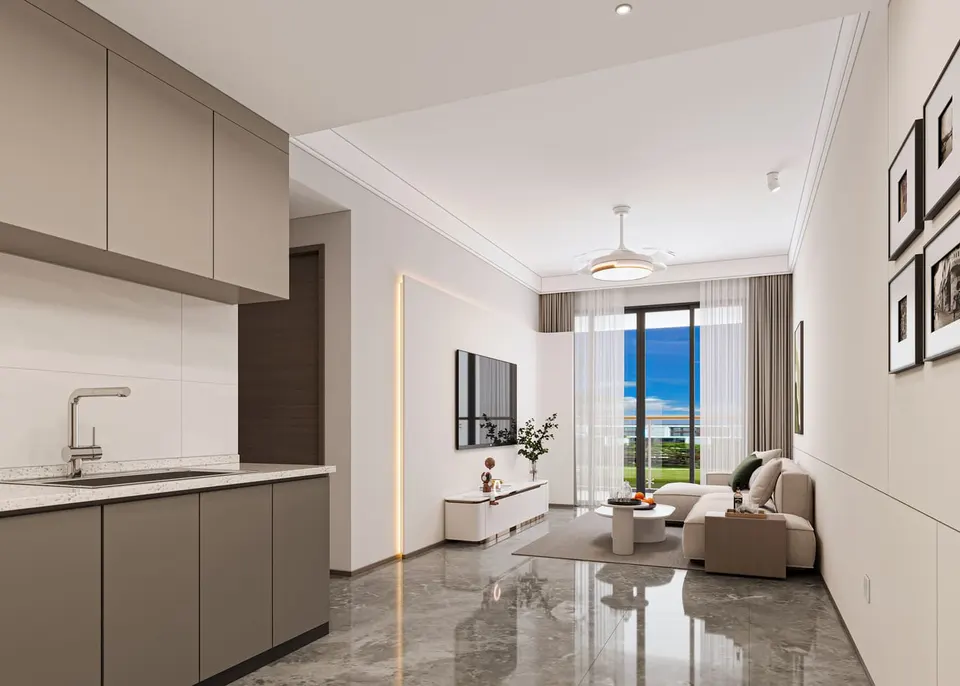
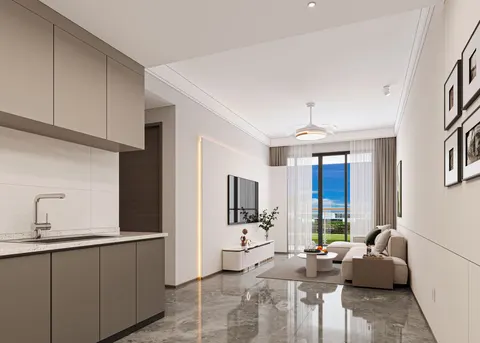 For sale nowFrom MVR 3.6M1+1 Bedroom Apartments at Bayfancy · Hulhumalé
Annual Gross Revenue:
Room Revenue (5,840 booked room-nights): $817,600
Excursions, Diving & Dining Upsell (+20%): $163,520
Total Gross Annual Revenue: $981,120
Annual Operating Expenses (OPEX):
Payroll & On-Island Staffing: -$196,224
Food, Beverage & Excursion Direct Costs: -$98,112
Island Energy, Water & Utilities: -$117,734
Land Lease Payments to Local Owner: -$48,000
Maintenance, Insurance & Administration: -$58,867
Total OPEX: -$518,937
Net Operating Income (Pre-Tax EBITDA): $462,183
Net Operating Margin: 47.1%
Compared to analyzing yields across ultra-luxury branded residences, local island guesthouses generate higher top-line operational margins because island overheads, logistics, and marine transfers are significantly simpler.
4. Taxation, TGST, and Compliance for Guesthouses
Operating a commercial guesthouse requires strict compliance with Maldivian tax authorities (MIRA) and tourism standards:
Tax / Statutory FeeApplicable RateOperational ImpactTourism Goods & Services Tax (TGST)17%Collected directly from guests on room rates and on-island services.Green Tax$6 or $12 / guest / night$6 per night for guesthouses with 50 or fewer rooms; $12 for larger facilities.Corporate Income Tax15%Applied to annual taxable profits exceeding MVR 500,000 (~$32,425 USD).Non-Resident Withholding Tax (WHT)10%Applies to foreign management, marketing, or technical fees sent abroad.
Regulatory Inspection Requirements
Before receiving an operating license from the Ministry of Tourism, guesthouses must pass physical inspections covering:
Separate Access Points: Guest areas must be physically segregated from any local residential quarters.
Disaster Management & Fire Safety: Approved emergency plans, smoke detectors, and fire suppression systems installed on every floor.
Guest Registries: Mandatory daily guest log tracking via the Ministry's online portal for security and tax collection.
5. Hotspot Analysis: Selecting the Right Local Island
Not all local islands offer the same commercial potential. Location selection dictates your primary target market, average daily rates, and seasonal occupancy stability.
Maafushi (Kaafu Atoll): The pioneer of local island tourism. High density, over 60 operating guesthouses, and intense competition, but delivers near-100% occupancy during peak months. Ideal for high-volume, mid-tier operators.
Thulusdhoo (Kaafu Atoll): The surf capital of the Maldives. Attracts an international, year-round demographic willing to pay premium rates for beachfront boutique lodges.
Dhigurah (Alif Dhaal Atoll): Famous for year-round whale shark aggregations and long stretches of natural beach. Commands higher ADRs ($150 to $300/night) and appeals to eco-luxury investors.
6. How to Structure a Safe Joint Venture (JV)
Because foreign ownership in guesthouses is capped at 49%, structuring your Joint Venture properly is essential for protecting your capital and operational authority:
Incorporate a Special Purpose Vehicle (SPV): Establish a local Maldivian private limited company where your foreign investment firm holds 49% of shares and your local partner holds 51%.
Draft a Comprehensive Shareholders’ Agreement (SHA):
Reserve Management Control for the foreign investor (e.g., appointing the General Manager, overseeing finance, and controlling bank sign-off).
Specify Supermajority Voting Clauses (requiring 75%+ shareholder consent) for major corporate actions such as asset sales, land transfers, or taking on debt.
Island Council Confirmation: Obtain written site suitability confirmation directly from the local Island Council before executing binding contracts or transferring lease funds.
For foreign entrepreneurs investing broader capital into the local economy, establishing commercial ventures can also support long-term residency options. Learn more about qualifying for corporate resident visas through government-approved channels.
Final Strategy for Mid-Market Investors
The local island guesthouse sector provides a practical avenue for international investors seeking direct exposure to Maldivian tourism yields without multi-million-dollar capital requirements. By choosing high-demand islands, structuring robust joint venture agreements, and building boutique, experience-driven properties, investors can capture exceptional cash-on-cash returns while helping expand sustainable tourism across the Maldives.