Luxury Resort Developments in the Maldives: Foreign Investment Driving Tourism Expansion
The Maldives has built its global reputation on luxury tourism, offering pristine beaches, turquoise lagoons, and world-class hospitality. Behind this success lies a steady stream of foreign investment that continues to fund new resort islands, ultra-premium accommodations, and integrated tourism complexes. As demand for exclusive travel experiences grows worldwide, international developers are expanding their presence across the archipelago.
These luxury resort projects are not only reshaping the tourism landscape but also creating new opportunities for real estate investors, service providers, and local businesses. With limited land availability and strict environmental regulations, each new resort represents a carefully planned, high-value development designed for long-term profitability.
Why Investors Focus on Luxury Tourism
Unlike mass tourism destinations, the Maldives targets high-spending travelers seeking privacy, exclusivity, and premium service. This strategy allows the country to generate substantial revenue while limiting overcrowding and environmental strain.
Luxury resorts typically command high nightly rates, strong occupancy levels, and stable demand from affluent markets such as Europe, the Middle East, China, and North America. These factors make hospitality projects in the Maldives particularly attractive to foreign investors.
- High revenue per visitor
- Strong global brand recognition
- Limited competition due to geographic constraints
- Government support for tourism development
- Resilience of luxury travel demand
Private Island Resort Model
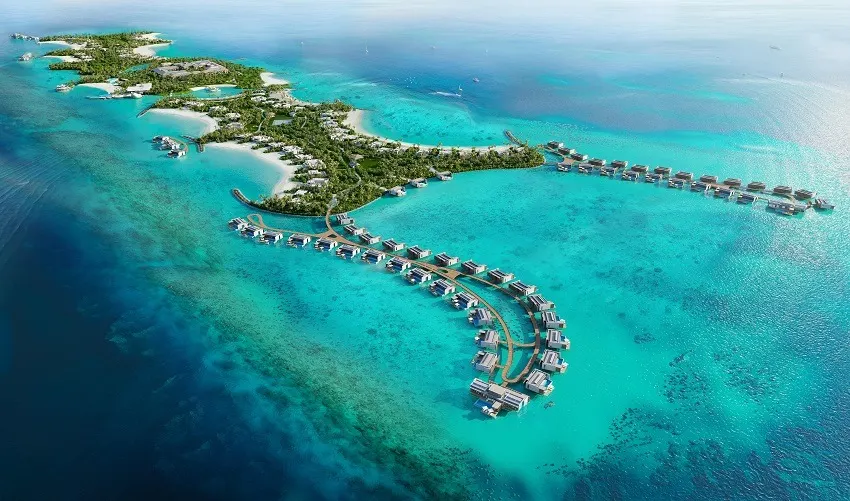
One of the most distinctive aspects of Maldivian tourism is the “one island, one resort” concept. Each resort typically occupies its own island, providing guests with complete privacy and a controlled environment. This model enhances exclusivity and allows operators to deliver personalized experiences.
Foreign developers lease islands from the government for long-term periods, during which they construct accommodations, utilities, recreational facilities, and staff housing. These projects often require substantial upfront investment but can generate strong returns over time.
Private island resorts also create opportunities for specialized services such as marine activities, wellness programs, fine dining, and luxury retail.
Emergence of Ultra-Luxury and Branded Resorts
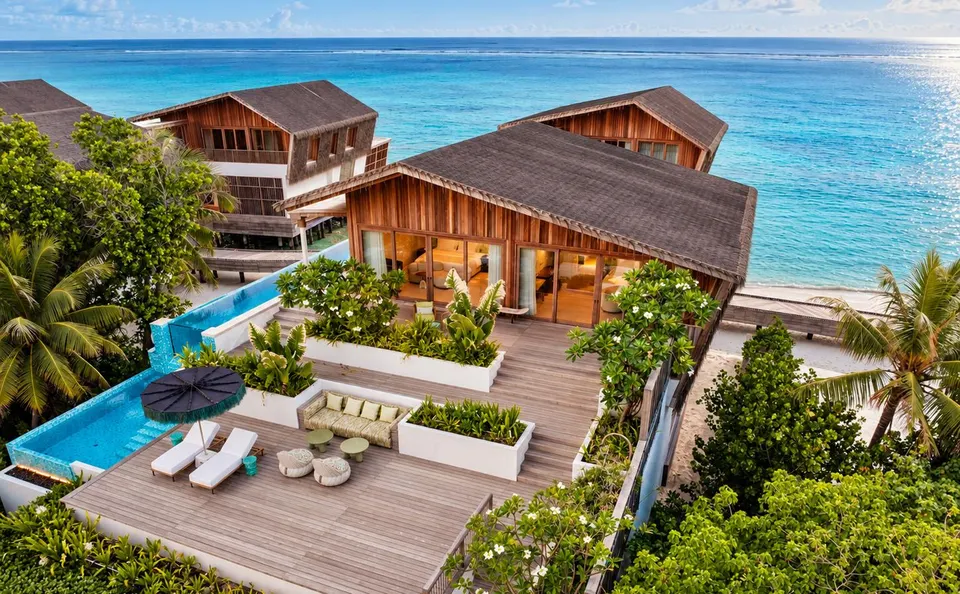
Recent developments have shifted toward ultra-luxury offerings, including overwater villas with private pools, underwater restaurants, and bespoke concierge services. International hotel brands are increasingly partnering with investors to operate these properties, leveraging their global reputation and customer base.
Branded resorts provide reassurance to travelers while enabling developers to charge premium prices. They also attract repeat visitors who are loyal to specific hospitality brands.
Some projects go beyond traditional hotels, incorporating branded residences that can be sold to private owners. These units may be rented out when not in use, creating hybrid models that combine personal ownership with income generation.
Integrated Resort Complexes
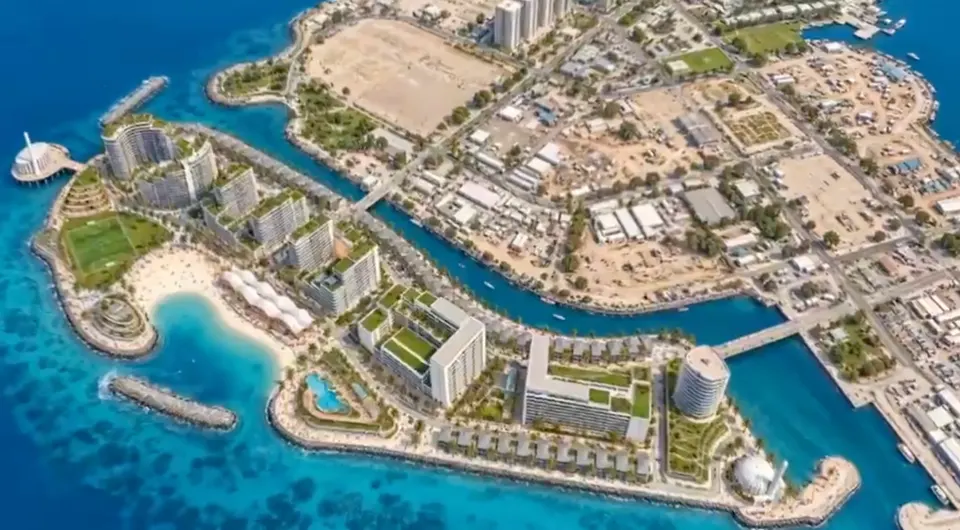
While many Maldivian resorts focus on tranquility and seclusion, a new wave of developments is introducing integrated complexes with expanded entertainment options. These may include marinas, shopping areas, cultural attractions, and conference facilities.
Such projects aim to diversify the tourism offering, appealing to families, business groups, and long-stay visitors. By providing a broader range of activities, integrated resorts can extend guest stays and increase overall spending.
These complexes also require extensive infrastructure, including power generation, water treatment, transportation systems, and waste management — creating additional opportunities for contractors and suppliers.
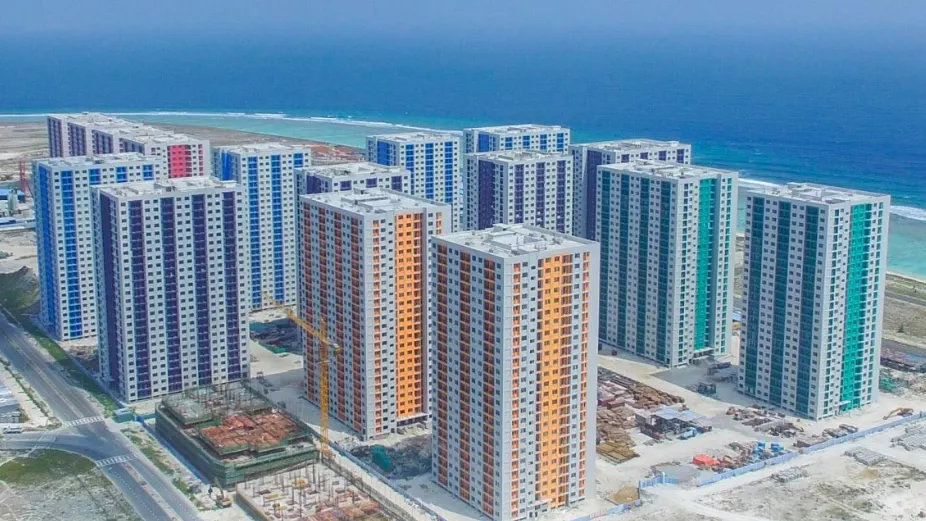
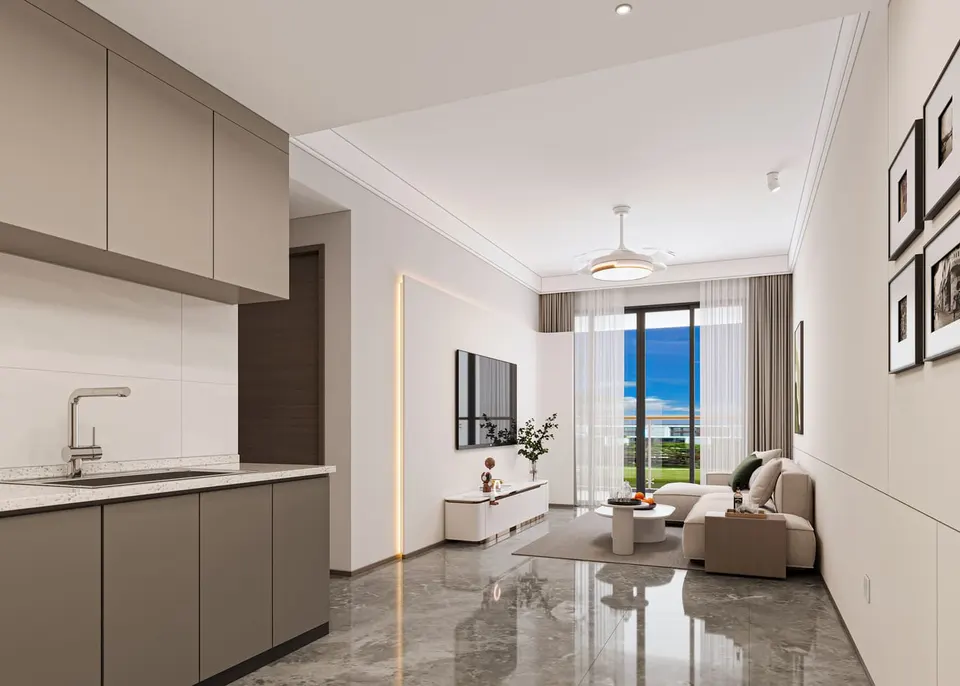
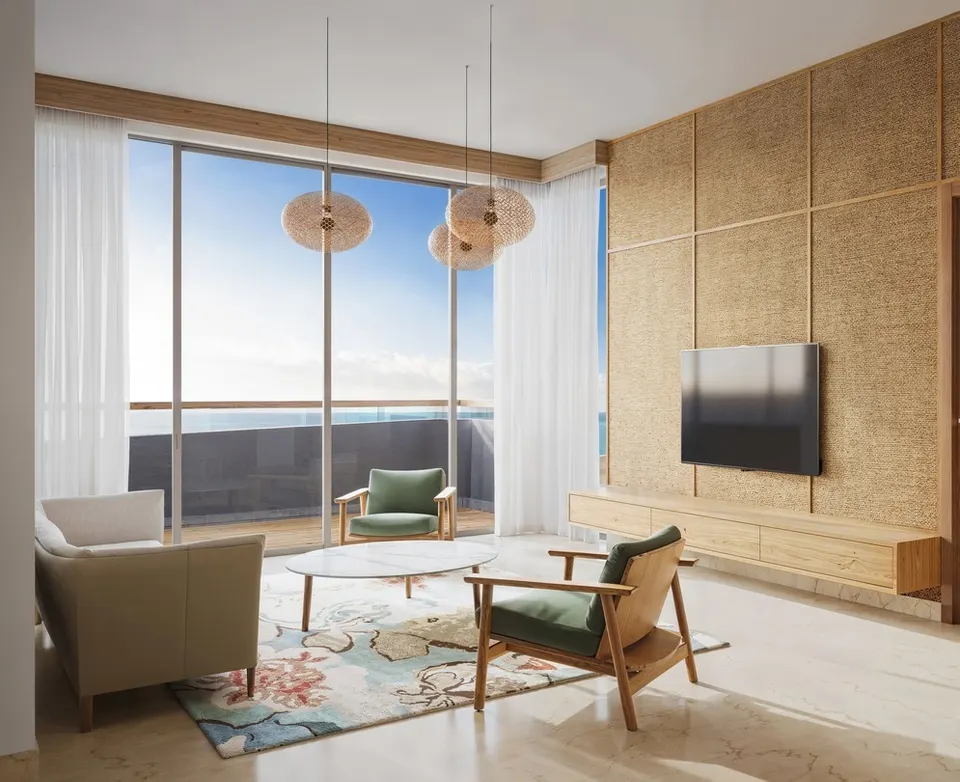
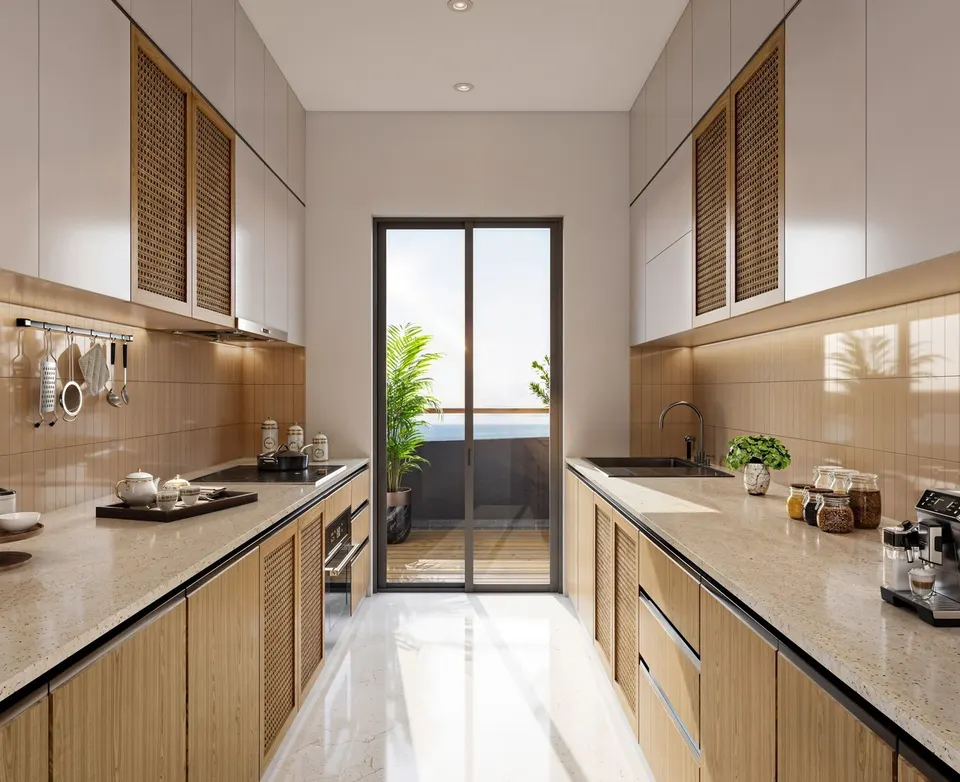
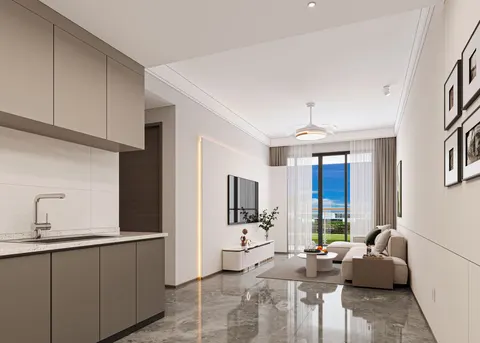 For sale nowFrom MVR 3.6M1+1 Bedroom Apartments at Bayfancy · Hulhumalé
Sustainability and Eco-Resort Trends
Environmental sustainability has become a central focus for new resort developments. The Maldives’ natural beauty is its primary asset, making conservation essential for long-term success.
Modern resorts increasingly incorporate eco-friendly features such as renewable energy systems, coral restoration programs, and sustainable building materials. Many aim to achieve carbon neutrality or reduce environmental impact through innovative technologies.
Eco-conscious travelers are willing to pay premium prices for sustainable experiences, making green initiatives both environmentally responsible and financially beneficial.
Employment and Local Economic Benefits
Resort construction and operation generate significant employment opportunities for Maldivians and expatriate workers. Jobs range from construction and engineering to hospitality, administration, and marine services.
Local businesses benefit as well, supplying food products, transportation, maintenance services, and cultural experiences. Tourism revenue also supports government programs in healthcare, education, and infrastructure.
In remote atolls, a single resort can transform the local economy by creating stable income sources and improving connectivity.
Real Estate and Ownership Opportunities
Although foreigners cannot typically purchase land outright in the Maldives, resort developments often include structured ownership options. These may involve long-term leases, condominium-style arrangements, or participation in managed rental programs.
Luxury villas within resorts are particularly appealing to high-net-worth individuals seeking a private retreat in a globally recognized destination. Owners may enjoy personal use while earning income when the property is rented to guests.
Such arrangements provide exposure to the hospitality sector without the need to manage operations directly.
Infrastructure Requirements for Resort Development
Building a resort on an isolated island requires extensive infrastructure investment. Developers must establish utilities, staff accommodations, transportation links, and environmental safeguards from scratch.
Key components typically include:
- Desalination plants for freshwater supply
- Power generation systems
- Sewage treatment facilities
- Boat jetties and transport services
- Emergency medical capabilities
These requirements contribute to high initial costs but also create long-term self-sufficiency and operational stability.
Risks and Challenges
Despite strong demand, resort development in the Maldives involves several challenges. Environmental regulations are strict, construction logistics are complex, and projects are vulnerable to global travel disruptions.
Natural factors such as storms, coral health, and coastal erosion must also be carefully managed. Additionally, fluctuations in international travel demand can affect occupancy rates and revenue.
Successful projects rely on careful planning, strong financial backing, and experienced management teams.
Future Outlook for Tourism Investment
Global demand for luxury travel is expected to continue growing, particularly among affluent travelers seeking unique experiences. The Maldives is well positioned to capture this demand due to its exclusivity and natural beauty.
Emerging trends such as wellness tourism, experiential travel, and remote work vacations may further expand the market. Resorts that offer privacy, high-speed connectivity, and personalized services are likely to perform especially well.
New technologies, including renewable energy solutions and smart infrastructure, will also play an increasing role in shaping future developments.
Luxury resort developments funded by foreign investors remain a cornerstone of the Maldives economy. These projects drive tourism growth, create employment, and generate substantial revenue while reinforcing the country’s global brand as a premier destination.
For investors, the sector offers opportunities ranging from hospitality partnerships to structured property ownership within resorts. Although challenges exist, the long-term outlook remains positive due to strong international demand and limited supply of comparable destinations.
As new islands are developed and existing resorts upgrade their offerings, foreign investment will continue to shape the future of tourism in the Maldives. Those who understand the dynamics of this market can position themselves to benefit from one of the world’s most exclusive and resilient travel industries.