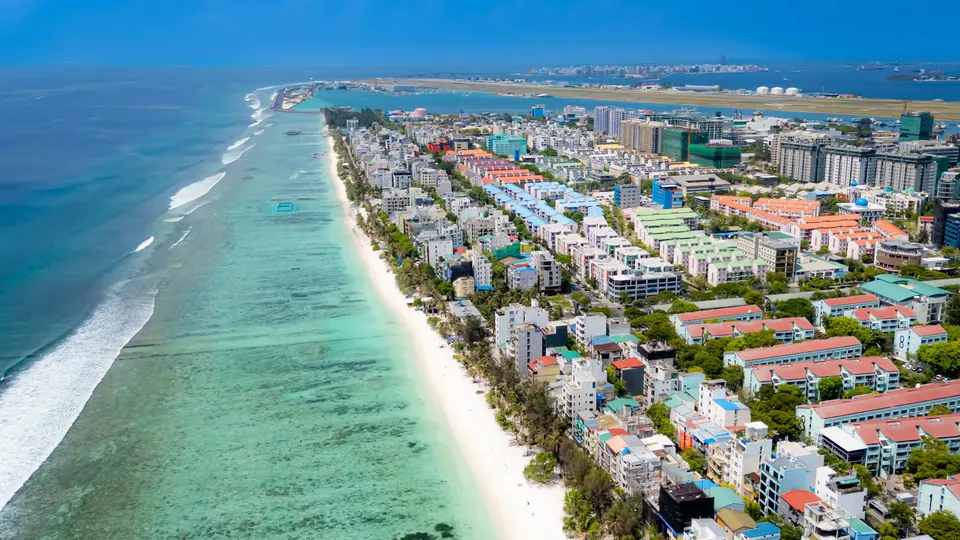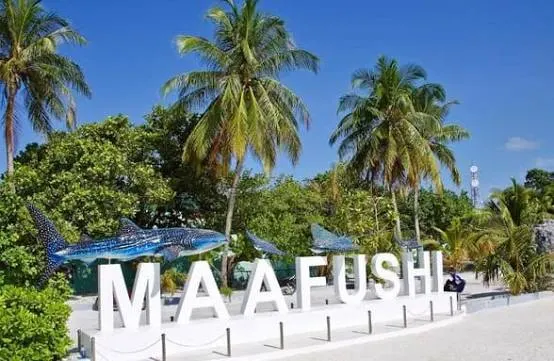
Maafushi, in Kaafu Atoll about 30 to 45 minutes from Malé by speedboat, is where the Maldives' local-island guesthouse boom began. Today it has dozens of guesthouses, a bikini beach, excursions and a busy harbour. For Maldivian entrepreneurs, a guesthouse on Maafushi can be a solid business, but competition is intense and the costs of land and building are high. This guide sets out a realistic business plan: costs, permits, rates, occupancy and returns.
Figures are illustrative. Get current quotes, check rules with the Ministry of Tourism and MIRA, and take professional advice before investing.
Why Maafushi?
- Close to the airport and Malé, with public ferries and frequent speedboats.
- Established tourist market with excursions, diving, restaurants and a designated tourist beach.
- Strong online presence; many travellers search specifically for Maafushi.
- Year-round demand, with peaks in the dry season, roughly December to April.
The downside of popularity is competition. Many guesthouses compete on price, so a clear concept and good reviews matter.
Step 1: Choose your model
| Model | Upfront cost | Risk | Notes |
|---|---|---|---|
| Buy land and build | Highest | High | Full control and long-term asset |
| Convert a family house | Medium | Medium | Common for local owners; layout may limit rooms |
| Lease a building | Lower | Medium | Lease terms and rent increases are key |
| Small homestay | Lowest | Lower | Guests in rooms of an occupied home; small scale |
Under tourism rules, small homestays have been allowed with a limited number of rooms, with a simpler process than a full guesthouse. Check the current categories and limits with the Ministry of Tourism.
Step 2: Land and building costs
Land on Maafushi is among the most expensive on any local island because of tourism demand. On our site, a 2,000 sq ft plot is listed at MVR 6 million, about MVR 3,000 per sq ft. By comparison, a 1,600 sq ft plot in Himmafushi is listed at MVR 1.7 million, and a 3,000 sq ft plot in Guraidhoo at MVR 2 million. See how property is priced.
Construction costs depend on the design, number of floors and finishes. A typical guesthouse might be a four- to six-storey building with 8 – 16 rooms. Budget for:
- Design, structural engineering and approvals.
- Construction of the structure and finishes.
- Furniture, beds, linen, air conditioners, TVs and minibars.
- Kitchen and restaurant equipment if offering meals.
- Water heaters, water treatment and backup power.
- Fire safety, signage and a lift if building tall.
- Contingency of 10–15%.
Before buying land, use our local-island land due diligence checklist to confirm the title, permitted use and any restrictions.
Step 3: Permits and registration
- Register a business (sole proprietorship, partnership or company) through the Business Portal.
- Get building approvals from the island council for construction or change of use.
- Register the guesthouse with the Ministry of Tourism under the Tourism Act (Law 2/99). A registration fee has applied (reported at MVR 5,000); then obtain the operating licence through the government's online services.
- Meet the standards for guest facilities, safety and hygiene, and pass any inspection.
- Register with MIRA for the relevant taxes: tourism goods and services tax (T-GST), green tax and income tax.
- Arrange staff work permits if you employ foreign staff.
Fees and procedures change, so confirm them with the Ministry of Tourism and MIRA at the time you apply.
Step 4: Taxes your guests and you will pay
- T-GST: tourism goods and services tax on room rates and services, collected from guests.
- Green tax: charged per guest per night; for guesthouses it has been USD 6. Check the current rate.
- Income tax on your profit.
Show prices clearly, including or excluding taxes, to avoid bad reviews.
Step 5: Rates and occupancy
 For sale nowFrom MVR 3.6M1+1 Bedroom Apartments at Bayfancy · Hulhumalé
Room rates on Maafushi typically range from about USD 40 to 150 a night, depending on season, room quality, sea view and services. Budget rooms compete hard on price; boutique and beachfront properties command more.
Occupancy is the key number. Guesthouse occupancy across the Maldives has been reported at around 40% in recent years, with wide variation: well-reviewed properties can do much better, while new or poorly marketed ones struggle. Plan conservatively.
A sample annual return
An illustrative 10-room guesthouse, average rate USD 75 a night (excluding taxes), occupancy 50%:
| Item | Per year (USD) |
|---|---|
| Room revenue (10 rooms × 365 nights × 50% × 75) | 136,875 |
| Excursions and meals (net margin) | 20,000 |
| Total income | 156,875 |
| Staff (manager, housekeeping, cook) | −36,000 |
| Electricity, water and internet | −18,000 |
| Booking platform commissions (about 15%) | −20,500 |
| Food costs, linen, supplies | −12,000 |
| Maintenance and repairs | −8,000 |
| Licences, insurance, accounting | −5,000 |
| Operating profit before loan and tax | about 57,000 |
That is roughly MVR 880,000 a year at a rate of about MVR 15.4 per dollar. If the total investment, including land, building and fit-out, were MVR 15 million, the return before financing and tax would be under 6%. At 40% occupancy it falls sharply; at 65% with good reviews it rises well above. The lesson: occupancy and costs make or break the business.
Ways to improve returns
- Reviews: spotless rooms, fast Wi-Fi, friendly staff and quick replies earn the reviews that fill rooms.
- Direct bookings: a website and social media cut commission costs.
- Excursions: snorkelling, sandbank and sunset trips add profitable revenue.
- Niche: divers, families, honeymooners or budget backpackers, choose one and serve them well.
- Energy efficiency: efficient air conditioners, solar water heating and LED lighting reduce the biggest running cost.
- Low-season plans: packages for local tourists and longer-stay discounts.
Staffing and operations
A 10-room guesthouse usually needs a manager, two or three housekeeping and maintenance staff, and a cook if you serve meals, plus help for excursions. Many operators employ a mix of local and foreign staff. Budget for staff accommodation, which is scarce and expensive on Maafushi, along with meals, uniforms and work permit costs for foreign employees. Good managers who speak several languages and handle online reviews well are worth paying for. Set up simple systems from day one: a booking calendar, a cleaning checklist, a maintenance log and daily cash reconciliation.
Risks to consider
- Oversupply on Maafushi pushing rates down.
- Tourism shocks such as pandemics or global downturns.
- Rule changes on taxes, licences or local tourism.
- Construction overruns and delays.
- Staff turnover and the cost of staff housing.
- Community relations: respecting local customs is essential on inhabited islands.
Alternatives to Maafushi
Islands such as Guraidhoo, Himmafushi, Thulusdhoo and Dhigurah offer lower land prices and less competition, though with smaller tourist markets. In the south, Fuvahmulah attracts divers; see Fuvahmulah and Addu. Compare yields with simply letting a flat in the greater Malé area; see rental yields.
Financing
Banks offer business and tourism financing for guesthouses, usually with stricter conditions than home loans: a business plan, larger equity and collateral. Speak to several banks; home loan products from BML, MIB and HDFC are for homes, not guesthouses. Foreign investors face restrictions under the Foreign Investment Act; read leasehold vs ownership and can foreigners rent out property.
Find land or a building
Browse properties for sale, including land and houses on local islands. If you are selling a guesthouse or a suitable plot, list it with us. Be careful of offers that sound too good; see property scam warning signs.
Frequently asked questions
How much does it cost to start a guesthouse in Maafushi?
It depends on whether you buy land, lease a building or convert a house. Land alone is expensive: a 2,000 sq ft plot in Maafushi is listed on our site at MVR 6 million. Construction, furniture, licensing and working capital come on top.
What permits do I need for a guesthouse?
Guesthouses must be registered and licensed with the Ministry of Tourism under the Tourism Act, now handled through the government's online services. You also need a registered business, building approvals from the island council and compliance with health and safety standards.
What room rates do Maafushi guesthouses charge?
Rates vary widely by season, quality and location. Many guesthouses charge roughly USD 40 to 150 a night per room, with beachfront and boutique properties at the top of the range.
Do guests pay green tax?
Yes. Tourists staying in guesthouses pay a green tax per night, collected by the operator and paid to MIRA. The guesthouse rate has been USD 6 per person per night; check the current rate with MIRA.