For very large investments, the Maldives offers a special route: the Special Economic Zone (SEZ). Under the Special Economic Zones Act, approved projects in designated zones can receive tax incentives and simpler procedures in exchange for meeting strict investment and development conditions. In late 2025, an amendment added a new category, the sustainable township, aimed at mixed-use developments worth more than USD 500 million. This guide explains how SEZs work and what they mean for investors and property buyers.
The details are set by law, regulation and presidential resolution and can change. Check the latest position with Invest Maldives and legal advisers before relying on any figure here.
Why the Maldives has SEZs
The Maldives economy depends heavily on tourism. SEZs are meant to attract large investments that diversify the economy, such as financial services, technology, logistics, education, healthcare and large mixed-use urban developments, and to bring infrastructure the state cannot fund alone. In return, investors get incentives that would not be available to ordinary businesses.
How SEZs work
- The government designates zones and approves developers or investors to operate within them.
- Approved projects must meet a minimum investment, set by presidential resolution. The minimum has changed over time; one resolution was reported to cut it from USD 150 million to USD 100 million.
- Projects receive incentives such as reduced taxes, duty concessions and faster approvals, depending on the law and agreement.
- The President has defined strategic investment areas under the law; see strategic investment areas under the SEZ law.
The 2025 amendment: sustainable townships
Parliament passed the First Amendment to the Special Economic Zones Act on 5 November 2025, and it came into effect after ratification and publication in the Government Gazette. Key points reported by the government and media:
| Minimum investment | Above USD 500 million for sustainable township status |
|---|---|
| Income tax | 5% for the first 10 years, 10% for the following 10 years |
| Real estate transfer tax | New tax starting at 1% and rising to 4% by the third transaction |
| Taxes that still apply | Green tax, GST, land lease rent and sector fees |
| Project type | Integrated tourism development or large-scale real estate development with luxury facilities |
| Public components | Reported to include a tertiary education facility, a technology-enabled hospital, and agriculture or aquaculture for food security |
| Energy | At least 60% of the zone's energy from renewable sources |
Some outlets described these as proposals before ratification; the government's own release describes them as enacted. Rely on the official text.
What this means for property
Large mixed-use townships
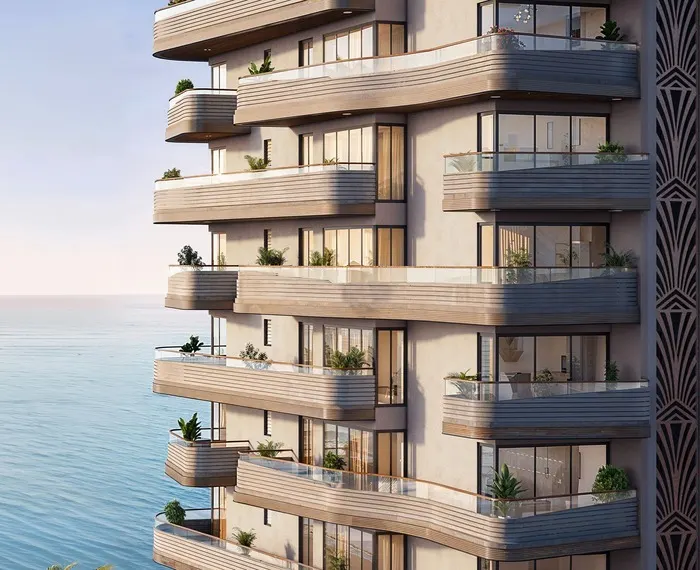
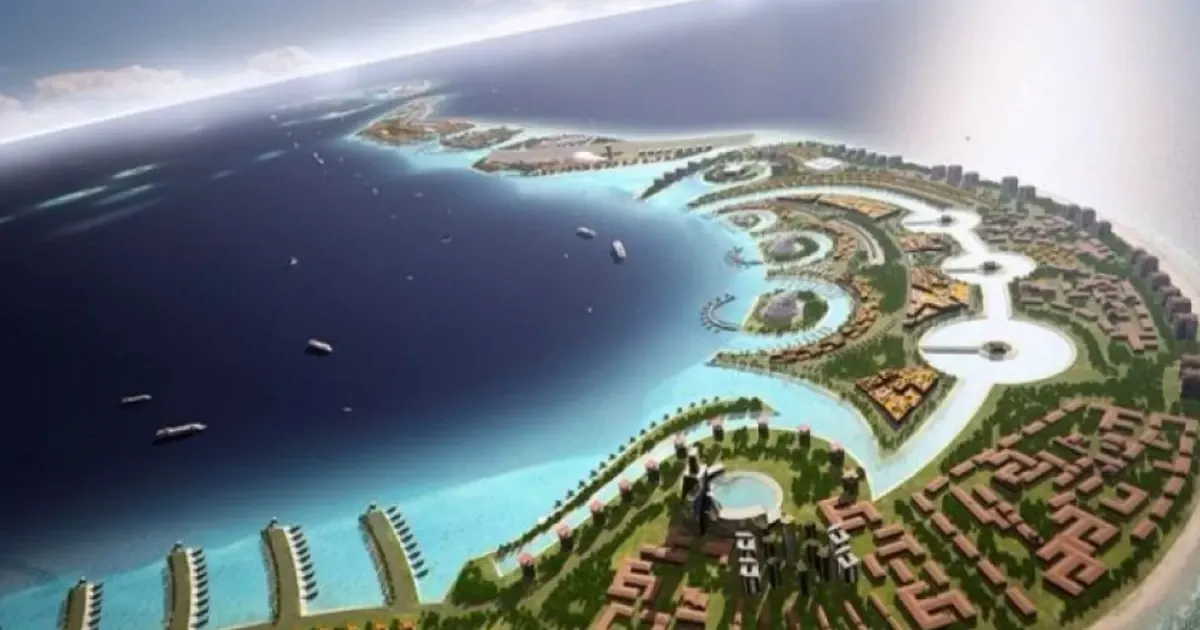
The township model allows very large developments that combine homes, hotels, offices, education, healthcare and leisure. Such projects could bring high-end homes and branded residences to the Maldives on a new scale. Read branded residences in the Maldives and Maldives mega projects 2030.
Buying units in an SEZ project
Individuals, including foreigners, may be able to buy units in approved large developments under the project's terms. But the incentives go to the developer; buyers should not assume they will pay lower taxes. Note also the real estate transfer tax on township transactions, which rises with each resale. Before buying, check:
- The developer's SEZ approval and land lease.
- What title or lease you will receive, and for how long.
- Transfer taxes and fees on resale.
- Service charges and management of shared facilities.
- Rental programme terms, if any.
Effects on the wider market
Big projects bring jobs, infrastructure and demand for staff housing, offices and services nearby. They also tend to be priced for international buyers, so their direct effect on ordinary Maldivian housing may be limited. See staff accommodation and the market forecast.
 For sale nowMVR 7.17MBlue Lagoon 3 BHK Apartment · Hulhumalé
SEZs and the Foreign Investment Act
The SEZ law works alongside the Foreign Investment Act, which since December 2024 sets out which sectors are open to foreign ownership. Residential real estate is largely reserved for Maldivians below high thresholds, so large SEZ projects are one of the main routes for foreign capital into real estate. Read the Foreign Investment Act explained.
Who can benefit
- Large international developers and investors with the capital and experience for USD 500 million-plus projects.
- Maldivian companies partnering with foreign investors in large projects; see joint ventures.
- Suppliers, contractors and service businesses that support the projects.
- Buyers of units in completed, well-managed developments.
Risks and criticism
- Scale risk: very large projects can stall if financing or demand falls short, as happened with an earlier USD 8.8 billion financial centre plan in Hulhumalé that did not progress.
- Policy change: incentives and rules can change with new governments.
- Environmental impact: large reclamation and construction affect reefs and lagoons; the 60% renewable requirement aims to address part of this.
- Public benefit questions: critics ask whether tax breaks deliver enough benefit to Maldivians.
- Buyer risk: off-plan units in large projects carry delay and completion risk.
Steps for investors
- Talk to Invest Maldives and the ministry responsible for SEZs about your project.
- Check the current minimum investment and eligible activities.
- Prepare a detailed business plan, financing evidence and environmental approach.
- Negotiate land, incentives and conditions in a binding agreement.
- Register the company and obtain foreign investment approvals; see how to register a company.
- Plan for currency management; see dollar shortages and moving money out.
How SEZ townships differ from integrated tourism zones
The Maldives has also promoted integrated tourism zones and mega island projects, where several resorts and related facilities are developed together. Sustainable townships go further, mixing tourism with homes, education, healthcare and food production in a planned community. For investors, the difference matters: townships can include residential sales and are subject to the new real estate transfer tax, while traditional resort projects are governed mainly by tourism laws and leases. Read integrated tourism zones and mega island projects and luxury resort developments.
A note on the transfer tax
The new real estate transfer tax on township properties, starting at 1% and rising to 4% by the third transaction, is designed to discourage rapid flipping. For long-term buyers, a 1% tax on the first purchase is modest. For investors planning to buy and resell quickly, each sale becomes more expensive. Factor it into any resale plan, and ask the developer to explain exactly who pays it and when.
The bigger picture
SEZs and townships are a bet that the Maldives can attract very large, long-term investment beyond resorts. If they succeed, they could bring new jobs, hospitals, universities and homes. If they stall, as some large plans have in the past, they leave reclaimed land and unfinished promises. Investors and buyers should judge each project on its own financing, approvals and track record rather than on the label. Our monthly market reports track which projects are moving.
For buyers considering a unit in a large project, the same rule applies as for any off-plan purchase: check the developer's approvals, see the land lease, read the contract, and never pay more up front than the progress on site justifies. If you are unsure, ask a Maldivian lawyer to review the documents before you sign anything.
Frequently asked questions
What is a Special Economic Zone in the Maldives?
It is an area designated under the Special Economic Zones Act where approved large projects receive special incentives, such as tax reductions and simplified procedures, in return for meeting investment and development conditions.
What is the minimum investment for an SEZ?
The minimum has been set by presidential resolution and has changed over time, with one reduction reported from USD 150 million to USD 100 million. The 2025 amendment created a sustainable township category for projects above USD 500 million.
What tax incentives do sustainable townships get?
The government said approved townships pay income tax of 5% for the first 10 years and 10% for the next 10, with a new real estate transfer tax starting at 1% and rising to 4% by the third transaction. Green tax, GST, land rent and sector fees still apply.
Can individuals buy property in an SEZ?
Individual buyers may be able to buy units in approved large developments under the project's terms, but they are buying from the developer, not receiving SEZ incentives themselves. Check the legal structure and title carefully.