Whether you are moving to the Maldives for work, investing in a project or setting up a company, you will need a local bank account. It is how salaries are paid, rent is transferred and businesses operate. But for foreigners the process can be confusing: requirements differ between banks, non-residents have fewer options, and moving dollars in and out is not always simple. This guide explains how foreigners open bank accounts in the Maldives, what documents to bring, and how to avoid common problems.
Bank requirements change and differ between branches. Always confirm the current list with the bank before you go.
The banks
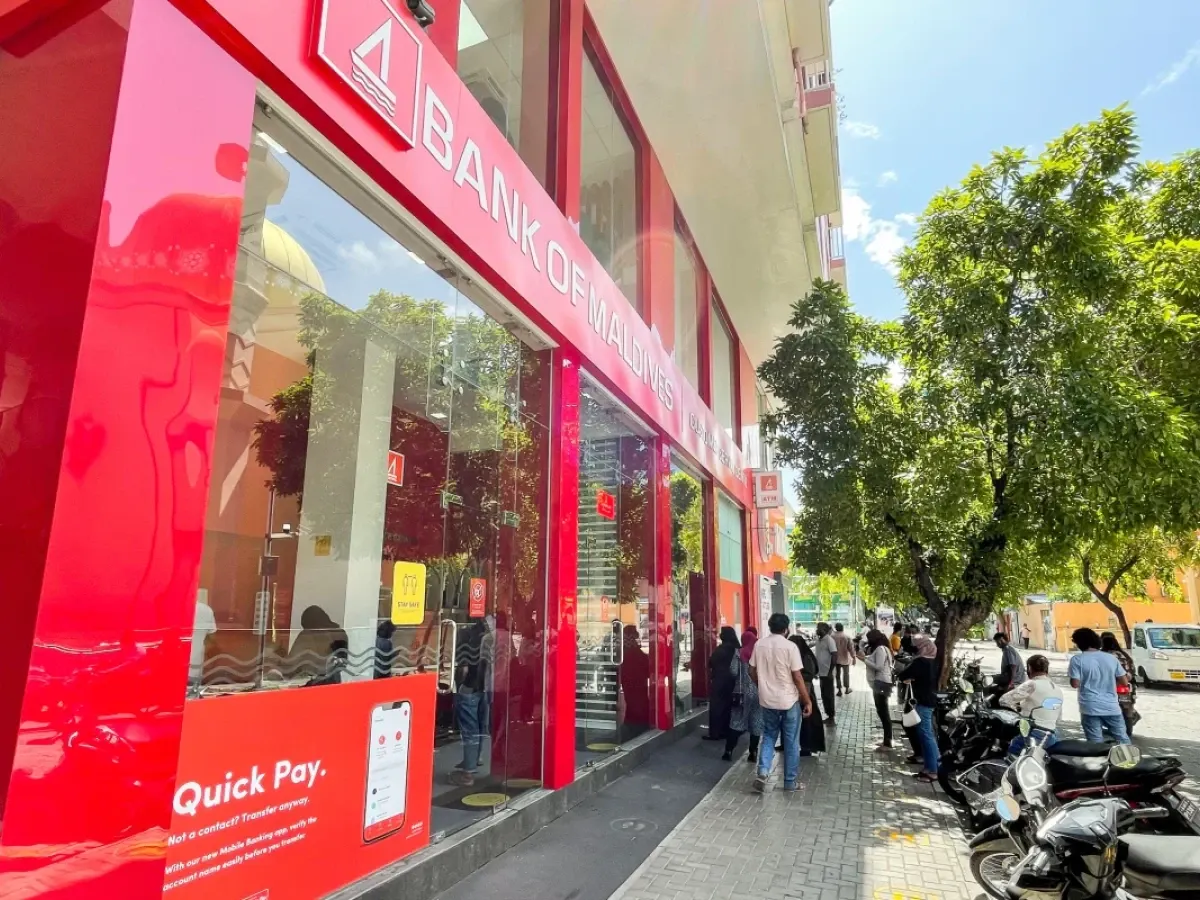
The main banks for individuals and businesses include Bank of Maldives (BML), the largest; Maldives Islamic Bank (MIB); and branches of international and regional banks. Most offer current and savings accounts in rufiyaa (MVR) and in US dollars, debit cards, internet and mobile banking.
Who can open what?
| You are | Usual options | Key requirement |
|---|---|---|
| Expatriate working in the Maldives | Personal MVR and USD accounts | Valid work permit or visa |
| Spouse on a dependent or marriage visa | Personal accounts | Visa card and supporting documents |
| Non-resident individual | Limited; some banks offer non-resident foreign currency accounts | Bank's non-resident criteria |
| Foreign investor in shares or bonds | Inward investment account, where available | Enhanced checks |
| Foreign-owned company | Business accounts | Company registered in the Maldives |
A Maldives Monetary Authority circular in 2020 noted that banks generally do not open accounts for foreigners without a valid visa, or for foreign businesses that are not registered in the Maldives. It also said there is no outright legal bar, so policies are set by the banks.
Personal accounts for expatriates
Typical documents
- Original passport.
- Original work permit card, or marriage/dependent visa card.
- A letter from your employer with your name, designation, joining date, passport number and salary.
- Sometimes a local phone number and proof of address, such as a rental agreement.
MIB publishes a list along these lines for foreigners' accounts. BML's expatriate accounts are generally for people holding a valid work permit or visa. Expect to visit a branch in person, though online banking is available once the account is open.
Tips
- Ask your employer's HR team which bank they use; salary transfers are faster within the same bank.
- Bring copies as well as originals.
- Open both an MVR account for daily spending and rent, and a USD account if you are paid in dollars or plan to send money home.
Moving to the Maldives? Read renting as an expat; your rental agreement can help as proof of address.
Non-resident accounts
If you do not live or work in the Maldives, options are narrower. Some banks have offered non-resident foreign currency accounts; one guide reports that MIB's non-resident foreign account can be opened digitally through its online application platform. Non-resident accounts usually come with stricter checks on the source of funds and how the account will be used. Foreign investors buying units in approved tourism projects should ask the developer which bank and account type they recommend for payments and rental income.
Business accounts
A foreign-owned business must first be registered in the Maldives, with the required foreign investment approval. Then, typically:
- Company registration certificate and constitutional documents.
- Foreign investment approval or licence.
- Board resolution to open the account and authorised signatories.
- Passports and visas or IDs of directors, shareholders and signatories.
- Proof of business address and a description of the business.
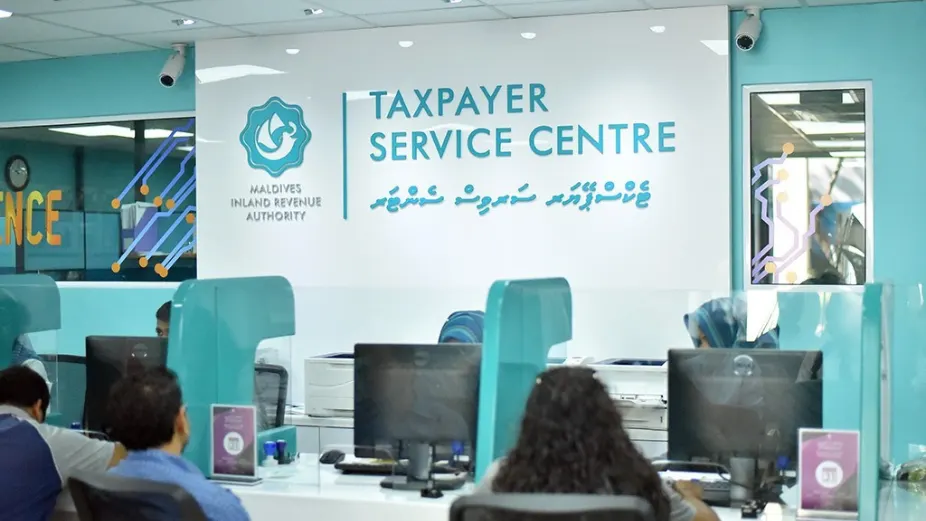
- Tax registration with MIRA.
Banks apply know-your-customer checks to identify the ultimate owners of the company. Read how to register a company and the Foreign Investment Act explained.
Rufiyaa and dollars
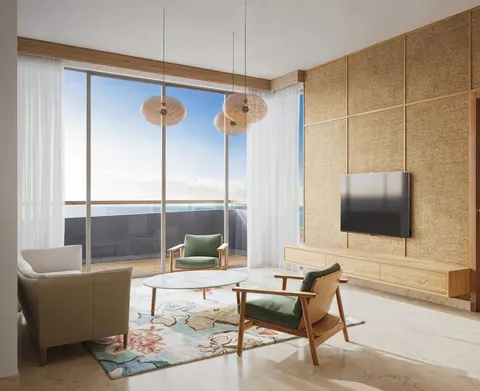 For sale nowMVR 7.17MBlue Lagoon 3 BHK Apartment · Hulhumalé
The rufiyaa has an official exchange rate of about MVR 15.4 per US dollar, but in 2026 the Maldives faced a serious shortage of dollars, with parallel-market rates reported above MVR 20 and approaching MVR 23 in August. The Maldives Monetary Authority increased dollar sales to banks to help meet demand. In practice:
- Holding a USD account does not guarantee you can buy dollars with rufiyaa at the official rate when you want.
- Transfers abroad may need documents and can take time, depending on the bank's dollar supply.
- If you earn in dollars, keeping part of your income in a USD account can reduce exposure.
Read dollar shortages and moving money out for strategies.
Sending money abroad
To send a telegraphic transfer (TT) abroad, banks usually ask for the purpose of the transfer and supporting documents, for example a salary slip, an invoice or a tuition bill. Limits and documentation requirements can change, so check before you need to send money. Families of expatriate workers often use remittance services; compare fees and exchange rates.
Paying rent and property costs
A local account makes it easy to pay rent by transfer, which gives you a record. Landlords should provide a receipt for each payment. For buyers, banks handle home loan payments; foreigners generally cannot get Maldivian home loans for ordinary flats. See BML vs MIB vs HDFC for local buyers and can foreigners buy property for foreign buyers.
Common problems and solutions
- Work permit not yet issued: ask your employer for a letter and check whether the bank can open the account once the permit arrives.
- Name mismatches between passport, permit and employer letter: get them corrected first.
- Delays in dollar transfers: plan ahead, keep supporting documents ready, and ask your bank about current processing times.
- Closing accounts when you leave: transfer your balance and close the account before your visa ends, as it is harder from abroad.
Staying safe
- Never share online banking passwords or one-time codes.
- Be wary of calls or messages claiming to be from your bank and asking for details.
- For property deals, pay only to accounts in the owner's or company's name, and verify details by phone. See property scam warning signs.
Checklist
- Choose a bank (consider where your employer or business partners bank).
- Confirm the document list by phone or website.
- Bring originals and copies: passport, permit or visa, employer letter.
- Open MVR and, if useful, USD accounts.
- Set up internet and mobile banking.
- Ask about transfer requirements for sending money abroad.
Choosing between banks
For most expatriates, the choice comes down to convenience. Consider:
- Where your salary is paid. Same-bank transfers are instant and usually free.
- Branches and ATMs near your home and workplace, and on islands you visit.
- Online and mobile banking quality, including transfers, bill payments and card controls.
- Islamic or conventional products, if that matters to you.
- Foreign currency services, including how the bank handles transfers abroad.
- Fees for account maintenance, cards, international transfers and currency conversion.
Many people end up with two accounts: one at their employer's bank for salary and one at another bank for specific services.
Paying bills and daily life
Once your account is open, you can pay electricity, water and phone bills online, transfer rent, and use debit cards in most shops and cafés in Malé and Hulhumalé. Some smaller shops and island businesses still prefer cash or bank transfers, so keep a little cash. For a full picture of monthly costs, read the cost of living in Hulhumalé and electricity and water bills in Malé.
If you are investing rather than working in the Maldives, start the banking conversation early, ideally before you sign any property or business agreement, so you know exactly how money will move in and out.
Frequently asked questions
Can a foreigner open a bank account in the Maldives?
Yes. Resident foreigners with a valid work visa or permit can usually open personal accounts. Non-residents have more limited options, and some banks offer non-resident foreign currency accounts. Foreign businesses need to be registered in the Maldives.
What documents do I need?
Typically your passport, a valid work permit or visa card, and a letter from your employer with your position, joining date, passport number and salary. Banks may ask for more, such as proof of address.
Can I open a US dollar account?
Yes, banks offer foreign currency accounts. Being able to hold dollars is different from being able to buy them easily, because the Maldives has faced dollar shortages.
Can I open an account before I arrive?
Some banks have offered digital non-resident accounts, for example Maldives Islamic Bank's non-resident foreign account via its online platform. Most personal accounts for expatriates require a work permit and often a branch visit.