For foreign investors, the Maldives has always been attractive and complicated in equal measure. Resorts, luxury villas and big developments draw international money, but land ownership is restricted and the rules have changed several times. The biggest recent change is the Foreign Investment Act (Act No. 11/2024), which came into force on 3 December 2024. This guide explains what it means for anyone interested in Maldivian real estate.
The Act and its regulations are detailed, and summaries by advisers differ on some thresholds. This is a general guide, not legal advice. Before investing, check the current regulations with Invest Maldives or the Ministry of Economic Development and take advice from a Maldivian lawyer.
The basics that have not changed
- No freehold land for foreigners. The Constitution does not allow foreigners to own land in the Maldives. A 2015 change allowing it for very large projects was repealed in 2019.
- Long leases are the main route. Foreign investors typically hold land on leases, for example for tourism or approved developments, often for long terms.
- Approvals are required. Foreign investment needs registration and a foreign investment approval or licence.
Read can foreigners buy property in the Maldives and leasehold vs ownership for the background.
What the Act does
The Act replaced the earlier, case-by-case approach with a clearer list of sectors and conditions. In broad terms, activities are grouped as:
- Open to full foreign ownership, sometimes above a minimum investment.
- Restricted, requiring a Maldivian partner and capping foreign shareholding.
- Reserved for Maldivians and closed to foreign investment.
Sectors reported as open to full foreign ownership include renewable energy, information and communication technology, logistics infrastructure, higher education, healthcare, and real estate projects above specified thresholds. The government has also enforced the rules: it reported that 29 foreign investments operating in reserved sectors had been dissolved.
Real estate under the Act
Advisers' summaries of the real estate rules include the following. Because sources differ, confirm the current thresholds with the authorities:
| Type of real estate investment | Reported rule |
|---|---|
| Residential projects below USD 100 million | Closed to foreign investment (reserved for Maldivians) |
| Commercial / industrial real estate, about USD 15–30 million | Local partner required; foreign shareholding capped at 65% |
| Commercial / industrial real estate above about USD 30 million | Full foreign ownership possible |
| Strata units in tourism projects | Individual units available to foreign buyers, reported minimum USD 250,000 |
| Smaller construction activity | Some guides list building construction below USD 15 million as closed |
In short: ordinary flats and housing projects are for Maldivians, while foreign capital is directed towards large, approved projects, tourism and commercial development.
Special Economic Zones and townships
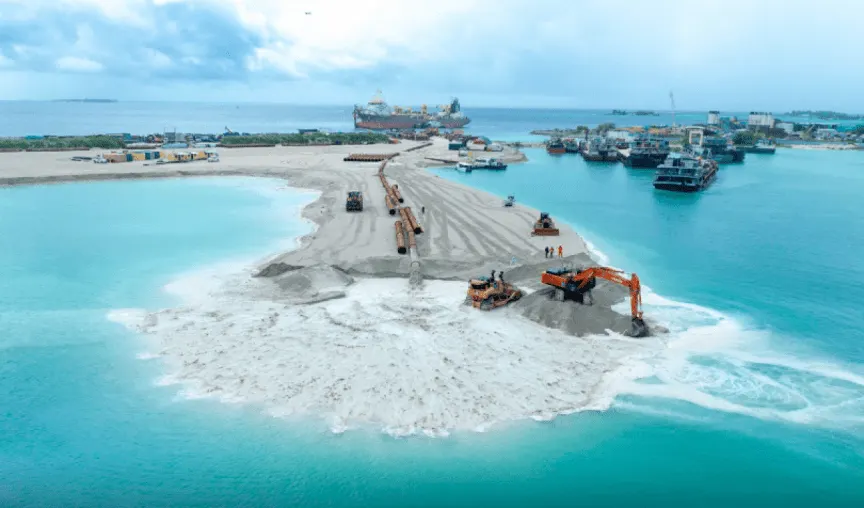
Separately from the Act, the Special Economic Zones law offers incentives for very large projects. An amendment passed in November 2025 created a "sustainable township" category for projects above USD 500 million, with reduced income tax and a real estate transfer tax. Read Special Economic Zones in the Maldives and strategic investment areas under the SEZ law.
How to invest: step by step
- Check the sector and threshold for your project against the current list.
- Choose a structure: a Maldivian company with foreign shareholding, a joint venture or another approved form. See joint ventures with Maldivian partners.
- Register the business through the government's Business Portal; foreign investors can submit documents online.
- Pay the foreign investment fees; government guidance describes a USD 5,000 foreign investment administrative fee paid to MIRA, among other charges.
- Obtain the foreign investment approval or licence from the ministry.
- Secure land through a lease from the relevant authority or approved developer.
- Register for tax with MIRA and open bank accounts. See opening a bank account as a foreigner.
Our guide to starting a foreign-owned business covers company setup in more detail.
What foreign individuals can realistically do
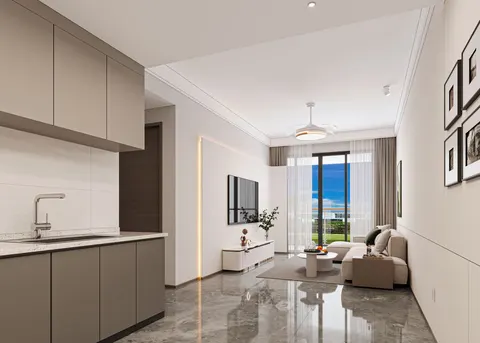 For sale nowFrom MVR 3.6M1+1 Bedroom Apartments at Bayfancy · Hulhumalé
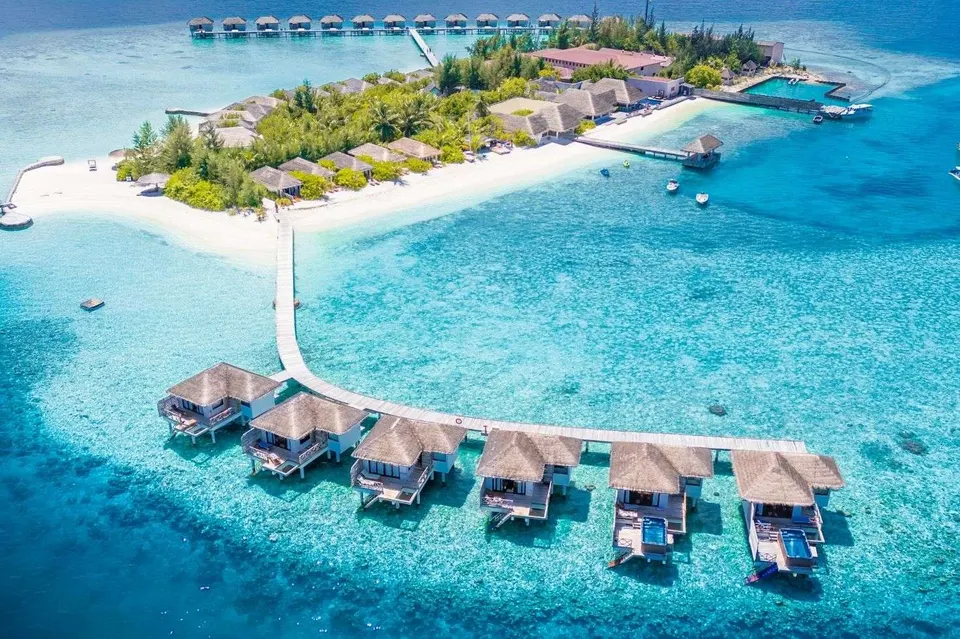
- Buy a strata unit or villa in an approved tourism project, usually on a long lease with a resort rental programme. See resort villa ownership.
- Invest in large approved developments through companies.
- Rent homes and offices as residents. See renting as an expat.
- Consider residency routes linked to investment, where available. See the residency by investment guide.
What they cannot do is buy an ordinary flat in Malé or a plot on a local island in their own name, or use a Maldivian "nominee" to hold it for them. Nominee arrangements to get around the law are risky and can lead to the investment being dissolved.
Money in and out
Foreign investors need to plan for currency. The Maldives has faced dollar shortages, with a parallel-market rate well above the official rate in 2026. Getting profits or sale proceeds out can take time. Read dollar shortages and moving money out.
Tax considerations
Foreign-owned businesses pay Maldivian taxes, including income tax, GST or tourism GST where relevant, and withholding taxes on certain payments to non-residents. Rental income received by non-residents can face withholding tax. See can foreigners rent out property and GST and business tax.
Risks and how to manage them
- Rule changes: land and investment rules have changed several times. Build legal advice and flexibility into your plans.
- Lease disputes: the 2026 dispute over 99-year leases linked to a large development near Malé shows that lease terms can become contested.
- Partner risk: in restricted sectors, your local partner's reliability is critical.
- Currency: plan for delays in converting rufiyaa to dollars.
- Scams: offers of "freehold" land for foreigners or "guaranteed approvals" are red flags. See property scam warning signs.
Further reading
For the bigger picture, read our news on the new investment rules, the 2026 foreigner's investment guide and major foreign investment projects. Browse current developments.
Practical example
Suppose a foreign hotel group wants to build a mid-sized city hotel with shops on the ground floor in Hulhumalé, worth about USD 20 million. Under the reported rules, a commercial real estate project of that size would need a Maldivian partner, with foreign shareholding capped at 65%. The group would form a Maldivian company with a local partner holding at least 35%, register it through the Business Portal, pay the foreign investment fees, obtain the investment approval, and then lease land from HDC or a private landholder with the right to sublease. If the same group invested more than about USD 30 million, it could reportedly own the company outright. A residential tower of flats for sale below USD 100 million, by contrast, would be closed to foreign investors and reserved for Maldivian developers. See city hotels in Malé and Hulhumalé.
Checklist before you commit
- Confirm the sector classification and threshold in writing with the ministry.
- Check whether a local partner is needed and the maximum foreign share.
- Verify the land: who holds it, the lease term and whether subleasing is permitted.
- Agree the shareholders' agreement, board control and exit terms with any partner.
- Plan financing, including how dollars will come in and how profits will go out.
- Budget for fees, taxes, legal costs and time for approvals.
Above all, take time. Foreign investment in the Maldives rewards investors who check every approval, choose partners carefully and plan for currency and legal changes, and it punishes those who rush.
Frequently asked questions
When did the new Foreign Investment Act take effect?
The Foreign Investment Act (Act No. 11/2024) came into force on 3 December 2024, replacing the earlier foreign investment framework.
Can foreigners invest in residential real estate in the Maldives?
Residential real estate is largely reserved for Maldivians. Reports on the Act say residential projects below USD 100 million are closed to foreign investors, while larger projects and some commercial real estate are open subject to thresholds and approvals.
Do foreign investors need a local partner?
In some sectors and investment bands, yes. Reported rules for commercial and industrial real estate require a local partner with foreign ownership capped at 65% for mid-sized projects, while larger projects can be fully foreign-owned.
Can foreigners buy a single apartment or villa?
Foreigners cannot own freehold land. Individual units are generally available to foreigners only through approved structures such as strata units in tourism projects, reported with a minimum of USD 250,000, or long leases in approved developments.