Ras Malé Project Maldives: Housing, Reclamation and Investment Guide
The Ras Malé project is one of the most significant urban development initiatives in the Maldives. Planned for Fushi Dhiggaru Lagoon near Malé, the project aims to create a new urban area that can help address housing demand in the Greater Malé Region while introducing new residential, commercial and infrastructure opportunities.
For property buyers, business owners and real estate investors, Ras Malé is an important development to follow. Its planned housing supply, land reclamation programme and supporting infrastructure could influence future urban growth. However, understanding the difference between announced plans, completed reclamation and future development is essential when assessing its potential.
This guide explains the Ras Malé project, its location, reported reclamation progress, housing plans, proposed infrastructure and the factors people should consider when following property opportunities associated with the development.
What Is the Ras Malé Project?
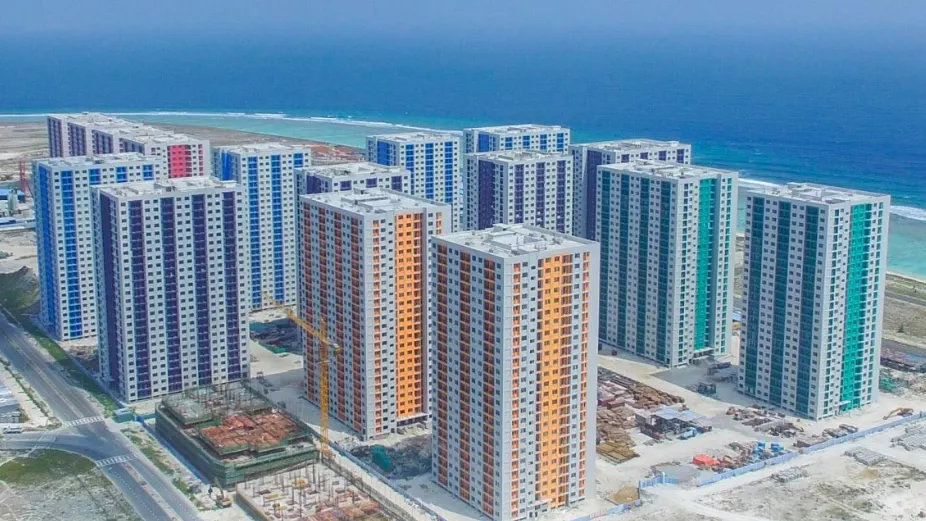
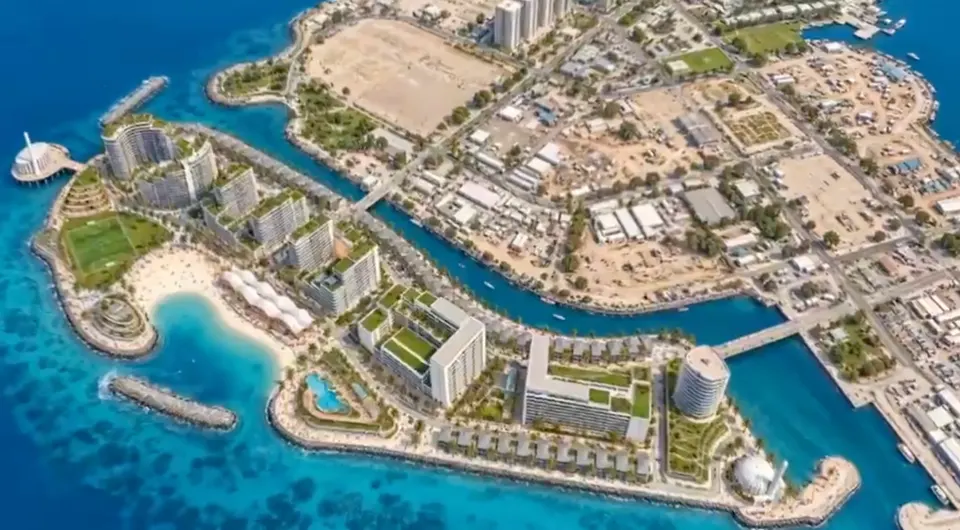
Ras Malé, also known as the Maldives Eco City, is a planned urban development located in Fushi Dhiggaru Lagoon. The project is intended to expand the Greater Malé Region and provide additional land for housing and urban development.
The project has been presented by the government as part of its wider efforts to address housing needs in the capital region. The planned development includes residential areas and supporting urban infrastructure, with a focus on creating a new settlement rather than simply reclaiming land for a single purpose.
According to the Housing Development Corporation (HDC), the project is designed around a large reclaimed land area, with planned housing solutions and infrastructure intended to support a future urban community.
Official information is available through the HDC Ras Malé project page and the Invest Maldives project portal.
Where Is Ras Malé Located?
Ras Malé is planned for Fushi Dhiggaru Lagoon, within the wider Greater Malé development area. Its location is significant because the Greater Malé Region is the country's main population, administrative and economic centre.
Expanding urban development in this region may create opportunities for housing, commercial activities and supporting services. At the same time, the success of a new urban area depends on more than its proximity to Malé.
Reliable transport, utilities, public services, access roads, drainage and other essential infrastructure will be important in determining how residents and businesses can use the area as development progresses.
Anyone considering a future property purchase should follow official information about connectivity and infrastructure rather than assuming that proposed transport links or facilities are already operational.
How Large Is the Ras Malé Development?
HDC's published project information describes Ras Malé as a development of approximately 1,150 hectares. An earlier HDC project page refers to 1,153 hectares, while other government documents have described different project scopes or phases.
These figures should be read in the context of their publication dates and the specific scope of each document. Project totals and phase descriptions can change as implementation progresses.
The development is intended to be a major addition to the country's urban land supply. Its scale makes it important to follow both the reclamation programme and the subsequent development of housing, roads, utilities and public facilities.
Ras Malé Land Reclamation Progress
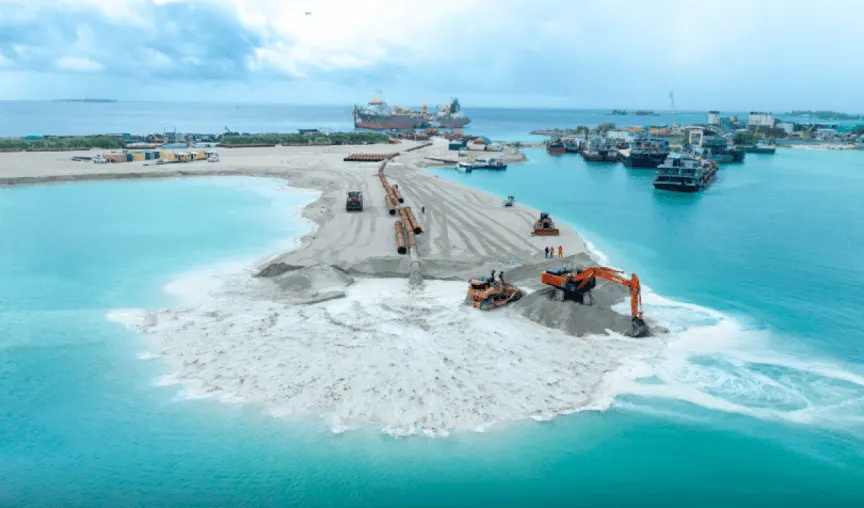
Land reclamation is one of the first major steps in establishing the new urban area. Before buildings and neighbourhoods can be developed, reclaimed land must be prepared for the infrastructure and construction activities required by the approved plans.
HDC's official website reports that 631.32 hectares had been reclaimed out of a stated target of 1,150 hectares, equivalent to approximately 54.9% progress. This is a useful published progress figure, but it should not be interpreted as confirmation that all infrastructure or housing construction is at the same stage.
For the latest information, consult the official HDC website, which publishes project progress and other announcements.
Earlier government reporting also documented progress across separate reclamation sites. In November 2025, the President's Office reported that Site J was complete, while work at Sites L and C was progressing. That report described a different stage of the project and should be treated as historical context rather than the latest overall progress figure.
Official progress updates matter because reclamation figures alone do not establish when a particular plot will be allocated, when a road will open or when a residential property will be ready for occupation.
How Many Housing Units Are Planned for Ras Malé?
HDC's published project description has referred to approximately 65,000 housing solutions for Ras Malé. The plan has been presented as a way to address long-term housing needs in the Greater Malé Region.
The intended housing supply is significant because land availability and access to affordable homes remain important issues for residents of the capital region. A development of this scale could accommodate different housing needs, depending on the final approved plans and the schemes introduced by the government.
However, the figure of 65,000 housing solutions should not automatically be interpreted as 65,000 completed homes available for purchase today. A long-term development target is different from the number of units completed, allocated, offered for sale or ready for occupation.
For buyers, the most useful information will be the official details of individual housing schemes, including eligibility, application procedures, payment conditions, allocation rules and expected delivery dates.
Ras Malé Land Plots and Government Housing Schemes
Ras Malé has also featured in government housing announcements concerning land allocation for residents of the Greater Malé Region.
In November 2025, the President's Office reported an announcement that 15,000 plots from the reclaimed area would be allocated within approximately five months. In the 2026 presidential address, the government also announced a Family Housing programme that included regulations for 15,000 Ras Malé land plots, alongside a separate programme for residential flats in Hulhumalé and Vilimalé.
These announcements provide important context for people researching land opportunities. However, an announced allocation target is not the same as a confirmed individual entitlement or a plot that is immediately available for private purchase.
Applicants should consult the latest government announcements and official scheme regulations to establish:
Who is eligible to apply.
Whether applications are currently open.
What documents and supporting information are required.
How applications are scored or assessed.
What conditions apply to allocated plots.
Whether construction deadlines or other obligations apply.
What restrictions may affect transfer, development or future sale.
For updates, visit the President's Office website and check the relevant government housing announcements.
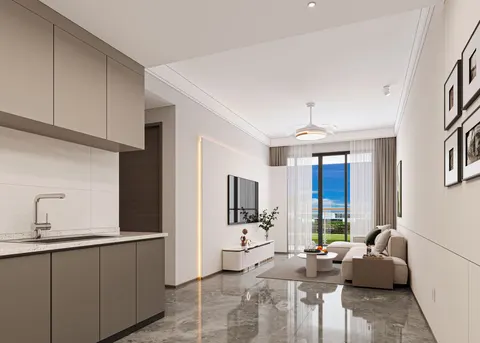 For sale nowFrom MVR 3.6M1+1 Bedroom Apartments at Bayfancy · Hulhumalé
What Infrastructure Is Planned for Ras Malé?
A successful urban development requires more than reclaimed land and residential buildings. Infrastructure determines how residents travel, access essential services and conduct their daily activities.
Transport and connectivity
HDC's published description of Ras Malé refers to planned ferry services and hydrofoil technology as part of the proposed transport system connecting the development with Malé.
Government procurement notices have also referred to the preparation of a Ras Malé transport master plan and a feasibility study examining potential transport solutions across land, sea and air.
This distinction is important. A transport option being studied or included in a proposed master plan does not mean that the service has been approved in its final form, funded or opened to passengers.
Readers should follow official project announcements for confirmed routes, travel times, operating arrangements and implementation schedules.
Roads and utilities
Future residents and businesses will depend on access roads and essential services such as electricity, water supply, sewerage and telecommunications.
The timing and extent of these services will influence how different parts of the development can be used. Buyers and investors should therefore look for project-specific information about infrastructure completion and service availability before making financial decisions.
Climate resilience and environmental planning
HDC's project description presents Ras Malé as a climate-conscious urban development. Its published material refers to planned land elevations of two metres at the edges and three metres at the centre, along with a focus on renewable energy and sustainable transport.
These are descriptions of the proposed development approach. They should not be interpreted as a guarantee that the city is protected from every possible climate-related risk.
Long-term resilience will depend on the final engineering designs, coastal protection measures, drainage, maintenance, environmental management and implementation of the approved plans.
Could Ras Malé Create New Property Investment Opportunities?
The project may create opportunities associated with housing, commercial services and future urban activity. Nevertheless, its investment implications will depend on the terms of individual schemes, infrastructure delivery, market demand and the wider economic environment.
Residential property
Future housing schemes may be relevant to eligible applicants looking for land or homes in the Greater Malé Region. Anyone considering an allocation or purchase should understand the applicable terms, development obligations and restrictions before making plans.
Retail and business services
As a new urban area develops, residents may require groceries, food services, healthcare, education, maintenance, transport and other everyday services.
These needs could create opportunities for businesses over time, but actual commercial demand will depend on population growth, the pace of occupation, household spending and the availability of competing services.
Commercial property
Offices, retail premises and other commercial spaces may become relevant as the area develops. Prospective investors should wait for confirmed property offerings and review the conditions of each opportunity rather than assuming that a particular commercial scheme will be available.
Construction and supporting industries
Large reclamation and urban development projects require specialist services, construction materials, equipment and other supporting activities. Relevant opportunities may be announced through government procurement and investment channels.
Companies interested in participating should review the official scope of each tender, technical requirements, financial conditions and submission deadlines. A large project does not guarantee that every business will qualify for a contract.
Risks to Consider Before Investing
Ras Malé's scale and long-term objectives may attract interest, but prospective investors should consider the risks associated with an urban development that is still being implemented.
Project timing: Reclamation, infrastructure, housing construction and occupation take place in stages.
Scheme eligibility: Government land allocation programmes may impose conditions that limit who can apply and what recipients can do with their plots.
Infrastructure delivery: The availability of transport, utilities and public services may affect the usefulness of a property.
Market demand: Future prices and rental income depend on actual demand and supply, not only on the scale of a development.
Financial commitments: Construction, financing, maintenance and other expenses can affect affordability and investment returns.
Legal conditions: Ownership, transfer, development and resale rights must be checked against the applicable documents and laws.
There is no guarantee that land or property associated with Ras Malé will increase in value. Buyers should avoid relying on unofficial claims about guaranteed profits, fixed resale prices or unconfirmed completion dates.
Where to Find Official Ras Malé Project Updates
Readers should use primary sources when researching project progress, housing schemes and future opportunities.
Housing Development Corporation (HDC) — project updates and published reclamation progress.
HDC Ras Malé project page — project overview and planned development features.
President's Office — official announcements concerning reclamation and housing policy.
Invest Maldives — investment project information and opportunities.
Maldives Gazette — official notices, including government procurement announcements.
When comparing figures from different sources, check the publication date and whether the document describes the entire development, an individual phase or a particular contractor's scope of work.
Frequently Asked Questions About Ras Malé
Where is Ras Malé located?
Ras Malé is planned for Fushi Dhiggaru Lagoon near Malé as part of the wider Greater Malé urban development area.
How large is the Ras Malé project?
HDC's current published website reports a target of 1,150 hectares, while older HDC material refers to 1,153 hectares. Always check the date and scope of the official source when quoting the project's size.
How much land has been reclaimed?
HDC's website reports 631.32 hectares reclaimed out of 1,150 hectares, or approximately 54.9%. Reclamation progress can change, so consult HDC for the latest figure before relying on it.
How many homes are planned?
HDC has described a long-term target of approximately 65,000 housing solutions. This is a development target, not a count of completed homes currently available for purchase.
Can anyone buy a Ras Malé land plot?
Eligibility depends on the specific government scheme, its regulations and the terms attached to an allocation. Check the current official rules rather than assuming that every plot is available for unrestricted purchase.
Will Ras Malé have ferry and hydrofoil connections?
HDC's published project description refers to proposed ferry and hydrofoil connections. The final arrangements and operational dates should be confirmed through official project and transport announcements.
Is Ras Malé a guaranteed property investment?
No. Future property values and investment returns depend on market conditions, project implementation, infrastructure, legal terms and demand. Prospective investors should undertake independent research before committing funds.
Ras Malé is an important project to monitor because of its planned scale, housing objectives and potential role in the future development of the Greater Malé Region.
For property buyers, the priority is to understand official housing schemes and their eligibility requirements. For businesses and investors, it is important to follow confirmed infrastructure plans, commercial opportunities and the terms of any individual transaction.
As reclamation and planning progress, reliable information will be essential for distinguishing genuine opportunities from speculation. MaldivesInvestments.com will continue to follow major property developments and provide practical guides to help readers understand the Maldivian real estate market.
Disclaimer: This article is for general informational purposes only and does not constitute legal, financial or investment advice. Project figures, housing schemes and development plans may change. Verify the latest official announcements and applicable documents before making a decision