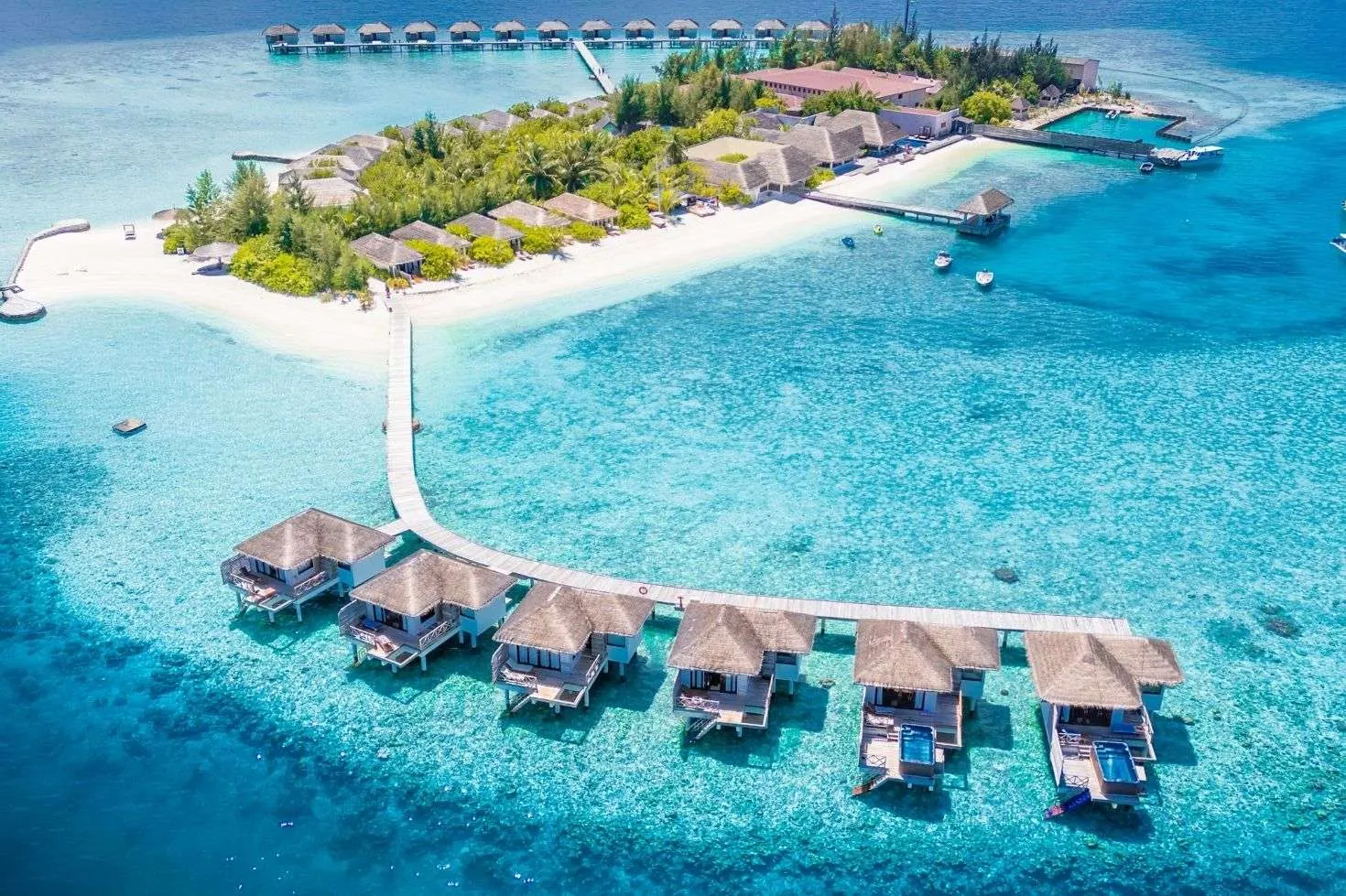
The Maldives is famous for its one-island, one-resort model, and for many investors, owning a resort island is the ultimate prize. But islands in the Maldives are not sold. They are leased from the government for tourism, usually for 50 years, and developing a resort is one of the most capital-intensive and complex projects in the country. This guide explains how resort islands are leased, what it costs, and the risks investors need to understand.
Terms in tenders and laws change. This guide is for orientation only; take specialist legal, tax and hospitality advice before bidding or buying.
The legal basis
Tourism in the Maldives is governed by the Tourism Act (Law No. 2/99) and its many amendments. The Ministry of Tourism designates islands and lagoons for resort development and leases them to investors. Foreigners cannot own land, so every resort is a leasehold operating business. Foreign investment is allowed in tourism under the Foreign Investment Act and tourism rules, subject to approvals. Read the Foreign Investment Act explained.
Two ways to get a resort island
1. Win a new lease in a government tender
The ministry periodically offers islands, lagoons and plots for resort development through public tenders. In a 2025 tender for 14 sites, for example, 50-year leases were offered, with minimum lease acquisition costs reported from about USD 149,850 for smaller islands up to USD 2.1 million per site for large 200-hectare lagoon plots, payable in instalments. Bidders submit proposals and offers; the winner signs a lease and must develop the resort within set timelines.
2. Buy an existing lease
Investors can also buy the company that holds an existing resort lease, whether an operating resort or an undeveloped island. This needs government approval for the change in ownership and careful due diligence on the lease, the company and the property. Read islands in the Maldives for sale.
Lease terms
| Typical term | 50 years for new leases |
|---|---|
| Older resorts | Some hold longer leases, reported up to 99 years |
| Extensions | Available under Tourism Act amendments, usually for a fee; a reduced-fee extension window was reported for December 2025 to June 2026 |
| Lease acquisition cost | One-off payment set in the tender |
| Annual lease rent | Charged per area; reported rates differ between sources and over time, so check current rules |
| Development deadline | Leases require the resort to be built and opened within a set period |
The costs of a resort project
Acquisition
The lease acquisition cost from the tender, or the price paid for an existing lease or company.
Development
Building a resort on a remote island is expensive. Everything, from cement to furniture, must be shipped in, and workers housed on site. One 2026 industry estimate puts all-in development costs at roughly USD 0.75 million to 2.6 million per key, depending on the level of luxury. A 60-villa resort could therefore cost anywhere from about USD 45 million to more than USD 150 million.
Infrastructure
Power (diesel generators, increasingly with solar), desalination, sewage treatment, jetties, staff housing and, for many projects, seaplane or boat access.
Operating costs
Staff, food and beverage, fuel, maintenance, marketing and management or brand fees.
Taxes and fees
Annual lease rent, tourism GST (17% from July 2025) collected from guests, green tax, corporate income tax, and other fees.
 For sale nowFrom MVR 3.6M1+1 Bedroom Apartments at Bayfancy · Hulhumalé
Revenue drivers
The Maldives welcomed around 2.25 million tourist arrivals in recent figures, and resorts can achieve some of the highest room rates in the world. Success depends on location and access, brand and positioning, the quality of the product, and management. Read insights into luxury resort and guesthouse markets and luxury resort developments.
Due diligence when buying an existing lease
- The lease: remaining term, extension rights, rent, development obligations and any defaults.
- The company: ownership, debts, guarantees, tax position and legal disputes.
- Approvals: tourism licence, environmental approvals, building permits.
- The property: condition of buildings, utilities, jetty and shoreline, and erosion.
- Operations: performance history, management contracts, staff contracts.
- Change of control: government consent requirements and fees.
Risks
- Construction risk: remote building is hard; delays and overruns are common. Read building material prices.
- Financing risk: large projects need substantial equity and debt, often from abroad.
- Currency: revenue is in dollars, which helps, but local costs and transfers face the country's dollar constraints. See dollar shortages.
- Tourism shocks: pandemics, global recessions and airline changes.
- Policy changes: taxes, lease rents and tourism rules change frequently.
- Climate and environment: erosion, coral bleaching and sea-level rise.
- Lease expiry: value falls as the remaining term shortens unless extended.
Smaller alternatives
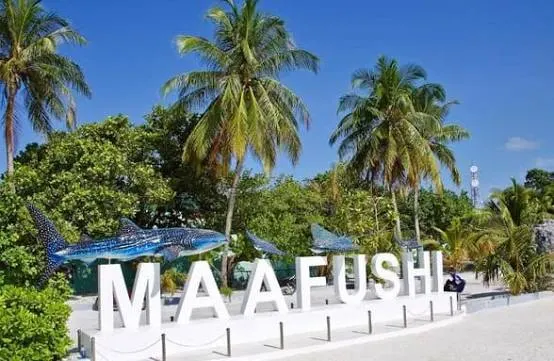
Not every investor needs an entire island. Alternatives include buying a villa in an existing resort (see resort villa ownership), developing a guesthouse or city hotel (see the Maafushi guesthouse plan and city hotels), or investing in integrated tourism zones (see integrated tourism zones).
Steps to bid for a resort island
- Monitor Ministry of Tourism tender announcements.
- Obtain the tender documents and visit the site.
- Prepare a concept, feasibility study and financing plan.
- Form or prepare the company and partners; see joint ventures.
- Submit the bid with the required guarantees.
- If successful, pay the lease acquisition cost, sign the lease and obtain approvals.
- Design, build and open within the required timeline.
Choosing an island or site
Not all islands are equal. When assessing a site, investors look at:
- Access: distance from Velana International Airport or a regional airport, and whether guests arrive by speedboat, seaplane or domestic flight. Shorter, cheaper transfers make a resort easier to sell.
- Size and shape: enough land for villas, back-of-house, staff housing and utilities.
- Beach and lagoon: a good beach and a lagoon suitable for over-water villas.
- House reef: snorkelling and diving close to the island are major selling points.
- Erosion and exposure: some islands lose sand seasonally or face rough seas.
- Neighbours: nearby resorts, inhabited islands or industrial sites affect the guest experience.
Brands and operators
Many owners partner with international hotel brands through management or franchise agreements. A strong brand can raise room rates and occupancy and help with financing, but it charges fees and imposes standards that raise development and operating costs. Others operate independently or with local management companies, keeping more control and income but carrying more marketing risk. The right choice depends on the size of the resort, the target market and the owner's experience.
Environmental responsibilities
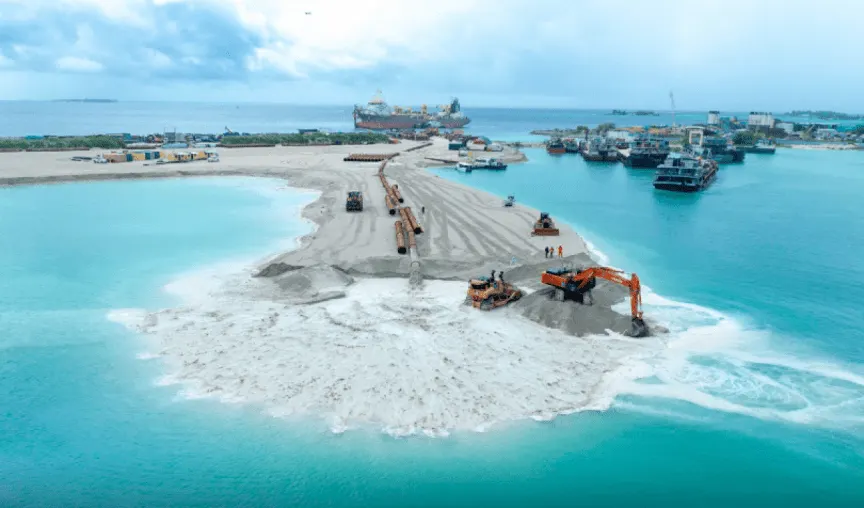
Resort development needs environmental approval. Investors must manage dredging, reclamation, waste, sewage and energy carefully, and many now invest in solar power, water recycling and reef protection, both to meet rules and because guests expect it. Environmental damage can bring fines, delays and reputational harm. Building sustainability into the design from the start is usually cheaper than adding it later. Read ESG and Maldives real estate.
Timeline
From winning a tender to opening a resort typically takes several years: design and approvals, financing, construction, recruitment and pre-opening. Leases include development deadlines, and missing them can lead to penalties or loss of the lease, so realistic planning matters from the start.
For most investors, the best first step is to talk to people who have done it: resort owners, operators, lenders and local advisers. Their experience of approvals, construction and operations will tell you more than any tender document.
Frequently asked questions
Can you buy an island in the Maldives?
No one can buy a resort island outright. Islands for tourism are leased from the government under the Tourism Act, usually for 50 years, sometimes with extensions. Investors can win a new lease in a tender or buy the company that holds an existing lease.
How long is a resort island lease?
New leases are commonly offered for 50 years. Some older resorts hold longer leases, and extensions have been available under amendments to the Tourism Act, at a fee.
How much does it cost to lease a resort island?
There is a one-off lease acquisition cost set in the tender, ranging in 2025 from about USD 150,000 for smaller islands to over USD 2 million for large lagoon plots, plus annual lease rent and the cost of building the resort.
How much does it cost to build a resort?
Estimates vary widely; one 2026 industry estimate puts all-in development costs at roughly USD 0.75 million to 2.6 million per key, depending on the level of luxury.