
Maldives Real Estate: The 2026 Foreigner’s Investment Guide
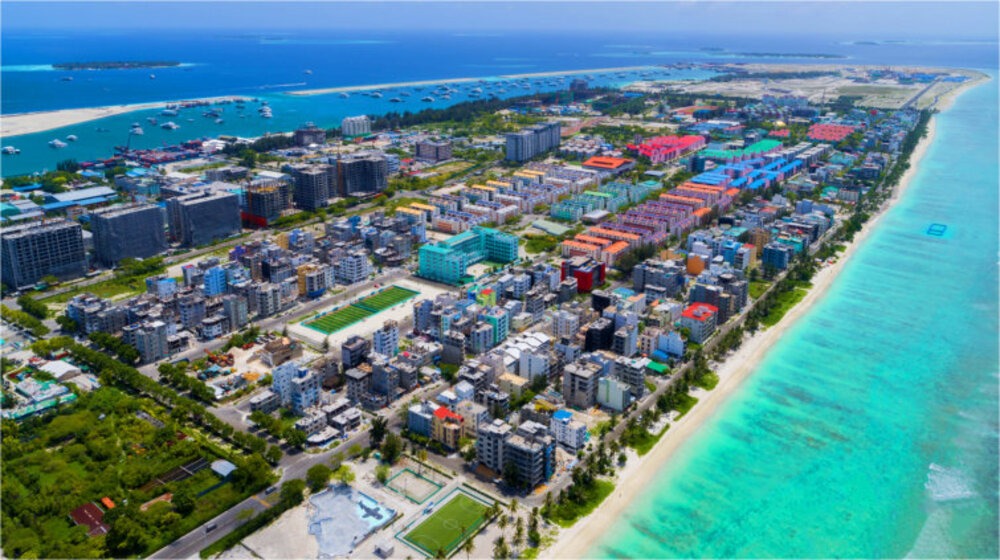
The Maldives is world-famous for its turquoise waters, white-sand beaches, and ultra-luxury resorts. For decades, this paradise was reserved strictly for holidaymakers. However, the landscape has fundamentally shifted. Today, the Maldives real estate market is one of the most exciting and exclusive investment frontiers in the world.
With the maturation of the Strata Act, major infrastructure completions, and a soaring demand for luxury branded residences, international high-net-worth individuals are moving capital into the Maldives at a record pace. But investing in an island nation comes with unique legal frameworks and financial structures that differ significantly from mainland markets like Dubai, London, or New York.
This comprehensive, 2,000-word guide is designed to take you from a curious observer to a fully informed investor. We will cover the laws, the financial math, the buying process, and the future outlook of property in the Maldives for 2026 and beyond.
Section 1: Can Foreigners Buy Property in the Maldives?
The short answer is yes. However, the “how” is what matters. In many countries, property ownership is “Freehold,” meaning you own the physical land forever. In the Maldives, due to the scarcity of land and constitutional protections for citizens, land cannot be sold as freehold to foreigners.
Instead, the government utilizes a highly secure Leasehold System. Foreign investors can own property via long-term leases, typically spanning 99 years. These are not standard rental leases; they are registered asset titles recognized by international law and global banks.
What Happens When the 99-Year Lease Ends?
This is the number one question foreign investors ask. Because the 99-year lease is standard for resort developments, buyers want to know if their grandchildren will lose the asset. In the Maldives real estate market, lease extensions are standard practice. Here is how it works:
- The Extension Clause: Most Sales and Purchase Agreements (SPAs) contain clauses allowing the leaseholder to apply for an extension before the 99 years expire, usually subject to a renewal fee based on the land valuation at that time.
- Asset Transfer: If a lease is not renewed, the physical assets (the villa) generally revert to the head-lease holder (the resort or government), but historically, because the Maldives relies heavily on foreign investment, policy heavily favors lease renewals to maintain investor confidence.
Section 2: The Strata Act Explained (How it Changed the Market)
Before the introduction of the Maldives Strata Act, if a foreign investor wanted to buy property, they had to lease an entire island or partner with a local company to build a resort. It was an incredibly expensive, high-barrier market. Small investors and individuals were locked out.
The Strata Act revolutionized the market. Modeled after successful property laws in Australia and Singapore, this law allowed developers to subdivide a single resort island or residential building into individual units (villas or apartments) with separate legal titles.
The Transformation of the Apartment Market
The Strata Act did not just affect luxury resorts; it completely transformed the residential market in the Greater Malé region, specifically in Hulhumalé. Previously, foreigners could not own apartments. With the Strata Act, foreigners can now buy apartments in designated multi-story buildings.
This has opened up the market to a brand new demographic: digital nomads, retirees, and medium-tier investors who want a base in the Indian Ocean without spending millions on a private island villa. It created a booming secondary market where apartments can be traded freely among international buyers.
Section 3: The Closing Process Timeline (Week-by-Week)
Navigating a transaction in the Maldives requires dealing with resort developers, local councils, and government ministries. To ensure a smooth transaction, here is the realistic timeline for purchasing Maldives real estate:
Week 1: Selection and Reservation
Once you have identified the property you wish to buy, you will sign a Letter of Intent (LOI) or a Reservation Agreement. At this stage, you are required to pay a reservation fee (typically between USD 5,000 to USD 20,000, depending on the asset value). This takes the property off the market while legal documents are prepared.
Week 2 to 3: Legal Due Diligence
Your lawyer (and we highly recommend hiring an independent local lawyer specialized in real estate) will review the “Head Lease.” This is the master agreement between the government of the Maldives and the resort developer. It is crucial to ensure that the developer has paid all their lease rents to the government and that there are no encumbrances on the land.
Week 4: The Sales and Purchase Agreement (SPA)
Once due diligence is cleared, the developer will issue the SPA. This is the definitive contract. It outlines the payment milestones (especially if it is an off-plan property under construction), the rights of the buyer, the rental pool management terms, and the dispute resolution mechanics. Upon signing, the first major down payment (usually 10% to 20%) is due.
Week 5 to 6: Government Registration and Title Transfer
After the SPA is signed and the initial payments are made, the developer submits the documents to the Ministry of Tourism (for resort properties) or the Ministry of Housing and Urban Development (for residential apartments). The government officially registers the leasehold transfer in your name. Once this is done, you hold the legal title to the property lease.
Section 4: Taxes, Fees, and Exact Percentages
To avoid any surprises, you must factor in transaction costs. The Maldives is generally a low-tax jurisdiction compared to Europe or North America, but there are specific costs associated with property transactions. Here are the exact percentages you need to know for 2026:
- TGST (Tourism Goods and Services Tax): 16%. This applies to the purchase price of commercial and tourism-related properties (like resort villas). This is the largest transaction cost you will face.
- Green Tax: If your property is in a rental pool and operating as a tourist establishment, a Green Tax of USD 6 per person per day is charged to the guests staying in the property (this does not come out of your pocket, but affects guest pricing).
- Legal Fees: 1% to 2%. This covers your local independent legal counsel for due diligence and contract review.
- Remittance Tax: 3%. If you are a foreign worker in the Maldives sending money out, this applies, but for property investors bringing capital *in* and taking profits *out*, capital flow is generally governed by the standard banking fees.
- Annual Maintenance/HOA Fees: In resort properties, this is typically covered by the gross revenue of the rental pool. If you opt out of the rental pool, expect to pay between USD 50 to USD 100 per square meter annually for island maintenance, security, and utilities.
Section 5: FAQ Section (Based on Google’s “People Also Ask”)
To help you quickly understand the most common queries searched on Google regarding Maldives real estate, we have answered the top questions below.
Can I get a residency visa by buying property in the Maldives?
Yes, but it is not automatic. The Maldives offers a “Corporate Resident Visa.” To qualify, you generally need to invest a minimum of USD 250,000 in a government-approved project or have a registered company in the Maldives. Owning a high-value luxury villa usually qualifies you for this, granting you and your immediate family the right to reside in the country long-term without having to exit every 30 days on a tourist visa.
Is buying property in the Maldives safe?
Yes, provided you do proper due diligence. The Maldivian legal system is heavily based on English Common Law principles regarding commercial contracts. If you ensure that the developer has a valid head lease from the government and that your Strata Title or Sub-Lease is properly registered with the Ministry of Tourism, your investment is highly secure.
Can an Indian citizen buy property in the Maldives?
Yes. Citizens of any country, including India, can buy property in the Maldives under the 99-year leasehold system. There are no nationality restrictions on who can purchase strata-titled villas or apartments, making it a very popular diversification asset for wealthy individuals from India, the Middle East, and Russia.
How do rental pools work in the Maldives?
Because you cannot live in your resort villa 365 days a year, most developers require you to place the villa in a “Rental Pool.” The resort operator rents your villa to tourists when you are not there. Typically, the revenue is split 50/50 or 60/40 (in favor of the owner) after deducting operating costs. This provides a completely passive, hands-off income stream in US Dollars.
Conclusion and Strategy for 2026
The Maldives is a finite market. There are only so many islands and so many lagoons where property can be built. This scarcity is what drives the long-term value of the assets. As global travel continues to break records in 2026, owning a cash-flowing asset in the world’s most famous luxury destination is not just a lifestyle flex—it is a highly strategic financial move.
Take the Next Step
Navigating the nuances of island property requires local expertise. To view exclusive, off-market investment opportunities and receive a customized ROI projection, visit our main Maldives real estate portal and contact our advisory team today.
Comments