
The Step-by-Step Process of Buying Maldives Real Estate as a Foreigner
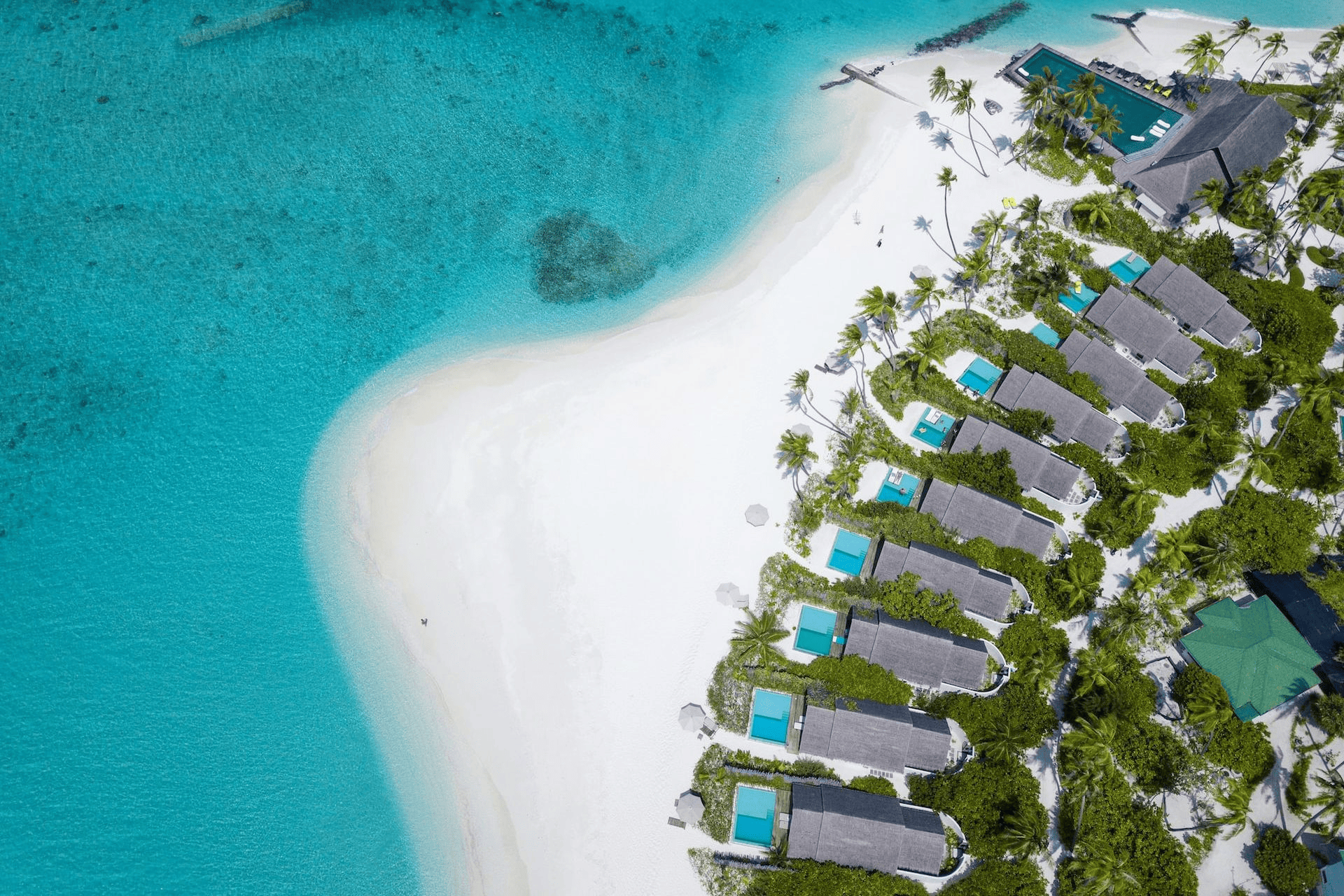
Maldives Real Estate: The Definitive 2026 Guide for Foreign Buyers and Investors
The Maldives real estate market has matured into a sophisticated investment landscape. No longer restricted to just the hospitality elite, the market now offers diverse opportunities for international buyers. However, navigating the legalities, land tenures, and financial structures of the Maldives requires a clear roadmap. This guide provides a step-by-step walkthrough of how to successfully acquire property in the archipelago in 2026.
1. Understanding the Legal Landscape of Maldives Real Estate
In 2026, the primary legal framework governing foreign ownership is the Foreign Investment Act and the Land Act. It is a common misconception that foreigners cannot “own” anything in the Maldives. While freehold land is rare and usually reserved for citizens, the Leasehold System and Strata Title Law provide iron-clad legal protections for international investors.
Under current 2026 regulations, a “Foreigner” is defined as any individual who is not a Maldivian citizen or a company registered outside the Maldives. To engage in real estate, most investors utilize a “Special Purpose Vehicle” (SPV) or a local partnership to maximize their tax efficiency and legal rights.
2. The Five Pillars of Real Estate Investment in the Maldives
Before searching for “for sale” listings, investors must identify which “Pillar” of the market they are entering:
- Private Islands: The pinnacle of Maldives real estate. These are usually 50 to 99-year leases of entire uninhabited islands for resort development.
- Strata-Title Villas: High-end villas located within an existing resort. You own the villa structure and lease the land, often with a “Buy-back” or “Rental Pool” agreement.
- Urban Apartments (Hulhumalé): Modern, multi-story developments in the Greater Malé area, ideal for rental income from the expat and professional community.
- Local Island Guesthouses: Boutique hotels on inhabited islands where tourists live alongside locals. This is currently the highest-growth sector in 2026.
- Commercial Land Leases: Long-term leases for industrial or agricultural use, primarily in the southern atolls like Addu.
3. Step-by-Step: The Acquisition Process
Buying real estate in the Maldives follows a specific sequence. Skipping a step can lead to significant delays in government approval.
Step 1: Identifying the Property and Due Diligence
Once a property is identified, your legal team must verify the “Land Record” at the Ministry of Housing or the local Island Council. You must ensure the land is not under any “encumbrance” (debt) and that the current “Owner/Lessor” has the legal right to sub-lease to a foreigner.
Step 2: The Letter of Intent (LOI) and Deposit
In the Maldivian market, a 10% refundable deposit is standard to “lock” the price while the formal Sale and Purchase Agreement (SPA) is drafted. This is usually held in an escrow account by a recognized Maldivian law firm.
Step 3: Foreign Investment Approval
All foreign real estate transactions must be vetted by the Ministry of Economic Development. In 2026, this process has been streamlined via the “Invest Maldives” digital portal. Approval typically takes 14 to 21 business days, provided the source of funds is verified.
Step 4: Executing the Sale and Purchase Agreement (SPA)
The SPA is the most critical document. For Maldives real estate, this document must clearly outline the lease duration, the extension clauses, and the “Residual Value” of the building at the end of the lease term.
Step 5: Registration of Title/Lease
The final step is registering the change of interest with the relevant authorities. For Hulhumalé properties, this is handled by the Housing Development Corporation (HDC). For local islands, it is registered with the Island Council and the Ministry of Housing.
4. Costs and Taxes: Budgeting for 2026
Beyond the purchase price, investors must budget for the following transaction costs:
| Cost Item | Estimated Amount (2026) |
|---|---|
| Stamp Duty / Registration Fee | 1% to 3% of the Purchase Price |
| Legal Fees | USD $2,500 – $7,500 (Flat fee or 1%) |
| Foreign Investment Admin Fee | USD $1,000 – $2,000 |
| Annual Lease Rent (Local Island) | USD $1.00 – $4.00 per Sqm |
5. The “Pearl Residence” Program: Residency through Real Estate
A major driver for Maldives real estate in 2026 is the Corporate Resident Visa. By investing a minimum of USD $250,000 in a government-approved real estate project, foreign buyers qualify for a 5-year renewable residency visa. This allows the investor to live in the Maldives, open local bank accounts, and enjoy “Domestic” rates for internal travel and services.
6. Risk Mitigation: What to Watch Out For
While the market is lucrative, it is not without risks. 2026 investors should focus on three areas of risk mitigation:
- Climate Resilience: Ensure the property has a minimum elevation of 1.5 meters above sea level or includes coastal protection measures. Sustainable “Eco-construction” is now a requirement for many new insurance policies.
- Contract Transparency: Ensure your lease includes a “Right to Mortgage” clause. This allows you to use the property as collateral for future loans from Maldivian or international banks.
- Utility Costs: Electricity on remote islands can be 3x higher than in Malé. Investing in solar-ready houses in the Maldives is no longer optional; it is a financial necessity.
7. Future Outlook: Maldives Real Estate in 2027-2030
The “Greater Malé” expansion and the development of the “Northern Integrated Tourism Zone” suggest that property values in the north (Noonu and Raa Atolls) will see the highest capital appreciation over the next five years. Furthermore, as the Maldives moves toward a “Blue Economy,” properties with integrated coral restoration projects or zero-carbon footprints will command 20-30% higher rental premiums.
Your Path to Maldivian Ownership
The Maldives real estate market is no longer a “closed shop.” With the right local partner and a clear understanding of the 2026 legal framework, international investors can secure high-yielding assets in the world’s most beautiful destination.