Maldives vs. Bali Real Estate: Which Offers Better Capital Appreciation in 2026?
For the last decade, the global "island investment" conversation was dominated by one name: Bali. The "Island of the Gods" saw an unprecedented boom in villa developments, driven by digital nomads and a surge in luxury tourism. However, as we move through 2026, the investment landscape has shifted. Savvy capital is beginning to look further west across the Indian Ocean.
The question for 2026 is no longer just about where it is beautiful to live, but where the "growth ceiling" is higher. In this comprehensive analysis, we compare Maldives vs. Bali real estate investment to determine which destination offers superior capital appreciation and long-term security for international buyers.
The 2026 Reality: Market Maturity vs. Emerging Growth
To understand capital appreciation, one must understand market cycles. Bali is currently in a "Mature" phase. Most of the prime land in Seminyak, Canggu, and even Uluwatu has been developed. While rental yields remain healthy, the massive 20% year-on-year jumps in land value that we saw in the 2010s have largely stabilized.
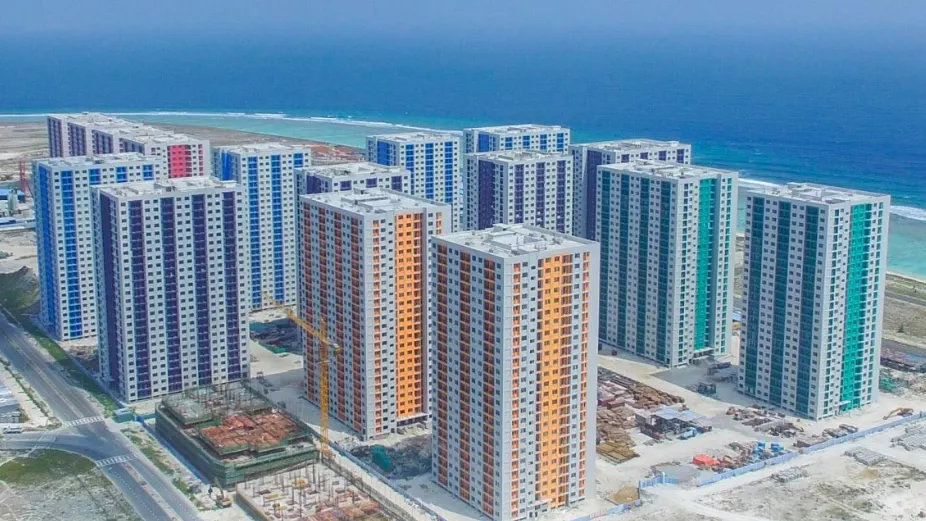
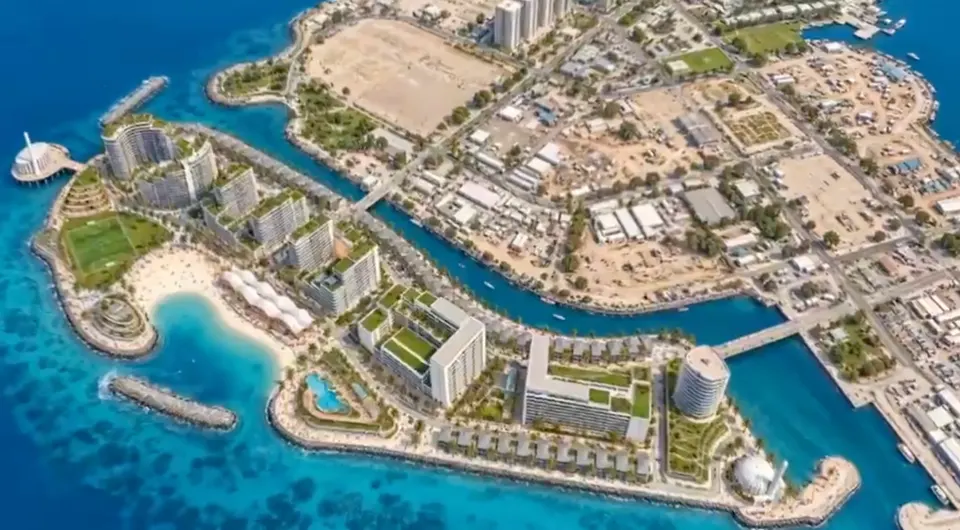
In contrast, the Maldives residential market is in its "High-Growth Emerging" phase. Until recently, the Maldives was a "resort-only" economy. The introduction of the Strata Title Act and the massive land reclamation in Hulhumalé have created a brand-new asset class: urban luxury residential property. Because this market is newer, the entry point for "first-generation" luxury developments offers a much higher appreciation ceiling than the saturated Bali market.
1. Capital Appreciation: The Numbers Don't Lie
In 2026, we are seeing a distinct divergence in appreciation rates. Bali’s capital appreciation has leveled off to approximately 5%–7% annually in prime areas. This is a respectable return, but it reflects a market that has already "found its price."
Hulhumalé and the Greater Malé region in the Maldives, however, are seeing appreciation rates of 10%–15%. This is driven by two factors that Bali does not have:
- Extreme Land Scarcity: Bali is a large island (5,780 km²). The Maldives’ total land area is only 300 km², spread across 1,200 islands. In real estate, scarcity is the ultimate driver of value.
- Infrastructure Multiplication: The completion of the Greater Malé Connectivity Bridge in late 2026 has fundamentally revalued every square inch of land in the urban center. See our analysis of the Bridge Effect on Property Prices.
2. Rental Yields: Tourism Powerhouses Compared
Both destinations are tourism titans, but their rental models differ significantly.
Bali: The market is flooded with "Instagram Villas." While occupancy is high, the competition is fierce. To maintain a 10% yield in Bali in 2026, owners must spend significant capital on constant renovations and aggressive social media marketing.
Maldives: The Maldives has the highest Average Daily Rate (ADR) in the world for tropical destinations. In Hulhumalé, the rental market is split between high-end tourism and the "Expat Corporate" sector. Because there are so few luxury apartments compared to the thousands of villas in Bali, the "Occupancy vs. Competition" ratio is much more favorable in the Maldives. Investors are currently seeing net yields of 7%–11% with significantly lower marketing overheads.
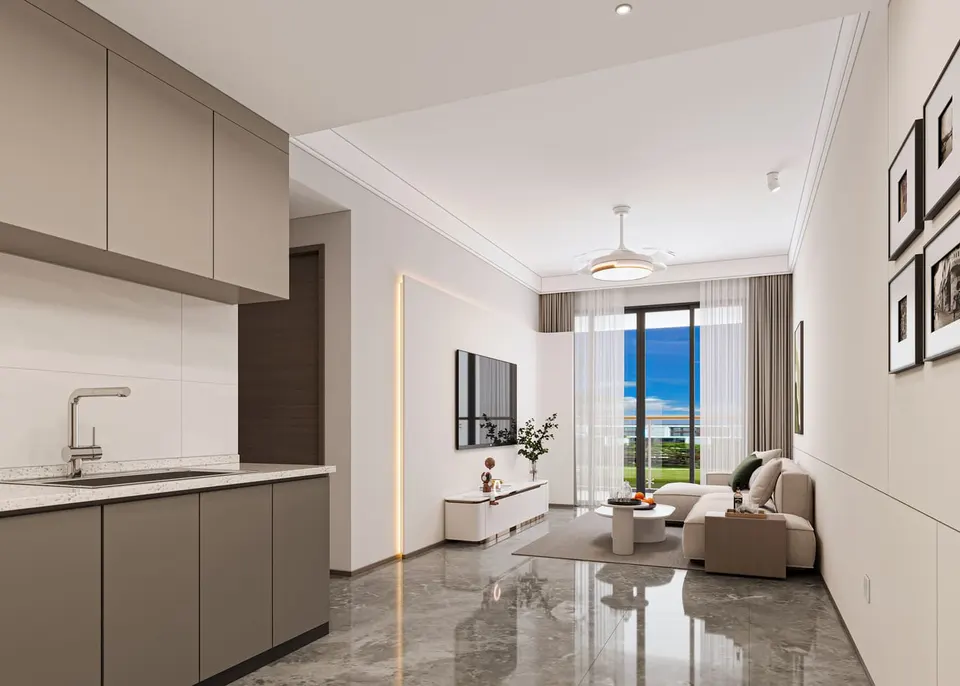
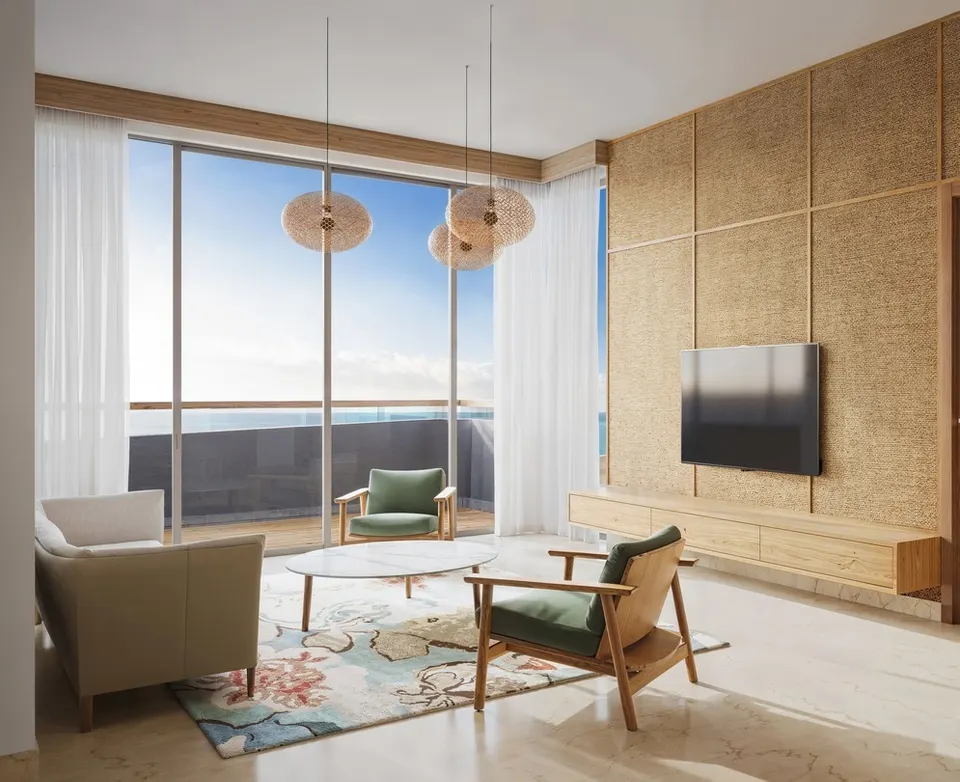
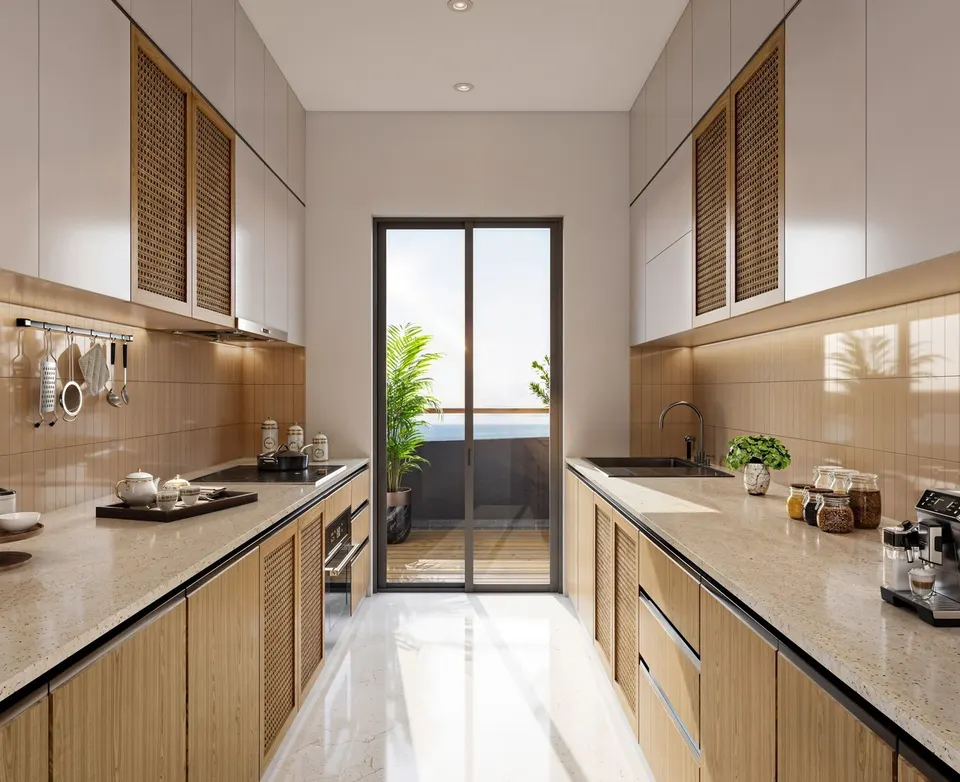
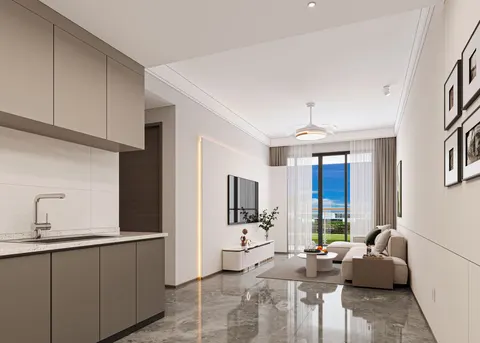 For sale nowFrom MVR 3.6M1+1 Bedroom Apartments at Bayfancy · Hulhumalé
3. Legal Security and Ownership Structures
This is perhaps the most critical area for foreign investors.
In Bali, foreigners generally cannot "own" land. They use *Hak Pakai* (Right to Use) or long-term leaseholds. While common, these structures can be opaque and subject to the changing whims of Indonesian agrarian laws. Many investors in 2026 are expressing "leasehold fatigue"—the realization that their asset value will eventually drop to zero as the lease expires.
In the Maldives, the Strata Title system is modeled after successful markets like Singapore and Australia. When you buy a luxury apartment in Hulhumalé, you own the unit and a share of the land for the duration of the land lease (typically 99 years). This title is registered at the Maldives Land and Survey Authority, providing a level of bankable security that Bali’s leasehold system struggles to match. For a full breakdown, see our Legal Guide to Maldives Real Estate.
4. The "Hulhumalé Factor" vs. Bali’s Traffic Woes
One of the biggest detractors for Bali appreciation in 2026 is infrastructure. Bali’s roads were not built for its current density. A 5km trip in Canggu can take 45 minutes, which is starting to push luxury renters away from the center.
Hulhumalé was a Master-Planned Smart City. It features wide boulevards, dedicated bus lanes, and is 10 minutes away from an international airport that just underwent a billion-dollar expansion. For an investor, this means the "usability" of the asset is guaranteed. High-net-worth tenants will always prefer a location where they can get from their penthouse to the airport gate in 20 minutes.
5. Resale Liquidity: How Easy is it to Exit?
An investment is only as good as your ability to sell it.
- Bali: The secondary market is crowded. Selling a villa can take 12–24 months because buyers have thousands of "new build" options to choose from.
- Maldives: Because the supply of residential apartments is strictly capped by the government’s land reclamation limits, the secondary market is incredibly tight. In 2026, we are seeing "off-plan" buyers flipping their units before completion for 20% gains because there simply isn't enough finished stock to meet demand.
6. Climate Resilience and ESG Investing
Critics often point to sea-level rise when discussing the Maldives. However, in 2026, Hulhumalé is recognized as one of the most climate-resilient islands in the world. It was reclaimed at a higher elevation (2 meters above sea level) than most natural islands in the archipelago.
Bali, meanwhile, is facing significant "Over-Tourism" environmental challenges, including water table depletion and waste management issues. For the ESG-conscious investor (Environmental, Social, and Governance), the modern, managed infrastructure of Hulhumalé offers a more sustainable long-term outlook than the unregulated sprawl of Bali.
The Verdict: Where Should You Invest in 2026?
If you are looking for a lifestyle property to live in for 6 months a year and you enjoy the cultural "hustle" of Indonesia, Bali remains a beautiful choice. However, if your primary goal is Capital Appreciation and Wealth Preservation, the Maldives is the clear winner for 2026.
The Maldives offers:
- Higher Appreciation: 10%+ vs Bali's 5-7%.
- Greater Scarcity: You are buying on one of the few pieces of residential land in a country that is 99% water.
- Stronger Legal Title: The Strata Act provides 99-year security.
- Infrastructure Upside: You are buying into a city that is just beginning its journey as a regional hub.
Final Recommendation
For investors with a 5-to-10-year horizon, we recommend focusing on 3-bedroom units in Hulhumalé. These are currently the most "under-supplied" asset class in the Maldives and are projected to see the highest appreciation as the expat family population grows. Check our current 2026 ROI Analysis for specific project data.
At Maldives Investments, we specialize in helping international buyers navigate this high-growth market. Don't wait for the Maldives to reach Bali’s prices—invest while the "Emerging Market" premium is still available.
Contact our consultancy team today for a head-to-head comparison of specific projects in both regions.