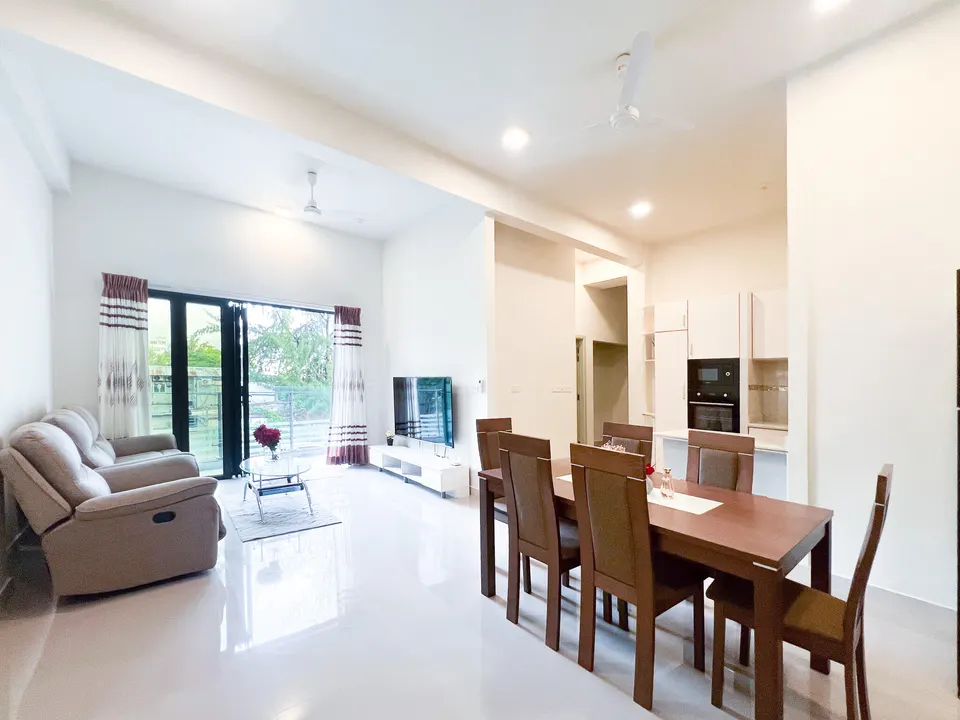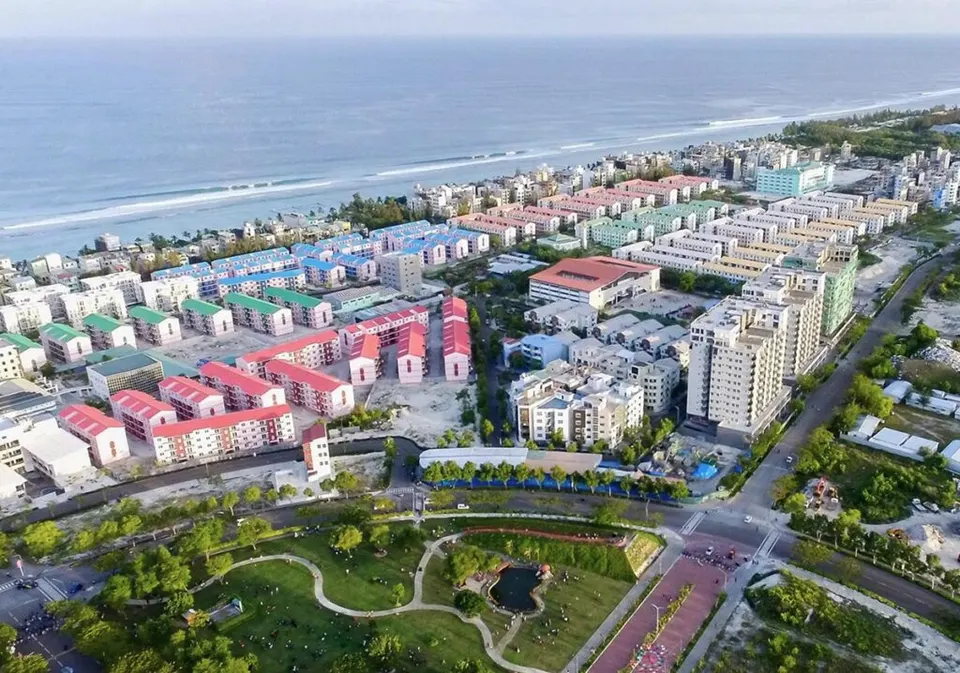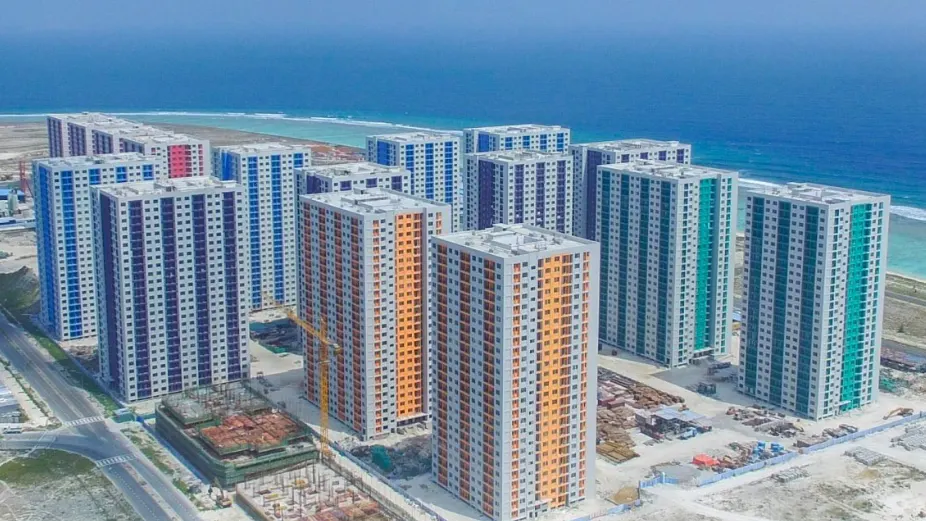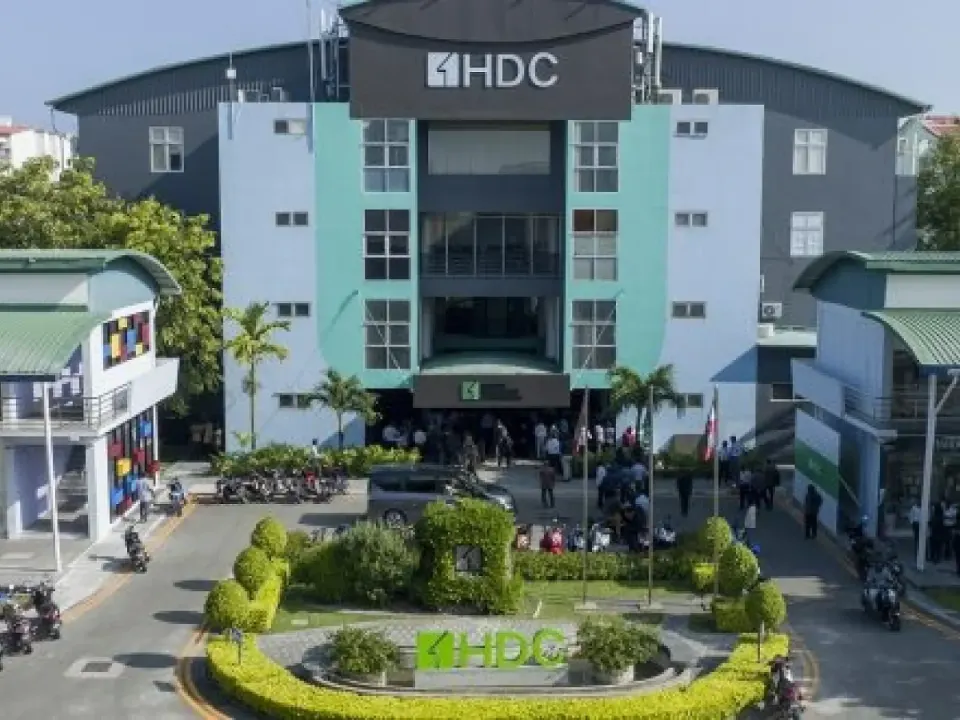
Hulhumalé is now home to a large share of the greater Malé population, and it is where most new flats are being built. But buying in Hulhumalé is not quite the same as buying a house on a family plot in Malé or on a local island. The land in Hulhumalé was reclaimed and developed by the state through the Housing Development Corporation (HDC), and most property there is held under HDC leases or allocation agreements. This guide explains what that means for buyers and owners: the terms, transfers, fees, mortgages and what happens when a lease ends.
HDC agreements differ by scheme and by date, and rules change. Always read your own agreement and get written confirmation from HDC on anything important.
Why HDC matters
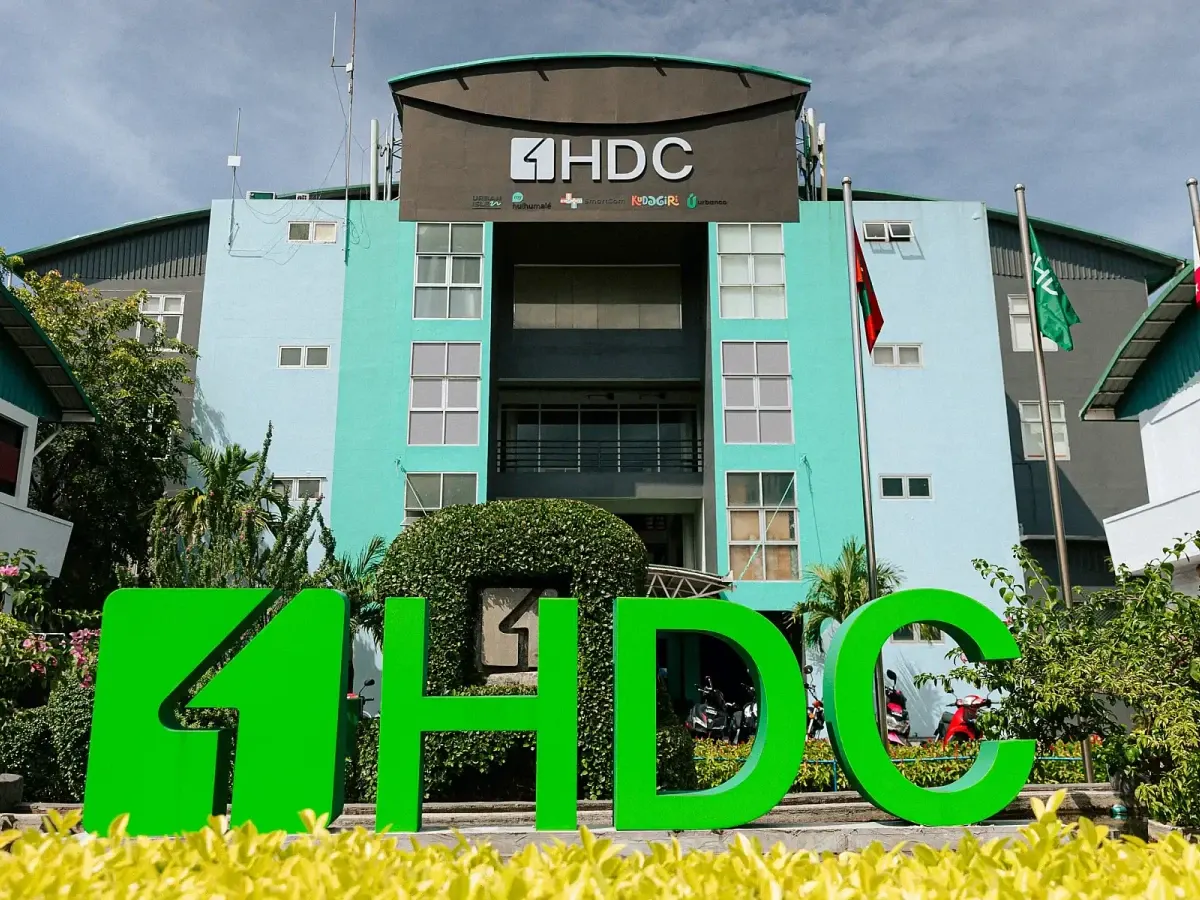
HDC is the state-owned company responsible for developing and managing Hulhumalé. It plans the city, allocates land to developers and individuals, builds social housing, and sets rules for construction, use and transfer. In practice, that means:
- Developers building private towers usually hold their land from HDC under a lease or development agreement.
- Individual flat buyers hold their unit under arrangements that trace back to HDC's land.
- Social housing flats such as Hiyaa are allocated by HDC under their own terms.
- Plot holders building their own homes hold plots under HDC allocation or lease terms.
So, for almost any Hulhumalé transaction, HDC's rules apply alongside the sale agreement. See our wider guide to leasehold vs ownership in the Maldives for how this fits with the rest of the country.
Common types of HDC arrangement
| Type | Who it applies to | Key points to check |
|---|---|---|
| Developer land lease | Private towers and projects | Remaining lease term, permitted use, how units are transferred to buyers |
| Flat purchase agreement | Buyers of units in HDC or partner projects | Payment terms, resale conditions, transfer fees |
| Social housing allocation | Hiyaa and similar schemes | Rent-to-own terms, bans on letting or resale, occupancy rules |
| Residential plot allocation | Families building their own homes | Building deadlines, design rules, transfer rules |
| Commercial lease | Shops, offices, hotels | Lease length, rent, use restrictions, renewal |
What to check before you buy
1. Which agreement covers the unit?
Ask the seller or developer for the HDC agreement that covers the flat or the building, and for the document that shows the seller's own right. For new projects, ask how and when your unit will be registered in your name.
2. The remaining term
If the land is leased, how many years are left? A long remaining term is important for resale value and for bank lending. Some buyers overlook this because Hulhumalé is new, but leases on early developments began years ago.
3. Resale restrictions
Some HDC schemes require a minimum holding period before resale, limit who can buy, or require HDC's approval for every transfer. Social housing is especially restricted. Read Hiyaa flats explained before buying any flat that started as social housing.
4. Letting restrictions
Some agreements ban or restrict letting, particularly in social housing, and a housing bill before parliament would make sub-letting social housing an offence. If you are buying to let, confirm in writing that letting is allowed. See rental yields in Hulhumalé.
5. Outstanding payments
Check that there are no unpaid HDC instalments, lease rent, service charges or utility bills that could pass to you.
6. Building approvals
Confirm that the building was approved by HDC and has completion or occupancy approval. Flats in buildings that do not match the approved plans can be hard to transfer or finance.
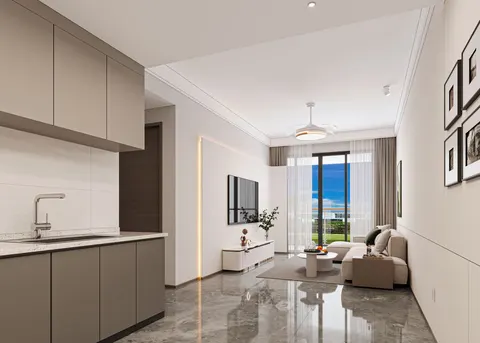 For sale nowFrom MVR 3.6M1+1 Bedroom Apartments at Bayfancy · Hulhumalé
Transfers: how selling works
A typical transfer of a Hulhumalé flat involves:
- A sale agreement between seller and buyer, conditional on HDC approval and, if needed, the buyer's loan.
- An application to HDC with the documents for both parties and the unit.
- HDC checks: eligibility, restrictions, outstanding payments.
- Payment of HDC transfer fees, where they apply.
- Release of the seller's mortgage and registration of the buyer's bank security.
- Updated records in the buyer's name.
Our full guide to property transfer and registration covers costs and common delays. Sellers can speed things up by gathering HDC documents before advertising; see how to sell your flat fast.
Mortgages on HDC property
Banks lend on Hulhumalé flats every day. BML, MIB and HDFC all finance purchases there, and several new Hulhumalé projects are on banks' approved lists. The bank will check the HDC documents, value the flat, and register its security, with HDC's consent where the agreement requires it. If the remaining lease term is short, or the unit has unusual restrictions, banks may lend less or not at all. Compare lenders in BML vs MIB vs HDFC.
What happens when a lease ends?
This is the question owners ask most, and the honest answer is: it depends on the agreement. Some leases include renewal or extension options; some are silent; social housing rent-to-own agreements end with ownership passing to the occupant once all payments are made, subject to the scheme's terms. Hulhumalé is still a young city, so few leases have reached their end, and there is little practical precedent.
What owners can do:
- Read the expiry and renewal clauses carefully.
- Ask HDC in writing how expiry and renewal will be handled for your building or scheme.
- Keep track of the remaining term; it affects value and lending long before the end.
- For buildings, owners can act together through the building management to seek clarity from HDC.
Building and changing your home
HDC sets design and construction rules in Hulhumalé. Plot owners must submit architectural drawings for approval and obtain permits before building. Flat owners need permission from building management, and sometimes HDC, for structural changes, enclosing balconies or changing facades. Doing work without approval can cause problems when you sell.
Plots in Hulhumalé Phase 2 and 3
Recent housing schemes have allocated plots and flats in Hulhumalé, including in the newly reclaimed Phase 3, where contracts for around 1,000 affordable units were reported in July 2026 and BML's affordable housing company is building more. Plot holders should read their allocation conditions carefully, including any deadline to build and rules on transfer. See Hulhumalé Phase 1 vs Phase 2 and BML's affordable housing projects.
Common problems buyers run into
- Buying from someone who is not the HDC record holder. Some flats have changed hands informally, with only a private agreement. HDC may not recognise the transfer, leaving the buyer unable to register or borrow. Always check that the seller's name matches HDC's records.
- Unpaid instalments. If the original allottee stopped paying HDC, arrears can block the transfer until they are cleared.
- Unapproved alterations. Enclosed balconies or added rooms that HDC did not approve can delay a sale or require reversal.
- Restrictions discovered late. A buyer who plans to let the flat may discover, after paying, that letting is not allowed under the scheme.
Each of these can be avoided by asking HDC the right questions before paying a deposit.
Practical tips
- Before paying any deposit, get copies of the HDC agreement and the seller's documents.
- Ask HDC directly whether the transfer is allowed and what it will cost.
- Make your sale agreement conditional on HDC approval.
- Use a lawyer familiar with HDC transactions.
- Keep every HDC letter and receipt; you will need them when you sell.
Looking for a flat? Browse properties for sale and our Hulhumalé area guide, and read how to buy a flat in Hulhumalé.
Frequently asked questions
Who owns the land in Hulhumalé?
Hulhumalé was reclaimed and developed by the state through the Housing Development Corporation (HDC), which manages the land. Plots and flats are typically allocated or leased under HDC agreements rather than sold as unrestricted freehold.
Can I sell a flat I bought in Hulhumalé?
Usually yes, but transfers commonly require HDC's involvement and approval, may involve fees, and some schemes (especially social housing) restrict resale for a period or to eligible buyers. Check the specific agreement with HDC.
Will a bank lend on an HDC leasehold flat?
Yes. Banks routinely finance Hulhumalé flats, including in approved new projects. The bank checks the HDC documents and registers its security with HDC's consent where required.
What happens when an HDC lease ends?
That depends on the lease terms. Some agreements provide for renewal or extension, others are silent. Read the clause on expiry and ask HDC for written confirmation, especially if the remaining term is short.